Key facts
- Manchester United beat Ipswich Town 5-2 at Old Trafford on Sunday, August 30, 2026.
- Bruno Fernandes scored a hat-trick in the match.
- Ipswich took an early lead through Leif Davis before United turned the game around.
- Reuters and The Guardian both described the victory as a major response to United’s opening-day defeat at Hull.
- Opta-based reporting indicated United produced a very high shot total in the win.
A victory built on structure, not just star power
Manchester United’s 5-2 win over Ipswich Town on Sunday, August 30, 2026, was the kind of result that can feel like a turning point because it arrived with noise, relief and a flood of attacking numbers. Bruno Fernandes scored a hat-trick, United came from behind, and the scoreline suggested dominance. But the more interesting question is why the attack looked so much cleaner than in the team’s opening-weekend defeat at Hull. The answer, based on match reports and post-match analysis, is that United reduced the clutter around Fernandes and gave their most creative players clearer lanes to operate in. That did not erase all the familiar flaws, but it did make the forward play more direct and more purposeful. ([theguardian.com](https://www.theguardian.com/football/2026/aug/30/michael-carrick-manchester-united-ipswich-premier-league?utm_source=openai))
Ipswich actually began with enough threat to expose United’s defensive uncertainty, with Leif Davis opening the scoring before the home side settled. Yet once United began to move the ball more decisively and arrive in the final third with better spacing, the game changed quickly. The Guardian’s match coverage described a strong United response after the break, while Reuters reported that Fernandes’ hat-trick helped ignite the season after the opening-day setback. The common thread in the coverage is that United’s attacking improvement was not only about individual brilliance, but also about a better fit between the midfield, the wide players and the captain’s freedom between the lines. ([theguardian.com](https://www.theguardian.com/football/2026/aug/30/manchester-united-ipswich-premier-league-match-report?utm_source=openai))
Why the attack looked less crowded
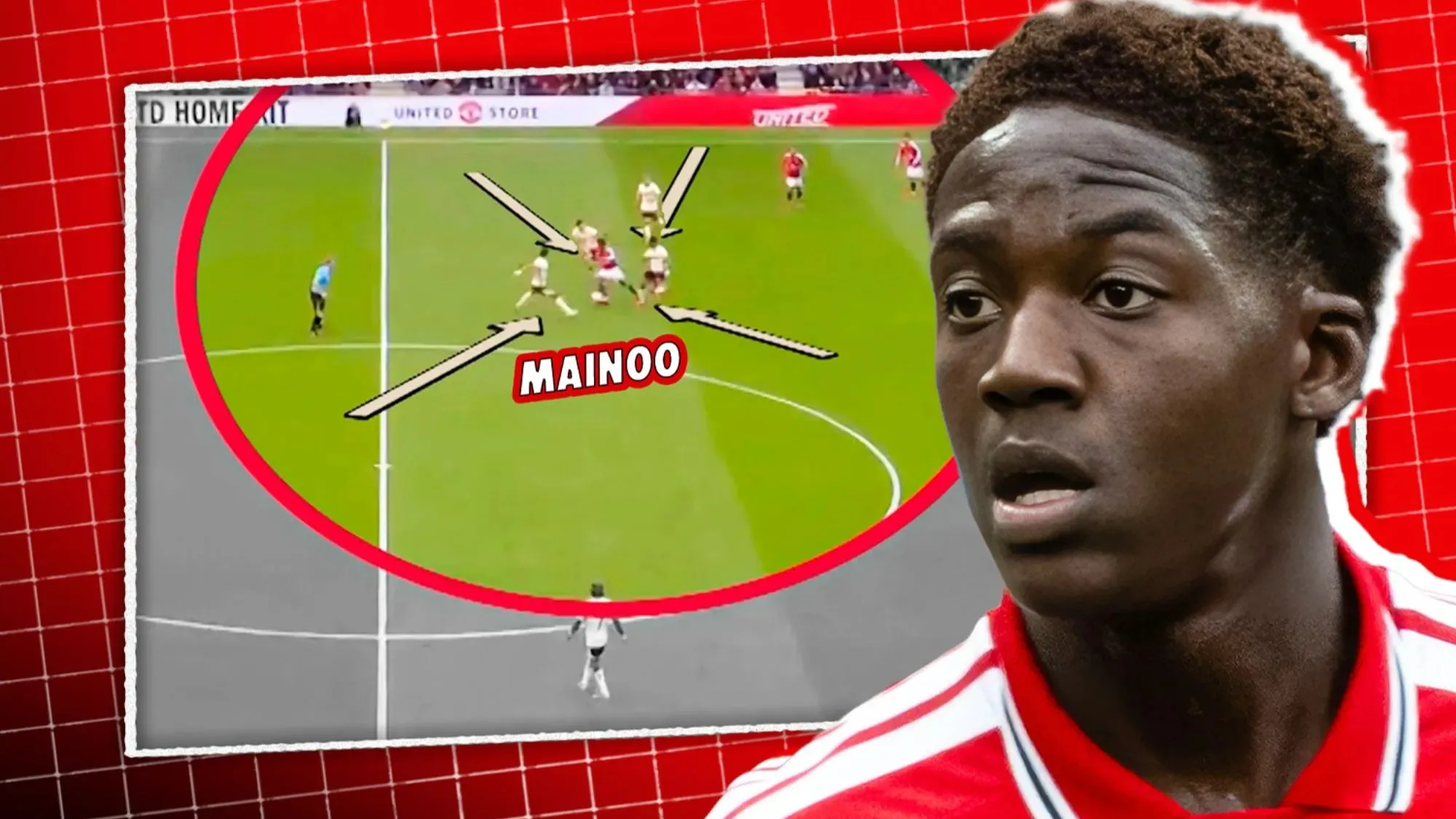
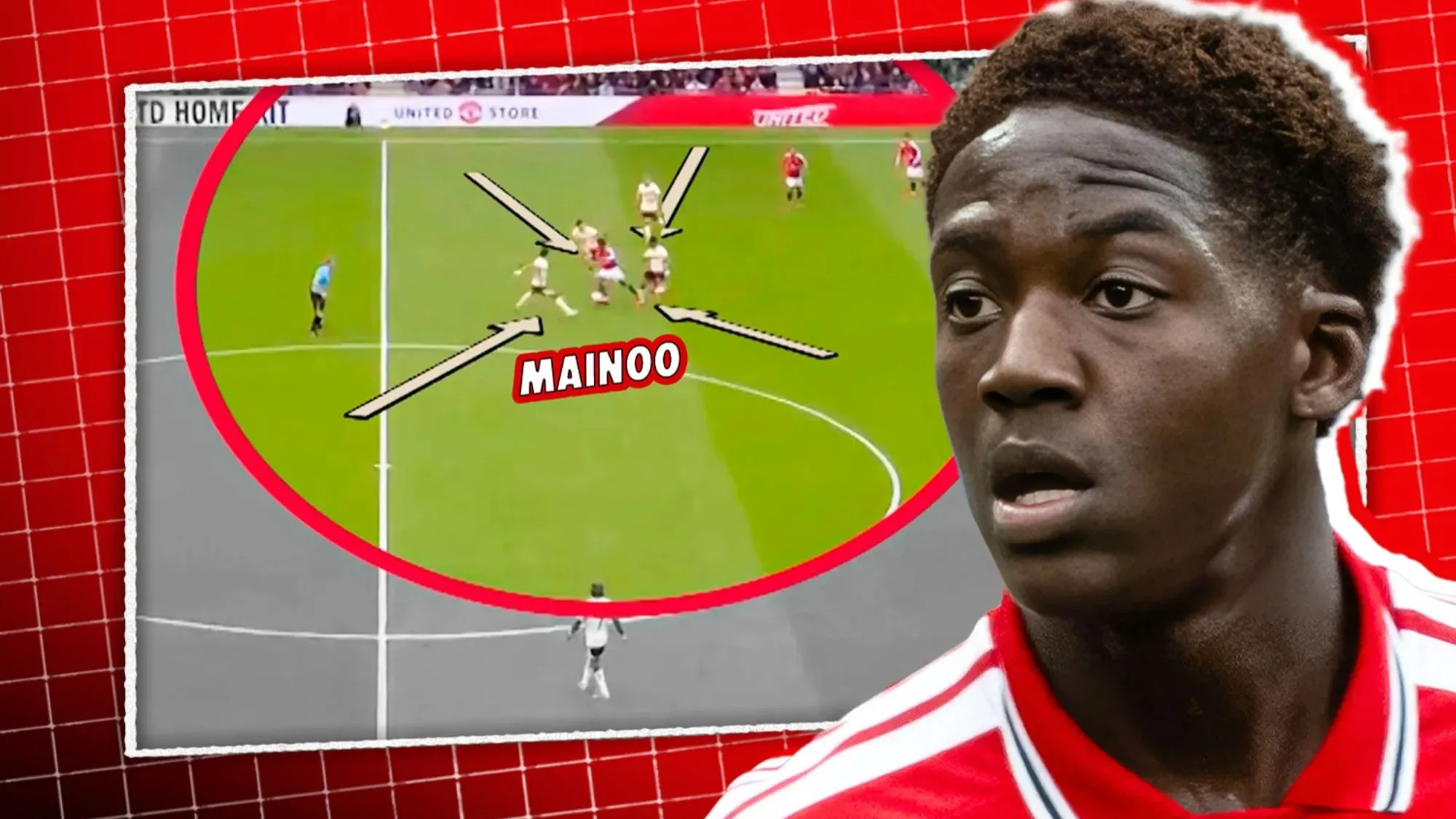
The phrase “de-cluttered” is a fair description of what happened if it is understood tactically rather than literally. United were not suddenly a different team; they were a team that made more obvious decisions. Instead of forcing too many players into the same pockets of space, they appeared to separate responsibilities more cleanly. Fernandes could receive the ball in more advantageous positions, the wide attackers stretched the pitch more often, and the team’s circulation became quicker when Ipswich tried to reset their shape. That meant the home side spent less time threading low-probability passes through traffic and more time attacking gaps that had already been created. ([theguardian.com](https://www.theguardian.com/football/2026/aug/30/michael-carrick-manchester-united-ipswich-premier-league?utm_source=openai))
Reuters’ report, via a syndication page, underlined the size of the tactical and emotional lift by describing Fernandes as the driver of a comeback that “ignited” United’s campaign. Meanwhile, Opta-based reporting noted that the 5-2 victory featured a huge shot volume for United, a sign that their attacks were not only more frequent but also arriving in more dangerous areas. A high shot count is not automatically proof of excellent football, but in this case it fits the visual evidence from the match reports: United were able to sustain pressure once the game opened up, rather than relying on isolated moments. ([arnnewscentre.ae](https://www.arnnewscentre.ae/en/news/sports/fernandes-hits-hat-trick-for-man-utd-in-thumping-win-over-ipswich/?utm_source=openai))
Fernandes at the centre, but not alone
Fernandes naturally dominated the post-match conversation. His hat-trick, scored in the 40th, 61st and 68th minutes, turned a shaky first half into a convincing victory and reinforced why he remains United’s most reliable attacking reference point. Yet his performance was helped by the fact that United did not ask him to solve every problem in isolation. When he receives the ball with a clearer structure around him, he can turn possession into chances more efficiently. That was the difference against Ipswich: fewer dead ends, more forward momentum. ([theguardian.com](https://www.theguardian.com/football/2026/aug/30/michael-carrick-manchester-united-ipswich-premier-league?utm_source=openai))
The other important element was the contribution from the supporting cast. Match reporting highlighted Marcus Rashford’s return to the league starting line-up and the presence of other attacking options who helped stretch Ipswich’s defensive line. That kind of width matters because it prevents opponents from packing the middle and crowding Fernandes out of the game. In effect, the attack became easier to read for United’s own players and harder for Ipswich to defend. Instead of a collection of individuals searching separately for influence, the side looked closer to a unit attacking with shared reference points. ([theguardian.com](https://www.theguardian.com/football/2026/aug/30/michael-carrick-manchester-united-ipswich-premier-league?utm_source=openai))
What the result does and does not tell us
It would be premature to declare that United have solved their title challenge, or even that this performance definitively marks a new normal. One convincing home win, even one as entertaining as this, cannot erase the broader context of inconsistency that has surrounded the club. Ipswich were competitive for long spells, and United still allowed opportunities at the wrong moments. The difference was that the home side responded far better once the game became open. That is encouraging, but it is not the same thing as sustained control over a season. ([theguardian.com](https://www.theguardian.com/football/2026/aug/30/manchester-united-ipswich-premier-league-match-report?utm_source=openai))
There is also a cautionary note in the wider season context. Guardian reporting before the match pointed out that United had already suffered an opening defeat at Hull, which framed the Ipswich game as a response rather than a culmination. In that sense, the 5-2 scoreline may be best understood as evidence that United can still look dangerous when their structure is simplified and their confidence returns. Whether that becomes a title challenge depends on whether they can reproduce the same clarity against better-organised opponents, away from the comfort of Old Trafford and without the emotional boost of a comeback. ([theguardian.com](https://www.theguardian.com/football/2026/aug/30/michael-carrick-manchester-united-ipswich-premier-league?utm_source=openai))
The strongest conclusion, then, is not that Manchester United have suddenly become complete, but that they showed a template worth revisiting: keep the central spaces cleaner, let Fernandes operate with purpose, and attack with enough width to stop opponents compressing the pitch. If that sounds basic, that is precisely the point. Sometimes the quickest way to improve an attack is not to add more pieces, but to remove the noise around them. Against Ipswich, United looked a little less cluttered and a lot more dangerous. ([theguardian.com](https://www.theguardian.com/football/2026/aug/30/manchester-united-ipswich-premier-league-match-report?utm_source=openai))
What comes next
The real test is repetition. If United can keep the same spacing and tempo in their next fixtures, the Ipswich win may come to be seen as a genuine reset rather than a one-off burst of energy. If they cannot, it will be remembered as a night when a talented team briefly made the game look simpler than it usually does. For now, the evidence supports optimism — but only measured optimism. ([skysports.com](https://www.skysports.com/football/news/11661/13571902/man-utd-5-2-ipswich-bruno-fernandes-scores-hat-trick-to-help-united-come-from-behind-to-win-at-old-trafford?utm_source=openai))
Reporting note
This article is based on corroboration from multiple credible publishers, including Reuters-syndicated coverage and The Guardian’s match report and follow-up analysis, with supporting statistics from Opta Analyst and Sky Sports match reporting.
Sources: