Key facts
- The Star reported on September 1, 2026 that formal-sector milk intake fell from 88.89 million litres in May to 84.44 million litres in June, according to KNBS data.
- The Star reported on May 26, 2026 that the Kenya Dairy Board put milk production costs at between Sh30 and Sh37 per litre.
- Nation reported on September 2, 2026 that rising milk prices are affecting households and food vendors in parts of Kenya, including Nyanza.
- Business Daily reported on September 1, 2026 that Kenya’s food import bill rose sharply amid drought-related crop failure, underscoring wider pressure on the food system.
Why the shortage is building
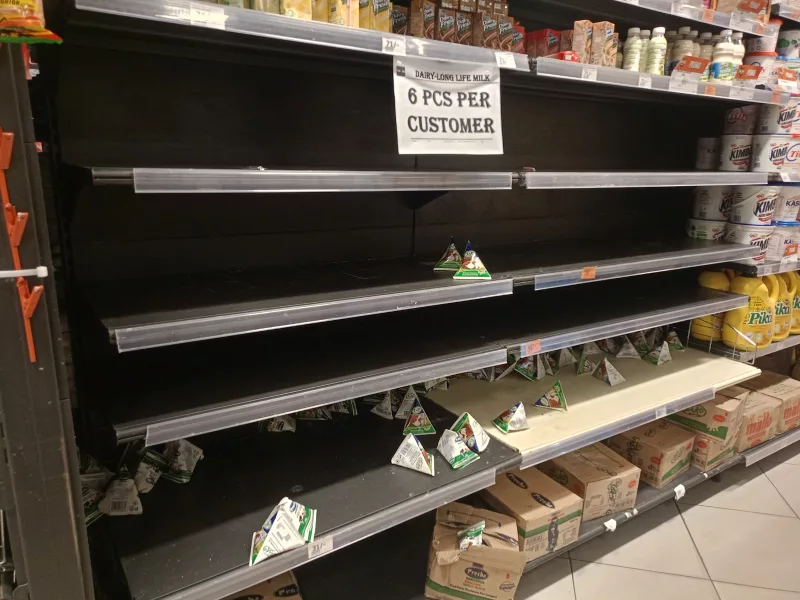
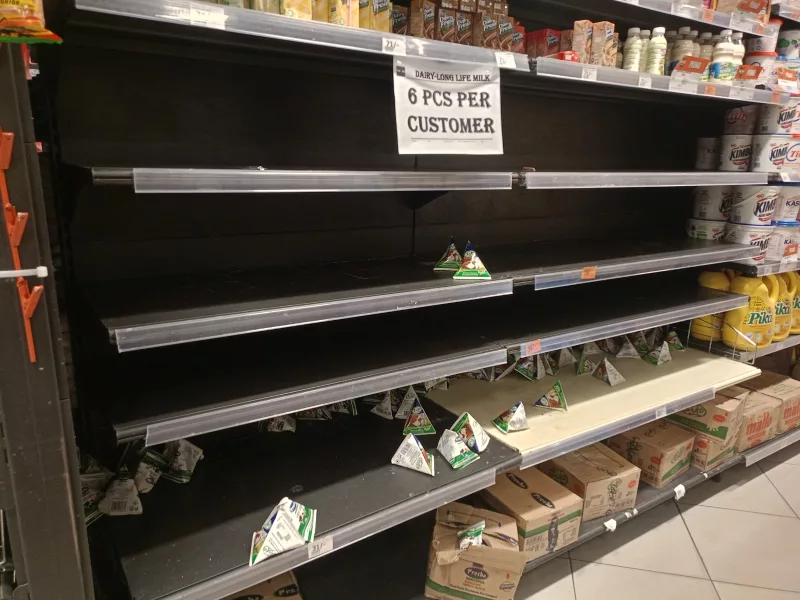
Kenya’s latest milk squeeze is not the result of one single shock. It is the product of several pressures landing at once: weaker pasture after delayed rains, higher feed costs, and lower output per cow. Reporting from The Star on September 1, 2026 said supermarkets in some areas were already rationing milk purchases, while processors were finding it harder to secure raw milk from farmers. The same report said formal-sector milk intake fell from 88.89 million litres in May to 84.44 million litres in June, according to Kenya National Bureau of Statistics data.
That decline matters because Kenya’s formal dairy chain depends on steady daily volumes from smallholders. When rainfall fails, cows produce less milk and farmers rely more on purchased feed, which becomes more expensive exactly when households are also under strain. The result is a familiar but still disruptive pattern: lower farm output, tighter processor supplies, and the possibility of price increases at retail level.
Feed costs remain the key pressure point
The most persistent cost driver is animal feed. In May, The Star reported that the Kenya Dairy Board had put the cost of producing a litre of milk at between Sh30 and Sh37, depending on the production system and scale. Farmers quoted in that report said rising feed bills were outpacing milk prices, especially for zero-grazing operations that depend heavily on bought fodder and commercial rations. Another Star report in April said the price of hay could rise sharply during dry periods, putting more pressure on margins.
This is not a new problem for Kenya’s dairy industry, but it has become more acute as climate shocks intensify. When pasture deteriorates, farmers either buy more feed or accept lower yields. Both choices are costly. For many smallholders, there is little room to absorb the shock because milk income is used for food, school fees and farm expenses. That makes any feed inflation immediately visible in the market price of milk.
Drought is now moving from the farm gate to the shop shelf
The retail side is already feeling some of the strain. Nation reported on September 2, 2026 that rising milk costs were changing what some households and food vendors buy, with consumers in parts of Nyanza shifting to thinner tea because milk had become more expensive. The article linked the problem to drought in Bomet County, a major source of raw milk for surrounding counties. That kind of localised shortage can quickly ripple into urban and peri-urban markets because milk is a daily necessity, not a discretionary purchase.
Business Daily has also documented the broader food inflation backdrop. In a September 1, 2026 report, it said Kenya’s food import bill had risen sharply after widespread crop failure linked to drought. While that story focused on cereals and other commodities, it is relevant to dairy because it shows the same weather pattern weakening multiple parts of the food system at once. When agriculture is under pressure across several subsectors, consumer food budgets tighten and retailers have less flexibility to absorb higher input costs.
A familiar cycle, but with bigger climate and cost risks
Kenya has seen milk shortages before. In earlier drought episodes, processors raised prices after supply fell, while industry groups warned that milk output could take weeks to recover even after rains returned. Business Daily reported in past cycles that dry spells reduced milk supplies enough to push up shop prices, with processors and farmers both caught in the squeeze. What appears different now is the persistence of the underlying cost problem: feed is expensive, production costs remain high, and the climate pattern is becoming less predictable.
That combination has wider consequences than a short-term retail price bump. If farmers cannot afford to feed cows properly, herd productivity falls and some may reduce herd sizes or leave dairying altogether. That can deepen supply problems later, even if rains improve. It also increases the risk that more milk will move through informal channels where quality control is weaker, leaving processors with less volume and consumers with less consistent access to safe, affordable dairy products.
What the market and government may do next
The immediate question is whether the shortage stays localised or becomes national. If rains improve quickly and fodder prices ease, yields can recover. But if dry conditions persist, price pressure could spread further across supermarkets, dukas and tea kiosks. The Star’s September 1 report suggests that some upward retail movement has already started in affected parts of the country, even if prices are not yet surging everywhere.
Over the longer term, the sector’s resilience will depend on feed supply, storage, irrigation for fodder, and support for smallholders during dry periods. Kenya has repeatedly discussed solutions such as improved forage production and strategic feed reserves, but the latest shortage shows how difficult it is to break the cycle between drought and dairy prices. For consumers, that means milk may become more expensive before it becomes cheaper again. For farmers, it means the margin between survival and loss remains uncomfortably thin.
The bigger picture for households
Milk is one of Kenya’s most important everyday foods, used in tea, porridge and cooking across income groups. That makes any sustained rise in price politically and economically sensitive. Even a modest increase can alter household budgets, especially for low-income families who buy milk daily rather than weekly. Vendors and small eateries are also exposed because they cannot always pass on higher costs without losing customers.
The current shortage therefore matters beyond the dairy industry itself. It is a test of how well Kenya’s food system can handle climate stress while keeping a basic staple affordable. For now, the evidence points in one direction: supply is tightening, costs are rising, and the risk of higher prices is real unless weather and feed conditions improve soon.
Sources: