Key facts
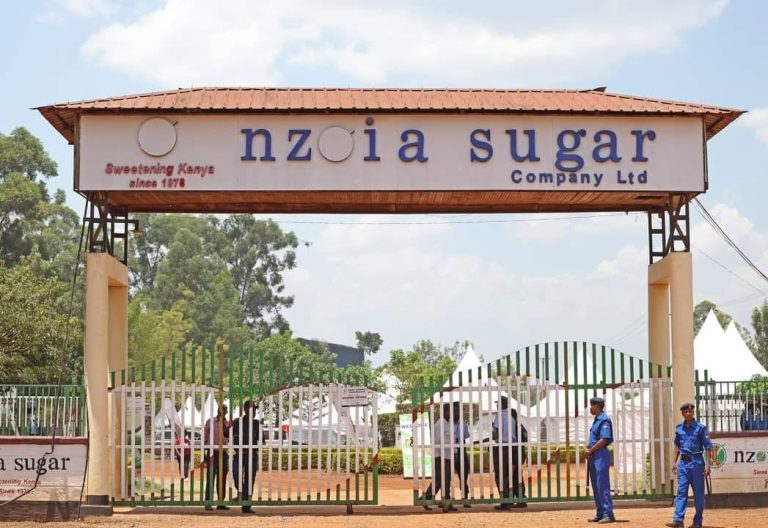
- Nzoia Sugar Company’s revival is being linked by residents to renewed economic activity in Bungoma County.
- The Star reported that farmers are now receiving weekly cane payments and that more than Sh700 million has been paid out.
- Business Daily and The Star both reported that the factory’s resumption is creating optimism among farmers and residents.
- President William Ruto said during an August 14, 2026 visit that farmers were being paid within seven days after delivering cane.
- Reports also note continuing challenges, including competition from imported and smuggled sugar and concerns about long-term sustainability.
A factory restart that is being felt beyond the gate
The revival of Nzoia Sugar Company is being experienced in Bungoma as more than a corporate turnaround. For farmers, traders and transport workers in the county, the resumption of milling has reopened a local economy that had been weakened by months and, in some cases, years of uncertainty. Residents speaking to local media described the factory’s return to operation as a source of renewed confidence because it means cane is moving again, wages are being paid and money is circulating in surrounding markets. The Star reported on September 1, 2026, that cane growers in Bungoma were regaining confidence after the miller was revived under a lease to West Kenya Sugar Company, while People Daily published a similar account of residents welcoming the reopening of the plant and the activity it has restored. ([the-star.co.ke](https://www.the-star.co.ke/counties/rift-valley/2026-09-01-weekly-cane-payments-revive-hope-for-nzoia-farmers?utm_source=openai))
The emotional weight of that change is significant in a county where the sugar industry has long been tied to household income, school fees, transport work and small retail businesses. In practical terms, a functioning miller means farmers can harvest cane with greater certainty, boda boda riders can expect more trips, shopkeepers can serve workers again, and suppliers can once more treat the factory as a paying customer. That broader ripple effect is what many Bungoma residents appear to be reacting to: not just the sight of the plant operating, but the return of a local economic engine.
Why the revival matters to farmers
The strongest support for the turnaround is coming from cane farmers, many of whom were pushed to the edge by delayed payments and interrupted operations. According to The Star, farmers said regular weekly payments have restored some stability after a period when they could wait roughly two months for money, then even longer as the situation worsened. One farmer quoted by the paper said the delay made it hard to plan household expenses and maintain confidence in sugarcane as a dependable crop. ([the-star.co.ke](https://www.the-star.co.ke/counties/rift-valley/2026-09-01-weekly-cane-payments-revive-hope-for-nzoia-farmers?utm_source=openai))
That sentiment fits the wider history of the sector. Kenya’s sugar industry has repeatedly struggled with debts, ageing equipment and governance problems, and Nzoia has often been one of the clearest examples of how factory distress can spread through an entire local economy. A Senate record from August 2026 noted persistent difficulties facing sugarcane farmers at Nzoia and across other mills, underscoring how the issues have not been limited to one company but have affected the whole sugar belt. ([mzalendo.com](https://mzalendo.com/democracy-tools/hansard/document/3157/?utm_source=openai))
What has changed now, according to multiple reports, is the speed and predictability of payment. The Star reported that the company’s chief executive said more than Sh700 million had already been injected into farmers’ pockets through cane payments, while salaries and benefits for more than 900 employees were being paid on time. People Daily also reported on renewed activity around the factory, with local residents linking the revival to better incomes and community life. ([the-star.co.ke](https://www.the-star.co.ke/counties/rift-valley/2026-09-01-weekly-cane-payments-revive-hope-for-nzoia-farmers?utm_source=openai))
For many growers, that is the key difference between a factory that merely exists and one that can sustain trust. Sugarcane is a long-cycle crop; farmers commit land and labour for months before they see returns. If payment systems fail, they can quickly abandon the crop or shift to alternatives. A more reliable miller therefore does not just improve cash flow in the short term. It can influence planting decisions, household planning and whether the next generation sees sugarcane as a viable livelihood.
Jobs, trade and the return of local movement
The economic effect of a revived miller extends well beyond cane farmers. Traders around Bungoma depend on factory workers and transport contractors for steady demand, and the restart of operations creates movement that had been missing when the plant was idle or underperforming. Business Daily reported earlier that residents were welcoming the resumption of operations with optimism, including a boda boda rider who expected more work ferrying employees and hoped the community would benefit from corporate social responsibility programmes. ([businessdailyafrica.com](https://www.businessdailyafrica.com/bd/corporate/industry/manufacturing/nzoia-sugar-resumes-operations-after-7-month-break-5318098?utm_source=openai))
That is important because the sugar industry in western Kenya has historically functioned as a multiplier sector. When it works, farmers spend, workers spend, transporters earn and local businesses hire more hands. When it stalls, the decline is felt in shops, schools, rental housing and transport stages. The recent reports suggest that Bungoma is beginning to experience the reverse of that slowdown, with residents noticing not just the restart of milling but also the reappearance of day-to-day commercial activity that follows it.
The factory’s revival also matters in the context of ongoing concern about the wider sugar market. On July 30, 2026, The Star reported that western millers were under pressure from smuggled and imported sugar, which had left Nzoia with a large stock of unsold bags. That means the revival story is not simply one of celebration; it is also a test of whether local producers can compete in a difficult market while keeping farmers and employees paid on time. ([the-star.co.ke](https://www.the-star.co.ke/counties/western/2026-07-30-smuggled-imported-sugar-chokes-millers-in-western?utm_source=openai))
In that sense, Bungoma’s reaction reflects both relief and caution. People are pleased to see the factory active again, but they also know that a restart must be matched by sales, steady cane supply, disciplined management and protection from distortions in the sugar market. Without those, a revival can fade quickly.
Political support, but also a contested history
The sugar sector’s revival has become a political talking point as well as an economic one. On August 14, 2026, The Star reported that President William Ruto visited the revived Nzoia plant and said farmers were now being paid within seven days of delivering cane. The paper also said the President praised plans to build a dam at the nucleus estate, which he argued would reduce dependence on rain-fed agriculture and help improve production. ([the-star.co.ke](https://www.the-star.co.ke/news/2026-08-14-photos-ruto-tours-revived-nzoia-as-sugar-milling-resumes?utm_source=openai))
Supporters of the leasing arrangement say the move has restored operations and confidence after a prolonged crisis. The Star quoted local leaders who defended the revival and argued that the factory had been effectively dead before the takeover. At the same time, other parts of the public debate have been more sceptical, especially in earlier reporting about opposition to the leasing process and calls for public participation around the company’s future. That tension shows that Nzoia is not only a factory story; it is also a governance story, shaped by questions of ownership, accountability and who benefits from the turnaround. ([the-star.co.ke](https://www.the-star.co.ke/counties/western/2026-07-15-ruto-has-fulfilled-key-promises-so-lets-reelect-him-wetangula?utm_source=openai))
For Bungoma residents, however, the immediate issue appears less ideological than practical. They want reliable cane harvesting, regular pay, and a factory that keeps operating. If those conditions hold, the revival could help rebuild trust in an industry that has for years been associated with false starts and broken promises. If they do not, today’s optimism could quickly give way to the frustrations that have marked previous attempts to stabilise the sector.
What comes next for Bungoma’s sugar economy
The next phase will determine whether Nzoia’s recovery becomes a durable turnaround or merely a brief reprieve. The company must keep cane flowing to the mill, manage costs, find buyers for its sugar, and maintain confidence among farmers who have little patience left for delays. The Star’s reporting suggests management has already begun restoring the nucleus estate and that more than half the land was fallow when the new operators arrived, a sign of how much groundwork still remains. ([the-star.co.ke](https://www.the-star.co.ke/counties/rift-valley/2026-09-01-weekly-cane-payments-revive-hope-for-nzoia-farmers?utm_source=openai))
There is also a broader regional stake. Bungoma’s economy has long been linked to Nzoia, and the factory’s health influences everything from farm incomes to youth employment and the viability of nearby trading centres. Kenya News Agency and later parliamentary records have also shown how closely local leaders and residents have followed the company’s future, indicating that Nzoia’s revival has national relevance in addition to county significance. ([kenyanews.go.ke](https://www.kenyanews.go.ke/governor-assures-residents-of-public-participation-in-sale-of-nzoia-sugar-company/?utm_source=openai))
For now, though, the dominant mood in Bungoma is guarded hope. Residents are not claiming that every problem has been solved, but they are seeing evidence that the factory can once again anchor livelihoods. In a county where the sugar industry has often symbolised decline, that alone is enough to stir optimism. Whether the revival endures will depend on execution, market discipline and the ability of the miller to keep translating factory output into real household gains.
Bottom line
The Bungoma reaction to Nzoia’s revival is best understood as a response to renewed economic movement. Farmers are being paid faster, workers are returning to predictable wages and local businesses are seeing signs of life again. The challenge now is to make that recovery permanent enough that the county does not have to cycle back through the same story of collapse and rescue.
Sources: