Key facts
- Daily Nation reported retail milk prices rising in parts of Nyanza and the South Rift, including about Sh70 for a 500ml packet in some outlets.
- Dry weather and pasture shortages are reducing milk output in key dairy counties such as Bomet, affecting supply to nearby towns.
- Business Daily has previously reported that drought-driven declines in milk production can trigger immediate retail price increases in Kenya.
- The shortage is happening alongside broader food-system stress, with Kenya’s food import bill also rising this year amid crop failure linked to drought.
Shortages spread from the farm gate to the shop shelf
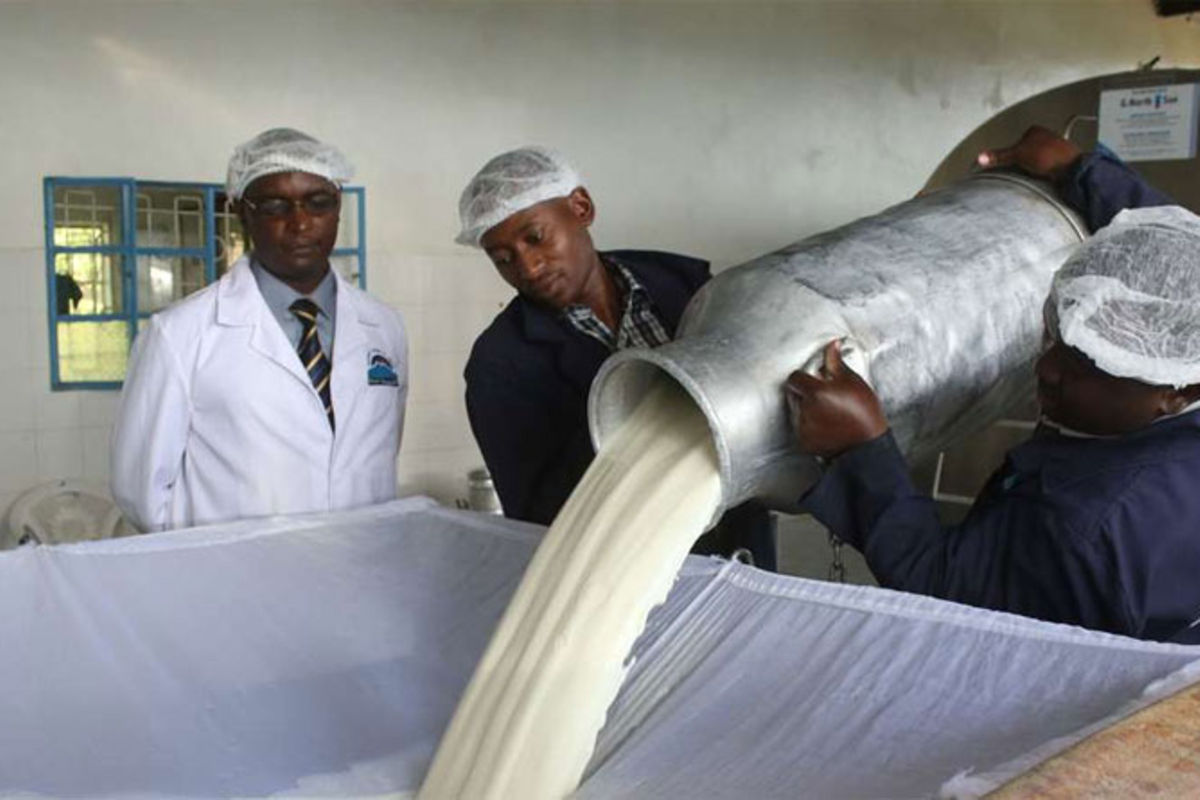
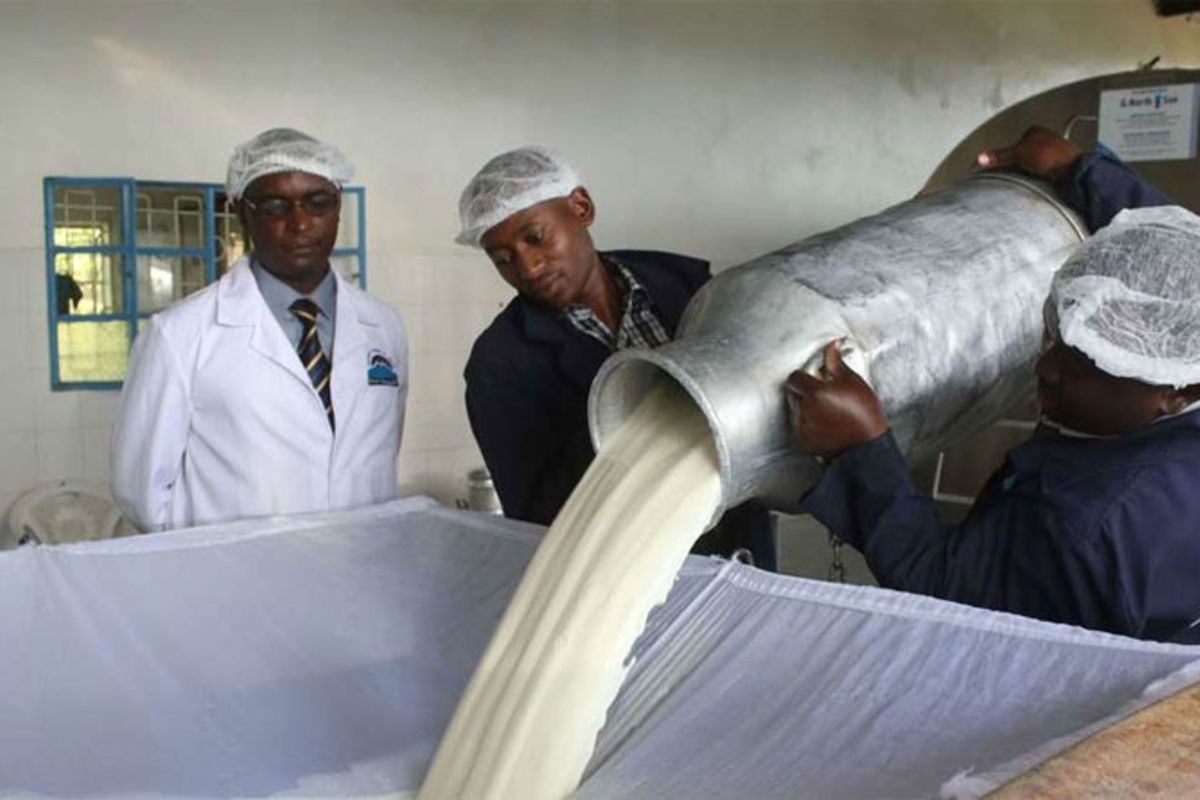
Kenya is facing another bout of milk tightness as seasonal drought disrupts production in major dairy areas and leaves traders with less to sell. Reports from the South Rift and western Kenya show that the problem is already visible to shoppers: packets of milk are more expensive in supermarkets, while some vendors are rationing what they can obtain from farmers and local bulking points. In Homa Bay, for example, the price of a 500ml packet has risen to about Sh70 from roughly Sh55 to Sh60, according to reporting by Daily Nation, while raw milk in parts of Bomet has moved to around Sh70 a litre from about Sh50.
The immediate drivers are familiar but damaging. Pasture has dried up, water sources are under strain and farmers are producing less milk per cow. That matters because many of Kenya’s urban and peri-urban consumers depend on an informal chain that moves quickly from farm to trader to retailer, so even a shortfall in one production belt can be felt in distant towns. The newest reports indicate that the problem is not isolated to one county but is affecting a broad stretch of the dairy corridor, including Bomet, Narok, Kisii, Kisumu, Kericho and parts of Nyanza.
Why the dry spell matters so much for dairy
Milk output is highly sensitive to rainfall, feed availability and animal health. When pasture becomes scarce, farmers often switch to expensive commercial feeds, reduce herd sizes or watch yields fall. That is especially painful in Kenya, where dairy is both a daily staple and an income source for thousands of smallholders. Business Daily has repeatedly reported in previous years that drought can quickly trigger a drop in supply and a rise in retail prices, and the pattern appears to be repeating now as dry conditions persist in several production zones.
The current shortage is also linked to the way Kenya’s dairy market is structured. Processors and retailers depend on a steady flow of raw milk, but a significant share of the national supply still moves through informal channels and small traders rather than large, refrigerated systems. When drought disrupts those local networks, the buffer is thin. The result is that consumers often feel the impact before official market interventions arrive.
Households absorb the first shock
For households, the shortage is arriving as a painful but ordinary kind of inflation: tea, porridge and cooking all become more expensive almost at once. In towns where tea is a daily necessity, traders say they face a simple choice between raising prices and losing customers or keeping prices steady and shrinking their margins. Some food kiosks have responded by reducing the amount of milk they use, which can leave customers with weaker tea or smaller servings.
That squeeze matters because milk is one of the most accessible sources of protein for many Kenyan families. Even a small increase in price can change consumption patterns, especially for low-income households that buy milk in small daily quantities rather than in bulk. The reporting from Nation Media Group shows that the increase is already altering buying habits, with some consumers moving to cheaper alternatives or accepting thinner tea as the new normal.
Supply pressures are not just local; the wider food system is also under stress
The milk shortage is unfolding against a broader national backdrop of weather-related food pressure. Nation Media Group reported this week that Kenya’s food import bill has climbed sharply this year after crop failure linked to drought, underscoring how weather shocks are affecting multiple parts of the food system at once. That wider context matters because dairy does not operate in isolation: if farmers are paying more for feed, if water is scarce and if other staple foods are also under pressure, household budgets stretch further and market instability becomes easier to trigger.
There is also a policy dimension. Kenyan officials have in the past used imports, price controls and market monitoring to soften dairy shocks, but those tools can only do so much if dry weather continues to reduce local output. Business Daily has previously reported that authorities have considered imports or temporary relief measures when supply tightens, but those interventions can be politically and economically sensitive in a country where local farmers want protection from cheap foreign milk while consumers want affordable prices.
What could happen next
If rains arrive on time and pasture regenerates, supply should improve and prices could ease from current highs. That is the usual seasonal cycle in Kenya’s dairy belt, where the short rains and long rains often determine whether farmers can rebuild herds and restore output. But if the dry spell lasts longer than expected, the shortage could deepen and spread beyond the current hotspots. In that scenario, supermarkets may face more patchy deliveries, vendors may pay more for raw milk and households could see further increases in the cost of basic foods that depend on dairy.
The bigger question is whether Kenya can make its dairy supply less vulnerable to weather swings. Better feed reserves, irrigation for fodder, improved cold-chain infrastructure and stronger farm-level resilience would all help, but they require sustained investment. For now, the immediate story is simpler: drought is cutting milk production, the market is reacting, and consumers are paying more for a commodity that sits at the center of the Kenyan diet.
Bottom line
This is not just a temporary inconvenience for shoppers. It is a reminder of how quickly climate stress can move through Kenya’s food chain, from grazing land to retail shelf, and how quickly the price of a basic staple can rise when supply falls.
Sources: