Key facts
- The US Senate has backed a two-year extension of AGOA to December 2028.
- AGOA gives eligible sub-Saharan African countries duty-free access to the US market for many products.
- Kenya is the largest beneficiary of AGOA in the garment sector, according to The EastAfrican.
- AP reported in February 2026 that AGOA had already been extended only until the end of 2026.
- The extension is significant for jobs, investment and buyer confidence, but it does not remove longer-term policy uncertainty.
Senate move offers temporary relief after months of uncertainty
The US Senate has backed a two-year extension of the African Growth and Opportunity Act, or AGOA, in a move that would keep duty-free access to the US market in place for eligible sub-Saharan African exporters until the end of December 2028. The EastAfrican reported that African governments and business groups welcomed the step because it reduces the immediate risk of disruption for firms that depend on the preferential trade scheme.
The development matters because AGOA has been one of the most important channels through which African manufacturers, farmers and resource exporters access the American market. AP reported earlier this year that the agreement, when briefly renewed, covered some 1,800 products and remained important to countries that feared job losses if the program collapsed. That broader context helps explain why even a short extension is being treated as a significant policy win, rather than a routine administrative step.
Why Kenya is watching closely
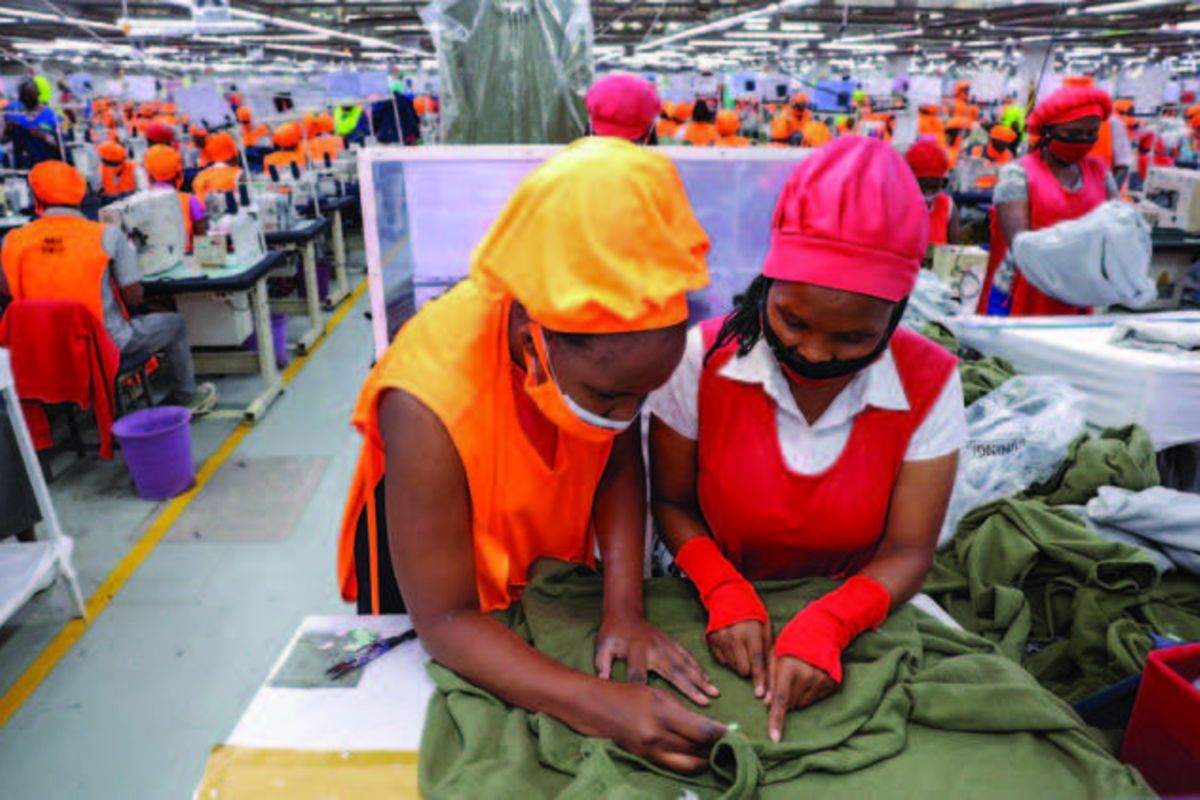
Kenya has a particularly strong stake in the trade arrangement because it is widely seen as the continent’s leading garment beneficiary under AGOA. The EastAfrican’s reporting notes that Kenya remains the largest beneficiary of AGOA in the garment sector, and that detail is central to understanding the political and economic significance of the Senate’s action. For Kenyan factories, the arrangement has supported access to a market that is far larger and more lucrative than the domestic one, especially for apparel made in export-processing zones.
The garment industry is not just about export volumes. It also affects factory employment, supplier contracts, logistics activity and foreign exchange earnings. When a preferential trade program faces uncertainty, the risk extends beyond one industry. It can affect investment decisions, shipping schedules, sourcing plans and the willingness of buyers in the United States to place longer-term orders. In that sense, the Senate’s backing of an extension is also a signal to private companies that the policy environment may remain stable long enough to keep contracts alive.
A short extension, not a final settlement
The latest Senate action is best understood as a bridge rather than a permanent solution. AP previously reported that AGOA had already been extended only until December 2026 earlier in the year, underscoring how short the renewal cycle has become and how much uncertainty still hangs over the future of US-Africa trade relations. The new Senate-backed proposal would push the deadline further out to December 2028, but it does not resolve the bigger debate over whether the program should be reworked, modernised or replaced altogether.
That distinction matters. A one- or two-year reprieve can prevent immediate shocks, but it does not create the kind of predictability investors usually want when they are planning new factories, training workers or signing supply contracts. In practical terms, exporters may still have to make decisions as if the policy could change again before their investments pay off. That makes the extension valuable, but also fragile.
Trade politics in Washington still shape the outcome
AGOA has long depended on political support in Washington as much as on economic demand in African markets. AP’s reporting from February said the Trump administration had framed the extension in terms of an America First trade policy, while also signalling that the program might be modified to fit new US priorities. That is important because it suggests the extension is not necessarily a return to the old status quo. Instead, it may be part of a broader effort to redefine trade ties with Africa on terms that are more politically acceptable to the current White House and Congress.
For African governments, that creates a delicate balancing act. They want certainty and market access, but they also have to respond to shifting US expectations on trade, tariffs, industrial policy and eligibility conditions. Countries that have relied on AGOA for manufacturing jobs now have an incentive to diversify their export base, strengthen regional trade links and move further up the value chain. For Kenya, that could mean building more of the textile and apparel supply chain locally instead of relying mainly on cut-and-sew operations that are vulnerable to policy changes abroad.
What the extension could mean for East Africa
A longer extension would likely be welcomed across East Africa, where the benefits of preferential access are spread unevenly but remain important. The region has used AGOA not only for garment exports but also to deepen commercial links with US buyers in sectors such as horticulture, leather and light manufacturing. Even when the trade values are modest by global standards, the employment and industrial-policy effects can be outsized for developing economies. That is one reason the program has survived repeated criticism: for many firms, it is not an abstract diplomatic arrangement but a working tool that supports payrolls and keeps factories busy.
Still, the extension should not be mistaken for a guarantee of long-term growth. The sector’s future will depend on more than tariff treatment. Reliable power, faster port clearance, predictable regulation, better skills and stronger local supply chains all matter. If Kenya wants to maximise any gains from AGOA through 2028 and beyond, it will need to treat the extension as breathing space, not as a substitute for industrial reform. The same applies to other eligible African economies, which must decide whether to use the extra time to become less dependent on a single preferential scheme or to keep building around it while it lasts.
A window for negotiation, investment and reform
The most important effect of the Senate’s backing may be psychological. It signals that AGOA is still alive in Washington and that lawmakers recognise the costs of letting the program lapse without a transition plan. For exporters, that can help sustain buyer confidence. For governments, it opens a window to negotiate the next phase of US-Africa trade relations while avoiding immediate disruption.
But the policy message remains mixed. A two-year extension buys time, not certainty. It may encourage firms to keep orders flowing and preserve jobs in industries that have become dependent on the arrangement. Yet it also preserves the sense that African exporters are working under temporary conditions, subject to congressional deadlines and changing political winds. For Kenya, that means the next few years will be about using the runway wisely: safeguarding jobs, attracting investment and preparing for a trade landscape that may look very different by the time 2028 arrives.
Sources: