Key facts
- TRC added an extra SGR service on the Dodoma–Dar es Salaam route amid rising demand. ([thecitizen.co.tz](https://www.thecitizen.co.tz/tanzania/news/national/railway-authority-adds-extra-sgr-service-as-demand-for-dodoma-dar-travel-increases-5493568?utm_source=openai))
- TRC reported more than 5.5 million SGR passengers between June 2024 and March 2026. ([thecitizen.co.tz](https://www.thecitizen.co.tz/tanzania/news/national/tanzania-s-flagship-rail-attracts-over-5-5-million-passengers-5424032?utm_source=openai))
- Tanzania launched construction of the 506-kilometre Tabora–Kigoma SGR lot in July 2026. ([thecitizen.co.tz](https://www.thecitizen.co.tz/tanzania/news/national/tanzania-to-launch-construction-of-sh6-31-trillion-sgr-lot-linking-tabora-and-kigoma-5529930?utm_source=openai))
- Officials say the Kigoma corridor is intended to strengthen trade, tourism and investment. ([thecitizen.co.tz](https://www.thecitizen.co.tz/tanzania/news/national/inside-samia-s-plan-to-position-kigoma-as-a-logistics-gateway-5532908?utm_source=openai))
- The Ministry of Natural Resources and Tourism has said it is modernising digital systems and tourism infrastructure. ([thecitizen.co.tz](https://www.thecitizen.co.tz/tanzania/news/national/government-outlines-priorities-in-proposed-sh334-billion-tourism-natural-resources-budget-5460446?utm_source=openai))
Rail reliability becomes part of the tourism pitch
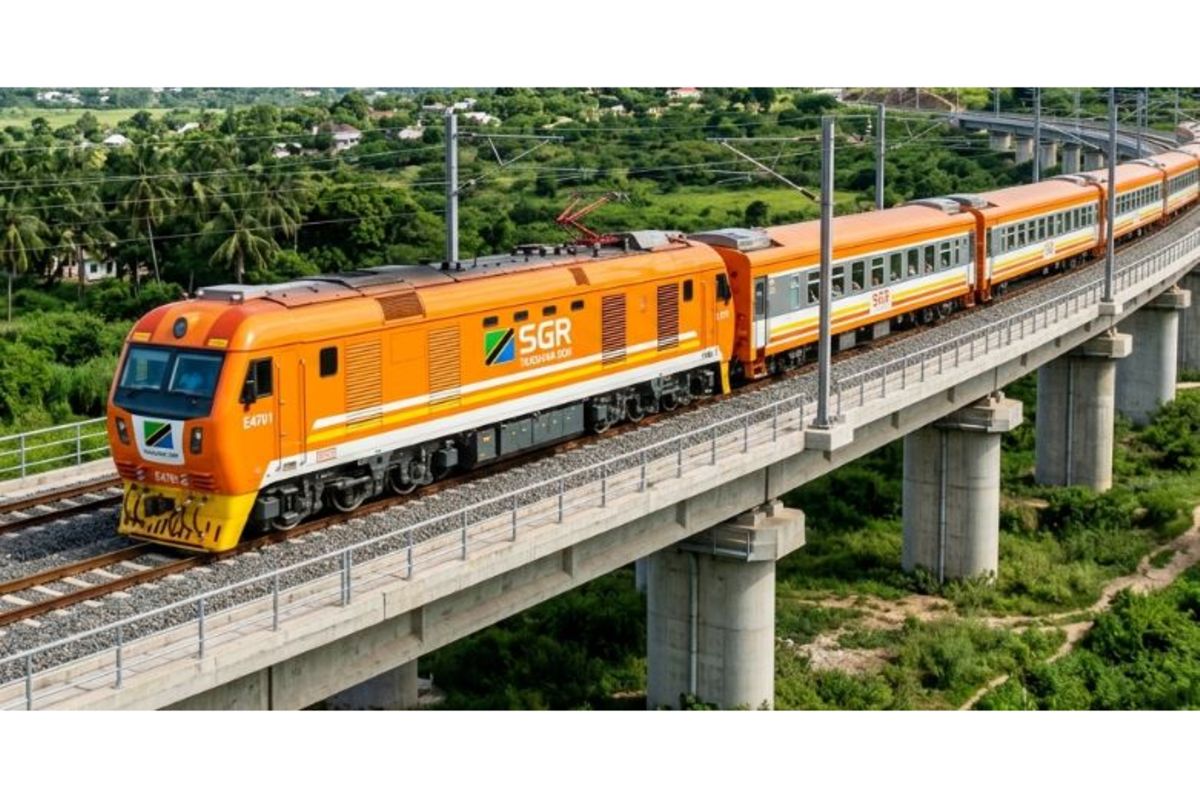
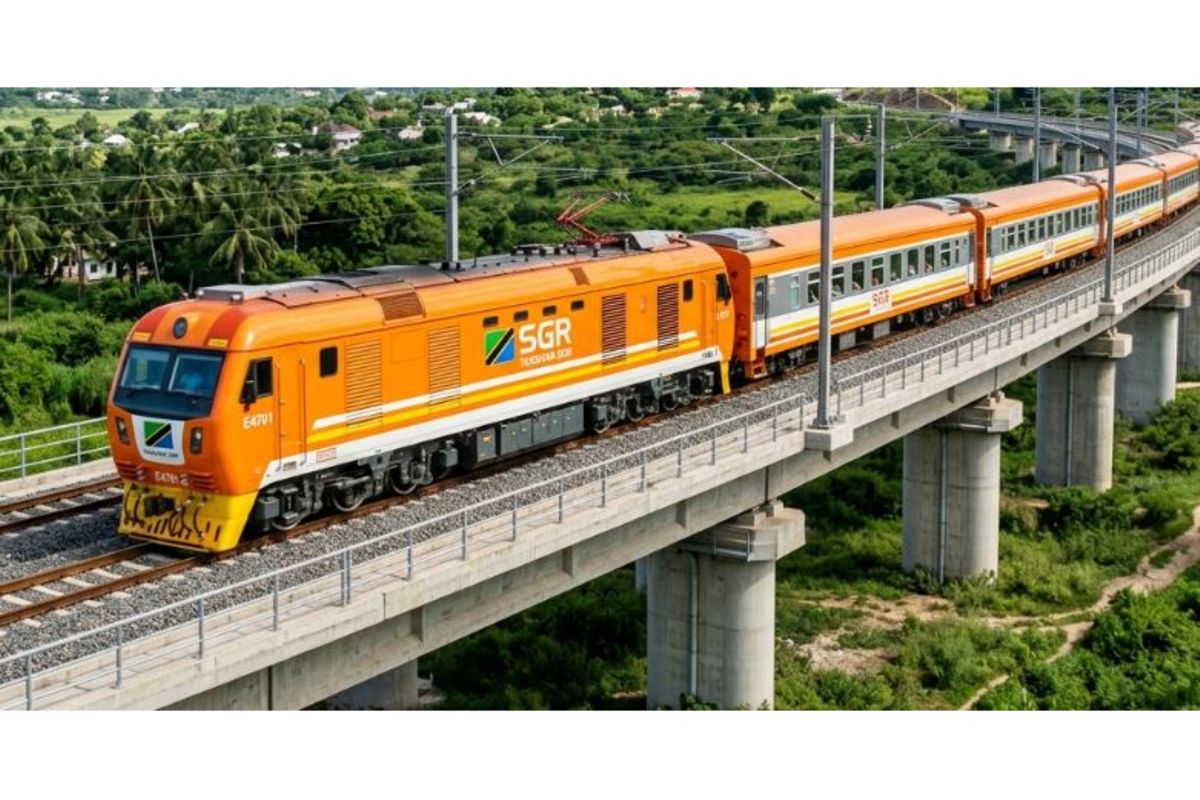
Tanzania’s rail network is increasingly being described not just as transport infrastructure, but as a tourism enabler. The immediate evidence is not a single headline-grabbing launch, but a steady build-out of the country’s Standard Gauge Railway (SGR), where passenger numbers have risen enough to justify extra services on busy corridors. Tanzania Railways Corporation recently added an additional electric multiple unit service on the Dodoma–Dar es Salaam route after demand increased, showing that rail is becoming a mainstream option for intercity travel rather than a niche novelty. ([thecitizen.co.tz](https://www.thecitizen.co.tz/tanzania/news/national/railway-authority-adds-extra-sgr-service-as-demand-for-dodoma-dar-travel-increases-5493568?utm_source=openai))
That matters for tourism because visitor journeys often begin with the simplest question: how easy is it to move between entry points, capitals, national parks and regional hubs? In Tanzania’s case, the answer is becoming more positive as the SGR is marketed around speed, comfort and reliability. The corporation has said the system is intended to give passengers safer and more convenient travel, while the government has framed rail expansion as part of a wider development strategy. ([thecitizen.co.tz](https://www.thecitizen.co.tz/tanzania/news/national/railway-authority-adds-extra-sgr-service-as-demand-for-dodoma-dar-travel-increases-5493568?utm_source=openai))
A smoother rail experience can also reduce one of the hidden costs of travel: uncertainty. When trains run more regularly, travellers can plan around timed departures, multi-stop itineraries and onward connections with less friction. For regional tourists coming from Kenya, Uganda, Rwanda, Burundi or the Democratic Republic of Congo, that kind of predictability can be as important as the journey itself, especially if rail is linked to other transport modes at major hubs. This is an inference based on the government’s emphasis on connectivity and on the recent growth in rail demand. ([thecitizen.co.tz](https://www.thecitizen.co.tz/tanzania/news/national/inside-samia-s-plan-to-position-kigoma-as-a-logistics-gateway-5532908?utm_source=openai))
Why tracking technology matters beyond the railway yard
The RSS lead refers to “seamless rail tracking,” a phrase that can cover several operational tools: live train monitoring, passenger information systems, ticketing integration, journey updates and better coordination between stations, control rooms and mobile apps. While the exact technology described in the lead is not independently detailed in the sources we reviewed, Tanzania’s broader rail programme clearly points toward a more digital and organised system of movement. The Ministry of Natural Resources and Tourism has separately said it is modernising digital systems and tourism infrastructure, which fits a national pattern of using technology to improve visitor experience. ([thecitizen.co.tz](https://www.thecitizen.co.tz/tanzania/news/national/government-outlines-priorities-in-proposed-sh334-billion-tourism-natural-resources-budget-5460446?utm_source=openai))
In rail operations, better tracking can help with punctuality, capacity management and passenger confidence. It can also support tourism indirectly by making rail easier for hotels, tour operators and regional travel agents to sell. If a traveller can see when a train departs, where it is likely to arrive, and whether seats are available, the railway becomes part of the broader tourism product rather than a fixed utility hidden in the background. That is a logical extension of Tanzania Railways Corporation’s recent push to meet growing demand and its call for advance ticket purchase through official platforms. ([thecitizen.co.tz](https://www.thecitizen.co.tz/tanzania/news/national/railway-authority-adds-extra-sgr-service-as-demand-for-dodoma-dar-travel-increases-5493568?utm_source=openai))
There is a second tourism benefit that is often overlooked: station-based travel can spread visitors across more destinations. Rail lines create natural stopping points, and each station can become a gateway for food, accommodation and short excursions. Tanzania’s government has already argued that rail and port links should strengthen trade and tourism in western regions, including Kigoma. That region is now being positioned as a logistics gateway rather than a terminus, with officials saying the rail corridor can connect the coast to Lake Tanganyika and onward to neighbouring markets. ([thecitizen.co.tz](https://www.thecitizen.co.tz/tanzania/news/national/inside-samia-s-plan-to-position-kigoma-as-a-logistics-gateway-5532908?utm_source=openai))
Kigoma and the western corridor could benefit most
The strongest evidence that Tanzania sees rail as a regional growth engine comes from Kigoma. In July, the government launched construction of the Tabora–Kigoma SGR lot, a 506-kilometre stretch expected to improve connectivity in western Tanzania and deepen links with the Great Lakes region. Local officials said the line should strengthen trade, tourism and investment, while national leaders have described Kigoma as a strategic node for goods and people rather than a dead end. ([thecitizen.co.tz](https://www.thecitizen.co.tz/tanzania/news/national/tanzania-to-launch-construction-of-sh6-31-trillion-sgr-lot-linking-tabora-and-kigoma-5529930?utm_source=openai))
That could have real implications for tourism. Kigoma sits near Lake Tanganyika and has long been associated with cross-border movement, heritage routes and access to western Tanzania’s less-travelled landscapes. If rail services make the region easier to reach, the tourism map could widen beyond the classic safari circuit. That would be valuable for Tanzania because a diversified tourism economy is less dependent on a small number of flagship destinations and more able to absorb regional and seasonal travel demand. This is an inference drawn from the government’s western corridor strategy and its stated tourism goals. ([thecitizen.co.tz](https://www.thecitizen.co.tz/tanzania/news/national/inside-samia-s-plan-to-position-kigoma-as-a-logistics-gateway-5532908?utm_source=openai))
Passenger data suggests the public is already responding to the modern rail offer. Tanzania Railways said more than 5.5 million travellers used the SGR between June 2024 and March 2026. The corporation has characterised that uptake as evidence that the service is gaining trust, and government budget documents show continued heavy investment in rail as part of the transport agenda. A system that is already attracting large numbers of domestic riders has a stronger base from which to market leisure travel to regional and international visitors. ([thecitizen.co.tz](https://www.thecitizen.co.tz/tanzania/news/national/tanzania-s-flagship-rail-attracts-over-5-5-million-passengers-5424032?utm_source=openai))
Regional tourism needs cross-border transport that feels simple
For Kenya and the wider East African audience, Tanzania’s rail expansion is worth watching because the tourism market is increasingly regional. Travellers do not always move on one long holiday; they may combine business, family visits and leisure across borders. Rail can help if it is integrated with ports, road links and onward services. Tanzania’s rail revival is being discussed in precisely those terms, with officials linking the network to freight, trade, passenger mobility and regional supply chains. ([thecitizen.co.tz](https://www.thecitizen.co.tz/tanzania/news/national/inside-samia-s-plan-to-position-kigoma-as-a-logistics-gateway-5532908?utm_source=openai))
The challenge is execution. Rail systems only become tourism assets when they are dependable, easy to understand and sufficiently frequent. Tanzania has taken promising steps by expanding service on high-demand lines and continuing construction on new ones, but the tourism payoff will depend on whether the operational layer keeps pace with the physical infrastructure. That includes ticketing, passenger information, intermodal transfers and communication with the private sector. ([thecitizen.co.tz](https://www.thecitizen.co.tz/tanzania/news/national/railway-authority-adds-extra-sgr-service-as-demand-for-dodoma-dar-travel-increases-5493568?utm_source=openai))
Even so, the direction of travel is clear. Tanzania is trying to convert rail from a state project into a public experience that supports trade, regional mobility and travel demand. If “seamless rail tracking” means what the phrase suggests — better visibility, better coordination and fewer travel headaches — then the country may be building something more valuable than a railway. It may be building a new way for visitors to imagine Tanzania as reachable, connected and easier to explore. ([thecitizen.co.tz](https://www.thecitizen.co.tz/tanzania/news/national/railway-authority-adds-extra-sgr-service-as-demand-for-dodoma-dar-travel-increases-5493568?utm_source=openai))
What to watch next
The key questions are whether Tanzania Railways expands real-time passenger information, whether SGR services continue to multiply on busy corridors, and whether the Tabora–Kigoma route progresses on schedule. Another major indicator will be whether tourism operators begin packaging rail journeys more aggressively for domestic and regional visitors. If those pieces come together, rail tracking could become a quiet but important driver of Tanzania’s tourism growth story. ([thecitizen.co.tz](https://www.thecitizen.co.tz/tanzania/news/national/railway-authority-adds-extra-sgr-service-as-demand-for-dodoma-dar-travel-increases-5493568?utm_source=openai))
Editor’s note
This article is based on independently corroborated reporting from The Citizen and Africanews, plus official-looking government and corporation statements reported by those publishers. The specific phrase “seamless rail tracking” was not separately verified in the available coverage, so references to that concept are limited to clearly labeled inference from the broader rail-modernisation and digitalisation trend. ([thecitizen.co.tz](https://www.thecitizen.co.tz/tanzania/news/national/railway-authority-adds-extra-sgr-service-as-demand-for-dodoma-dar-travel-increases-5493568?utm_source=openai))
Sources: