Key facts
- The Inquirer reported that most of the Department of Transportation’s proposed 2027 projects were not funded under the National Expenditure Program.
- Philstar reported that the Philippines cut its 2027 infrastructure spending program to P1.34 trillion, about 20.7 percent below the previous plan.
- Reuters reported that President Ferdinand Marcos Jr. proposed a 7.2-trillion-peso 2027 budget amid slower growth and corruption-related scrutiny of infrastructure spending.
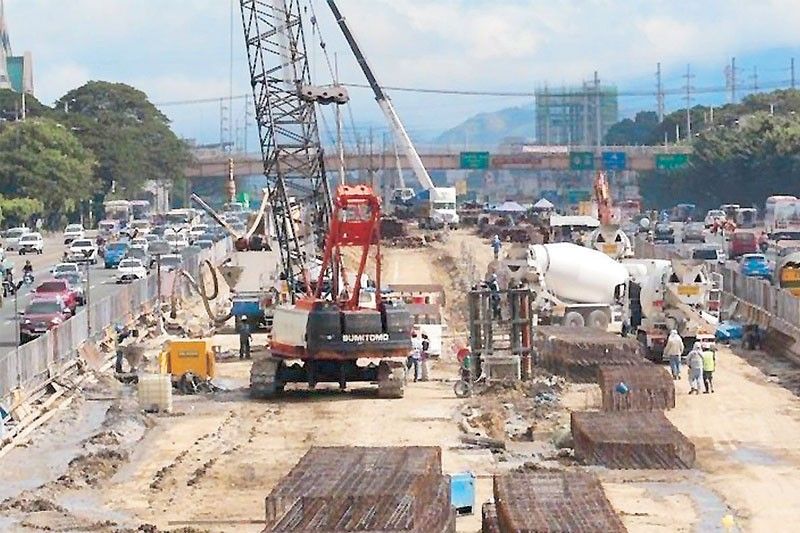
- Government documents show key rail projects such as the Metro Manila Subway and North-South Commuter Railway still have funding support in the broader budget framework.
- Philstar reported proposed cuts to the Public Transport Modernization Program, Cebu Bus Rapid Transit and Active Transport Program.
Most transport projects left outside the spending plan
MANILA — The Philippine government’s proposed 2027 budget has left the Department of Transportation with a far narrower pool of direct funding than it sought, with the agency saying most of its planned projects for next year were not included in the National Expenditure Program. The disclosure matters because the NEP is the administration’s opening budget proposal to Congress, and it often determines which projects get momentum, delay or re-scoping before final passage.
The Inquirer reported on Thursday that the transportation department said most of its proposed projects for 2027 were not allotted money in the NEP. Philstar’s coverage of the wider budget cycle also shows that the government has already been under pressure to reduce infrastructure spending next year, after a corruption scandal and a sharper review of public works prompted a broad cut to the infrastructure program. Together, those reports point to a budget environment in which not every project can be carried into 2027 at the pace earlier promised. ([newsinfo.inquirer.net](https://newsinfo.inquirer.net/2298247/dotr-most-of-2027-projects-not-funded-by-nep?utm_source=openai))
Rail, bus and active-transport schemes face the tightest squeeze
The projects most exposed to the squeeze are not minor ones. In earlier budget materials and government briefings, the transport portfolio has centered on major rail lines, airport works, commuter systems and mass-transit upgrades that are intended to improve mobility in and around Metro Manila and other growth corridors. The Department of Finance’s records and budget documents show that key rail and transport schemes have relied on a mix of regular appropriations and foreign-assisted financing, including the Metro Manila Subway Project Phase 1 and the North-South Commuter Railway system. Those projects have remained in the government’s broader infrastructure pipeline, but the new budget disclosures suggest that many of the department’s other proposals did not clear the threshold for 2027 funding. ([dof.gov.ph](https://www.dof.gov.ph/resources/financing-agreements/?utm_source=openai))
Philstar has separately reported that the administration’s 2027 spending plan also reduced allocations for the Public Transport Modernization Program, the Cebu Bus Rapid Transit project and the Active Transport Program, while commuter groups warned that projects such as the EDSA busway could lose support. That broader pattern is important: it shows that the funding pressure is not limited to rail megaprojects, but extends to everyday transport systems that affect riders immediately and at scale. ([philstar.com](https://www.philstar.com/headlines/2026/08/19/2550296/palace-singson-clarify-cssp-claims/amp/?utm_source=openai))
Why the budget is tightening now
The cutbacks come after months of scrutiny over infrastructure spending in the Philippines. Reuters reported that President Ferdinand Marcos Jr. sought a 7.2-trillion-peso 2027 budget and linked the new spending plan to an effort to regain momentum after a slowdown and a corruption scandal that had slowed infrastructure outlays. Philstar likewise reported that the government sharply cut infrastructure spending to P1.34 trillion for 2027, down 20.7 percent from the earlier program, after tighter review of public works. In practical terms, that means transport agencies are competing with a more cautious fiscal stance and with stronger demands for proof that projects are ready, legitimate and necessary. ([investing.com](https://www.investing.com/news/economic-indicators/philippines-marcos-proposes-118-billion-budget-for-2027-4850809?utm_source=openai))
That context also helps explain why some flagship transport projects still received support while many others did not. Government documents and earlier releases show the administration still channeled funding toward high-priority rail works, including loan-backed projects such as the subway and commuter railway, and the budget office earlier ordered the release of P44.17 billion to accelerate those two projects. The policy signal is clear: the state wants to keep the biggest, externally financed corridors moving, while trimming or deferring less advanced or less essential proposals. ([dbm.gov.ph](https://www.dbm.gov.ph/index.php/management-2/3957-pbbm-orders-p44-17-billion-release-for-subway-nscr?utm_source=openai))
What it means for commuters and contractors
For commuters, the immediate implication is uncertainty. Transport projects often move slowly even when fully funded, and any omission from the annual budget can delay design work, procurement, right-of-way acquisition or phased implementation. In a system as congested as Metro Manila’s, even a one-year delay can push back the delivery of capacity that millions of riders were expecting. For contractors and suppliers, the absence of line-item funding raises the risk that tenders will be postponed or that project scopes will be revised before bidding can begin.
There is also a political dimension. The infrastructure spending debate in the Philippines has become increasingly tied to questions of accountability after revelations of waste, favoritism and uneven project selection. That makes transport budgeting a policy test as much as a planning exercise. Supporters of the cuts are likely to argue that the government is cleaning up procurement and focusing on executable projects. Critics will say the reductions slow down badly needed mobility reforms and leave too many long-promised systems stuck in limbo. Both views are plausible, but the immediate fact is that the 2027 proposal appears to favor caution over breadth. ([philstar.com](https://www.philstar.com/business/2026/08/13/2548853/government-slashes-infrastructure-spending-p134-trillion?utm_source=openai))
The bigger picture for the Philippines' infrastructure agenda
The Philippines has spent years building a reputation for ambitious transport plans, especially around rail expansion in and around the capital. But the latest budget round suggests that the gap between announcement and execution remains large. Even where flagship projects continue to receive financing, the overall program is under pressure to shrink, prioritize and delay. That creates a two-speed infrastructure agenda: a protected core of strategic rail and loan-backed works, and a much larger outer ring of projects that may not get money soon enough to stay on schedule.
In the short term, the government can still argue that it is protecting its most important links and avoiding waste. In the longer term, though, the test will be whether the pared-back budget leads to faster completion of the projects that do survive, or merely to a backlog of unfunded transport promises. For a country where congestion is a persistent economic drag, the answer will matter well beyond Manila. ([investing.com](https://www.investing.com/news/economic-indicators/philippines-marcos-proposes-118-billion-budget-for-2027-4850809?utm_source=openai))
Sources
Reuters via Investing.com on the 2027 budget proposal and economic context.
Philstar on the 2027 infrastructure spending cut and transport-related budget reductions.
Inquirer on the Department of Transportation’s disclosure that most 2027 projects were not funded under the NEP.
Department of Finance, Department of Budget and Management and PCO materials on transport project financing and budget priorities.
Sources: