Key facts
- African health ministers endorsed the Africa Health Workforce Agenda 2026–2035 in Addis Ababa.
- WHO says Africa could face a shortage of more than 6 million health workers by 2035 without decisive action.
- WHO said the DRC’s Ebola outbreak had surpassed 5,200 cases 100 days after declaration.
- The outbreak is caused by Bundibugyo virus, according to WHO outbreak notices.
- DRC is set to receive 70,000 doses of the Ervebo vaccine through the UN vaccine coordination mechanism.
- WHO and Africa CDC have called for stronger community-led response, surveillance and contact tracing.
Africa health leaders move to shore up a strained workforce
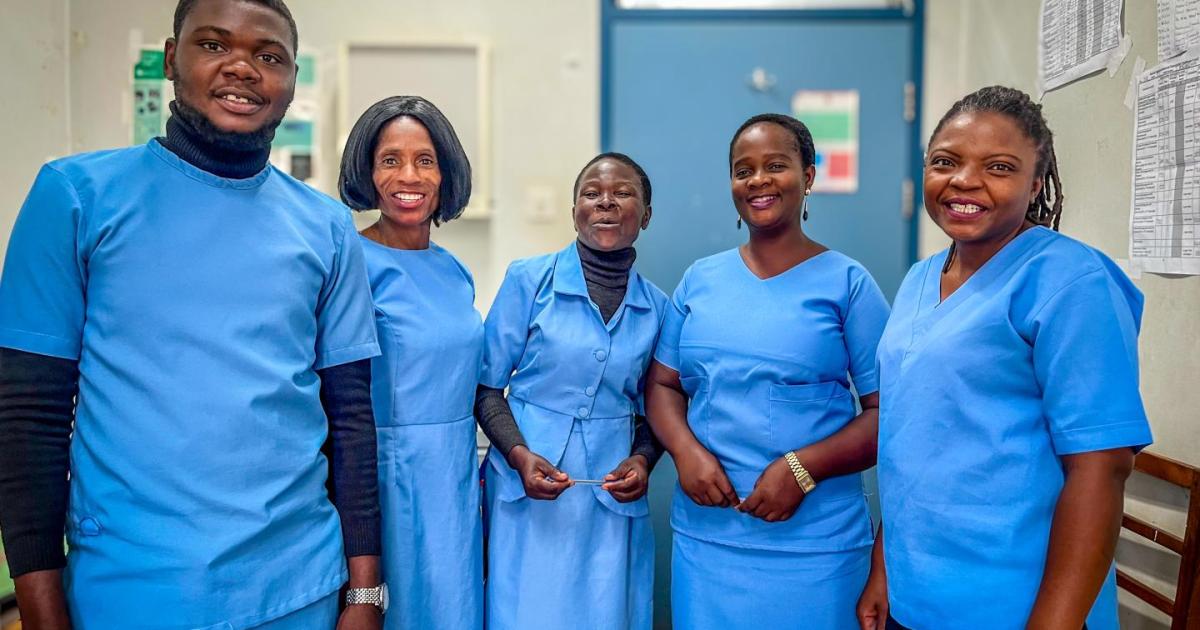
African health ministers meeting in Addis Ababa have endorsed the Africa Health Workforce Agenda 2026–2035, a plan aimed at training, hiring and retaining 3 million additional health workers by 2035. WHO says the region’s workforce reached about 5.72 million in 2024, but without urgent action Africa could still face a shortage of more than 6 million health workers by 2035. The agenda was presented during the 76th session of the WHO Regional Committee for Africa, which brought together ministers and senior officials from the continent’s 47 member states.
The timing is significant. Public health leaders are trying to prepare health systems not only for routine service gaps, but also for emergencies that can overwhelm fragile facilities, drain staff and disrupt supply chains. WHO’s Africa office says the plan is intended to improve planning, education, employment and retention across the region, with a focus on making health services more available where people need them most.
Ebola outbreak in DRC reaches a critical stage
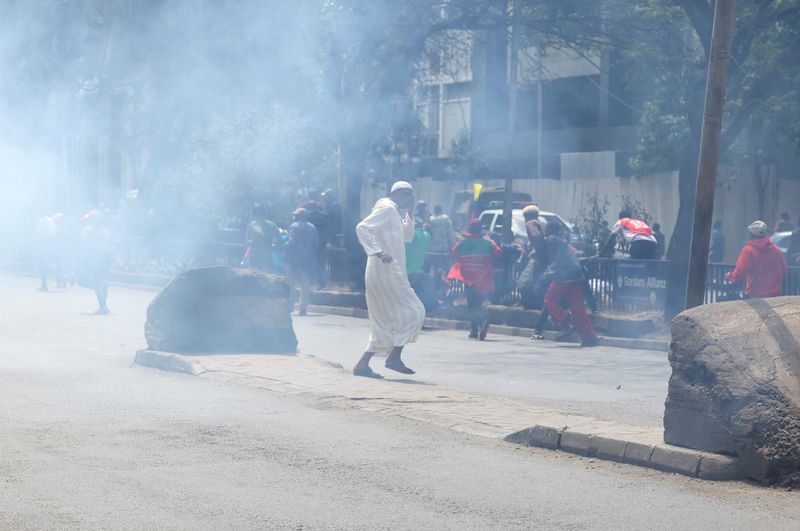
In the Democratic Republic of the Congo, officials and UN agencies say the current Ebola outbreak remains in an intense phase of transmission. WHO said on 24 August that more than 5,200 cases had been recorded 100 days after the outbreak was declared, making it the country’s fastest-growing Ebola outbreak. In its outbreak updates, WHO described the response priorities as reaching affected areas, protecting frontline workers and turning commitments into action.
WHO’s disease outbreak notices said the outbreak is caused by the Bundibugyo virus, a form of Ebola that has been spreading rapidly in eastern DRC. WHO and Africa CDC have warned that the response must be accelerated inside the country and across borders, because movement between communities and neighbouring states raises the risk of wider spread.
Vaccine shipments and emergency logistics are ramping up
A major boost came with the allocation of 70,000 doses of the Ervebo Ebola vaccine to DRC through the UN’s International Coordinating Group. The vaccine has previously been used against other Ebola strains, and WHO says early laboratory and animal data suggest it may offer some protection against Bundibugyo virus, although that is not yet certain. AP reported separately that the outbreak’s pace has alarmed responders, and that the vaccine shipment is viewed as an important step even with that uncertainty.
WHO and partners have also urged more support for surveillance, contact tracing, case management and community engagement. Their public statements indicate that the response is increasingly dependent on rapid local detection and trust-building with communities, rather than only on hospital-based intervention.
Why the workforce agenda matters to the outbreak response
The workforce plan and the Ebola response are linked. WHO’s regional review says Africa’s health systems will struggle to meet growing needs unless countries expand the number of trained workers and keep them in the system. That matters in outbreaks such as the one in DRC, where response teams need epidemiologists, nurses, laboratory staff, logisticians and community health workers at the same time.
In practical terms, a stronger workforce can improve earlier detection, safer patient care, better vaccination delivery and more consistent follow-up of contacts. In weaker systems, those tasks often compete with each other, and the burden falls on a small number of overstretched staff. The new agenda is designed to reduce that pressure over time, but the Ebola crisis is showing why the issue is urgent now.
A regional warning with continental consequences
For Kenya and the wider region, the developments carry two messages. First, outbreaks in one country can quickly become a cross-border concern when surveillance and response capacity are thin. Second, the continent’s broader health workforce shortage remains a strategic vulnerability, especially as governments try to manage epidemics, routine care, maternal health, childhood illness and conflict-related needs at the same time.
WHO says the current Ebola outbreak in DRC is being tackled with support from Africa CDC and other partners, but the scale of the challenge means donor funding, logistics and local cooperation remain decisive. The Addis Ababa workforce commitments and the DRC outbreak response now appear to be part of the same story: Africa is trying to build the health systems it needs while confronting one of the region’s most serious emergencies.
Bottom line
The new workforce agenda is a long-term structural fix; the Ebola outbreak in DRC is the immediate test. Together, they highlight how much Africa’s health security depends on trained personnel, rapid response systems and sustained financing — not only during crises, but long before them.
Sources: