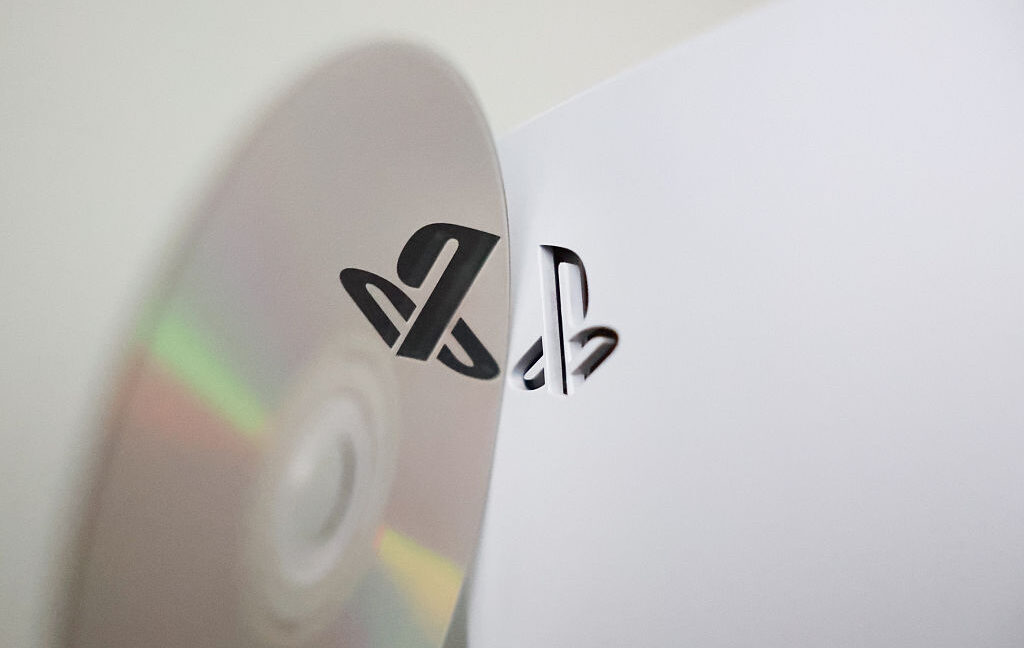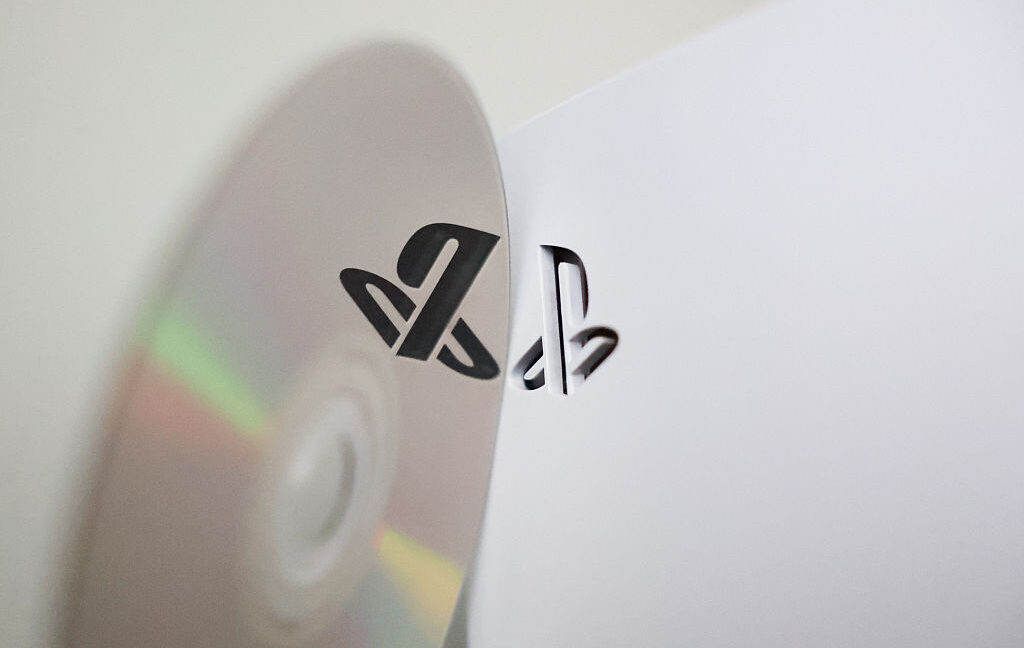
Sony’s own terms say PlayStation content is licensed on a revocable basis, not sold as property, as the company moves further away from physical discs and faces a California antitrust case over digital game pricing.
What you need to know
Sony’s own terms say PlayStation content is licensed on a revocable basis, not sold as property, as the company moves further away from physical discs and faces a California antitrust case over digital game pricing.
Table of contents [Show]
Key facts
- Sony says PlayStation content is licensed, and terms like “own” or “purchase” do not transfer ownership. ([playstation.com](https://www.playstation.com/en-us/legal/terms-of-service/))
- Sony said new PlayStation games will be sold in digital formats only from January 2028. ([arstechnica.com](https://arstechnica.com/gaming/2026/07/sony-will-stop-making-physical-copies-of-playstation-games-in-2028/))
- Sony’s latest fiscal-year figures cited by Ars Technica show digital downloads accounted for 78% of full-game unit purchases. ([arstechnica.com](https://arstechnica.com/gaming/2026/07/sony-will-stop-making-physical-copies-of-playstation-games-in-2028/))
- A California class action alleges Sony monopolized the PlayStation digital game market; Sony denies the claims. ([psndigitalgamessettlement.com](https://psndigitalgamessettlement.com/home/))
- The settlement site says SIE will pay $7.85 million if the deal is approved and final. ([psndigitalgamessettlement.com](https://psndigitalgamessettlement.com/home/))
A familiar slogan collides with a changing business model
Sony’s PlayStation business is entering a moment that many players have been warning about for years: the line between buying a game and merely being allowed to access it is getting thinner. The company’s recent decision to stop making physical PlayStation game discs in 2028 has reignited a broader argument about ownership, preservation and consumer rights. That shift matters because Sony says digital sales already dominate its business, with digital downloads accounting for 78% of full-game unit purchases in its latest fiscal year. ([arstechnica.com](https://arstechnica.com/gaming/2026/07/sony-will-stop-making-physical-copies-of-playstation-games-in-2028/))
The latest debate grew sharper after reporting on Sony’s position in court and in its user terms. A TechRadar report, citing Sony’s own legal language and the company’s public messaging, described the reaction from gamers and industry figures who worry about a future where access can be revoked or storefronts can disappear. Ars Technica also reported that Sony’s disc phase-out announcement prompted fresh criticism from players concerned that they do not truly own the games they buy. ([arstechnica.com](https://arstechnica.com/gaming/2026/07/sony-acknowledges-backlash-will-cautiously-move-forward-with-end-of-discs/))
What Sony’s own terms actually say
Sony’s current U.S. Terms of Service are unusually direct about the issue. The company says that words such as “own,” “purchase,” “sale” and “buy” do not imply any transfer of ownership of PlayStation content, data or software. In the same document, Sony says PlayStation content is licensed on a non-exclusive and revocable basis for personal, private, non-transferable and non-commercial use. Its Software EULA also states that virtual content is licensed, not owned, and can be terminated in certain circumstances. ([playstation.com](https://www.playstation.com/en-us/legal/terms-of-service/))
That language is not new, but it now carries greater weight because so much of the PlayStation ecosystem is digital-first. If a player downloads a game, the practical experience may feel like ownership: the title appears in a library, the purchase is tied to an account and the game can be launched repeatedly. Legally, however, Sony’s terms make clear that the underlying rights remain with Sony or its licensors, not the customer. That distinction is the core of the dispute now attracting attention. ([playstation.com](https://www.playstation.com/en-us/legal/terms-of-service/))
Why the physical-disc change matters
Sony’s move away from discs is not just a manufacturing decision. It signals a business model that assumes digital distribution will remain the default and, eventually, the only mainstream route for new PlayStation games. Ars Technica reported that Sony said new games will be available in digital formats only from January 2028, and that no companies other than Sony’s disc subsidiary make PlayStation discs. In other words, ending disc production means ending the main physical path to PlayStation game ownership as most consumers have traditionally understood it. ([arstechnica.com](https://arstechnica.com/gaming/2026/07/sony-will-stop-making-physical-copies-of-playstation-games-in-2028/))
That change also affects game preservation. Physical media can be stored, traded, resold and sometimes played long after storefront support ends. Digital access depends on platform accounts, licensing terms, patch servers and the continued availability of a game in an online store. Sony says it will continue to give players choices about where they buy games, but the company’s own strategy suggests those choices are narrowing as the market tilts further toward downloads. ([arstechnica.com](https://arstechnica.com/gaming/2026/07/sony-acknowledges-backlash-will-cautiously-move-forward-with-end-of-discs/))
The antitrust case adds another layer
Sony’s ownership debate is also unfolding against the backdrop of a California class-action antitrust case over digital PlayStation game pricing. The settlement website for Caccuri v. Sony Interactive Entertainment LLC says plaintiffs allege Sony used anticompetitive conduct to monopolize the PlayStation digital game market, causing consumers to pay more for some digital titles than they otherwise would have paid. Sony denies those allegations, and the court has not decided whether the company violated any laws. ([psndigitalgamessettlement.com](https://psndigitalgamessettlement.com/home/))
The same settlement notice says Sony will pay $7.85 million to resolve the claims if the deal is approved and becomes final. That figure does not prove wrongdoing; it reflects a negotiated resolution of disputed allegations. But it does show that Sony’s digital marketplace is under pressure not only from cultural criticism about ownership, but also from legal scrutiny about pricing power and market structure. ([psndigitalgamessettlement.com](https://psndigitalgamessettlement.com/home/))
What this means for players
For ordinary players, the practical question is not philosophical; it is personal. If a game is bought digitally, can it be replayed years later? What happens if an account is suspended, a license changes, or a storefront closes? Sony’s terms indicate that access is conditional, and its business direction suggests those conditions will matter more over time. That is why the latest controversy resonates beyond PlayStation fans. It touches anyone who has shifted from shelves full of discs to a library full of account-linked downloads. ([playstation.com](https://www.playstation.com/en-us/legal/terms-of-service/))
There is still a distinction to be made between legal ownership and consumer expectations. Many players use “buy” as shorthand for “I can keep and use this indefinitely.” Sony’s paperwork says otherwise. The company is not alone in that practice; digital media across industries often comes with license language rather than true title transfer. But because gaming depends so heavily on accounts, servers and platform control, the gap between what consumers think they bought and what they actually received can feel especially stark. ([playstation.com](https://www.playstation.com/en-us/legal/terms-of-service/))
Sony’s court posture and legal language may satisfy the company’s lawyers, but they are unlikely to settle the wider argument. As the industry becomes more digital, consumers are likely to keep asking the same question in different forms: if a platform can remove access, expire a license or end a storefront, how much ownership did the buyer ever really have? Sony’s own terms suggest the answer is: less than many people assume. ([playstation.com](https://www.playstation.com/en-us/legal/terms-of-service/))
Bottom line
Sony’s move away from discs and its explicit license terms make one thing clear: on PlayStation, digital purchases are access rights, not property in the traditional sense. The company’s latest legal and business moves have simply made that reality harder for players to ignore. ([playstation.com](https://www.playstation.com/en-us/legal/terms-of-service/))
Sources: