Key facts
- KenGen says it has recalibrated its long-term renewable energy pipeline to 5,500 MW from 1,500 MW.
- The AP report says the broader plan includes about 2,000 MW of nuclear, 700 MW of hydropower and new geothermal projects.
- Kenya already generates about 93% of its electricity from renewable sources, according to the AP lead.
- Kenya’s energy regulator said electricity demand rose 8.25% and peak demand reached 2,439.06 MW in December 2025.
- Kenya’s parliament has pushed for a policy to renegotiate major power purchase agreements to help lower electricity costs.
- Analysts say grid losses, taxes, financing costs and contract structures can keep power expensive even when generation expands.
Kenya resets the scale of its power ambitions
Kenya has reset its long-term electricity expansion plan around a much larger target: 5,500 megawatts of renewable and low-carbon capacity, up from about 1,500 megawatts in the company’s earlier strategy. The new pipeline, outlined by state-owned generator KenGen, is designed to respond to rising demand and to support the government’s wider industrialization agenda. KenGen said in late June that it had recalibrated its growth trajectory and widened its development pipeline after changes in the operating environment and new investment opportunities.
Geothermal remains the backbone, with nuclear added to the mix
The largest share of Kenya’s current and planned clean-power system is still expected to come from geothermal, a resource the country has spent decades developing in the Rift Valley. KenGen describes itself as Africa’s geothermal leader and says it is positioning that base-load resource to anchor national growth. The new plan also includes hydropower and nuclear, with the AP report indicating 700 megawatts of hydro and 2,000 megawatts of nuclear within the broader 5,500-megawatt goal. That mix reflects a strategy that aims not only to add capacity, but to diversify the grid with sources that can supply electricity more steadily than variable renewables alone.
Demand is rising faster than the system is comfortably absorbing
The case for expansion is being made against a backdrop of rising electricity consumption and a growing industrial economy. Kenya’s energy regulator said electricity demand rose by 8.25% in the latest reporting period, and peak demand reached 2,439.06 megawatts in December 2025, according to its biannual statistics report. KenGen’s own 2025 annual reporting also pointed to a 5% rise in national peak demand to 2,392 megawatts, underscoring the pressure on generation and grid infrastructure. In that context, more capacity looks less like an optional climate ambition and more like a basic economic requirement.
Why more generation may not equal cheaper power
The hardest part of Kenya’s energy debate is that building more plants does not automatically reduce bills. Analysts quoted in the AP story argue that the real cost of electricity is shaped by the full system, not just the price of generation. That includes debt and financing costs, transmission and distribution losses, taxes, foreign-exchange exposure and the structure of long-term power purchase agreements. In other words, a country can add cleaner megawatts and still leave consumers facing expensive electricity if the rest of the value chain remains inefficient or heavily burdened by legacy costs.
Parliament’s pressure on tariffs and contracts
Lawmakers have already moved to put electricity prices under the microscope. In July, Kenya’s National Assembly directed Energy Minister Opiyo Wandayi to develop a policy framework for renegotiating electricity supply agreements with major power producers, according to parliament reporting and local coverage. The aim is to give Kenya Power more room to lower consumer tariffs without undermining its finances or investor confidence. This push reflects a broader political reality in Kenya: the public and industry are deeply sensitive to power prices, and the government is under pressure to show that energy transition plans can deliver affordability, not just cleaner supply.
A costly grid and a limited subsidy cushion
Kenya’s electricity system faces structural costs that are difficult to erase quickly. The AP report says the country offers relatively limited direct subsidies compared with some peers, leaving customers to absorb a wide range of pass-through costs. Those include financing charges, network losses and currency movements. The same reporting said industrial electricity prices in Kenya remain well above those in several regional comparators, a gap that helps explain why energy affordability has become such a central political and economic issue. Kenya Power has argued in the past that tariffs reflect infrastructure costs, existing rate structures and unpaid bills, not just the amount of power generated.
Technical losses and illegal connections still matter
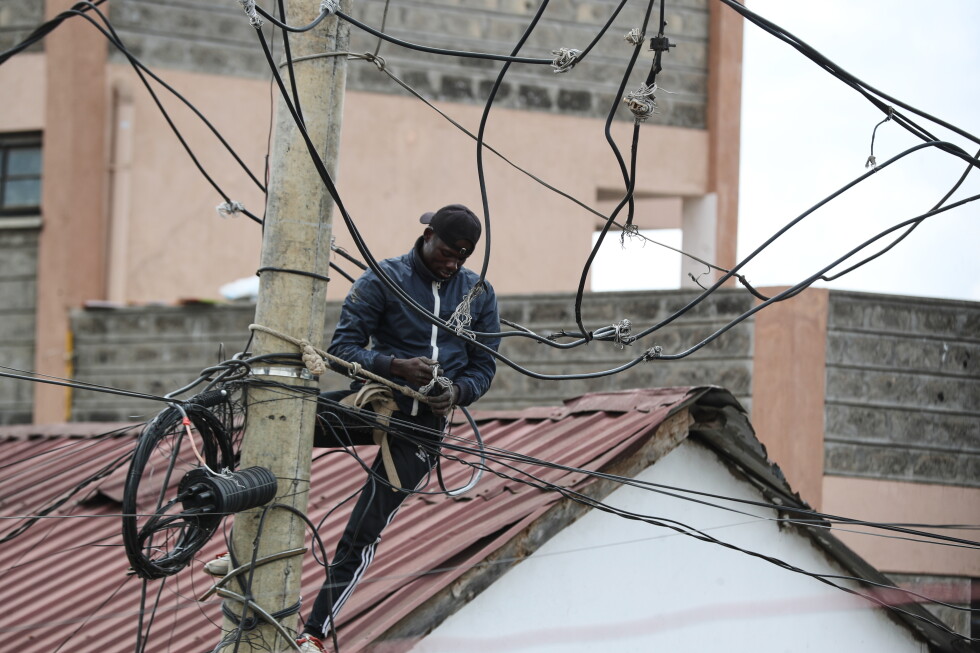
One recurring drag on the system is the amount of electricity lost before it reaches paying customers. The AP lead cites estimates that more than 20% of electricity is lost to technical failures and illegal connections, well above a commonly cited global average. Kenya’s own official documents also show that system losses remain a live issue, and the national debate over electricity costs repeatedly returns to the same question: how much money can be saved by fixing the wires, substations and billing chain rather than simply adding new plants? The answer is significant, because every percentage point recovered from the network can reduce the amount of power consumers have to finance.
Financing clean power is still expensive in Africa
Even where renewable energy is technically cheap to produce, financing can make it costly to build. Developers in Africa often borrow at higher interest rates than projects in wealthier markets because lenders perceive greater risk. That extra cost is then embedded in tariffs or state-backed contracts. Kenya’s challenge is therefore not just one of engineering or resource endowment; it is also a challenge of capital markets, regulation and credibility. If the country wants to expand geothermal, hydropower, solar and possible nuclear investment at scale, it will need to keep borrowing costs, contract terms and grid losses under tighter control than has often been the case.
What the new strategy says about Kenya’s energy future
Taken together, Kenya’s enlarged power target shows a country trying to do three things at once: supply more electricity, keep pace with industrial growth and preserve its reputation as one of the world’s most renewable-heavy power systems. That is an ambitious combination. KenGen’s recalibration suggests confidence that more projects can be financed and developed. But the policy debate around tariffs suggests a separate and equally important test: whether the benefits of cleaner supply can be translated into lower prices for ordinary consumers and more competitive costs for manufacturers. If Kenya succeeds, it could offer a rare model for fast-growing African economies seeking both decarbonization and development. If it fails, it may simply end up with a greener grid that still feels too expensive to many of the people and businesses meant to benefit from it.
Sources: