Key facts
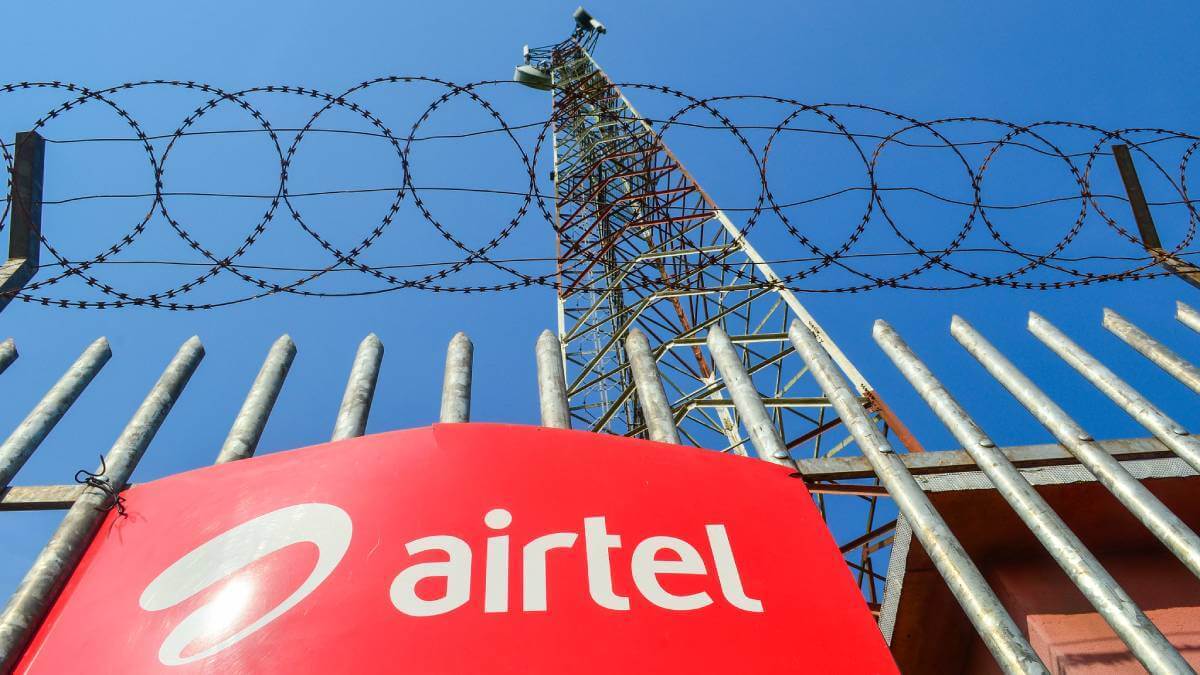
- Airtel Kenya has applied for a Network Facilities Provider Tier 1 licence and an International Gateway Systems and Services licence.
- The Communications Authority of Kenya says the current telecom market structure was established in April 2026 under a Unified Licensing Framework.
- Safaricom remains the dominant mobile operator in Kenya, with Airtel the main challenger and Telkom a much smaller player.
- The CA has opened a public objection or representation window for the licence applications.
- The article is corroborated by Techweez, The Kenya Times and Communications Authority of Kenya materials.
A bid for more control over core telecom infrastructure
Airtel Kenya has sought two regulatory approvals in Kenya: a Network Facilities Provider Tier 1 licence and an International Gateway Systems and Services licence. The applications were published in the Kenya Gazette, according to reporting by Techweez and The Kenya Times, and the regulator has opened a period for public objections or representations. These licences matter because they would give Airtel broader authority over the physical and international layers of its network, rather than relying as heavily on arrangements controlled through other operators or intermediaries. ([techweez.com](https://techweez.com/2026/08/31/airtel-kenya-nfp-tier-1-license/?utm_source=openai))
The CA’s licensing pages show that the country’s current telecommunications market structure was established in April 2026 and is based on a Unified Licensing Framework that includes both Network Facilities Provider Tier 1 and International Gateway Systems and Services categories. That framework is designed around technology and service neutrality, which means firms can seek licences aligned with the scope of the infrastructure and services they want to provide. In practical terms, Airtel’s filings suggest a push to participate more directly in the backbone of the market, not just in retail mobile services. ([ca.go.ke](https://www.ca.go.ke/index.php/market-structure?utm_source=openai))
Why the two licences matter
A Network Facilities Provider Tier 1 licence is generally associated with the provision of the core network infrastructure that supports communications services. The International Gateway Systems and Services licence, meanwhile, covers facilities used to connect Kenya’s telecom networks with international networks. In simple terms, that licence is relevant to the direct routing and management of cross-border voice, data and internet traffic. The Kenya Times said those approvals would strengthen Airtel’s ability to compete with established operators on infrastructure and international connectivity, while CA material confirms that such licences are part of the country’s formal licensing architecture. ([thekenyatimes.com](https://thekenyatimes.com/latest-kenya-times-news/airtel-seeks-two-new-licenses-in-kenya-as-ca-opens-public-objection-window/?utm_source=openai))
The strategic importance is easy to understand in a market where owning or controlling more of the underlying network can reduce dependence on third parties, improve operational flexibility and potentially lower long-term costs. However, the applications do not guarantee an immediate commercial advantage. Airtel still needs regulatory approval, and the public-notice process gives stakeholders an opportunity to object or raise concerns before a decision is made. That means the current development is best understood as a regulatory and strategic step, not a completed expansion. ([thekenyatimes.com](https://thekenyatimes.com/latest-kenya-times-news/airtel-seeks-two-new-licenses-in-kenya-as-ca-opens-public-objection-window/?utm_source=openai))
A market still shaped by Safaricom’s scale
The move comes against the backdrop of Safaricom’s continuing dominance in Kenya’s telecom market. Communications Authority statistics cited in recent company and regulator materials show Safaricom holding roughly two-thirds of mobile subscriptions, with Airtel far behind in second place and Telkom at only a small fraction of the market. In the CA’s first-quarter report for the 2024/2025 financial year, Safaricom had 65.7 percent of mobile subscriptions, Airtel had 29.6 percent and Telkom had 1.7 percent. A later CA annual report placed Safaricom at 65.4 percent and Airtel at 29.5 percent, underscoring that the competitive gap remains wide. ([ca.go.ke](https://ca.go.ke/index.php/increased-smartphone-adoption-and-mobile-money-drive-growth-telecoms-sector-report-shows?utm_source=openai))
That dominance also extends into related segments. The CA’s reports and coverage from Kenyan outlets show Safaricom maintaining leadership in fixed data as well, while Telkom has remained a much smaller player. The Star reported in January 2026 that Safaricom had more than 815,000 fixed data subscriptions, accounting for 35.6 percent of the market, while Jamii Telecommunications and Wananchi followed. The broader picture is of a telecom sector where Safaricom remains the anchor player, Airtel is the main challenger, and Telkom is no longer a close third in operational scale. ([beta.the-star.co.ke](https://beta.the-star.co.ke/news/infographics/2026-01-21-fixed-data-subscriptions-by-operator-in-kenya?utm_source=openai))
What Airtel may be trying to achieve
Airtel’s applications can be read as part of a broader attempt to strengthen its long-term position in Kenya. The company already has a substantial customer base, but the market remains highly skewed toward Safaricom, especially in mobile services. By seeking more direct control over network facilities and international gateway functions, Airtel may be trying to improve efficiency, deepen service resilience and reduce some of the structural disadvantages faced by a challenger operator in a market led by a much larger incumbent. That is an inference based on the licence categories and the market data, not a statement of Airtel’s stated intent. ([ca.go.ke](https://www.ca.go.ke/index.php/market-structure?utm_source=openai))
There is also a regulatory dimension. Kenya’s unified framework is intended to make the licensing regime more technology-neutral, which can encourage investment from operators that want to expand into more layers of the telecom stack. Airtel’s move fits that environment. At the same time, the presence of a public objection window shows that the regulator is still weighing industry and public interest considerations before granting permissions with potentially wide market effects. ([ca.go.ke](https://www.ca.go.ke/index.php/market-structure?utm_source=openai))
What happens next
The immediate next step is the regulatory review process. If the Communications Authority approves the applications, Airtel would gain a stronger basis for building or operating infrastructure that touches both domestic backbone capacity and international traffic routing. If objections are filed, the CA could take longer to evaluate the applications or attach conditions. Either way, the notice is significant because it signals that Airtel is trying to improve its strategic footing in a market where scale, infrastructure ownership and regulatory access all matter. ([thekenyatimes.com](https://thekenyatimes.com/latest-kenya-times-news/airtel-seeks-two-new-licenses-in-kenya-as-ca-opens-public-objection-window/?utm_source=openai))
For consumers, the longer-term question is whether broader infrastructure control by Airtel could translate into more competitive pricing, better service quality or faster innovation. That outcome is not guaranteed. But in a telecom market where Safaricom still holds the largest share by a wide margin and Telkom remains much smaller, any move by Airtel to secure more control over its network architecture is likely to be watched closely by rivals, regulators and users alike. ([ca.go.ke](https://ca.go.ke/index.php/increased-smartphone-adoption-and-mobile-money-drive-growth-telecoms-sector-report-shows?utm_source=openai))
Original reporting context
This article is based on a Techweez report published on August 31, 2026, and corroborated with regulatory material from the Communications Authority of Kenya, plus independent reporting from The Kenya Times and market-share data from CA publications and Kenyan media. The facts about the licence categories, the public notice process and the current market balance are supported by those sources. ([techweez.com](https://techweez.com/2026/08/31/airtel-kenya-nfp-tier-1-license/?utm_source=openai))
Sources: