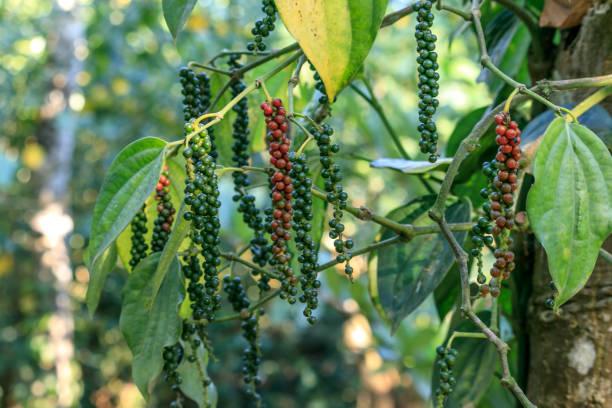
Black pepper, a spice found in nearly every kitchen, is celebrated not only for its sharp, pungent flavor but also for its remarkable health benefits. Derived from the dried, unripe fruit of the Piper nigrum vine, native to India’s Malabar Coast, black pepper has been a cornerstone of culinary and medicinal traditions for thousands of years. Its active compound, piperine, is the key to its health-promoting properties, offering benefits that range from improved digestion to potential disease prevention. As research continues to uncover its potential, black pepper is emerging as a powerhouse spice that deserves a place in daily diets.

One of the most significant benefits of black pepper is its antioxidant prowess. Piperine, the alkaloid responsible for the spice’s distinctive bite, helps combat free radicals—unstable molecules that can damage cells and contribute to chronic diseases like heart disease and cancer. “Piperine acts like a shield, neutralizing free radicals before they can harm the body,” explains Dr. Amina Patel, a nutritionist based in Nairobi. Studies in rodents have shown that piperine reduces oxidative stress, which could translate to human health benefits, though more research is needed to confirm these effects.
Beyond its antioxidant properties, black pepper enhances the body’s ability to absorb nutrients. Piperine significantly boosts the bioavailability of compounds like curcumin, found in turmeric, and beta-carotene, a precursor to vitamin A. For instance, combining black pepper with turmeric can increase curcumin absorption by up to 2,000%, making it a powerful duo for reducing inflammation. “I always recommend adding a pinch of black pepper to turmeric-based dishes or teas to maximize their benefits,” says Chef Sarah Mwangi, a culinary expert who incorporates functional foods into her recipes. This synergy makes black pepper a simple yet effective way to enhance the nutritional value of meals.
Digestive health is another area where black pepper shines. Piperine stimulates the release of hydrochloric acid in the stomach, aiding in the breakdown of proteins and improving overall digestion. It also has carminative properties, which help reduce bloating and gas. “Incorporating black pepper into meals can ease discomfort and promote smoother digestion,” notes Dr. Patel, who often advises patients with digestive issues to season their food with the spice. Preliminary studies suggest that black pepper may also foster a healthy gut microbiome by encouraging the growth of beneficial bacteria, further supporting digestive wellness.
Black pepper’s potential extends to heart health. Research indicates that piperine may help lower LDL (bad) cholesterol levels while increasing HDL (good) cholesterol, reducing the risk of atherosclerosis. “The heart-protective effects of black pepper are promising, especially when paired with a balanced diet,” says Dr. James Okoth, a cardiologist in Mombasa. Animal studies have also shown that piperine can stabilize blood sugar levels, which could benefit those managing diabetes, though human trials are needed to validate these findings.
The spice’s anti-inflammatory properties are another compelling reason to include it in daily meals. Chronic inflammation is linked to conditions like arthritis, diabetes, and heart disease, and piperine has shown promise in reducing inflammation in animal models. “I’ve seen patients with joint pain report less discomfort after regularly using black pepper in their cooking,” says Dr. Patel, though she cautions that it’s not a substitute for medical treatment. These anti-inflammatory effects may also extend to brain health, with early studies suggesting that piperine could reduce the formation of amyloid plaques associated with Alzheimer’s disease.
Black pepper’s versatility makes it easy to incorporate into everyday diets. From sprinkling it on salads and soups to blending it into smoothies or teas, the spice adds flavor without extra calories or sodium. “I love using freshly ground black pepper in my morning scrambled eggs—it adds a kick and boosts the meal’s health benefits,” shares Chef Mwangi. However, moderation is key, as excessive consumption can cause gastrointestinal irritation in some individuals. Pregnant women, in particular, should avoid high doses, as they may pose risks.

While most of black pepper’s benefits are derived from culinary use, piperine supplements are also available, though they should be approached with caution. “Always consult a healthcare provider before taking supplements, as piperine can interact with certain medications,” advises Dr. Okoth. For most people, adding a pinch of freshly ground black pepper to meals is a safe and effective way to reap its rewards.
As research continues to explore black pepper’s potential, its role as a health-boosting spice is undeniable. From enhancing nutrient absorption to supporting heart and brain health, this humble spice offers a wealth of benefits. By incorporating black pepper into daily cooking, individuals can elevate both the flavor and nutritional value of their meals, making it a simple yet powerful addition to a healthy lifestyle.