By Brenda Wereh24 Jun, 202528 mins read 2,315 views
0 comments 0 likes
A detailed exploration of U.S. President Donald Trump’s announcement of a ceasefire between Israel and Iran, following Iran’s missile strikes on a U.S. base in Qatar, and its implications for Middle East stability.
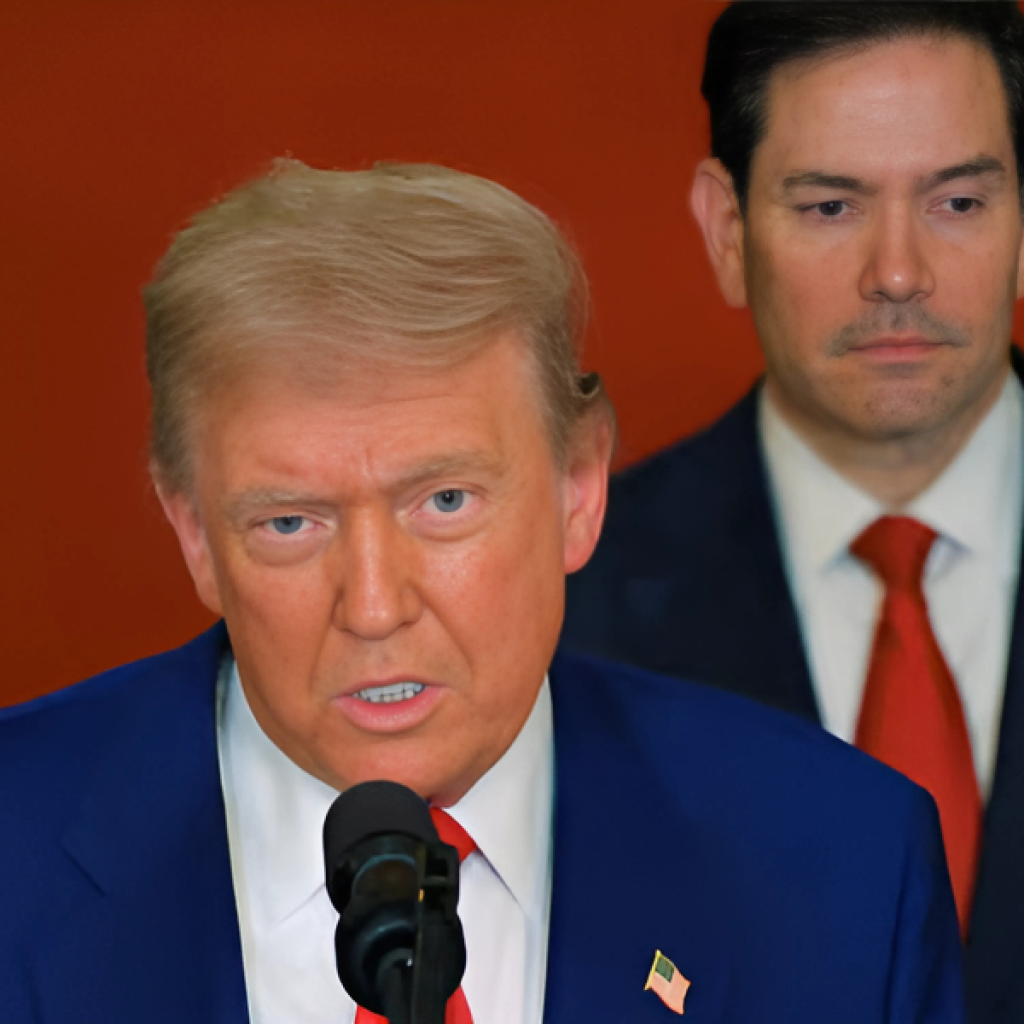
On June 23, 2025, U.S. President Donald Trump declared a ceasefire between Israel and Iran, a dramatic move aimed at halting a 12-day conflict that had pushed the Middle East to the brink of a broader war. The announcement, made via a post on Truth Social, came hours after Iran launched a missile attack on the Al Udeid Air Base in Qatar, the largest U.S. military installation in the region, in retaliation for U.S. strikes on Iranian nuclear facilities. “The ceasefire is now in effect. Please do not violate it!” Trump urged, signaling hope for de-escalation after intense exchanges that left at least four dead in Israel and nine in Iran. Brokered with Qatar’s mediation, the truce reflects a delicate balance of military pressure and diplomacy, though uncertainties linger over its durability and the region’s path forward.
Trump Announces Tentative Ceasefire Between Israel and Iran Amid Ongoing Tensions
The conflict erupted on June 13 when Israel launched airstrikes on Iranian nuclear and military targets, citing an imminent threat from Iran’s nuclear program. Iran responded with waves of ballistic missiles, causing widespread destruction in Israel, including a strike in Beersheba that killed four and injured 22. “We were in our safe room when the missile hit,” said Ortal Avilevich, a Beersheba resident. “It’s terrifying, but I hope this ceasefire holds.” Israel, in turn, intensified its operations, striking Tehran’s government targets and eliminating a senior Iranian nuclear scientist, Mohammadreza Sediqi, according to Iran’s Nournews. The U.S. entered the fray on June 21, bombing three Iranian nuclear sites, prompting Iran’s attack on Al Udeid, which Trump described as “very weak” after 13 of 14 missiles were intercepted.
The ceasefire’s announcement followed frenetic diplomatic efforts. Trump, communicating directly with Israeli Prime Minister Benjamin Netanyahu, enlisted Qatar’s Prime Minister Sheikh Mohammed bin Abdulrahman Al Thani to secure Iran’s agreement. “Qatar’s role was pivotal,” said a diplomat familiar with the talks. “They bridged the gap when trust was nonexistent.” Iran’s Foreign Minister Abbas Araghchi, while denying a formal agreement, signaled Tehran’s willingness to halt attacks if Israel ceased its operations by 4 a.m. Tehran time. Israel confirmed its acceptance, with Netanyahu’s office stating, “We achieved our objectives, including neutralizing Iran’s nuclear and ballistic missile threats. Any violation will meet a forceful response.”
The truce’s phased timeline—Iran halting attacks first, followed by Israel 12 hours later—aimed to wind down hostilities. Trump hailed it as the end of the “12 Day War,” telling NBC News, “I think the ceasefire is unlimited. It’s going to go forever.” His optimism contrasted with the region’s volatility, as both sides exchanged heavy fire until the deadline. In Tehran, explosions rocked the capital as Israeli jets targeted military sites, while Iran’s final missile salvo struck Beersheba. “The reality on the ground was tense,” said Al Jazeera’s Tohid Asadi in Tehran. “Even as Trump announced the ceasefire, air defenses were active.”
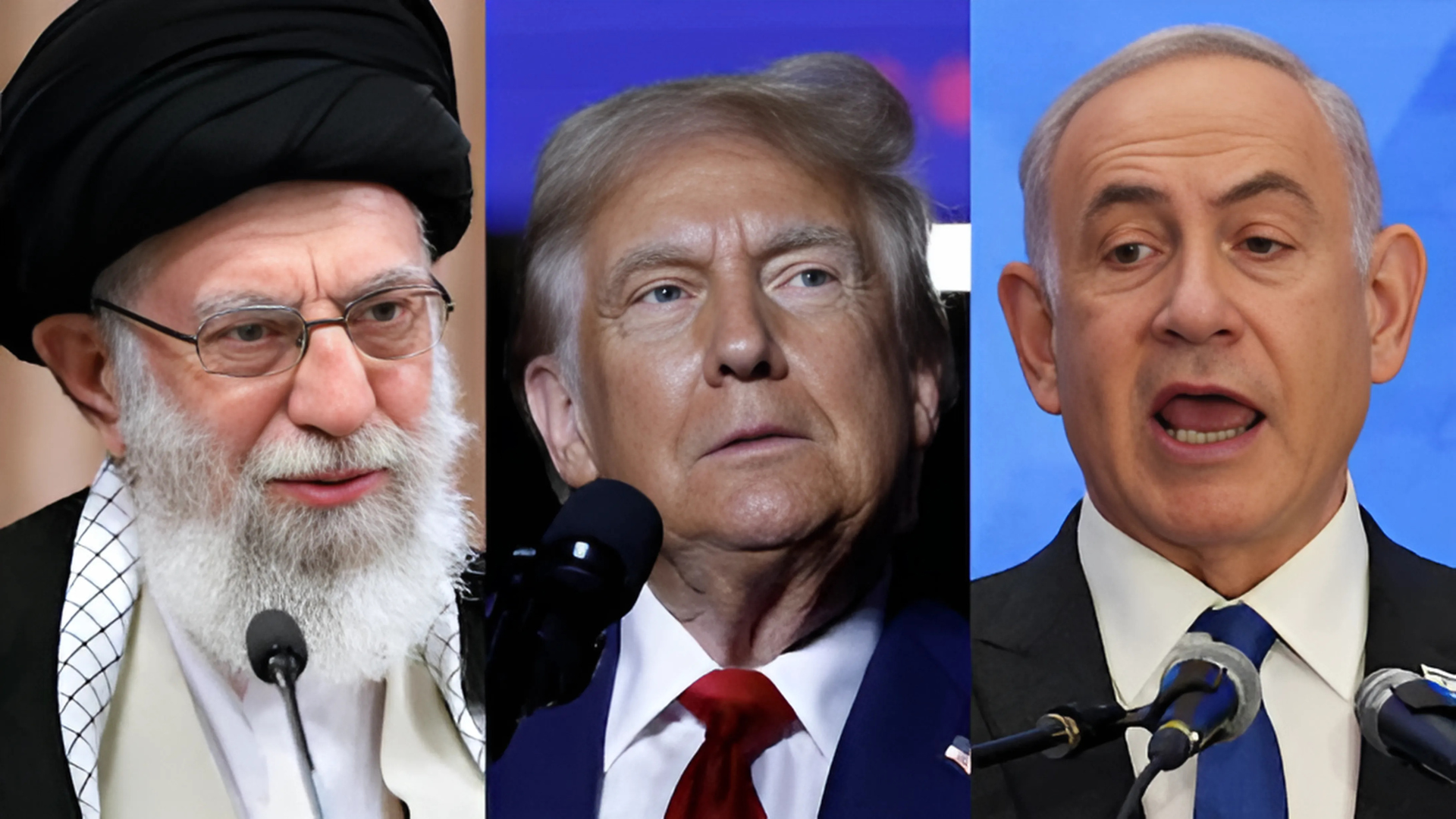
Cease fire to end conflict between Iran and Israel
The conflict’s toll underscored the urgency of the ceasefire. In Israel, at least 24 people died from Iranian strikes, with over 9,000 displaced. Iran reported 950 deaths, including civilians and military personnel, with northern Gilan province suffering nine fatalities from Israeli strikes. The U.S. base attack, though causing no casualties, heightened fears of a wider war, drawing condemnation from Egypt, Lebanon, and Oman. “This could have spiraled out of control,” said Middle East analyst Omar Rahman. “The ceasefire is a relief, but it’s fragile without clear terms.” Qatar, while condemning Iran’s strike as a “violation of sovereignty,” played a dual role as mediator, leveraging its experience in Gaza truce talks.
The ceasefire’s roots lie in a complex interplay of military and diplomatic maneuvers. Israel claimed it had “severely damaged” Iran’s military leadership and nuclear capabilities, including the Fordow enrichment site, though doubts persist about the extent of destruction. “We removed Iran’s existential threat,” Netanyahu said, thanking Trump and the U.S. for their support. Iran, facing weakened air defenses and diminished regional proxies like Hezbollah, calibrated its Al Udeid strike to avoid escalation, notifying Qatar in advance. “Iran wanted to save face without triggering all-out war,” said Liqaa Maki, a scholar at Al Jazeera Media Institute. Trump’s dismissal of the attack as “symbolic” paved the way for his olive branch.
Domestic and international reactions reflect the ceasefire’s mixed reception. In Israel, displaced residents like Yehezkiel Cheri expressed skepticism. “I don’t trust Iran,” he said. “But I’m grateful for Trump’s effort.” In Iran, state media claimed the ceasefire was “imposed” on Israel, framing it as a victory for the Islamic Revolutionary Guard Corps. Vice President JD Vance called the truce a “victory for both sides,” while Germany’s Friedrich Merz welcomed it as a “positive development” for global security. However, critics like Rep. Marjorie Taylor Greene questioned the U.S. strikes on Iran, calling them a “bait and switch” to appease military interests.
Economic markets responded positively, with U.S. stocks rising and oil prices dipping as fears of supply disruptions eased. “Investors see this as a limited response from Iran,” said a financial analyst in Doha. “The ceasefire reduces the risk of targeting oil infrastructure.” Yet, the absence of detailed terms raises concerns about enforcement. “What happens if there’s a violation?” asked Rahman. “There’s no mechanism outlined.” The ceasefire also sidesteps the broader issue of Iran’s nuclear program, with Tehran threatening to suspend International Atomic Energy Agency cooperation.
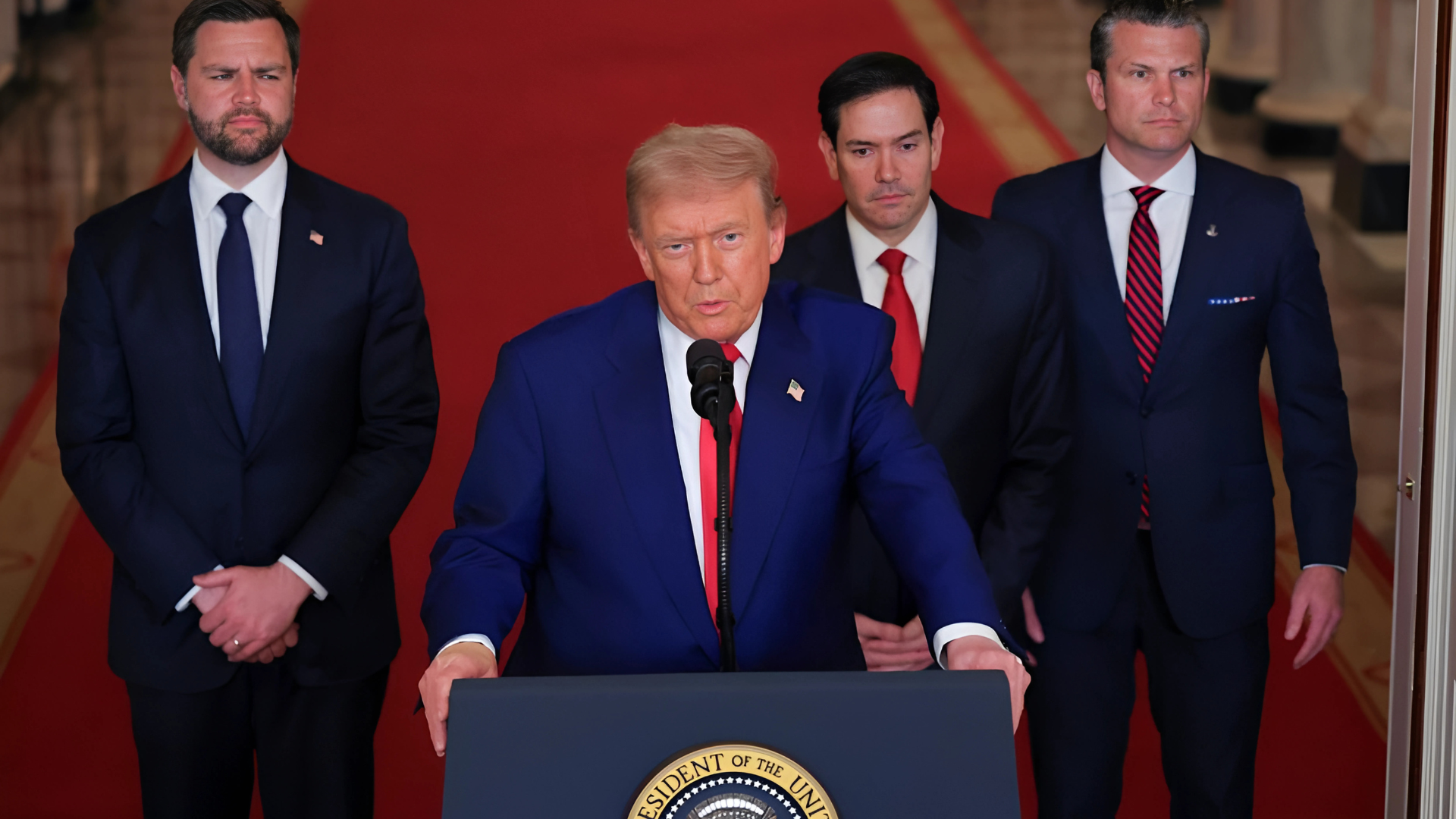
The ceasefire’s success hinges on trust, a scarce commodity in the region. Iran’s insistence that Israel initiated the war, coupled with Israel’s refusal to confirm the truce until after its final strikes, highlights mutual distrust. “This is a pause, not a resolution,” said Nur, a security analyst in Jerusalem. “Without negotiations, the root issues—nuclear ambitions, regional influence—remain.” Trump’s administration, including Vance, Secretary of State Marco Rubio, and envoy Steve Witkoff, plans to pursue diplomacy, but Iran’s Araghchi emphasized that talks require a halt to Israeli aggression.
The ceasefire’s announcement also carries domestic implications for Trump, who has positioned himself as a peacemaker. His earlier support for Israel’s June 13 strikes and U.S. involvement drew criticism from congressional Democrats like Senator Richard Blumenthal, who argued the strikes violated the War Powers Act. “Congress must reassert its authority,” Blumenthal said. Trump’s pivot to diplomacy, however, earned praise from allies like Pakistan, which recently nominated him for a Nobel Peace Prize for resolving an India-Pakistan conflict. “If Trump pulls this off, it’s a remarkable feat,” said analyst John Blevins.
For the Middle East, the ceasefire offers a chance to reset. The region, battered by conflicts in Gaza, Lebanon, and Yemen, cannot afford another prolonged war. “People will breathe a sigh of relief,” said UK’s Pat MacFadden. Yet, the path to lasting peace remains uncertain. Iran’s weakened proxies and damaged infrastructure may limit its immediate retaliation, but its long-term strategy is unclear. Israel, bolstered by U.S. support, faces pressure to address Palestinian issues and regional stability. “This ceasefire is a starting point,” said Maki. “But it needs follow-through.”
As the world watches, the ceasefire represents a fragile hope for de-escalation. Trump’s bold claim of a “forever” truce reflects his confidence, but the region’s history of broken agreements tempers optimism. “We want peace, but we’re prepared for anything,” said Avilevich in Beersheba. For now, the guns have fallen silent, but the Middle East’s future hangs in the balance, awaiting the next move from Jerusalem, Tehran, and Washington.
President Ruto and Governor Sakaja signed a cooperation agreement allocating funds for 50,000 new streetlights, water plants saving 50 million litres daily, 27 km Nairobi River sewer and ward road upgrades, with Ruto calling it a partnership to make the city livable while opposition senators warn of devolution threats.
Nairobi Governor Johnson Sakaja and the national government are set to sign a Cooperation Agreement at State House today at 3 PM, with Sakaja denying any surrender of key county functions while Senator Edwin Sifuna warns against unconstitutional transfers.
Nairobi Woman Representative Esther Passaris has sharply criticised ODM Secretary-General Edwin Sifuna, accusing him of arrogance, disregarding party leadership and weakening internal discipline, while revealing that Raila Odinga personally intervened multiple times to urge restraint.