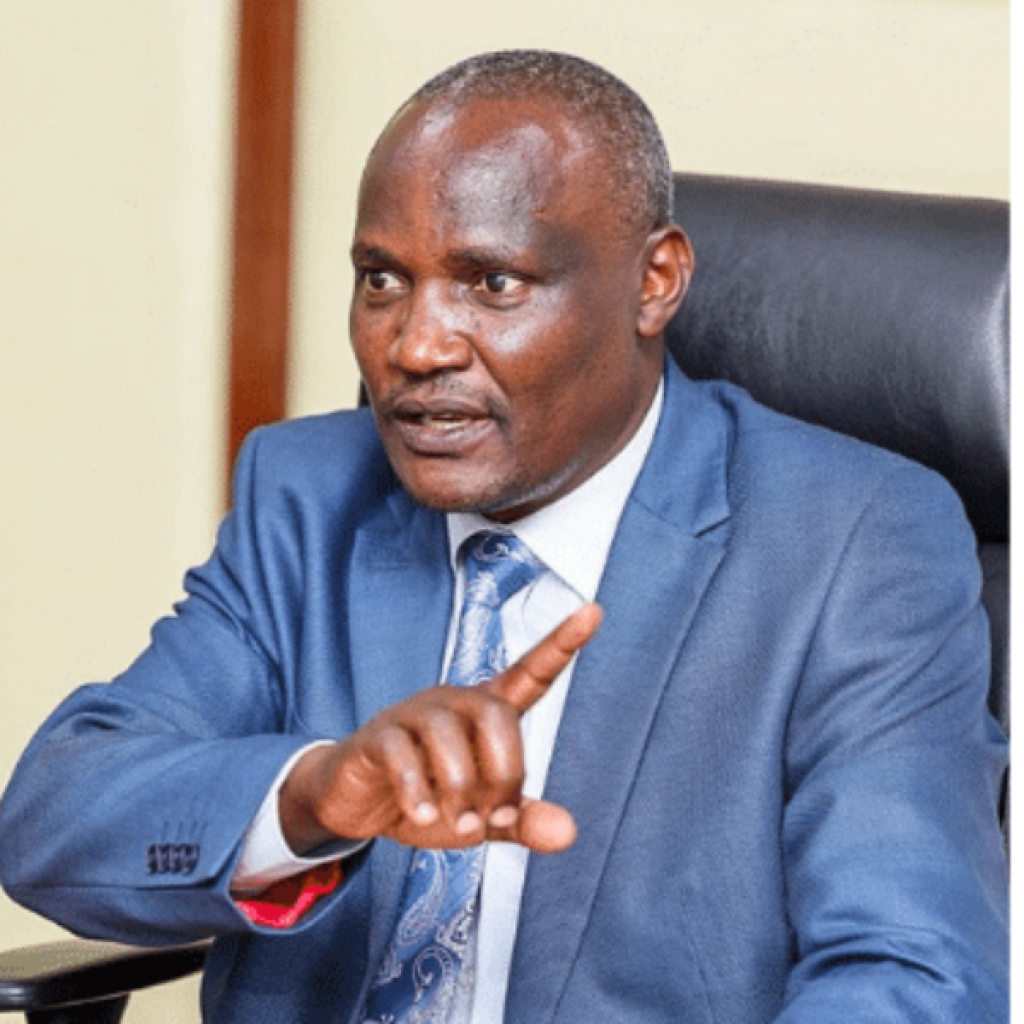
A wave of clarification swept through Kenya’s political and educational circles on Saturday, July 26, 2025, as Treasury Cabinet Secretary John Mbadi responded to widespread backlash over his recent remarks on the government’s free education program. Speaking at a community forum in Kisumu at 9:45 AM East Africa Time, Mbadi addressed concerns sparked by his earlier statement that fully funding free secondary education has become unsustainable due to fiscal constraints. The cabinet secretary sought to temper the public outcry, emphasizing that the government is actively exploring sustainable solutions to maintain educational access. “We are not abandoning free education; we are rethinking how to make it work within our means,” Mbadi said, his voice measured as he addressed a crowd gathered under a tent near Lake Victoria.
The controversy erupted earlier this week when Mbadi, during a parliamentary session on Thursday, highlighted the financial strain of meeting the Sh22,244 annual capitation per secondary student, a figure he noted the government has struggled to fulfill, disbursing only about Sh16,900 per learner. His comments, interpreted by many as a signal to scrap the program, triggered alarm among parents, educators, and opposition figures who accused the administration of reneging on a key promise. A teacher in Nakuru, sorting through student records, expressed initial dismay. “We thought this meant the end of free education for our children,” she said, her tone softening as she heard the latest update. Mbadi’s clarification on Saturday aimed to restore confidence, outlining a commitment to collaborate with stakeholders to find a balanced approach.
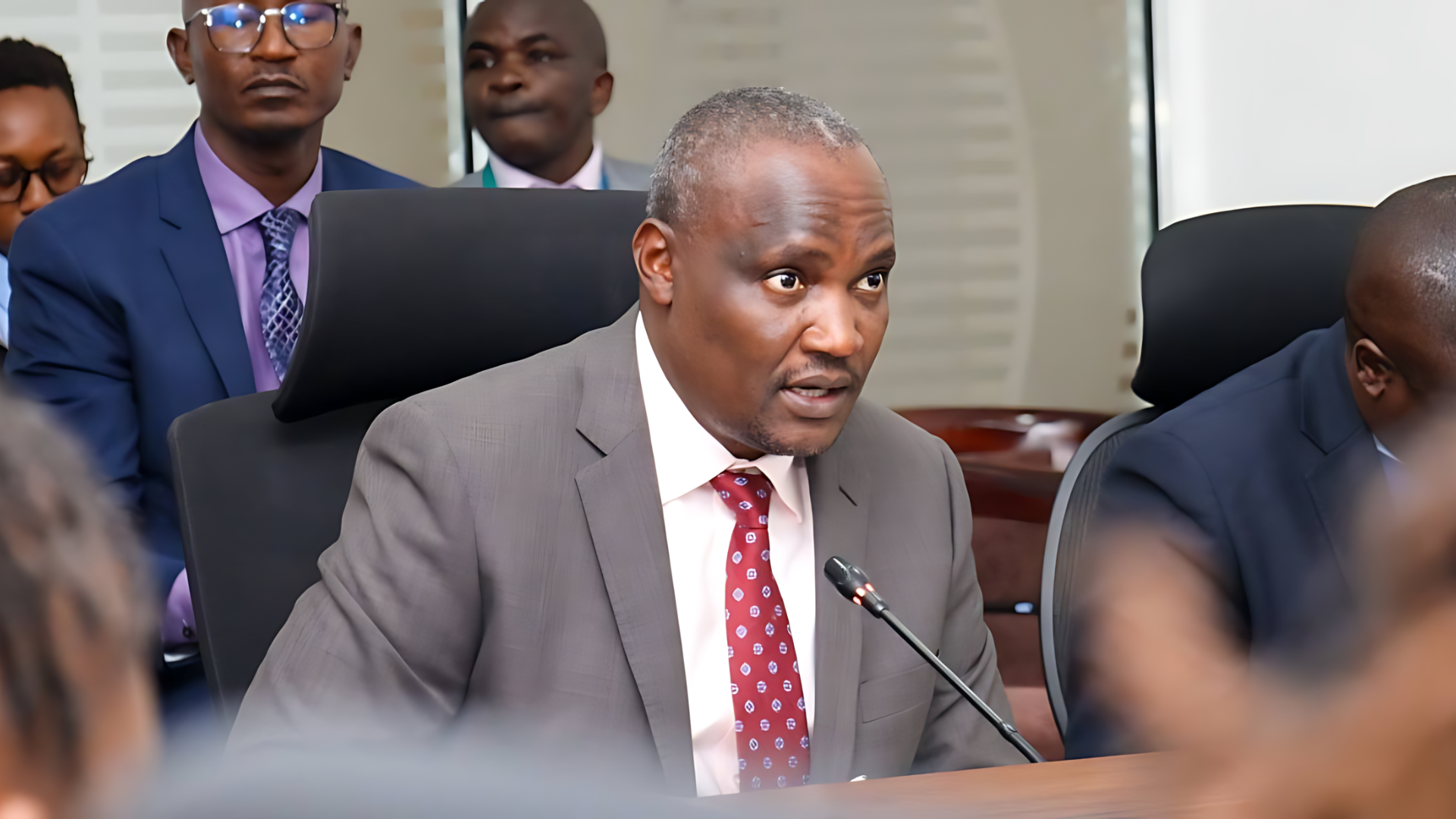
The unsustainability Mbadi referenced stems from Kenya’s growing fiscal challenges, including rising debt obligations and competing national priorities that have squeezed education funding. During the Kisumu forum, he elaborated on the economic pressures, noting that the Sh702.7 billion allocated to education in the 2025/26 budget falls short of the sector’s needs. “Our revenue is stretched thin; we must find a way to support education without collapsing the economy,” he explained, gesturing to a chart showing debt repayment figures. The cabinet secretary proposed exploring alternative funding models, including targeted subsidies and partnerships with development agencies, to bridge the gap. A vendor selling fish by the lake added, “If they can find a solution, it’ll help us keep our kids in school.”
Public reaction has been a mix of relief and skepticism since the initial remarks. In Eldoret, parents gathered at a market to discuss the issue, with one father saying, “We were ready to protest if they dropped it completely.” Mbadi’s latest statement suggests a shift from outright cuts to a phased adjustment, with plans to consult Parliament and the Ministry of Education on sustainable options. He hinted at a possible review of capitation rates, suggesting they might align more closely with available resources while ensuring no child is denied education. A student in Thika, checking news on his phone, noted, “It’s good they’re not giving up, but we need details on what ‘sustainable’ means.”
The free secondary education program, an extension of the free primary education initiative launched in 2003, has seen enrollment soar, with over 2.5 million students now in public secondary schools. However, the rapid growth has outpaced budget allocations, leading to delays in capitation disbursements and reliance on parental contributions to cover deficits. In Kisumu, a headteacher reported, “We’ve been waiting for funds since April; this uncertainty is hurting us.” Mbadi acknowledged these challenges, pledging to expedite consultations with education stakeholders to develop a framework that maintains access while addressing fiscal realities. A woman selling vegetables nearby remarked, “We need a plan that works for both the government and us.”
The cabinet secretary’s remarks have drawn varied responses from political figures. Opposition leaders have seized on the initial statement to criticize the government, with one lawmaker calling it a betrayal of electoral promises. Mbadi countered this during the forum, saying, “We inherited a tough economic situation; we’re not here to lie but to fix it.” His proposed solutions include leveraging public-private partnerships and reviewing the capitation structure to focus resources on the most vulnerable learners. A community leader in Naivasha, organizing a meeting, reflected, “If they target the needy, it could work, but everyone should benefit somehow.” The Ministry of Education, led by PS Julius Bitok, has echoed support for this approach, promising to align data systems to ensure accurate funding distribution.
Communities across Kenya have followed the developments closely, with discussions unfolding in homes and markets. In Marsabit, a herder tending cattle paused to hear a radio update, saying, “Education is our hope; they must keep it alive.” In Mombasa, a shopkeeper serving customers expressed caution. “We’ve heard talk before; let’s see action,” he said as the news played. The capitation shortfall has led to school closures in some areas, with a mother in Nakuru noting, “My daughter missed a week because we couldn’t pay.” Mbadi’s commitment to sustainable solutions has sparked cautious optimism, with plans to present a detailed proposal to Parliament by September.
The economic context, marked by a Sh900 billion budget deficit in the 2025/26 fiscal year, underscores the urgency of Mbadi’s task. Debt servicing consumes a significant portion of revenue, leaving limited room for social programs like education. During the forum, he outlined potential measures, including a review of examination fee waivers to target only needy students, a move that has already stirred debate. A driver in Garissa, fueling his matatu, added, “If they make us pay exams, it’ll be tough for many.” Mbadi emphasized that any changes would be gradual, allowing schools and families time to adjust, a point he reiterated as he fielded questions from the crowd.
Education stakeholders have welcomed the dialogue but demand transparency. In Eldoret, a representative from the Kenya National Union of Teachers addressed members, saying, “We support rethinking funding, but we need a clear plan.” The Treasury is collaborating with the Ministry to assess enrollment data and identify inefficiencies, such as ghost schools that have siphoned funds. A student in Nyahururu, scrolling through updates, said, “Fixing those leaks could free up money for real students.” Mbadi’s team plans to integrate the new Kenya Education Management Information System (KEMIS) to enhance accuracy, a step he described as critical to rebuilding trust.
As the morning progressed, the story rippled through Kenya’s diverse regions. In rural areas like Kitui, a farmer irrigating crops said, “This gives us hope if they follow through.” In urban centers like Kisii, a shopkeeper tuning into a broadcast added, “We need to know how this will affect our fees.” The cabinet secretary’s engagement with local leaders in Kisumu included a pledge to hold regional forums, ensuring community input shapes the solutions. A mother in Thika, preparing her children for school, expressed relief. “If they listen to us, it could work out.”
The proposed solutions also involve exploring international support, with Mbadi mentioning ongoing talks with development partners to supplement education funding. A lawyer in Kisumu, discussing the matter over tea, remarked, “Outside help could ease the burden, but it’s a temporary fix.” The Treasury aims to present a revised funding model by the end of the year, balancing fiscal responsibility with educational equity. A youth leader in Naivasha, organizing a rally, reflected, “We want a voice in this; education is our right.” The process will likely face scrutiny, with parents and educators eager for tangible outcomes.
The afternoon brought a reflective mood to classrooms and markets, with residents sharing hopes and concerns. In Nakuru, a teacher preparing lessons said, “A sustainable plan could stabilize our schools.” In Eldoret, a father waiting at a clinic added, “We just want our kids to learn without stress.” Mbadi’s remarks have shifted the narrative from crisis to possibility, with the government poised to lead a collaborative effort. A community organizer in Turkana, planning a radio discussion, noted, “This is a chance to get it right for our children.” The nation watches as the Treasury navigates this complex issue, with the future of free education hanging in the balance.
Legal experts suggest the government’s approach could set a precedent for managing social programs amid economic constraints. A community elder in Malava, leading a meeting, remarked, “They must protect the poor while fixing the budget.” The consultation process will involve public forums, with Mbadi urging patience as solutions take shape. A vendor in Gikomba market, packing up, added, “Let’s hope they deliver; our kids are counting on it.” The cabinet secretary’s willingness to engage has fostered a sense of cautious hope, with the education sector poised for a potential transformation.
As evening approached, discussions continued across Kenya’s landscapes. In Baringo, a herder listening to a radio update said, “Keep education free for us in the villages.” In Nairobi, a student at a cyber cafe scrolled through details, noting, “This could change how we fund schools if done right.” Mbadi’s call for sustainable solutions has opened a new chapter, with the government committing to a participatory process. A mother in Kisumu, feeding her family, expressed optimism. “If they work with us, it might just succeed.” The journey ahead promises challenges, but also an opportunity to redefine educational access in Kenya.