In a historic and contentious decision, the Isiolo County Assembly voted on June 26, 2025, to impeach Governor Abdi Ibrahim Guyo, with 16 out of 18 Members of the County Assembly (MCAs) supporting his removal. The motion, driven by allegations of abuse of office, gross misconduct, and financial mismanagement, marks a significant escalation in the political turmoil that has gripped the semi-arid county for weeks. The vote, held in a heavily guarded session at the county assembly chambers, followed intense public participation forums and legal battles, including a temporary court order that had briefly halted the process. The impeachment now moves to the Senate for further deliberation, where a two-thirds majority is required to finalize Guyo’s ouster, potentially making him the first governor in Isiolo’s history to be removed from office.
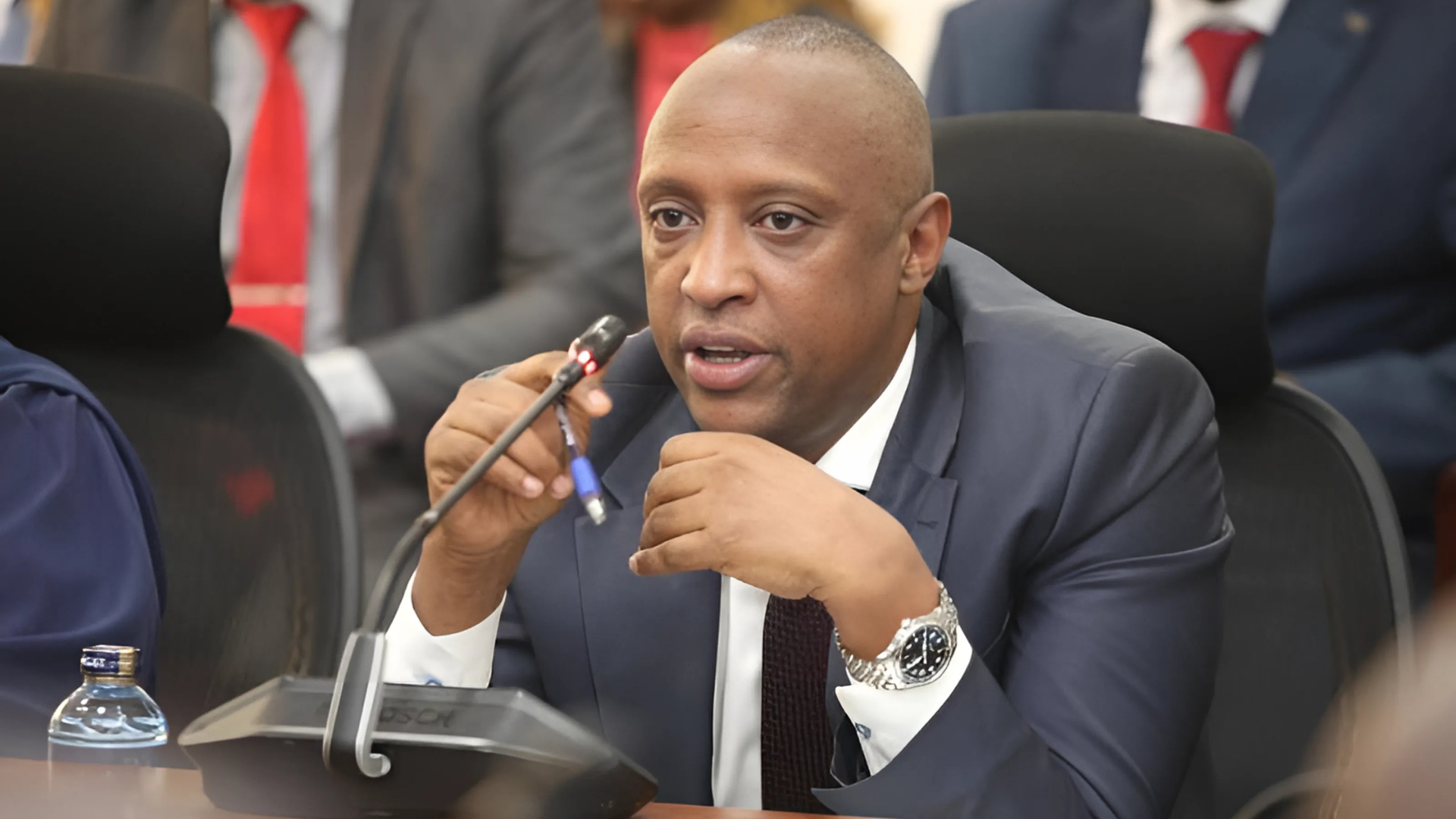
The impeachment motion, originally tabled on June 10 by Sericho MCA Abubakar Godana, accused Governor Guyo of violating constitutional principles of governance, including Articles 10 and 73, which emphasize transparency, accountability, and integrity. Specific charges included the appointment of 36 advisors and 31 chief officers, far exceeding legal limits set by the Salaries and Remuneration Commission, despite Isiolo’s status as one of Kenya’s least-funded counties. MCAs also pointed to stalled development projects, such as the county headquarters, markets, and Isiolo Stadium, as evidence of mismanagement. “The governor has treated this county like his personal fiefdom,” Godana declared during the debate. “From irregular appointments to neglecting critical infrastructure, he has failed the people of Isiolo.”
The road to impeachment was fraught with tension. Public participation forums, initially scheduled for June 18 across Isiolo’s 10 wards, were canceled after a High Court order on June 16, issued by Justice Heston Nyaga, temporarily barred the assembly from proceeding. The order followed a lawsuit by Guyo, who argued the process violated procedure. On June 20, Godana withdrew the initial motion and tabled a fresh one, setting new public participation dates for June 24. These forums saw robust engagement, with 38,841 residents reportedly voting in favor of impeachment compared to 11,397 against, according to unofficial tallies. “The people have spoken,” said Halima Adan, a community organizer in Bulapesa. “We cannot continue with a leader who ignores our needs.”
The process was not without controversy. Pro-Guyo factions, including some community elders and professionals, urged dialogue over impeachment, warning of potential ethnic tensions in Isiolo’s diverse population, which includes Somali, Borana, and Turkana communities. The Somali Council of Elders, led by Abdulkadir Shariff Abdullahi, called for mediation, emphasizing the need for stability. “Impeachment is legal, but it’s a tedious process that risks derailing development,” Abdullahi said during a press briefing. “We urge all parties to prioritize dialogue.” Despite these appeals, the assembly pressed forward, with MCAs citing public support as their mandate. “This is not about ethnicity; it’s about accountability,” said Kinna MCA Hassan Guyo, no relation to the governor.
Security concerns dominated the impeachment saga. MCAs pushing for Guyo’s removal faced alleged threats, prompting some to relocate to Nakuru and Machakos for safety. On June 18, chaos erupted at the assembly when supporters and opponents of the governor clashed, requiring police intervention. “We were forced to leave Isiolo to protect ourselves,” said an MCA who requested anonymity. “But we returned to do our duty.” The involvement of national security officers raised eyebrows, with some MCAs alleging state interference to shield Guyo. A prominent critic, businessman Mwenda Thuranira, accused the governor of using intimidation tactics. “His leadership is rooted in arrogance and impunity,” Thuranira posted on social media, rallying support for the impeachment.
Guyo, who rose to prominence as the first MCA elected governor in 2022, has faced scrutiny since taking office. Senate committees previously summoned him over procurement irregularities, employment practices, and stalled projects. Allegations of absenteeism, with claims he spent significant time in Nairobi rather than Isiolo, further fueled discontent. “The governor is barely seen in Isiolo,” said resident Amina Hussein. “We need a leader who is present and accountable.” Guyo dismissed the impeachment as “malicious drama” orchestrated by external forces, vowing to fight the charges. “These are good people, and they mean well for Isiolo,” he said at a recent rally, appealing for calm. “I’m ready to engage and resolve our differences.”
The resignation of County Assembly Speaker Mohamed Roba on June 18 added another layer of complexity. Roba, a key figure in the impeachment push, stepped down amid pressure from pro-Guyo forces, though he denied his exit was coerced. The reinstatement of County Assembly Clerk Salad Boru Guracha, who was sent on compulsory leave during the feud, further highlighted internal divisions. A Nyeri court ruled on June 19 that Boru’s suspension lacked due process, allowing him to resume duties. “The assembly must operate within the law,” Boru said, signaling his intent to oversee a transparent process.
Public sentiment, as expressed in forums and on platforms like X, was divided but leaned heavily toward supporting the impeachment. Posts described overwhelming public backing in wards like Bulapesa and Ngaremara, traditionally Guyo’s strongholds. “The people have withdrawn their mandate,” wrote one user, reflecting the mood after the June 24 forums. However, others criticized the MCAs for abandoning their wards during the crisis, with elders accusing them of dodging community pressure for dialogue. “The MCAs’ disappearance was calculated,” said Sheikh Ibrahim Mohamed Qabale of the National Muslim Leaders Forum. “They must face the people they serve.”
The impeachment’s financial allegations center on Isiolo’s limited budget, with the county receiving the third-lowest revenue allocation nationally. MCAs highlighted the Auditor General’s findings on mismanaged projects and unaccounted funds. The appointment of excessive advisors and chief officers, alongside two-year contracts creating job insecurity, was a focal point. “Hiring 36 advisors when we can only afford four is indefensible,” said Cherab MCA Abdullahi Deka. “This is a betrayal of public trust.” Guyo’s defenders argued that the appointments were necessary to address understaffing, but critics countered that they bloated the wage bill, diverting funds from critical services like healthcare and roads.
The ethnic dynamics of Isiolo, a county with a history of inter-communal tensions, loomed large. Elders warned that the impeachment could exacerbate divisions, particularly between the Somali and Borana communities. “Isiolo’s stability depends on unity,” said Geoffrey Kinyua Nabea of the Ameru Njuri Ncheke Council. “We cannot let political fights tear us apart.” The involvement of external politicians, including a cabinet secretary allegedly backing Guyo, fueled accusations of interference. “This is an Isiolo matter,” said resident Ibrahim Wako. “Outsiders should not dictate our future.” Despite these concerns, the assembly’s vote reflected a unified front among MCAs, with only two dissenting.
As the impeachment moves to the Senate, Guyo’s fate hangs in the balance. A two-thirds majority is required to uphold the motion, a process that could take weeks. If successful, Deputy Governor James Lowasa would assume office, pending a new election. The Senate’s National Cohesion and Regional Integration Committee, which previously grilled Guyo, is likely to scrutinize the charges closely. “The Senate must uphold the will of Isiolo’s people,” said MCA Godana, urging swift action. For residents, the outcome will shape the county’s trajectory, with many hoping for improved governance. “We want leaders who deliver, not excuses,” said trader Fatuma Ali in Isiolo town.
The impeachment saga has exposed deep fissures in Isiolo’s political landscape, raising questions about devolution and accountability. While Guyo’s supporters argue he has been unfairly targeted, the overwhelming MCA vote and public backing suggest widespread frustration. The process has also tested the county’s institutions, from the assembly to the courts, highlighting the challenges of balancing legal procedures with public demands. As Isiolo awaits the Senate’s decision, the county remains a flashpoint for debates about governance, transparency, and the power of grassroots movements in Kenya’s devolved system.