By Brenda Wereh19 Aug, 202520 mins read 2,397 views
0 comments 0 likes
Kenya’s government paused the SHA overseas package for 30 days, limiting coverage to unavailable local treatments with a Sh500,000 cap and strict accreditation.
A significant shift in Kenya’s healthcare policy emerged this afternoon, Monday, August 18, 2025, as the government announced a temporary 30-day pause on the Social Health Authority (SHA) overseas treatment package, effective immediately. The decision, disclosed at 4:53 PM East Africa Time during a press conference at Afya House in Nairobi, introduces stringent new guidelines, restricting coverage to medical treatments unavailable locally and imposing an annual cap of Sh500,000. Procedures such as kidney transplants, open-heart surgery, and advanced imaging, now accessible within Kenya, will no longer qualify for overseas funding unless exceptional circumstances apply. Additionally, overseas hospitals must be accredited, contracted with SHA, and linked to a Kenyan facility to receive coverage. "This move prioritizes local healthcare while managing costs," Health Cabinet Secretary Aden Duale said, addressing a room of journalists and health stakeholders. The announcement has sparked a mix of relief among local providers and concern among patients, igniting nationwide discussions on healthcare access.
Health CS, Aden Duale
The SHA overseas package, launched in 2023 to support complex treatments abroad, has been a lifeline for Kenyans requiring specialized care unavailable domestically, covering costs for destinations like India and South Africa. However, with rising claims—exceeding Sh2 billion annually—and advancements in local facilities, the government opted for a review. The 30-day pause, set to end on September 17, allows time to assess the program’s sustainability amid a Sh10 trillion national debt and 5.5% inflation. Only treatments not offered by accredited Kenyan hospitals, such as rare neurological surgeries, will be eligible, with the Sh500,000 cap applying per patient per year. A nurse in Nairobi, preparing patient files, remarked, "This could ease our workload if patients stay local."
Public response has been a blend of support and apprehension. In Kisumu, a teacher preparing lessons for her students caught the news on her radio and said, "Local care is good if the quality matches." The policy shift reflects investments in facilities like Kenyatta National Hospital, now equipped for kidney transplants and open-heart surgeries, reducing the need for overseas referrals. Advanced imaging, including PET scans, is also available at private-public partnerships in Nairobi and Mombasa. However, patients with ongoing overseas treatments worry about disruptions. A youth leader in Naivasha, organizing a health forum, added, "The cap might limit options for the poor; we need clarity." The decision tests healthcare equity.
The afternoon’s announcement drew diverse reactions. In Thika, a father waiting at a clinic with his daughter said, "My relative had a transplant here; this makes sense." In Baringo, a herder tending cattle noted, "Overseas care was our hope; what if locals fail?" The accreditation requirement ensures overseas hospitals meet international standards, with SHA contracting only those partnered with Kenyan facilities for follow-up care. The Sh500,000 cap, a significant reduction from previous uncapped claims averaging Sh1.5 million, aims to curb expenditure. A driver in Garissa, fueling his matatu, remarked, "This saves money, but will it work for everyone?" The pause highlights fiscal strategy.
As the day progressed, the story reached remote areas. In Marsabit, a community elder listening to a radio update said, "Local doctors must step up now." In Mombasa’s markets, a vendor packing fish asked, "What about those already abroad?" The 30-day review will involve consultations with medical boards and insurers, assessing local capacity against global benchmarks. Procedures like chemotherapy and orthopedic surgeries, widely available locally, are excluded, focusing resources on niche cases. A shopkeeper in Homa Bay, preparing for the Devolution Conference, noted, "This could strengthen our hospitals if funded well." The policy shift reflects infrastructure growth.
The afternoon brought a reflective mood to offices and homes. In Eldoret, a public servant preparing a report said, "This could redirect funds to rural clinics." In Kisumu, a mother checking on her family added, "My uncle’s treatment was overseas; I hope he’s covered." The SHA plans to establish a helpline for patients seeking exceptions, with applications reviewed case-by-case. The cap may push patients to explore local options, though cost-sharing might apply for exceeding limits. A community organizer in Turkana, planning a radio talk, remarked, "We need to know how this affects the vulnerable." The pause tests healthcare planning.
Experts see a pragmatic approach. In Nairobi, a health policy analyst discussing over tea said, "This balances access with affordability if executed well." Local advancements, supported by a Sh5 billion health infrastructure budget, have reduced overseas reliance, though training gaps persist. A vendor in Timau, closing his stall, said, "Let’s hope local care doesn’t fail us." The accreditation process will involve international audits, ensuring quality, with linked Kenyan facilities providing post-treatment support. A father in Nyahururu, walking home with his family, added, "This could work if doctors are ready." The decision marks a policy evolution.
The evening saw continued engagement across the country. In Nakuru, a group at a market debated the news. "Will the cap be enough?" one trader asked, sorting vegetables. In Nairobi’s cyber cafes, a student scrolling through updates noted, "People are discussing options online." SHA plans public forums to explain the changes, with a review committee set to report by September 15. A youth leader in Kitale, organizing an event, reflected, "This could reshape our health system if done right." As the pause begins, its impact will shape healthcare delivery.
Former Kiambu Governor Ferdinand Waititu has secured a major bail reprieve from the High Court, with Justice Winfrida Okwany reducing his bail from Sh53.5 million to Sh20 million cash pending appeal in his ongoing corruption case.
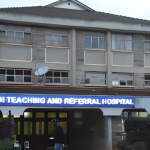
A staff member at Moi Teaching and Referral Hospital allegedly stole Sh10 million by falsifying patient bills as paid in the eCitizen system while diverting the money to her personal account, prompting an ongoing police and hospital investigation.
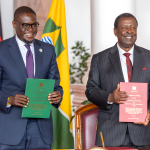
President Ruto and Governor Sakaja signed a cooperation agreement allocating funds for 50,000 new streetlights, water plants saving 50 million litres daily, 27 km Nairobi River sewer and ward road upgrades, with Ruto calling it a partnership to make the city livable while opposition senators warn of devolution threats.