President William Ruto presided over the global launch of the 2025 Great Wildebeest Migration coverage at the Maasai Mara National Reserve in Narok County, Kenya. This event, marked by a ceremonial viewing along the Mara River, celebrated the world-renowned spectacle recently recognized by the World Book of Records, UK, as the World’s Greatest Annual Terrestrial Wildlife Migration. Alongside this launch, Ruto unveiled an ambitious new tourism plan aimed at capitalizing on Kenya’s natural wonders to boost the sector’s contribution to the national economy.

The Great Wildebeest Migration: A Global Spectacle
The Great Wildebeest Migration, often hailed as one of the “Seven New Wonders of the World,” is a breathtaking natural phenomenon involving the annual movement of over 1.5 million wildebeest, 400,000 zebras, and 200,000 gazelles across the Serengeti-Mara ecosystem. This cyclical journey, spanning over 1,800 miles between Tanzania’s Serengeti National Park and Kenya’s Maasai Mara National Reserve, is driven by the animals’ instinctual search for fresh grazing and water, triggered by East Africa’s seasonal rains. The migration’s most dramatic moments occur during the Mara River crossings, typically peaking from July to September, where herds brave strong currents and predatory Nile crocodiles to reach the lush pastures of the Mara.
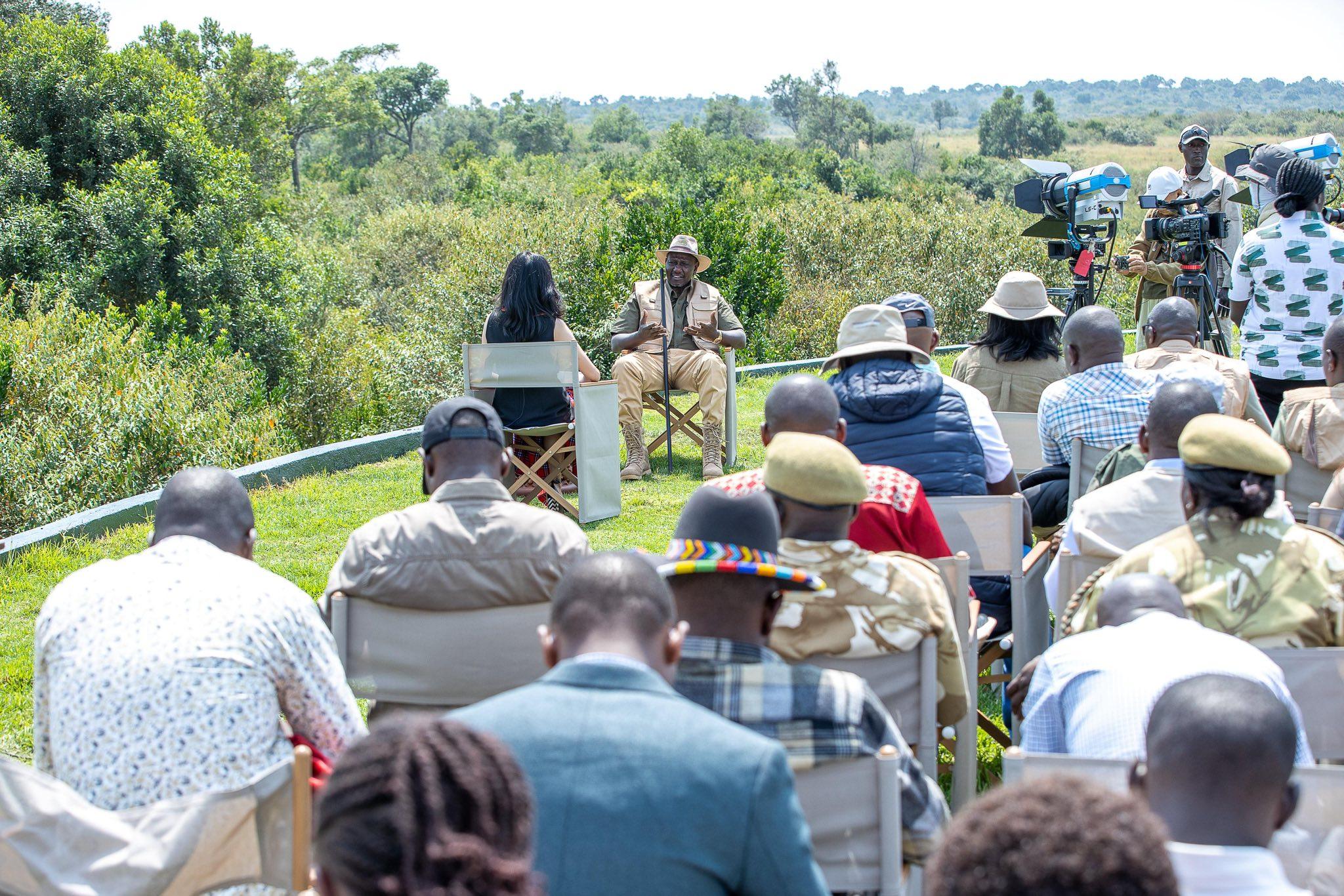
The 2025 launch event, held on July 24, coincided with the peak migration season, drawing global attention through a live broadcast spearheaded by China Global Television Network (CGTN), which reaches over 25 million viewers worldwide. President Ruto, speaking at the Mara River viewing ceremony, described the migration as a “theatre of nature’s greatest performance,” emphasizing its resonance with Kenya’s story of resilience. “Every year, millions of wildebeests cross vast, unforgiving terrain in search of something better. They face danger, hunger, and uncertainty, but they press on. In their journey, we see the story of Kenya,” Ruto said, highlighting the migration’s symbolic and ecological significance.
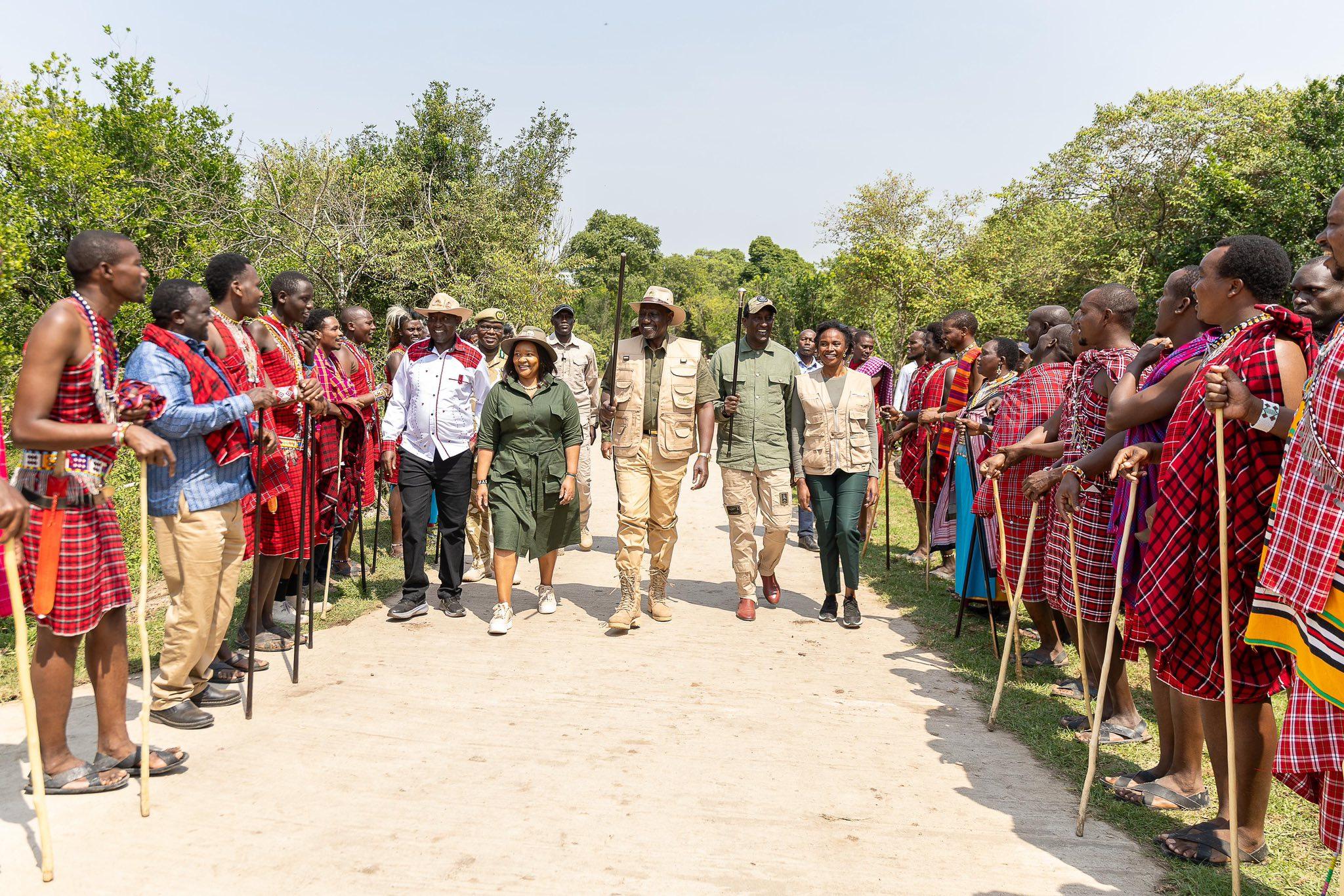
The global broadcast, a first-of-its-kind initiative, aims to showcase Kenya’s rich wildlife heritage to an international audience, reinforcing the Maasai Mara’s status as a must-visit destination. Narok County Governor Patrick Ole Ntutu noted that the World Book of Records recognition underscores the ecosystem’s ecological importance, harboring over 25% of Kenya’s biodiversity. The broadcast, coupled with strategic partnerships with global media outlets like CGTN, is expected to drive tourism interest and boost visitor numbers, building on the 15% growth in tourist arrivals recorded in 2024, which saw 2.4 million international visitors.
The New Tourism Plan: A Vision for Growth
President Ruto’s unveiling of a new tourism plan during the launch event signals a strategic push to harness Kenya’s tourism potential, which contributes significantly to the country’s GDP and foreign exchange reserves. The plan builds on the momentum of recent successes, including the 19.79% increase in tourism earnings from Ksh377.49 billion in 2023 to Ksh452.20 billion in 2024. It aligns with Kenya’s Vision 2030, which identifies tourism as a key economic pillar, and responds to global trends favoring eco-tourism, cultural experiences, and sustainable travel.
Key Pillars of the Tourism Plan
Infrastructure Upgrades: The plan prioritizes enhancing tourism infrastructure, with a significant focus on upgrading Jomo Kenyatta International Airport (JKIA) to handle increased tourist traffic. A proposed partnership with India’s Adani Group aims to modernize JKIA, improving its capacity and efficiency to accommodate the projected 5 million annual tourists by 2027. Additionally, investments in road networks and accommodations, particularly in private conservancies adjacent to the Maasai Mara, aim to enhance accessibility and visitor experiences while reducing pressure on the reserve.
Diversification of Tourism Products: Recognizing that modern travelers seek diverse experiences, the plan promotes niche tourism segments such as sports tourism, nomadic tourism, and cultural tourism. Kenya’s identity as a global athletics powerhouse is leveraged to attract sports enthusiasts, while cultural experiences, such as interactions with the Maasai community, highlight the country’s rich heritage. Tourism Cabinet Secretary Rebecca Miano emphasized the “magical” appeal of Kenya’s diverse offerings, from marine parks at the coast to mountaineering and eco-tourism.
Sustainability and Eco-Tourism: With climate change affecting migration patterns and ecosystems, the plan emphasizes conservation efforts to protect the Serengeti-Mara ecosystem. Initiatives include supporting local communities through revenue-sharing models and promoting sustainable practices in tourism operations. The plan aligns with President Ruto’s broader environmental agenda, including agroforestry projects to green drylands and reduce carbon emissions, as outlined in his 2022 manifesto.
Global Marketing and Digital Innovation: The global broadcast of the wildebeest migration is a cornerstone of the plan’s marketing strategy, leveraging digital platforms to reach a worldwide audience. Collaborations with international media and tourism boards, such as the Kenya Tourism Board (KTB), aim to position Kenya as a year-round destination. The plan also includes developing digital tools to streamline booking processes and enhance visitor experiences, such as real-time migration tracking apps.
Private Sector and Community Engagement: The plan encourages public-private partnerships to drive investment in tourism infrastructure and services. Private conservancies, which offer exclusive safari experiences, are promoted as a means to reduce overcrowding in the Maasai Mara National Reserve while supporting local landowners. Community-based tourism initiatives ensure that indigenous groups, like the Maasai, benefit directly from tourism revenue, fostering coexistence between conservation and traditional livelihoods.
Strategic Context and Goals
The tourism plan is part of a broader strategy to position Kenya as a global leader in sustainable tourism. President Ruto’s vision, articulated at the 2024 Magical Kenya Travel Expo, targets 5 million annual tourists by 2027, doubling the 2.5 million projected for 2025. This ambitious goal responds to global competition, with countries like Greece and the UAE attracting significantly higher tourist numbers due to robust infrastructure and marketing. By capitalizing on the wildebeest migration’s global appeal and diversifying offerings, Kenya aims to increase its share of the global tourism market, which currently stands at 5.3% for Africa despite the continent’s 17% population share.
Economic and Social Impacts
Tourism is a critical driver of Kenya’s economy, contributing 12% to GDP and employing 9% of the workforce. The 2024 Tourism Sector Performance report highlights a 15% increase in international arrivals, with significant contributions from Europe (680,373 visitors) and the Americas (376,019 visitors). The new tourism plan is expected to further boost these numbers, generating jobs in hospitality, transport, and conservation, and stabilizing the Kenyan shilling through foreign exchange earnings.
Socially, the plan emphasizes inclusive growth by involving local communities in tourism activities. The Maasai, who are integral to the Mara’s cultural landscape, benefit from initiatives like conservancy leases and cultural tourism programs. These efforts not only provide economic opportunities but also promote social cohesion by integrating indigenous communities into the tourism value chain. However, challenges such as human-wildlife conflict and habitat loss due to climate change require ongoing attention, as highlighted by conservation organizations.
Challenges and Opportunities
While the global broadcast and new tourism plan present significant opportunities, several challenges must be addressed. Climate change poses a threat to the migration’s predictability, with shifting rainfall patterns delaying river crossings in recent years. Infrastructure bottlenecks, such as limited accommodation during peak seasons, necessitate early booking and strategic planning. Additionally, political tensions, as noted in recent analyses, could impact investor confidence if not managed carefully.

Conversely, the global broadcast offers a unique opportunity to showcase Kenya’s biodiversity and cultural heritage, attracting environmentally conscious travelers. The plan’s focus on sustainability aligns with global trends, positioning Kenya as a leader in eco-tourism. Partnerships with international organizations, such as the UNDP and the European Union, can further support conservation efforts and infrastructure development.
The Role of the Global Broadcast
The CGTN-led global broadcast is a game-changer for Kenya’s tourism marketing. By reaching over 25 million viewers, it amplifies the visibility of the Maasai Mara and other Kenyan destinations. The broadcast not only highlights the migration’s dramatic river crossings but also showcases the Maasai culture and Kenya’s conservation efforts, appealing to a broad audience. President Ruto’s exclusive interview with CGTN during the launch event underscores the government’s commitment to leveraging media partnerships for global outreach.
President William Ruto’s launch of the 2025 Great Wildebeest Migration global broadcast and the unveiling of a new tourism plan mark a pivotal moment for Kenya’s tourism sector. By harnessing the global appeal of the migration and implementing a strategic vision for growth, Kenya aims to solidify its position as a premier tourism destination. The plan’s focus on infrastructure, diversification, sustainability, and community engagement addresses both current challenges and future opportunities. As the world watches the “theatre of the great wildebeest migration,” Kenya is poised to welcome millions more visitors, showcasing its natural wonders and cultural richness while driving economic and social progress.