By Brenda Wereh27 Jul, 202534 mins read 2,380 views
0 comments 0 likes
President Ruto unveils a Sh68B budget increase, new tertiary funding model, and expanded HELB allocations in a bid to tackle Kenya’s education financing shortfalls and support student access.
Kenya’s education sector finds itself at a critical juncture as President William Ruto confronts a mounting funding crisis that threatens the legacy of free basic education. The announcement by Treasury Cabinet Secretary John Mbadi to reduce secondary school capitation from KSh 22,244 to KSh 16,900 per student has ignited fierce debate, with stakeholders accusing the government of jeopardizing a constitutional right. Amid public outcry and protests, Ruto has reaffirmed his administration’s commitment to ensuring accessible, quality education, emphasizing teacher recruitment, infrastructure development, and a new funding model for higher education. This article explores Ruto’s efforts to address the crisis, the challenges he faces, and the implications for Kenya’s future, drawing on recent developments and public sentiment.
Kenya’s free education policy, a cornerstone of the nation’s development since former President Mwai Kibaki’s introduction of free primary education in 2003, is under threat due to fiscal constraints. Treasury CS John Mbadi’s statement on July 24, 2025, that the government can no longer fully fund free primary and secondary education sparked widespread alarm. Citing a strained budget due to competing priorities like debt repayment, Mbadi proposed reducing secondary school capitation to KSh 16,900, leaving a KSh 5,344 shortfall per student. He also suggested reintroducing exam registration fees and involving wealthier parents in cost-sharing, arguing that sustaining a “welfare state” is untenable.
The education sector is grappling with a KSh 64 billion capitation shortfall accumulated over the past five years, with schools receiving only KSh 14 billion of the expected KSh 28 billion for Term 1 of 2025. This has led to operational challenges, including food rationing, reduced co-curricular activities, and mounting debts to suppliers. The Kenya Secondary Schools Heads Association (KSSHA) reported that schools received just KSh 3,471.60 per student in 2025, the lowest in recent years, exacerbating financial strain, particularly for day schools.
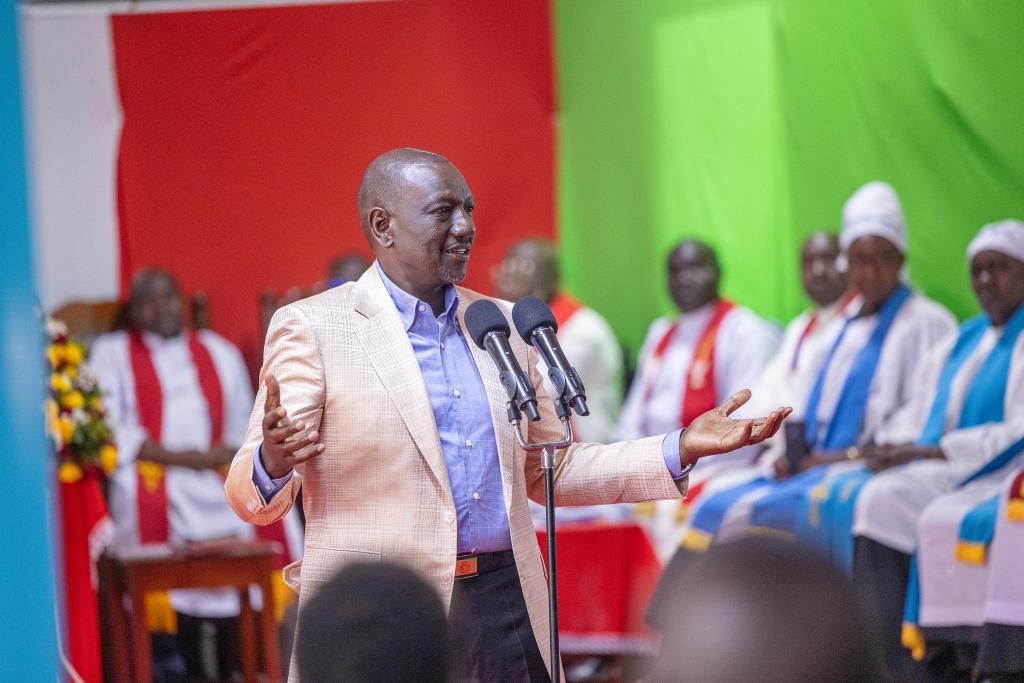
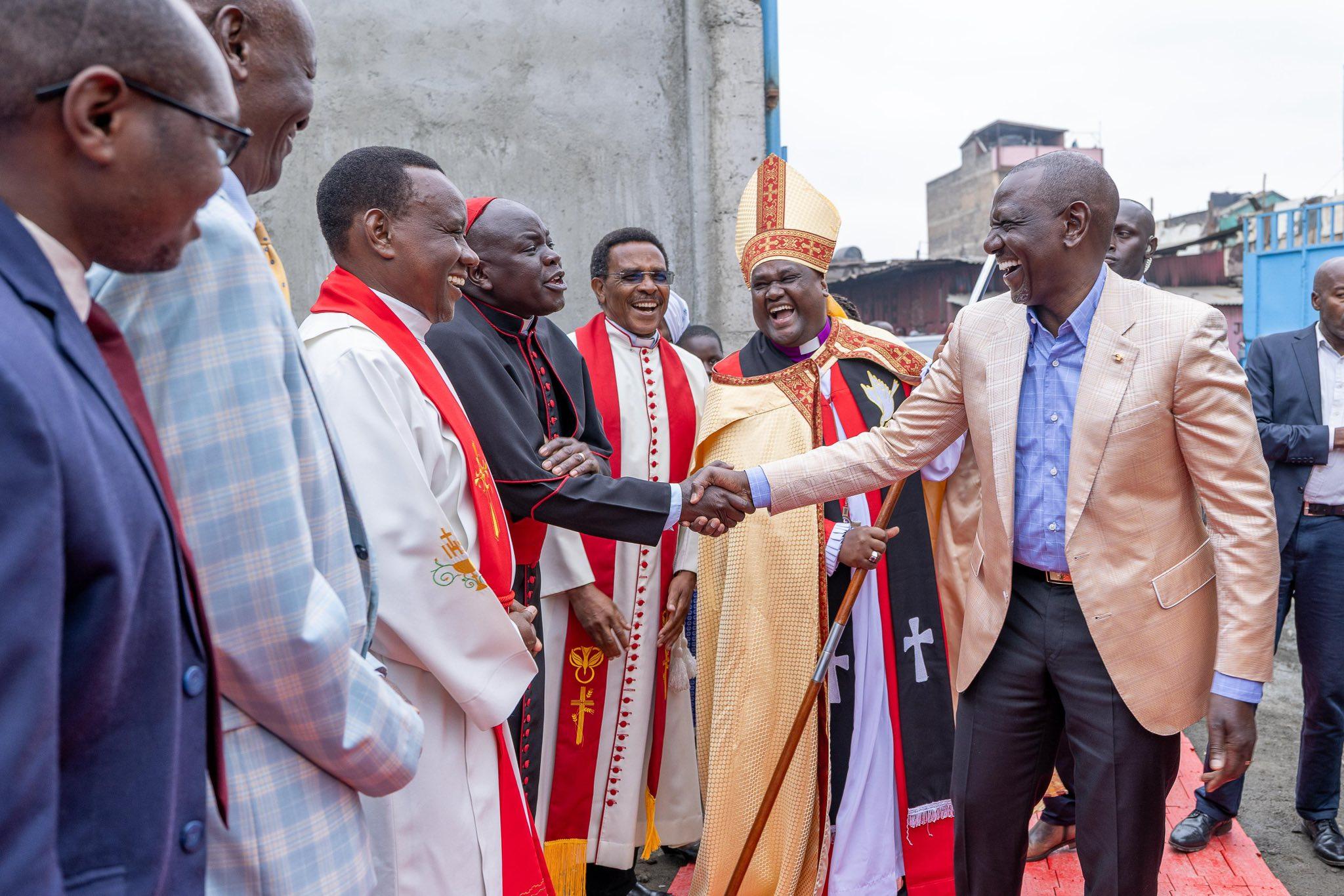
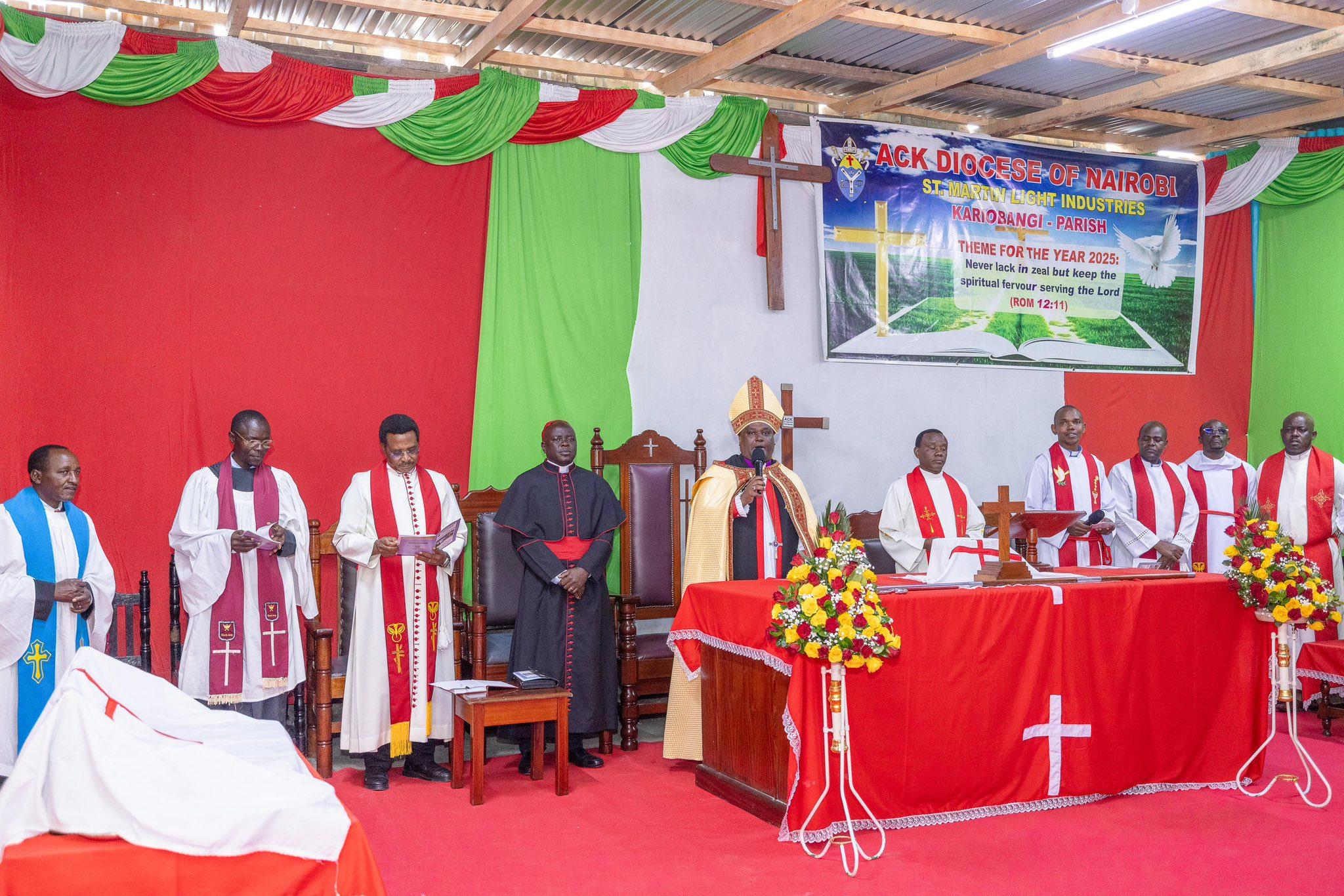
In response to the backlash, President Ruto has taken a firm stance, reassuring Kenyans that free primary and secondary education remains a constitutional right under Article 53. Speaking at ACK St. Martins Parish Light Industries Church in Kariobangi on July 27, 2025, Ruto emphasized that education is “the greatest empowerment” a society can offer its youth, vowing not to compromise on access, quality, affordability, or relevance. He highlighted his administration’s achievements, including the recruitment of 76,000 teachers over the past two years, with plans to hire 24,000 more by January 2026, and the construction of 23,000 classrooms to reduce overcrowding, particularly in urban areas like Nairobi.
Ruto also pointed to the signing of a Collective Bargaining Agreement (CBA) with teachers’ unions, effective until 2029, which includes salary increases of 6 to 29 percent to ensure stability in the sector. He lauded partnerships with faith-based institutions, noting their role in supplementing government efforts in underserved communities. Additionally, Ruto defended the new university funding model, introduced in 2023, which combines scholarships, loans, and household contributions based on need, claiming it has provided KSh 41 billion in student loans and scholarships within a year, helping public universities address debts exceeding KSh 120 billion.
Despite Ruto’s assurances, the proposed capitation cuts have drawn sharp criticism. The Kenya National Union of Teachers (KNUT) and KSSHA have warned that schools may shut down without immediate action, with day schools particularly vulnerable. KSSHA Nyanza Chairperson George Opiyo described the cuts as “an unfortunate move,” predicting early closures or extra levies to cover costs. Parents like Margaret Naliaka from Bungoma expressed frustration, questioning the “free” nature of education when they must pay for essentials like textbooks and meals.
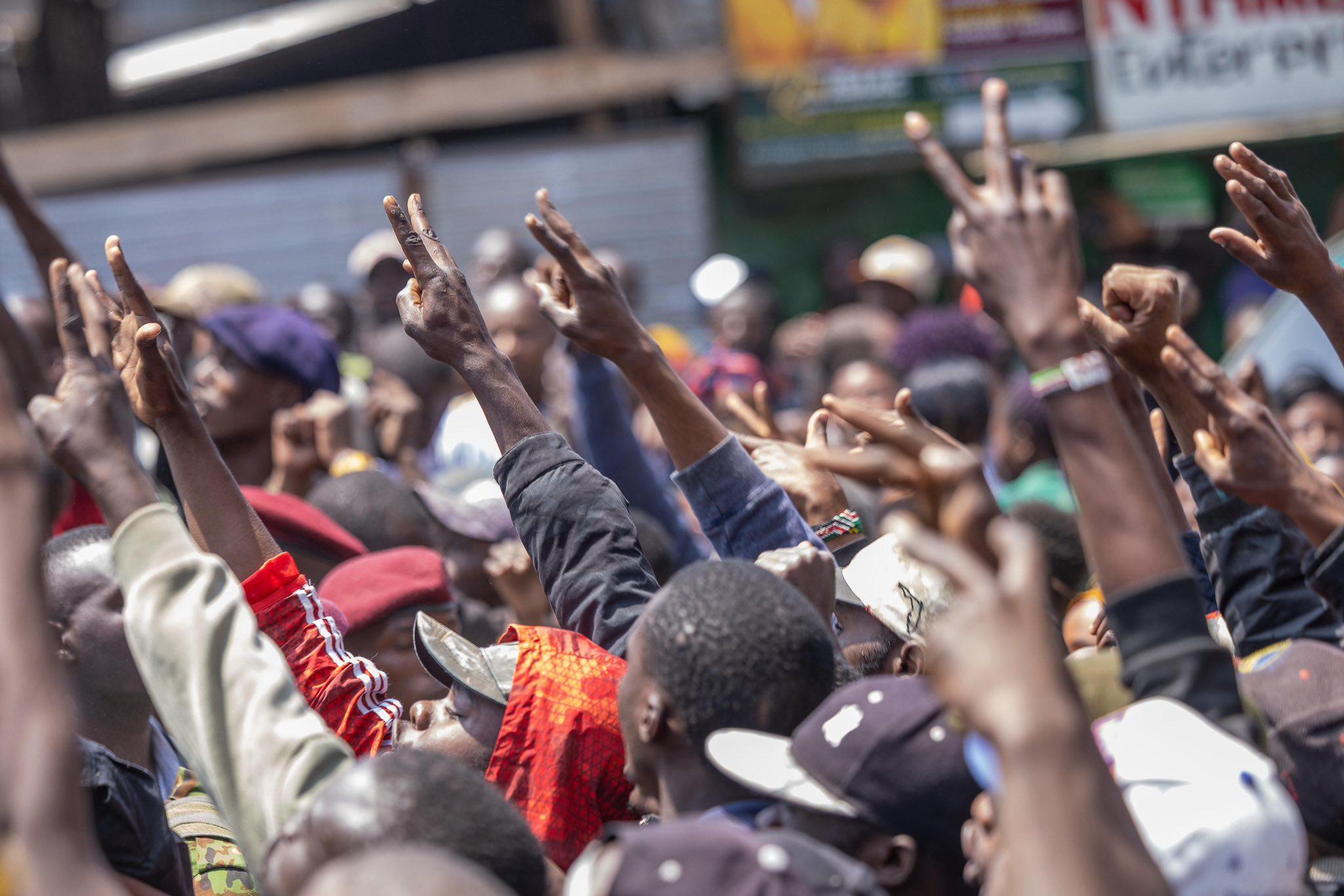
Opposition MPs, including Opiyo Wandayi and Peter Orero, have accused the government of sabotaging free education through delayed disbursements and inadequate funding. Social media platforms, particularly X, have amplified public discontent, with users like @G1TONGA and @kipkoecheruiyot labeling the cuts as an attack on Kibaki’s legacy and accusing Ruto of prioritizing state house renovations and political campaigns over education. Posts like @njihiakelvin’s highlight the chaotic rollout of the Competency-Based Curriculum (CBC) and underfunded Higher Education Loans Board (HELB), arguing that children from poor families suffer most.
The Democracy for Citizens Party (DCP) has threatened nationwide protests if funds are not released by August 8, 2025, reflecting growing public unrest. Some X users, such as @sholard_mancity, have pointed to untouched State House budgets as evidence of misplaced priorities, fueling calls for accountability with hashtags like #RutoMustGo.
To address the crisis, Ruto’s administration has proposed several measures. Treasury CS Mbadi suggested consolidating bursary funds from the National Government Constituencies Development Fund (NG-CDF), National Government Affirmative Action Fund (NGAAF), and county governments into a single education fund, with 40% allocated to schools. This aims to streamline support and reduce reliance on MPs for bursaries. Basic Education PS Julius Bitok has clarified that the government has no plans to scrap free education, emphasizing efforts to lobby Parliament for a supplementary budget to cover capitation and national examinations.
The Presidential Working Party on Education Reform (PWPER), appointed in 2022, recommended sustainable financing models, including a Comprehensive School system (PP1–Grade 9) and a Kenya Basic Education Bursaries and Scholarship Council to replace the Jomo Kenyatta Foundation. The PWPER also proposed increasing primary school capitation from KSh 1,420 to KSh 2,238 and introducing a minimum essential package for schools with low enrollment. These reforms aim to enhance equity and inclusion, particularly for marginalized groups.
Ruto has also pushed for digital integration, with the Kenya Education Management Information System (KEMIS) to track learners from birth for accurate capitation and the digitization of payments via the eCitizen platform to curb mismanagement. However, critics argue that these reforms require robust oversight to avoid becoming avenues for corruption.
The education funding crisis is compounded by Kenya’s broader economic challenges, including a ballooning public debt and International Monetary Fund (IMF) pressure to reduce deficits. The IMF’s push for fiscal consolidation has raised concerns about education budget cuts, with analysts warning that prioritizing debt repayment over human capital could have long-term consequences. Ruto’s administration has maintained economic stability, with 5% growth projected for 2025 and inflation below 4%, but public discontent persists due to perceived failures in translating growth into broad-based development.
Public trust in Ruto’s leadership has been eroded by allegations of corruption and broken campaign promises. Former Deputy President Rigathi Gachagua’s claims that funds were reallocated for campaigns and bribes have fueled skepticism, as seen in posts like @OnesmusNgogoyo’s on X. The government’s heavy-handed response to protests, with at least 90 deaths reported over two years, has further damaged its credibility, with activists accusing Ruto of authoritarian tendencies.
The free education policy, a hallmark of Kibaki’s presidency, transformed access for millions of Kenyan children. However, Mbadi noted that full capitation of KSh 22,244 was never achieved, even under previous administrations, due to budget constraints. The current crisis risks unraveling these gains, with potential increases in dropout rates, particularly among low-income families. The CBC’s rollout, requiring significant investment in infrastructure and teacher training, adds further pressure, with Grade 10 set to begin in 2026.
Ruto’s efforts to tackle the funding crisis will shape Kenya’s social and economic trajectory. Education remains the country’s most critical asset, as Ruto himself emphasized, but failure to address the shortfall could widen inequality and fuel unrest. The proposed reforms, if implemented effectively, could stabilize the sector, but they require transparency and stakeholder engagement to rebuild trust. The involvement of opposition leader Raila Odinga’s allies in the cabinet, including Mbadi, aims to foster unity, but it has not quelled protests, with young Kenyans demanding systemic change.
The 2027 elections loom large, and the education crisis could define Ruto’s legacy. His administration must balance fiscal discipline with constitutional obligations, ensuring that no child is denied education due to poverty. As @Its_Mary254 noted on X, expanded bursaries and capitation funding are steps toward inclusivity, but they must be backed by action to counter the narrative of betrayal expressed by users like @MamboMseto254.
President William Ruto’s response to Kenya’s education funding crisis reflects a delicate balancing act between fiscal realities and constitutional mandates. His administration’s investments in teacher recruitment, infrastructure, and digital learning demonstrate commitment, but the proposed capitation cuts and Mbadi’s remarks have sparked legitimate concerns about the sustainability of free education. As schools face operational challenges and public trust wanes, Ruto’s reforms—such as consolidated bursary funds and the new university funding model—offer potential solutions but demand rigorous oversight. With the CBC’s next phase and the 2027 elections on the horizon, Ruto’s ability to deliver on his promise of accessible, quality education will be a defining test of his presidency. Kenya’s children deserve nothing less than a future where education remains their greatest empowerment.
Former Kiambu Governor Ferdinand Waititu has secured a major bail reprieve from the High Court, with Justice Winfrida Okwany reducing his bail from Sh53.5 million to Sh20 million cash pending appeal in his ongoing corruption case.
Kenya National Highways Authority names Eng. Luka Kipchumba Kimeli as Director General while Kenya Roads Board appoints Judith Otsyula to the same role in major leadership changes for Kenya's roads sector.
Kenya’s Committee on Communication, Information and Innovation has rejected calls for a complete ban on TikTok, instead proposing mandatory local storage of Kenyan user data and full compliance with national laws in a report adopted for debate in the National Assembly.