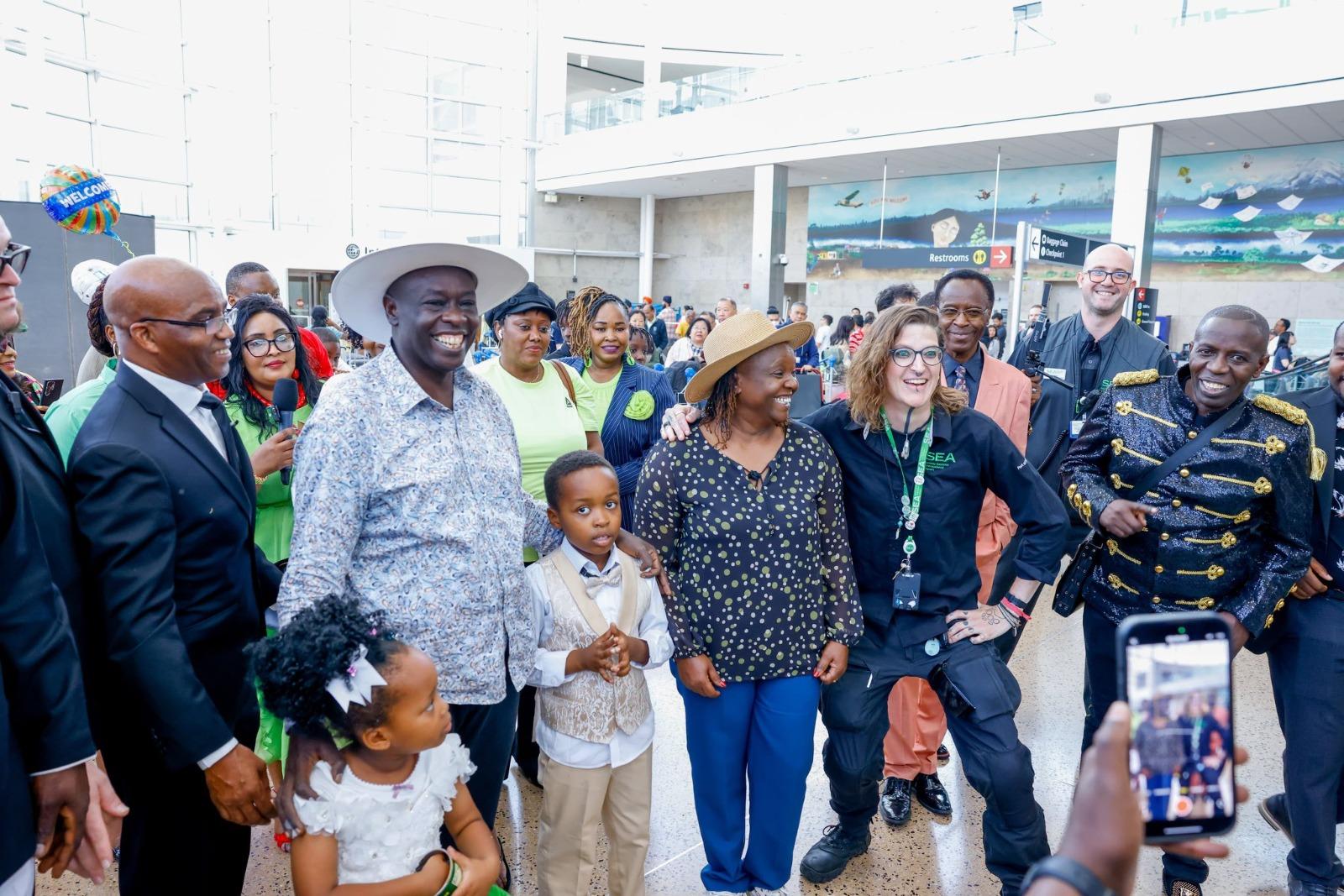
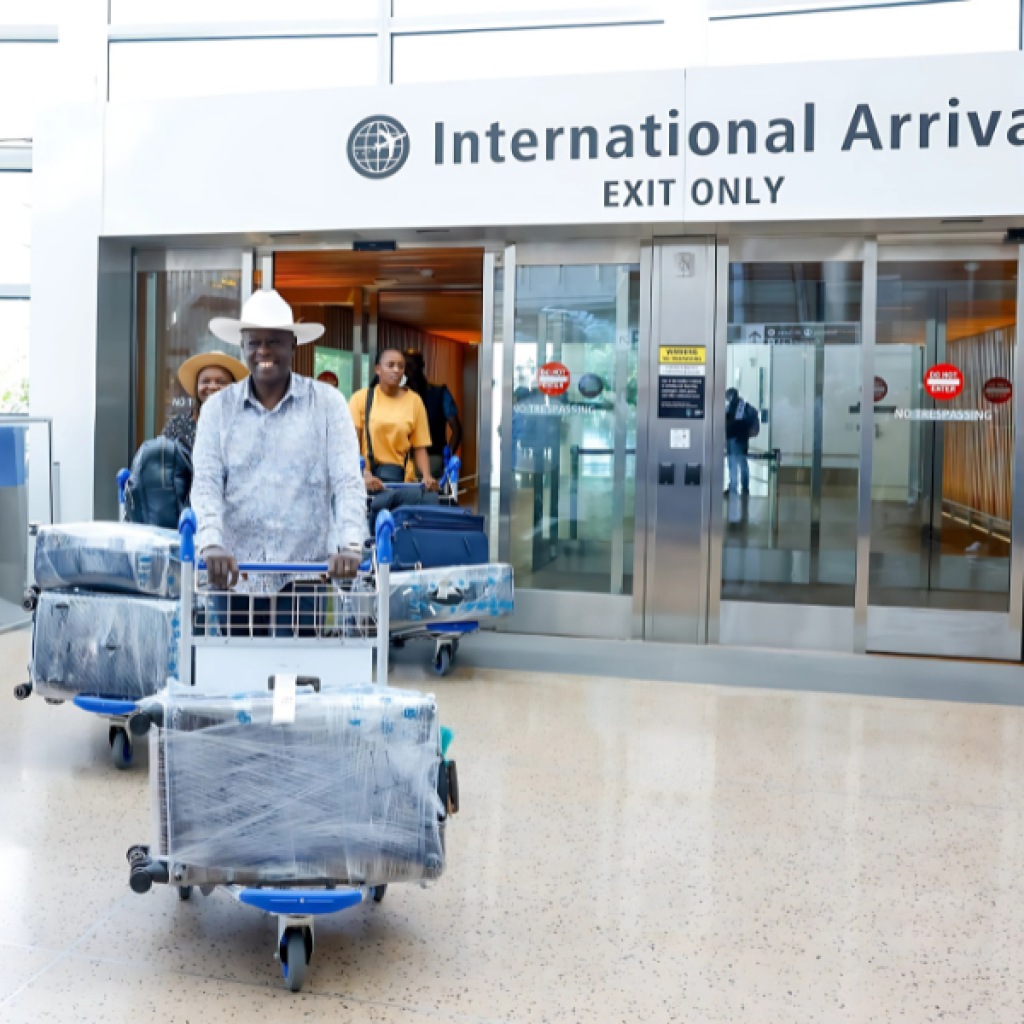
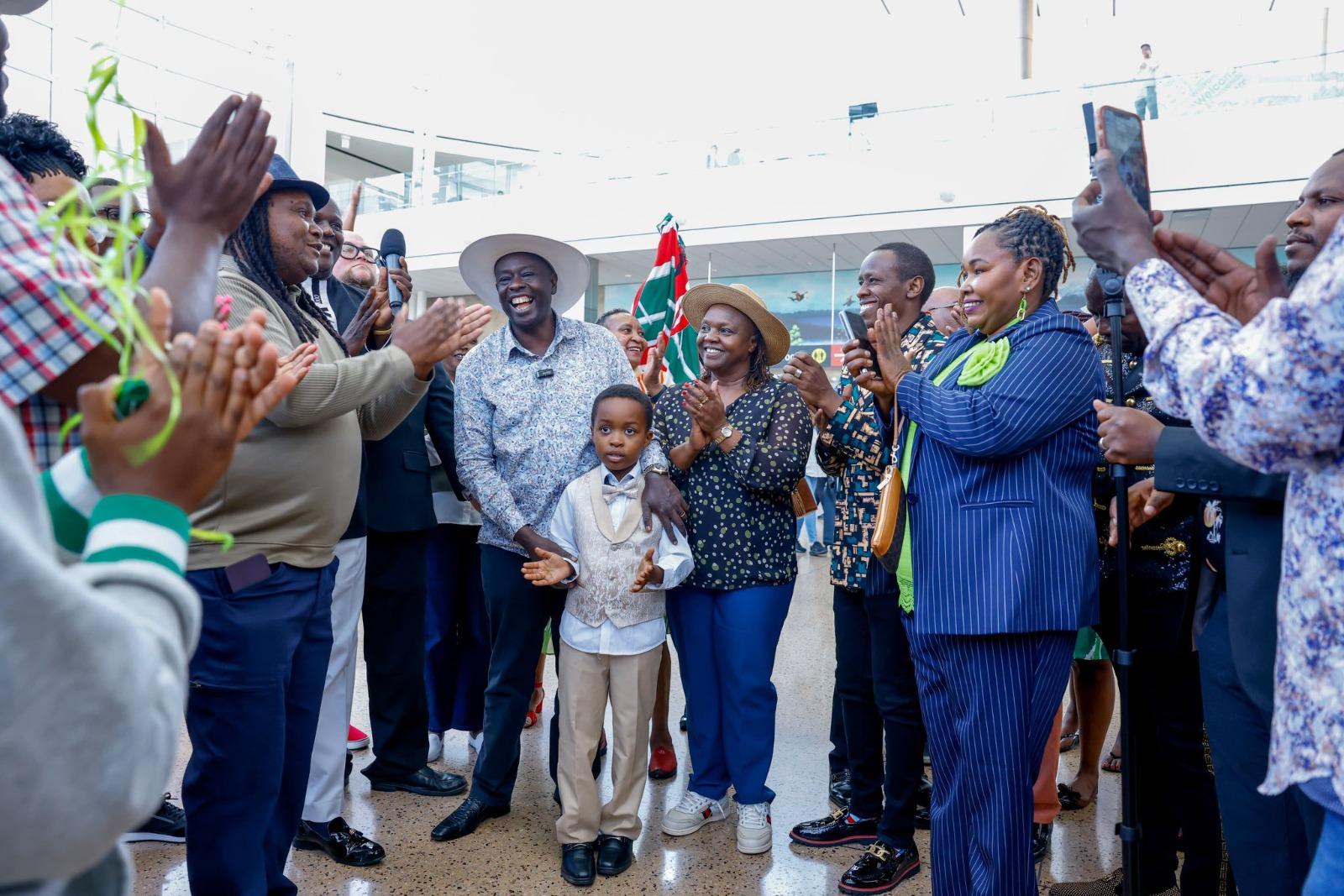
On the evening of July 10, 2025, former Kenyan Deputy President Rigathi Gachagua touched down at Seattle-Tacoma International Airport, marking the start of an ambitious two-month tour across the United States to engage with the Kenyan diaspora and international stakeholders. Accompanied by his wife, Pastor Dorcas Rigathi, a respected advocate for vulnerable communities, Gachagua was greeted by a vibrant crowd of Kenyans waving flags and chanting messages of support. The visit, his first abroad since his impeachment in October 2024, comes at a critical juncture for Kenya, as the nation grapples with violent protests, a KSh11.36 trillion public debt, and accusations of state-sponsored violence. Gachagua, now leading the Democracy for the Citizens Party (DCP), aims to rally support for reforms ahead of the 2027 elections, framing his tour as a mission to discuss the “state of the nation.” “I’m here to connect with our people and share the truth about what’s happening back home,” Gachagua said, addressing the crowd at the airport. “Kenyans abroad deserve to know the challenges we face and how we can shape our future together.”
The tour, which includes stops in Seattle, Dallas, California, Boston, and Baltimore, follows a tumultuous period in Kenya’s political landscape. Gachagua’s impeachment, driven by allegations of disloyalty and inflammatory remarks, marked a dramatic fall for the former Mathira MP, who once declared himself the “guardian of State House.” His ouster, the first of a deputy president in Kenya’s history, has fueled opposition campaigns under the “wantam” slogan, uniting figures like Wiper leader Kalonzo Musyoka, Martha Karua, Eugene Wamalwa, and former Interior Cabinet Secretary Fred Matiang’i. The group has vowed to ensure President William Ruto serves only one term, accusing his administration of economic mismanagement and suppressing dissent. Gachagua’s U.S. visit, announced during a Nairobi press conference on July 9, aims to amplify these concerns globally. “The diaspora is a vital part of our nation,” he said. “Their voices and resources can drive the change we need.”
Pastor Dorcas, a former banker and pastor at House of Grace in Nairobi, brings her own influence to the tour, known for her advocacy through the Dorcas Rigathi Foundation, which supports widows, orphans, and the boy child. Her presence underscores the couple’s commitment to family values and community upliftment, resonating with diaspora audiences. “We’re here to inspire hope and unity,” she told supporters in Seattle, her voice warm with emotion. “Kenyans abroad carry our nation’s heart, and together we can build a dignified future.” The couple’s arrival was marked by a celebratory mood, with diaspora members like Mary Wanjiku, a Seattle-based nurse, expressing excitement. “Seeing Rigathi and Pastor Dorcas here feels like home,” she said. “They’re speaking for those of us who feel Kenya’s struggles from afar.”
The tour’s agenda includes town hall meetings, cultural events, and discussions with investors, with a focus on Kenya’s economic and political challenges. The recent Saba Saba protests on July 7, which left 31 dead and businesses looted in cities like Naivasha, have intensified public discontent over issues like police brutality, youth unemployment, and abductions. Gachagua has been vocal about these grievances, accusing the government of orchestrating violence to discredit peaceful protests. “The state cannot silence the people’s cry for justice,” he said at a Seattle breakfast meeting on July 11. His itinerary includes engagements with community leaders and potential investors, with sources indicating interest from U.S. firms in supporting opposition efforts for 2027. These meetings aim to secure partnerships for development projects, particularly in agriculture, a sector Gachagua championed as deputy president.
The political backdrop of Gachagua’s tour is fraught with tension. Hours before his departure from Jomo Kenyatta International Airport, he claimed that individuals close to President Ruto attempted to block his travel, alleging threats of arrest. “They tried to intimidate us, but we’re here for the people,” he told reporters in Nairobi, flanked by allies like Nyandarua Senator John Methu and Kirinyaga Woman Representative Jane Njeri Maina. The claims, unverified but widely discussed on X, have fueled speculation about government efforts to curb opposition activities. Posts on X reflected strong diaspora support, with one user writing, “Gachagua’s courage to speak truth in the U.S. is what Kenya needs.” Another posted, “Pastor Dorcas and Rigathi are showing us leadership doesn’t bow to pressure.” The hashtag #GachaguaInUSA trended, capturing the diaspora’s enthusiasm.
Pastor Dorcas’s role in the tour extends beyond ceremonial appearances. Her foundation’s work with vulnerable populations aligns with the tour’s goal of mobilizing diaspora resources for social impact. At a Seattle community event, she shared her story of rising from poverty in Thika’s Kiandutu slums to becoming a national figure, inspiring attendees. “I was a jigger-infested girl, but faith and resilience lifted me,” she said. “We want to empower every Kenyan, here and at home, to believe in a better future.” Her advocacy for the boy child and widows resonates with diaspora members like James Kamau, a Dallas-based entrepreneur, who pledged support for her initiatives. “Pastor Dorcas’s work reminds us to give back,” he said. “This tour is about more than politics—it’s about our people.”
The tour also navigates Kenya’s polarized political climate. Gachagua’s impeachment, upheld by the Senate on October 17, 2024, followed accusations of undermining Ruto’s administration and making divisive remarks about regional representation. His “reap what you sow” comments in 2023, prioritizing Kenya Kwanza supporters, were cited as grounds for his removal. Now, as DCP leader, Gachagua is rebuilding his political base, with the diaspora seen as a critical constituency. “The 2027 election starts now,” he said in Seattle, urging Kenyans abroad to register as voters and support opposition candidates. His allies, including Cleophas Malala and Martha Karua, have echoed this call, framing the tour as a prelude to a broader campaign against Ruto’s leadership.
The diaspora’s response has been largely positive, though some express skepticism about Gachagua’s motives. “He’s rallying support, but can he deliver change?” asked a Boston-based student on X. Others see the tour as a chance to bridge Kenya’s domestic struggles with global advocacy. “Rigathi’s here to tell our story, from abductions to economic woes,” said a California-based lawyer. The tour coincides with other opposition figures’ international engagements, such as Matiang’i’s Texas town hall, signaling a coordinated effort to globalize Kenya’s reform agenda. Gachagua’s meetings with U.S. investors, though not publicly detailed, are rumored to focus on funding for agricultural and youth empowerment projects, aligning with his “bottom-up” economic vision.
The government has downplayed the tour’s significance, with Interior CS Kipchumba Murkomen calling it “a personal trip with no bearing on state policy.” Ruto, speaking at a Nakuru development event, emphasized his administration’s focus on economic growth, citing a 4.8 percent GDP projection for 2025. However, opposition leaders like Kalonzo Musyoka have praised Gachagua’s initiative, urging the diaspora to back the “wantam” movement. “This is about reclaiming Kenya’s soul,” Musyoka said in a statement. The tour’s timing, amidst ongoing investigations into protest-related violence and abductions, underscores its political weight.
For many in the diaspora, Gachagua’s visit is a chance to reconnect with Kenya’s struggles. At a Seattle cultural event, attendees danced to mugithi tunes and shared stories of home, with Gachagua and Dorcas joining in. “I miss our people, our culture,” Gachagua said, his voice tinged with nostalgia. “This tour is about bringing us together to fight for justice.” The couple’s personal story, from humble beginnings to political prominence, resonates deeply. Dorcas’s journey, detailed in her speeches, highlights resilience, having overcome poverty and family hardships to earn a Bachelor of Education from Kenyatta University and an honorary doctorate in 2021. “Our scars make us stronger,” she told the crowd, drawing applause.
As the tour progresses, Gachagua faces legal and political hurdles. His lawyers are preparing to appeal his impeachment, with a hearing expected in August 2025. The outcome could shape his eligibility for future elections, making the diaspora’s support crucial. “We’re not giving up,” he said, addressing concerns about his political future. For now, the tour is a platform to amplify Kenya’s challenges, from the 39 protest deaths to economic woes, while rallying a global community. As Gachagua and Dorcas move to their next stop in Dallas, their message is clear: the fight for Kenya’s future extends beyond its borders, and the diaspora is a vital ally.