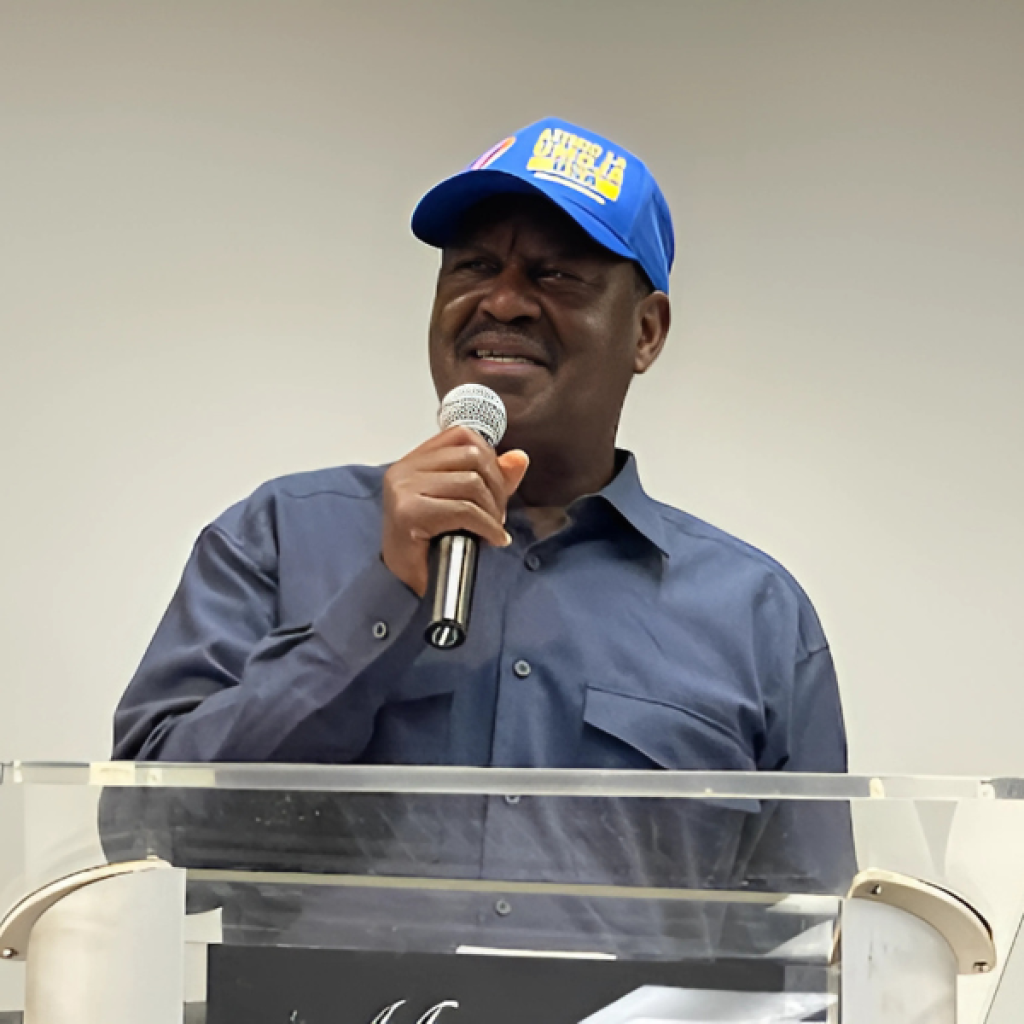
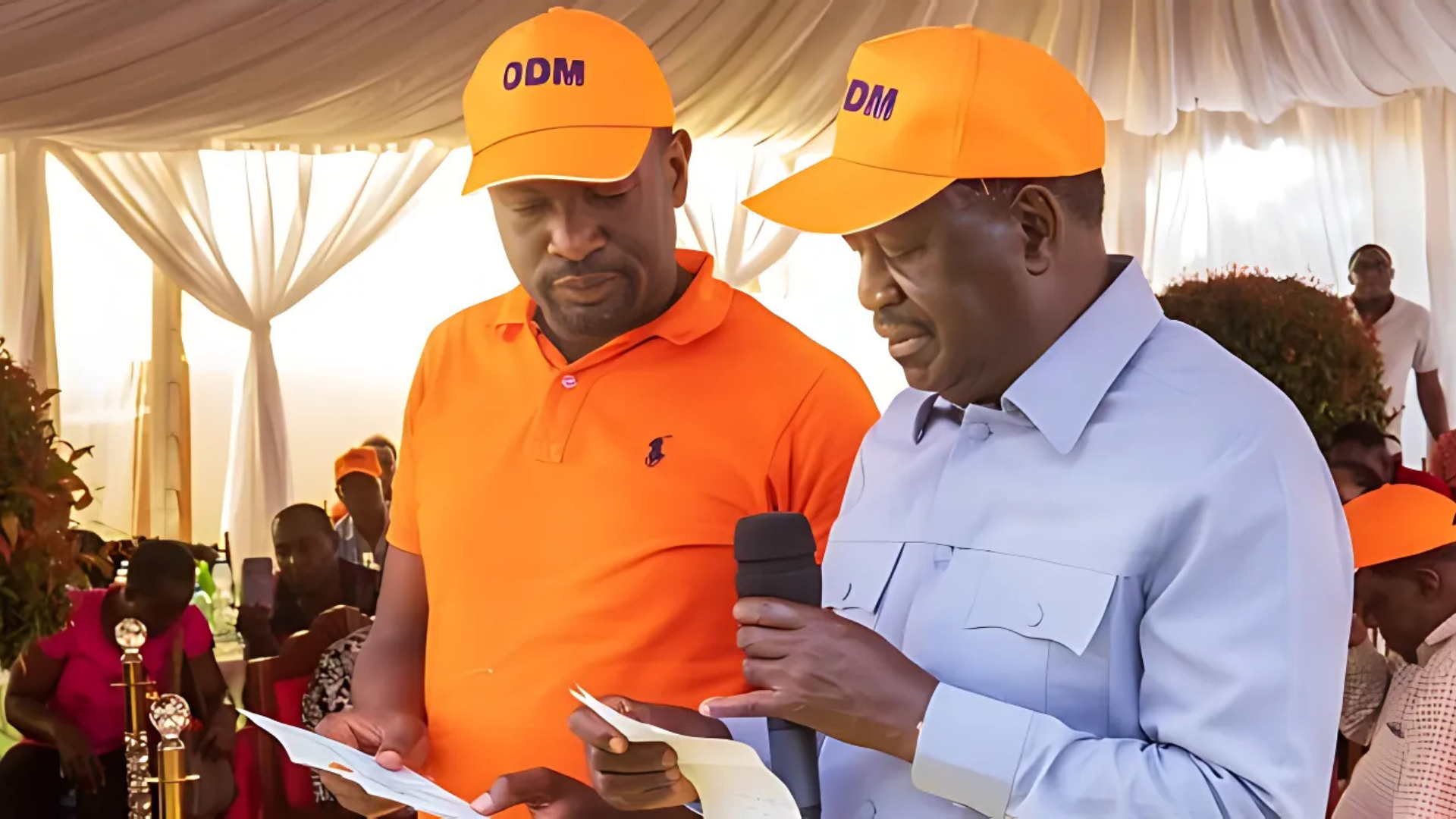
A wave of intrigue swept through Kenya’s political landscape on Monday, July 28, 2025, as Orange Democratic Movement (ODM) leader Raila Odinga broke his silence on the growing rift within his party, sparked by outspoken Secretary-General Edwin Sifuna’s recent remarks. The tension, which has simmered for days, reached a boiling point following Sifuna’s television interview where he declared the memorandum of understanding (MoU) between ODM and the ruling United Democratic Alliance (UDA) effectively dead. Speaking at a community gathering in Karachuonyo at 2:00 PM East Africa Time, Raila sought to quell the storm, affirming Sifuna’s democratic right to express personal opinions while emphasizing that the party’s official position would emerge from internal deliberations. “What Sifuna said is based on his own view,” Raila said, addressing a crowd of supporters. “But ODM’s stance will come from discussions within our party organs, and that is what we will make public.”
The controversy began earlier in the week when Sifuna, during a candid interview, criticized the broad-based government formed after the 2024 Gen Z protests, citing unfulfilled promises and ongoing issues like extrajudicial killings, including the death of blogger Albert Ojwang in June. His declaration that removing President William Ruto was now a national priority drew sharp reactions from within ODM, with some leaders calling for his resignation or removal. Raila’s response, delivered amidst a memorial event for a local figure, aimed to balance the party’s democratic ethos with its unity. “ODM is a democratic party,” he added. “Everyone is allowed to express themselves, but our official line will be decided by the Central Committee or National Executive Committee after consultation.” A local elder in attendance nodded in agreement, saying, “This shows Raila respects our voices, even when we differ.”
The rift has exposed deeper divisions within ODM, particularly over the March 2025 MoU with UDA, which aimed to address issues like the cost of living and police brutality. Sifuna’s faction has opposed the alliance, arguing it compromises ODM’s opposition role, while others, including party officials in government positions, support Raila’s strategy, which some see as a stepping stone to his African Union Commission chair bid. Raila’s defense of Sifuna came after days of pressure from figures like Homa Bay MP Peter Kaluma, who penned an open letter urging Sifuna’s ouster, alleging betrayal. A shopkeeper in Kisumu, listening to the radio, remarked, “Sifuna speaks for many of us who feel let down by this deal.” Yet, a teacher in Nairobi preparing lessons countered, “Raila knows best; we should trust his leadership.”
The Karachuonyo gathering drew a mix of ODM loyalists and curious onlookers, with Raila using the platform to clarify his stance. He criticized the media for misrepresenting his earlier comments, urging journalists to seek clarification directly. “If you don’t understand what I’m saying, come to me and ask me to elaborate,” he said, prompting applause from the crowd. The event also featured Sifuna, who stood by his remarks, insisting they reflected grassroots sentiment. “I was making those statements as an individual, not as a party leader,” Sifuna had said in his interview, a point Raila echoed to diffuse accusations of party discord. A youth leader in Naivasha, organizing a forum, reflected, “This shows ODM can handle disagreement, but we need a clear direction.”
Public reaction across Kenya has been varied. In rural Kitale, a farmer tending maize fields heard the update on a radio, saying, “Sifuna’s courage gives us hope, but Raila must guide us.” In Mombasa’s markets, a vendor packing fish noted, “If the MoU is dead, what’s the plan now?” The tension has fueled debates on social platforms, with some praising Sifuna’s boldness and others questioning Raila’s control. The MoU, signed to stabilize the government post-protests, included commitments to lower living costs and strengthen devolution, but Sifuna’s critique highlighted perceived failures, particularly on security. A mother in Nyeri, feeding her children, expressed concern. “We need unity, not fights,” she said, clearing the table.
The morning’s developments saw families and individuals gather at community centers to discuss the issue. In Thika, a father waiting at a clinic said, “My wife supports Sifuna; this ruling could split us.” In Nakuru, a group at a market debated the implications. “Will Raila sack him?” one trader asked, sorting vegetables. Raila’s approach suggests a preference for internal resolution, with plans to convene party organs to review the MoU’s progress. A health worker in Kisii, coordinating a vaccination drive, added, “This dialogue could strengthen us if handled well.” The timing, just months before the 2027 election cycle, underscores the stakes for ODM’s future.
As the day progressed, the story rippled through diverse regions. In Baringo, a herder tending cattle paused to hear a broadcast, saying, “Sifuna speaks our pain.” In Eldoret, a public servant preparing a report noted, “Raila’s patience shows wisdom.” The party’s democratic structure, which allows dissent, has been a point of pride, but it now tests Raila’s leadership. A community organizer in Turkana, planning a radio talk, remarked, “This could redefine ODM if they listen to the base.” Sifuna’s popularity at grassroots levels, evident during recent events, complicates calls for his removal, with supporters seeing him as a voice against compromise.
The afternoon brought reflection across offices and homes. In Kisumu, a mother checking on her family said, “We need clarity, not confusion.” In Garissa, a driver fueling his matatu added, “Sifuna’s fight is ours.” Raila’s insistence on internal mechanisms suggests a strategic delay, allowing time to assess the MoU’s impact. A lawyer in Nairobi, discussing over tea, noted, “This could set a precedent for party democracy.” The issue has also drawn attention from trade unionist Francis Atwoli, who earlier urged Raila to rein in Sifuna, though he later acknowledged the senator’s grassroots support after a Kakamega conference.
Legal and political analysts suggest the dispute reflects broader ideological shifts within ODM, with younger members like Sifuna pushing for a return to opposition roots. A vendor in Timau, closing his stall, said, “Let’s see if Raila can hold it together.” The MoU’s review, promised by Raila, will likely address Sifuna’s concerns about governance and security, key issues for voters. A father in Nyahururu, walking home with his family, added, “Stability now could win us 2027.” The party’s ability to reconcile these views will shape its electoral strategy.
The evening saw continued engagement nationwide. In Marsabit, a herder listening to a radio update said, “Sifuna’s truth must be heard.” In Nairobi’s cyber cafes, a student scrolling through news noted, “People are divided but engaged.” Raila’s call for a review suggests a pragmatic approach, balancing Sifuna’s dissent with party unity. A youth leader in Kitale, organizing an event, reflected, “We want action, not just talk.” The response has reignited discussions on ODM’s identity, with some seeing it as a strength and others a vulnerability.
The day’s events highlighted ODM’s challenge in maintaining cohesion amid shifting alliances. In rural areas like Kitale, a farmer said, “Raila must lead, not just mediate.” In urban centers like Mombasa, a vendor packing goods added, “Sifuna’s fight could cost us votes.” The party’s next steps, including the promised review, will be critical. A community elder in Nakuru, leading a discussion, concluded, “This tests Raila’s legacy; he must rise above it.” As Kenya watches, the resolution of this internal drama could define ODM’s path forward.