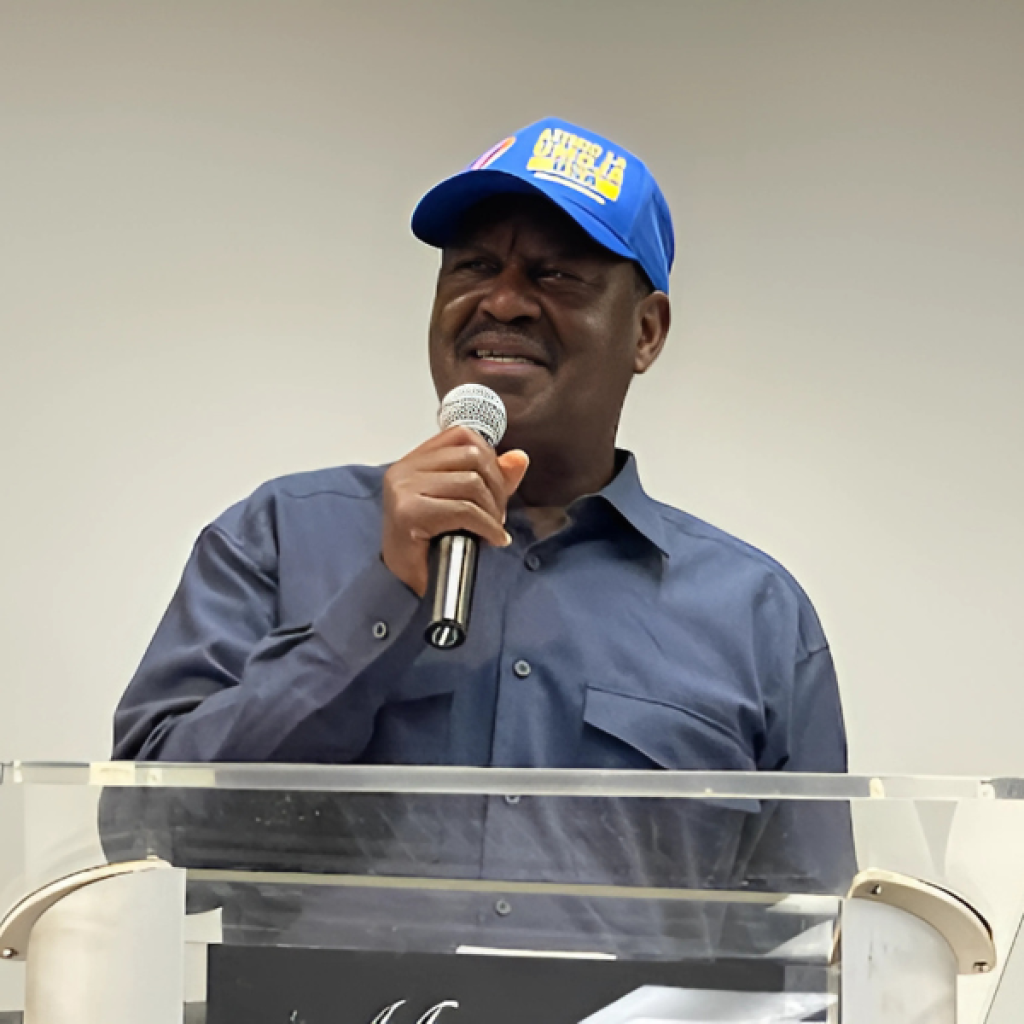
Raila Odinga, the veteran leader of the Orange Democratic Movement (ODM), made headlines with a bold declaration that he had turned down a significant offer from opposition leaders to unite against President William Ruto’s Kenya Kwanza administration. Speaking at a public rally in Kisumu, Odinga revealed that the proposed deal included support for his presidential candidacy in the 2027 general elections, with the condition that he would reciprocate by backing another opposition candidate in 2032. The former Prime Minister, known for his enduring influence in Kenyan politics, dismissed the proposal and asserted his authority over his political base, stating that no one else could dictate the direction of his supporters. “When the time comes, I will provide the guidance my people need,” Odinga declared to a cheering crowd, emphasizing his intention to chart an independent course as the 2027 elections approach.
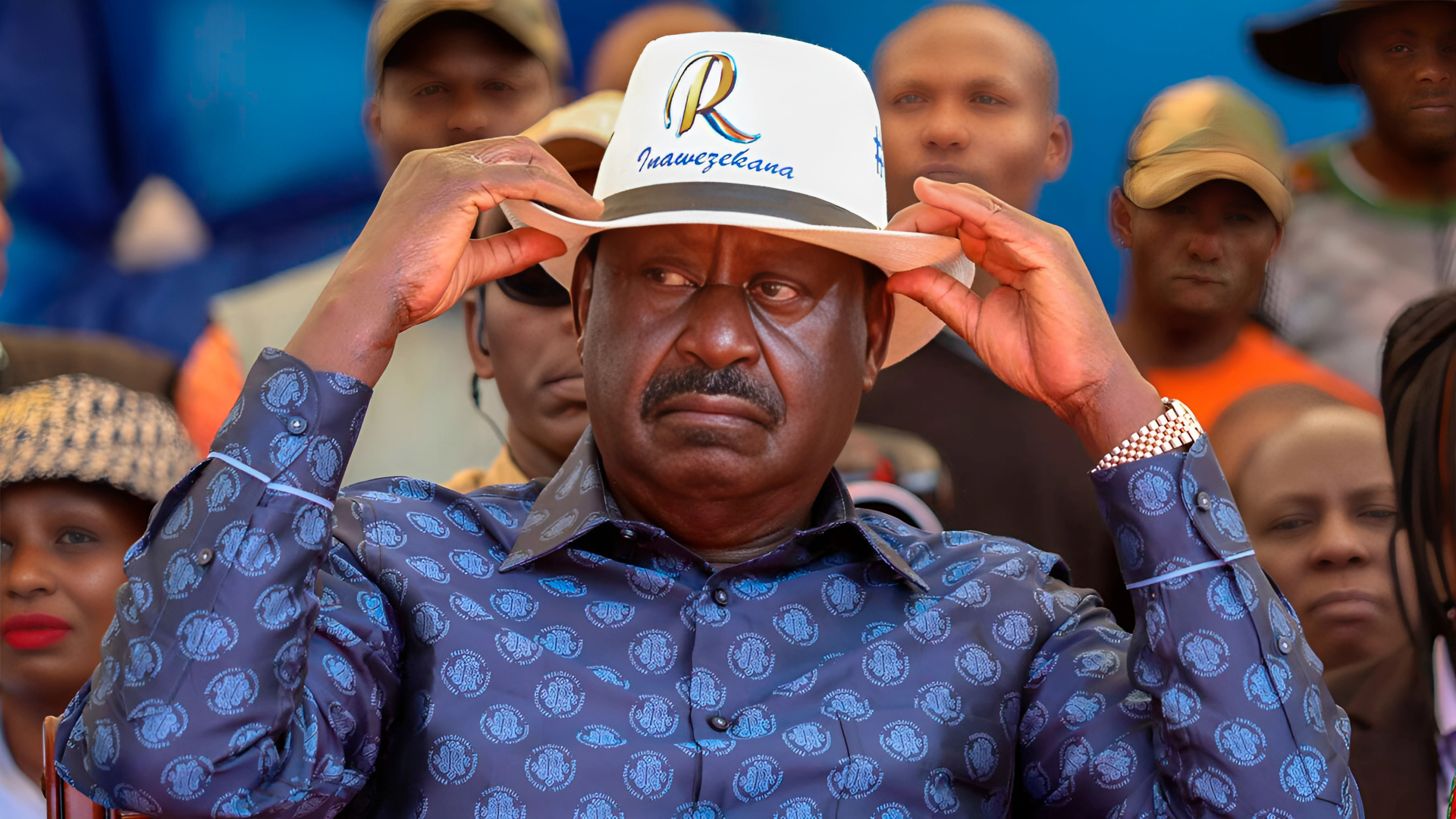
The announcement, made under the midday sun in Kisumu’s vibrant Kondele area, sent ripples through Kenya’s political landscape, where alliances and coalitions often shape electoral outcomes. Odinga, a towering figure who has contested the presidency five times without victory, used the platform to reaffirm his commitment to his supporters and to clarify his stance amid speculation about his political future. “Some leaders thought they could offer me a deal to control my direction,” he said. “They said they’d back me in 2027 if I support their candidate in 2032. I told them I don’t work that way. My loyalty is to the Kenyan people, not to political bargains.” The crowd erupted in applause, with many waving ODM flags and chanting “Baba,” a nickname that reflects Odinga’s enduring popularity among his base.
The rejected offer comes at a time of heightened political maneuvering in Kenya, with the 2027 elections looming less than two years away. Odinga’s decision to spurn the opposition’s overtures is seen as a strategic move to maintain his autonomy and preserve ODM’s identity as a distinct political force. The opposition coalition, reportedly led by figures like Wiper Party leader Kalonzo Musyoka and DAP-Kenya’s Eugene Wamalwa, aimed to consolidate anti-Ruto sentiment following widespread protests in June 2024 against the Finance Bill and governance issues. However, Odinga’s rejection signals a fracture in opposition unity, raising questions about whether the anti-Ruto forces can coalesce effectively against a well-resourced incumbent.
Odinga’s remarks also underscored his frustration with the opposition leaders involved in the offer. “Some of these people have disrespected us before,” he said, alluding to past tensions within the Azimio la Umoja coalition, which Odinga led in the 2022 elections. “One of them said we were outsiders, unfit to lead. How can I trust such a partner?” His comments appeared to reference remarks attributed to Musyoka, who in 2024 suggested that certain opposition figures were not central to the coalition’s strategy. The public airing of these grievances has deepened the rift, with analysts predicting a fragmented opposition unless reconciliation efforts succeed.
The political context of Odinga’s decision is shaped by his recent collaboration with President Ruto, a development that has confounded many of his supporters. In March 2025, Odinga and Ruto signed a Memorandum of Understanding to work together on national issues, a move that followed Odinga’s unsuccessful bid for the African Union Commission chairmanship. The agreement, described by Odinga as a “partnership for unity,” has seen ODM leaders like Hassan Joho and John Mbadi appointed to Ruto’s cabinet, blurring the lines between opposition and government. “We’re not in a coalition with Kenya Kwanza, but we’re working for Kenya’s stability,” Odinga clarified at the Kisumu rally. “This is about improving lives, not about me joining Ruto’s party.”
The collaboration has sparked debate within ODM, with some members accusing Odinga of diluting the party’s opposition credentials. Kisumu Woman Representative Ruth Odinga, Raila’s sister, defended his stance, arguing that the partnership was a pragmatic step. “Our leader is making sacrifices for the greater good,” she said at a recent party meeting. “We’re not abandoning our principles, but we can’t stay in the cold forever.” However, others, like Siaya Governor James Orengo, have expressed unease, warning that ODM risks losing its base if it aligns too closely with the government. “We’ve always been the voice of the people,” Orengo said. “We must remain true to that.”
Odinga’s rejection of the opposition deal has also reignited speculation about his plans for 2027. At 80 years old, the question of whether he will run for president again looms large. A recent TIFA poll indicated that 28 percent of Kenyans believe Odinga will rejoin the opposition to contest the presidency, while 23 percent expect him to support Ruto’s re-election. “I’m not going anywhere,” Odinga told the Kisumu crowd, dispelling retirement rumors. “When the time is right, I’ll give clear direction to my supporters. No one else can claim to lead my people.” His words were a pointed message to both opposition rivals and allies within ODM, signaling that he remains the party’s unchallenged leader.
The proposed deal’s structure—backing Odinga in 2027 for support in 2032—reflects the complex negotiations that define Kenyan politics. Analysts suggest the offer was an attempt to secure Odinga’s vast support base, particularly in Nyanza and Western Kenya, while ensuring a succession plan for younger opposition leaders like Musyoka. “It was a calculated move to lock in Raila’s influence,” said political analyst Jane Wambui. “But Raila’s rejection shows he’s not ready to be a placeholder for anyone.” Wambui noted that Odinga’s decision could either strengthen his bargaining power or isolate him if the opposition consolidates without him.
Public sentiment, particularly on platforms like X, has been mixed. Supporters of Odinga praised his independence, with one user posting, “Baba knows his worth. He doesn’t need deals to lead.” Others expressed skepticism about his collaboration with Ruto, with a user writing, “Raila can’t have it both ways—working with Ruto and claiming to be opposition.” The debate reflects the polarized nature of Kenyan politics, where loyalty to leaders often overshadows policy discussions. “Raila’s base trusts him implicitly,” said Wambui. “But he’ll need to clarify his vision to maintain that trust.”
The rejection also highlights the challenges facing the opposition as it seeks to challenge Ruto’s Kenya Kwanza administration. The 2024 protests, driven by Gen Z activists, exposed public frustration with economic policies and governance, creating an opportunity for a unified opposition. However, internal divisions, exemplified by Odinga’s refusal to join the proposed alliance, could weaken the opposition’s chances. “A divided opposition is Ruto’s best asset,” said political commentator Peter Kamau. “Raila’s decision might give him leverage, but it risks handing Ruto an easier path to 2027.”
Odinga’s supporters, particularly in Kisumu, remain steadfast. At the rally, local youth leader Mary Njoroge expressed confidence in Odinga’s leadership. “Baba has fought for us for decades,” she said. “He knows what’s best for Kenya.” Others, like trader John Okello, urged Odinga to run in 2027. “We need him to finish what he started,” Okello said, referencing Odinga’s long-standing advocacy for electoral reforms and equitable resource distribution. The enthusiasm underscores Odinga’s enduring appeal, even as he navigates a delicate balance between cooperation and opposition.
The broader implications of Odinga’s decision extend to ODM’s role in Kenya’s political future. The party, long a bastion of opposition politics, faces a dilemma: align with Ruto for influence or remain a distinct voice against the government. “ODM’s identity is at stake,” said Kamau. “Raila’s rejection of the deal shows he’s prioritizing independence, but it’s a risky move.” The party’s grassroots structures, particularly in Nyanza and the Coast, remain robust, but maintaining unity amid internal dissent will be critical.
Odinga’s next steps will likely involve extensive consultations with supporters, as he promised in Kisumu. “I’ll talk to my people across Kenya,” he said. “Their voice will guide my decision.” The consultations are expected to cover regions like Nairobi, Mombasa, and Western Kenya, where ODM enjoys significant support. “Raila’s strength is his ability to mobilize,” said Wambui. “If he can rally his base while addressing concerns about his Ruto partnership, he remains a formidable force.”
As Kenya approaches the 2027 elections, Odinga’s rejection of the opposition deal positions him as a wildcard in an already volatile political landscape. His decision to chart an independent path, coupled with his insistence on leading his supporters, underscores his belief in his enduring relevance. “I’ve fought for Kenya my whole life,” he said, closing his Kisumu speech. “I’m not done yet.” Whether he runs for president, supports another candidate, or seeks a different role, Odinga’s choices will shape the nation’s trajectory, as they have for decades.