A wave of intrigue swept through Kenya as details surfaced about a grand project unfolding within the heavily guarded confines of State House, Nairobi: a KSh 1.2 billion church with a capacity to seat 8,000 worshippers. President William Ruto, known for his deep-rooted faith and frequent church engagements, is quietly overseeing the initiative, which has completed its architectural design phase and is poised to transform the presidential estate. While the project reflects Ruto’s vision of fostering spiritual unity, it has ignited a firestorm of debate over its funding, purpose, and the implications of constructing a religious facility on government property. With Kenya grappling with a KSh 11.36 trillion public debt and strained public services, questions about whether taxpayers will bear the cost have taken center stage, amplifying concerns about transparency and priorities.
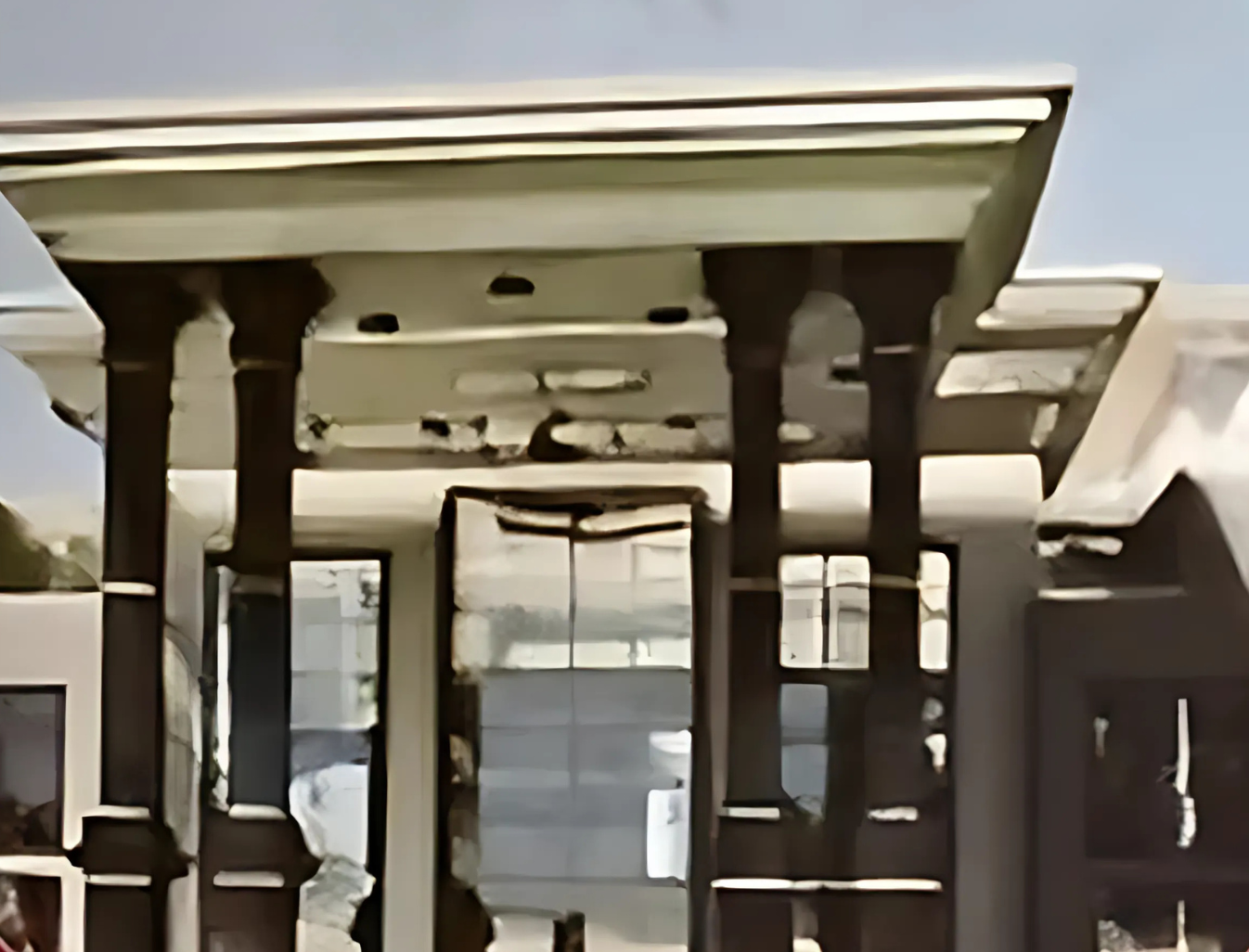
The ambitious church project, nestled within the sprawling State House grounds, is designed to be a modern architectural marvel, featuring a multi-tiered sanctuary, conference facilities, and spaces for community outreach. The plans, finalized by a Nairobi-based architectural firm, envision a structure that blends contemporary design with symbolic elements drawn from Kenya’s Christian heritage. “This is meant to be a place of worship and reflection for all Kenyans,” said a source close to the presidency, speaking anonymously due to the project’s sensitivity. “The president sees it as a legacy to unite the nation through faith.” The facility, which will dwarf many of Nairobi’s largest churches, is expected to host national prayer events, interdenominational services, and high-profile gatherings, potentially including visiting dignitaries.
Ruto’s personal commitment to the project is unmistakable. A devout Christian who often quotes scripture in his speeches, the president has made faith a cornerstone of his public persona, frequently hosting prayer breakfasts and attending church services across the country. “God has a purpose for Kenya,” Ruto said at a recent church event in Eldoret, emphasizing his belief in spiritual leadership. The State House church aligns with his vision of integrating faith into governance, a move that resonates with Kenya’s deeply religious population, where over 80 percent identify as Christian. However, the timing and scale of the project have raised eyebrows, particularly given the nation’s economic challenges and recent cuts to health and education budgets.
The question of funding remains a lightning rod for controversy. With Kenya’s debt servicing costs soaring to KSh 1.1 trillion in the 2024/25 fiscal year, consuming nearly a third of national revenue, critics argue that a KSh 1.2 billion church is an extravagance the country can ill afford. “We’re struggling to fund hospitals and schools,” said Jane Mwangi, a Nairobi-based economist and public policy analyst. “If taxpayers are footing this bill, it’s a misuse of public resources.” The presidency has remained tight-lipped about the funding model, with State House spokesperson Hussein Mohamed stating only that “details will be clarified in due course.” Speculation abounds that private donors, including wealthy religious organizations and Ruto’s personal networks, may be contributing, but no official confirmation has been provided.
The lack of transparency has fueled public skepticism, amplified on platforms like X, where users have expressed a mix of support and outrage. “A church at State House could inspire unity,” one user posted, reflecting the views of some who see the project as a positive step. Others were less forgiving, with one writing, “KSh 1.2 billion for a church while clinics lack medicine? This is tone-deaf.” The hashtag #StateHouseChurch has trended intermittently, capturing the polarized sentiments of a nation wrestling with economic hardship. Kenya’s public debt, reported at KSh 11.36 trillion by March 2025, has already strained essential services, with the United Nations warning that interest payments are crowding out healthcare and education funding.
Opposition leaders have seized on the issue, accusing Ruto of prioritizing personal projects over national needs. “This is a vanity project disguised as faith,” said a senior Azimio coalition official, speaking anonymously. “Kenyans deserve clarity on who’s paying for this and why it’s happening now.” The timing is particularly sensitive, following the July 2025 shutdown of USAID funding, which left a KSh 403.8 million gap in Kenya’s health budget. Critics point to underfunded hospitals in counties like Turkana and Baringo, where patients are turned away due to drug shortages, as evidence of misplaced priorities. “Our people are dying, and we’re building a mega-church?” questioned a nurse in Kisumu, echoing sentiments heard across the country.
The project’s location within State House has also sparked debate about the separation of church and state. While Kenya’s Constitution does not explicitly mandate a secular state, the use of government property for a religious facility raises legal and ethical questions. “State House is a symbol of national unity, not a place for one faith,” said Faith Odhiambo, president of the Law Society of Kenya. “This risks alienating non-Christians and setting a precedent for future administrations.” Kenya’s diverse religious landscape, including significant Muslim, Hindu, and traditionalist populations, adds complexity to the debate. Some fear the church could become a political tool, especially with the 2027 elections looming.
Supporters of the project, however, see it as a bold statement of values. “Kenya is a God-fearing nation,” said Bishop David Oginde, a close ally of Ruto and leader of Christ Is The Answer Ministries. “A place of worship at State House can bring leaders together to seek divine guidance.” Oginde, who has been consulted on the project, emphasized its potential to host interfaith events, though details on accommodating other religions remain vague. The church is expected to serve as a venue for national prayer days, a tradition Ruto has championed since taking office in 2022. “This isn’t just for the president; it’s for all Kenyans,” said a State House insider, defending the initiative.
The economic implications of the project are significant, particularly if public funds are involved. Kenya’s budget deficit, projected at KSh 876.1 billion for 2025/26, has forced cuts to social programs, including a KSh 4.3 billion reduction in free primary education. “If even a shilling of taxpayer money goes to this church, it’s a betrayal,” said John Kiptoo, a teacher in Uasin Gishu. The government’s recent struggles to raise revenue, compounded by the Kenya Revenue Authority’s KSh 2.26 trillion collection shortfall in 2024, have heightened scrutiny of discretionary spending. The Ethics and Anti-Corruption Commission has called for transparency, warning that off-budget projects could exacerbate Kenya’s fiscal woes.
Construction at State House has already begun, with heavy machinery and workers spotted on the grounds in early June 2025. The project, managed by a discreet team reporting directly to the presidency, is expected to be completed by mid-2027, ahead of the general election. Architectural renderings, which have circulated among government officials, depict a sleek, multi-level structure with advanced acoustics and eco-friendly features like solar panels. “It’s a beautiful design,” said a contractor involved in the project, speaking anonymously. “But the secrecy around funding is causing unease among workers.” The contractor hinted that foreign donors, possibly from evangelical networks in the United States, may be involved, though no evidence has been made public.
The project has also drawn comparisons to other controversial government expenditures, such as the KSh 2 billion renovation of State House facilities in 2023. Critics argue that Ruto’s administration has a pattern of prioritizing symbolic projects over practical needs. “We need roads, hospitals, and jobs, not a church,” said a trader in Nairobi’s Gikomba Market. Supporters counter that the church could boost tourism and national pride, citing similar projects like Nigeria’s National Ecumenical Centre. “This is about legacy,” said a pastor in Nakuru. “Ruto is building something that will outlast his presidency.”
As the debate rages, civil society groups are demanding accountability. The Okoa Uchumi Campaign has called for a parliamentary inquiry into the project’s funding, while the Kenya Human Rights Commission plans to challenge its legality in court. “Public land belongs to all Kenyans,” said a KHRC spokesperson. “We need answers on why this is happening and who’s paying.” The controversy has also galvanized youth activists, who see parallels with the 2024 anti-tax protests. “We fought against wasteful spending last year,” said a Gen Z organizer on X. “This church feels like another slap in the face.”
With construction underway and the nation watching, the State House church project is poised to define Ruto’s presidency, for better or worse. As Kenya navigates economic hardship and political polarization, the KSh 1.2 billion question remains: who will pay for this bold vision, and at what cost to a nation in need?