By Brenda Wereh02 Jul, 202541 mins read 2,439 views
0 comments 0 likes
Police in Dagoretti have recovered stolen firearms looted during the June 25 protests, intensifying investigations into criminal activities that marred the demonstrations.
Kenya witnessed a wave of protests that marked the one-year anniversary of the deadly 2024 anti-tax demonstrations, which claimed over 60 lives. These protests, largely driven by the youth and dubbed the "Gen Z protests," were intended to commemorate the victims of the previous year's violence while renewing calls for government accountability, an end to police brutality, and better governance. However, what began as a peaceful demonstration in many parts of the country quickly escalated into chaos in areas like Kikuyu and Dagoretti in Kiambu County. Among the most alarming incidents was the looting and burning of the Dagoretti Police Post, where rioters stole five firearms, including high-powered rifles and a pistol. The subsequent recovery of some of these stolen weapons by the Directorate of Criminal Investigations (DCI) has brought a glimmer of hope to a nation grappling with the aftermath of the violent unrest. This article delves into the events of the protests, the theft of the firearms, the police response, and the broader implications for Kenya’s security and governance.
The protests on June 25, 2025, were a continuation of a movement that began in 2024, sparked by a controversial finance bill that proposed steep tax hikes on essential goods. The 2024 protests, which culminated in the storming of Kenya’s parliament, forced the government to withdraw the bill but left a lasting scar on the nation, with over 60 deaths and widespread allegations of police brutality. A year later, thousands of Kenyans, particularly young people, took to the streets in Nairobi, Mombasa, Kisii, and other cities to honor the memory of those killed and to demand systemic reforms.
The demonstrations were fueled by ongoing grievances, including corruption, the rising cost of living, and a series of high-profile cases of alleged police misconduct. Notable among these were the death of a teacher in police custody and the shooting of an unarmed street vendor, Boniface Kariuki, who was fatally shot at close range by a police officer during a protest on June 17, 2025. These incidents reignited public outrage, with many protesters chanting slogans like “Ruto must go” and calling for an end to extrajudicial killings and forced disappearances. According to Amnesty Kenya, the Kenya National Commission on Human Rights (KNCHR), and other rights groups, the protests also highlighted a wave of abductions, with 15 reported cases of forced disappearances during the June 25 unrest.
While the protests were intended to be peaceful, with organizers receiving assurances from authorities for safe demonstrations, the situation in some areas turned violent. In Kikuyu and Dagoretti, what began as a procession devolved into chaos, with rioters barricading roads, burning tires, and attacking government facilities, including police stations.
The Attack on Dagoretti Police Post
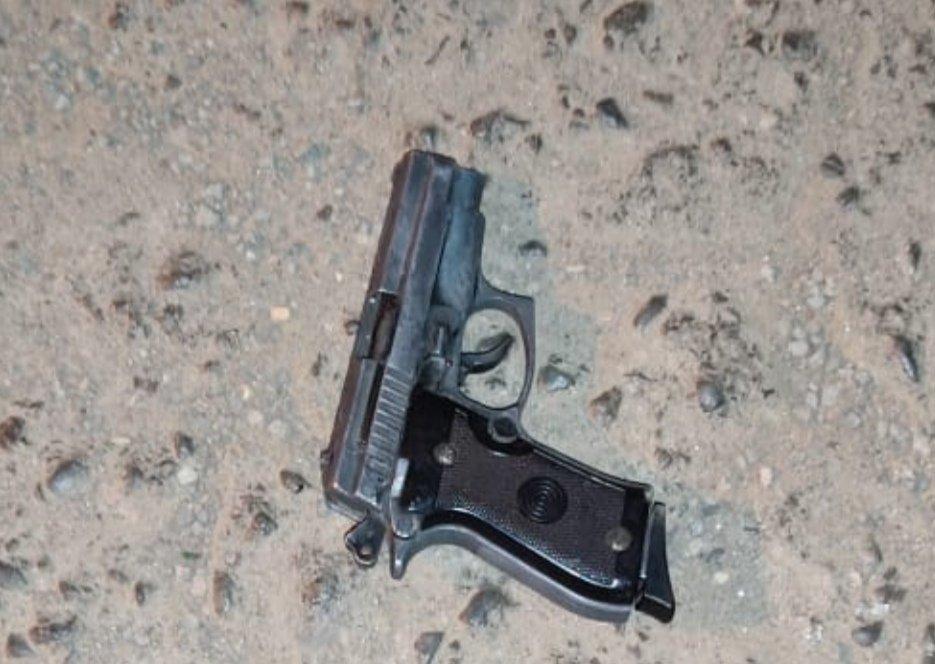
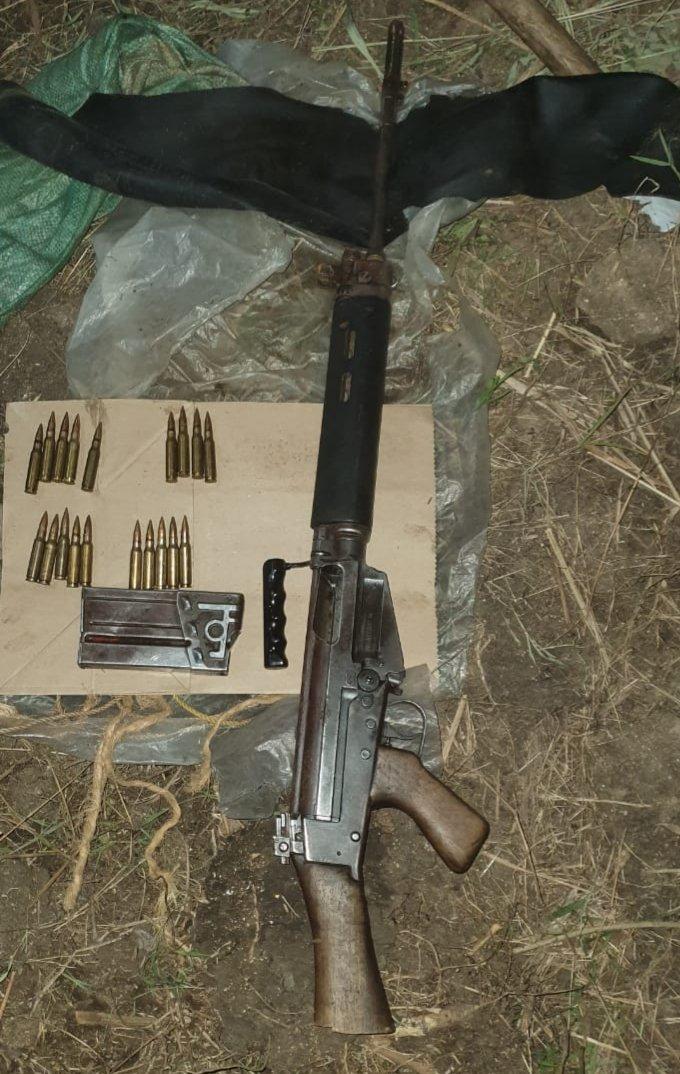
The Dagoretti Police Post in Kiambu County became a focal point of the chaos on June 25, 2025. According to a police report obtained by Citizen Digital, a group of rioters, some allegedly hired from nearby Limuru and Kiambu counties, stormed the police post, looted it, and set it on fire. During the attack, the rioters targeted the armory, stealing five firearms: two AK-47 rifles, a G3 rifle, a Jericho pistol, and an anti-riot gun. This brazen theft raised immediate concerns about the potential misuse of these weapons, given their firepower and the volatile context of the protests.
Interior Cabinet Secretary Kipchumba Murkomen, in a press briefing on June 26, 2025, described the attacks as orchestrated and targeted, suggesting that the rioters had specific intentions to seize firearms and police uniforms from armories. He noted that at least nine police stations across the country, including Dagoretti, Molo, and Ol Kalou, were attacked, with five being torched. Murkomen labeled the protests as “terrorism disguised as dissent,” a statement that drew sharp criticism from civil society groups who argued that it deflected from the government’s failure to address legitimate grievances.
The attack on Dagoretti was not an isolated incident. In Kikuyu, rioters set fire to the Kikuyu Law Courts, County Government offices, and the District Crime Prevention Unit, destroying buildings and vehicles. One person was killed, and five police officers sustained injuries during the unrest. The chaos also saw the recovery of a stolen body laid at the gate of Kikuyu Police Station, further highlighting the violent turn of events.
Police Response and Recovery Efforts
In the wake of the attacks, the Directorate of Criminal Investigations launched a nationwide operation to recover the stolen firearms and apprehend those responsible. By June 28, 2025, police from Kabete Police Station, acting on a tip-off, recovered one of the stolen AK-47 rifles, along with an empty magazine and a single round of 7.62mm special ammunition, from a suspect’s home in Kabete. The suspect, however, fled upon spotting the detectives, prompting a manhunt that is still ongoing. The DCI confirmed that the recovered items were among those looted from Dagoretti Police Post during the June 25 protests.
On the same day, another operation in Dagoretti South led to the arrest of one individual and the recovery of another AK-47 rifle, which was found hidden under a table. According to the police, the suspect was believed to have vandalized a Cooperative Bank ATM in Dagoretti Market and engaged in a drinking spree while in possession of the stolen weapon. This recovery was part of a broader crackdown that saw over 485 arrests nationwide, with 448 suspects already charged in court for offenses ranging from murder and terrorism to arson and possession of illegal firearms.
The DCI’s efforts also included forensic analysis to trace the stolen firearms and identify any additional links to the protests. Director of Criminal Investigations Mohamed Amin convened a high-level security meeting to assess the national security situation and coordinate the response to the protests’ aftermath. The recovery of the firearms was hailed as a significant step in restoring order, but public skepticism persisted, with many Kenyans questioning the lack of detailed information about the suspects and the circumstances of the recoveries.
Broader Implications for Security and Governance
The theft of firearms from Dagoretti Police Post and their partial recovery underscore significant challenges in Kenya’s security and governance landscape. The fact that rioters were able to overrun a police post and access an armory raises serious questions about the preparedness and capacity of law enforcement to handle large-scale protests. The stolen weapons, particularly the AK-47 rifles, are high-powered and could pose a significant threat if misused by criminal elements or in further unrest. The ongoing manhunt for the escaped suspect and the unrecovered firearms highlights the urgency of addressing these security gaps.
Moreover, the protests and their violent turn reflect deep-seated frustrations with the government. The 2024 anti-tax protests exposed public discontent with economic policies perceived as burdensome, particularly for the youth, who make up a significant portion of Kenya’s population. The 2025 protests, while commemorative, were also a response to unresolved issues, including police brutality and corruption. The death of Boniface Kariuki and the reported abductions further eroded public trust in law enforcement, fueling calls for systemic reforms.
The government’s response, including Murkomen’s authorization of police to shoot at protesters, has been widely criticized. Human rights groups, including Amnesty Kenya and the Kenya National Commission on Human Rights, reported that at least 16 people died during the June 25 protests, most from gunshot wounds, with over 400 injured. The Kenya Medical Association and the Law Society of Kenya condemned the excessive use of force, noting that eight of the injured had gunshot wounds, and 83 required specialized treatment. The government’s decision to ban live media coverage of the protests and restrict access to Telegram was also denounced as an attempt to suppress accountability.
Public and International Reactions
The events in Dagoretti and the broader protests have sparked significant reactions both domestically and internationally. Kenyans on social media expressed frustration with the government’s handling of the protests and the lack of transparency in the DCI’s reports on the recovered firearms. Some questioned why suspects were not named or apprehended alongside the recovered weapons, reflecting a broader distrust in state institutions.
Internationally, a joint statement from the U.S. Embassy and other Western diplomatic missions emphasized the importance of protecting the right to protest as a cornerstone of Kenya’s democracy. Rights groups like Amnesty International called for investigations into the deaths and injuries, urging accountability for police actions. The Kenyan High Court’s order to produce missing blogger Ndiangui Kinyagia within 24 hours further highlighted the judiciary’s role in addressing human rights concerns amid the unrest.
Looking Ahead: The Path to Stability
As Kenya prepares for further protests, including planned demonstrations on July 7, 2025, to mark Saba Saba Day, the government faces mounting pressure to address the root causes of public discontent. The National Alternative Alliance, a coalition of political parties and civil society groups, has called for reforms in governance and foreign policy, warning that failure to act could lead to more unrest. The recovery of the stolen firearms is a step toward restoring security, but the government must also tackle issues of police accountability, economic inequality, and public trust to prevent further escalation.
The events in Dagoretti serve as a stark reminder of the delicate balance between maintaining law and order and respecting the right to protest. The stolen firearms, while partially recovered, underscore the risks of unchecked violence and the need for robust security measures. As investigations continue and the nation grapples with the aftermath, the path to stability will require dialogue, accountability, and a commitment to addressing the grievances of Kenya’s youth.
The chaos in Dagoretti and the subsequent recovery of stolen firearms highlight the complexities of Kenya’s ongoing struggle with governance and security. The June 25, 2025, protests, while rooted in legitimate demands for justice and reform, were marred by violence that targeted critical infrastructure and endangered public safety. The DCI’s efforts to recover the stolen weapons demonstrate a commitment to restoring order, but the broader issues of police brutality, corruption, and economic hardship remain unresolved. As Kenya navigates this turbulent period, the government, civil society, and citizens must work together to address these challenges and build a more inclusive and accountable future.
Former Kiambu Governor Ferdinand Waititu has secured a major bail reprieve from the High Court, with Justice Winfrida Okwany reducing his bail from Sh53.5 million to Sh20 million cash pending appeal in his ongoing corruption case.
Kenya National Highways Authority names Eng. Luka Kipchumba Kimeli as Director General while Kenya Roads Board appoints Judith Otsyula to the same role in major leadership changes for Kenya's roads sector.
Kenya’s Committee on Communication, Information and Innovation has rejected calls for a complete ban on TikTok, instead proposing mandatory local storage of Kenyan user data and full compliance with national laws in a report adopted for debate in the National Assembly.