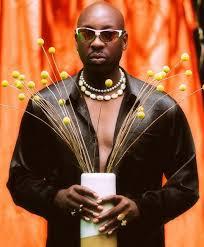
A detailed exploration of the recent public feud between Kenyan music stars Otile Brown and Bien-Aimé Baraza, sparked by a social media spat over a manager’s resignation, delving into their rivalry, fan reactions, and the broader implications for Kenya’s music scene.
The Kenyan music scene, known for its vibrancy and diversity, has been set ablaze by a heated public feud between two of its biggest stars: R&B sensation Otile Brown and Sauti Sol’s Bien-Aimé Baraza. The conflict, which erupted on July 28, 2025, stems from a seemingly innocuous social media post that escalated into a war of words, drawing millions of fans into a debate about authenticity, success, and rivalry in the industry. What began as a perceived slight over the resignation of Otile’s manager, Mumbi Maina, has spiraled into a clash that highlights the competitive undercurrents of Kenya’s music landscape. This article examines the origins of the beef, the artists’ exchanges, and the broader implications for their careers and the industry, weaving in perspectives from fans, industry insiders, and the artists themselves.
The spark that ignited this feud was Bien’s Instagram Stories post on July 28, 2025, where he shared news of Mumbi Maina’s resignation as Otile Brown’s manager, accompanied by his new track, “All My Enemies Are Suffering.” The song’s title and timing were widely interpreted as a deliberate jab at Otile, suggesting that Bien was gloating over turmoil in Otile’s camp. Mumbi’s resignation statement was gracious, noting, “Working with Otile has been a journey I’ll always be proud of, full of growth, creativity, and unforgettable moments. For the sake of my peace, purpose, and professional evolution, I believe this is the right time to step back.” However, Bien’s decision to pair this news with his song’s provocative title set off a firestorm.
Otile Brown, known for his smooth Swahili ballads and massive YouTube following, did not hold back. In a series of scathing Instagram Stories, he lashed out at Bien, accusing him of hypocrisy, seeking attention, and lacking authenticity. “You call yourself international, but there’s no originality there,” Otile wrote. “Moisturize those lips that can’t stay still for a minute, dress properly, and stop wearing cheap village accessories.” He went further, dubbing Bien “Mshamba International,” a term loosely translating to “international clown,” and claimed that Bien’s music lacks longevity compared to his own timeless hits. “I’m number 17 on YouTube with a two-year-old song, and you can’t even hit number one with all that noise,” Otile taunted, referencing Bien’s solo efforts failing to dominate digital charts despite heavy promotion.
Bien, a former member of the now-on-hiatus Sauti Sol and Spotify’s most-streamed Kenyan artist of 2024, initially seemed to take the high road. In August 2024, he had publicly apologized to Otile for a previous spat, saying, “I’ve come to my senses. I have no business beefing with a hard-working brother. Sorry, Otile.” However, following Otile’s latest tirade, Bien retracted that apology on July 28, 2025, stating, “After deep soul searching, I’ve realized there’s no sleep or mercy for the wicked. I withdraw yesterday’s apology. Here’s my latest diss-track.” The track, while not explicitly naming Otile, contained lyrics that fans interpreted as targeting his rival, further fueling the feud.
The exchange has divided fans and sparked intense discussions across social media platforms like X, where sentiments range from support for Otile’s bluntness to admiration for Bien’s resilience. “Otile is speaking facts,” said Sarah Wanjiru, a 27-year-old fan from Nairobi. “His music has staying power, and Bien’s just chasing clout with TikTok hits.” Conversely, others defend Bien’s versatility and global appeal. “Bien’s working with international artists and evolving Kenyan music,” said James Omondi, a 32-year-old DJ from Mombasa. “Otile’s stuck in his lane, throwing insults instead of growing.” Posts on X reflect this split, with some praising Otile as “the most talented artist in East Africa” and others arguing that Bien’s success, including his chart-topping hits, speaks for itself.
The feud’s roots trace back to earlier tensions. In 2024, Otile sparked controversy by claiming there were no truly international artists in Kenya, a statement Bien took as a personal slight. Bien responded by accusing Otile of criticizing his collaborative track with Prince Indah and Adekunle Gold, escalating their rivalry. The current conflict, however, appears to hinge on professional pride and perceived slights. Bien’s post about Mumbi’s resignation was seen as opportunistic, while Otile’s response was deemed overly personal, targeting Bien’s appearance and authenticity. “It’s not just about the manager’s exit,” says music analyst Grace Ndung’u. “This is about two giants asserting dominance in a competitive industry.”
Otile Brown, with 62.6 million streams and 2.2 million Instagram followers, has built a loyal fanbase through romantic hits like “Dusuma” and “Chaguo La Moyo.” His independence as an artist, free from major label constraints, is a point of pride, and he often emphasizes his ability to sustain success without relying on trends. Bien, with 863,000 Instagram followers and a string of solo hits post-Sauti Sol, has positioned himself as a global ambassador for Kenyan music, collaborating with international artists and pushing genre boundaries. Their differing approaches—Otile’s focus on timeless R&B versus Bien’s experimental, trend-driven style—have fueled comparisons and, now, conflict.
The timing of the feud raises questions about its authenticity. Some observers suggest it may be a publicity stunt to boost both artists’ visibility. “The pattern feels like showbiz,” says Ndung’u. “Both are dropping new music, and this drama keeps them trending.” Otile’s reference to his YouTube rankings and Bien’s release of a diss-track align suspiciously with their promotional cycles. However, the personal nature of Otile’s insults, particularly his comments about Bien’s appearance, suggests genuine tension. “I’m not a hater, but you need to look the part,” Otile wrote. “You can’t beat me, even with a Grammy.”
The resignation of Mumbi Maina, a respected figure in Otile’s camp, adds complexity to the narrative. Her statement emphasized mutual respect, saying, “This decision was made with respect and mutual understanding. I wish Otile the best as he writes the next phase of his story.” Yet, Bien’s decision to highlight her exit with a taunting song choice struck a nerve. “Bien knew what he was doing,” says Wanjiru. “Posting that song was a low blow.” Mumbi’s departure, while framed as amicable, has sparked speculation about internal struggles in Otile’s team, which Bien’s post appeared to exploit.
The feud has also drawn reactions from other artists. Bensoul, a former Sauti Sol member, previously clashed with Otile in April 2025, calling him “overrated” but later expressing openness to a collaboration. “Otile’s worked hard, but he started this by attacking Savara,” Bensoul said, referring to an earlier dispute. “Still, I’d work with him to learn from each other.” This suggests that while tensions run high, the industry values collaboration over prolonged conflict. However, Otile’s latest comments praising Nviiri the Storyteller while slamming Bien indicate he’s drawing lines in the sand.
The broader implications of this feud extend beyond the artists themselves. Kenya’s music industry is at a crossroads, with artists striving for global recognition while maintaining local relevance. Otile and Bien represent different paths to success, and their clash highlights the pressures of staying relevant in a fast-evolving digital landscape. “Fans love the drama, but it risks overshadowing the music,” says Omondi. “Both are talented, but this beef could hurt their credibility if it drags on.”
As the feud unfolds, fans await the next move. Will Bien release another diss-track, or will Otile double down with new music? The possibility of reconciliation seems slim, given Bien’s retraction of his apology and Otile’s unapologetic stance. “I don’t respect that guy,” Otile said, signaling a deep rift. Yet, the industry’s history of resolving conflicts—such as Bien’s earlier apology—suggests a resolution isn’t impossible. For now, Nairobi’s music scene is buzzing with speculation, and the feud has ensured both artists remain in the spotlight. “This is how stars stay relevant,” says Ndung’u. “But they need to balance drama with substance to keep fans listening.”
Former Kiambu Governor Ferdinand Waititu has secured a major bail reprieve from the High Court, with Justice Winfrida Okwany reducing his bail from Sh53.5 million to Sh20 million cash pending appeal in his ongoing corruption case.
President Ruto and Governor Sakaja signed a cooperation agreement allocating funds for 50,000 new streetlights, water plants saving 50 million litres daily, 27 km Nairobi River sewer and ward road upgrades, with Ruto calling it a partnership to make the city livable while opposition senators warn of devolution threats.
A staff member at Moi Teaching and Referral Hospital allegedly stole Sh10 million by falsifying patient bills as paid in the eCitizen system while diverting the money to her personal account, prompting an ongoing police and hospital investigation.