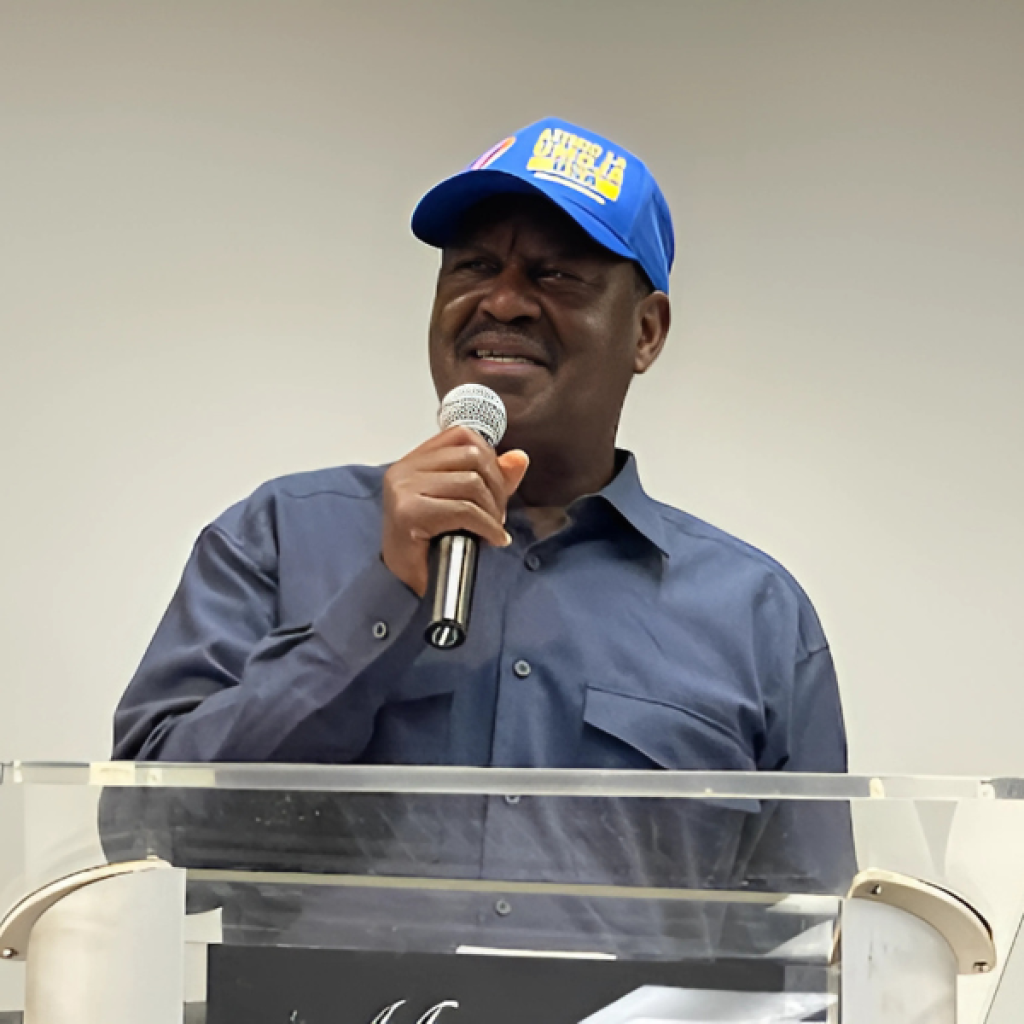
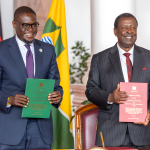
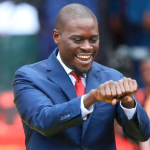
In a powerful statement released on July 11, 2025, former Prime Minister and Orange Democratic Movement (ODM) leader Raila Odinga delivered a scathing critique of President William Ruto and Belgut MP Nelson Koech over their controversial directives to police officers handling protests. The remarks, made amid escalating tensions following the deadly Saba Saba protests on July 7, which claimed 31 lives, condemned orders to shoot protesters in the legs as “wrong” and unconstitutional. Odinga, speaking from his Nairobi office, called for a return to the rule of law, emphasizing that arrests and court arraignments should take precedence over actions that kill, maim, or brutalize citizens. “Any orders or instructions to the police to shoot to kill, maim, disorient, or shock citizens are wrong,” he declared. “We are all better served as a country when we stick to the principle that everyone is innocent until proven guilty, a determination that can only be made by a competent court of law.”
The controversy stems from President Ruto’s July 9 address, where he instructed police to shoot looters and vandals in the legs to incapacitate them, followed by hospitalization and court arraignment. The directive came as Kenya grappled with widespread unrest, including protests in Nairobi, Naivasha, and other cities, fueled by economic hardships and allegations of state-sponsored violence. Belgut MP Nelson Koech, Chairperson of the National Assembly Defence, Intelligence, and Foreign Relations Committee, escalated the rhetoric on July 10, advocating for even harsher measures, including lethal force against those targeting critical infrastructure like State House. “You cannot have someone coming after your life, and you do not want to shoot and kill,” Koech said during a public event in Chebirbei, Kericho County. “That is a criminal, an armed person that must be dealt with using equal force.” His remarks, widely criticized as inflammatory, prompted Odinga’s swift response, reigniting a national debate over police accountability and human rights.
Odinga’s statement underscores a growing divide between opposition leaders and the Kenya Kwanza administration, despite their collaboration in a broad-based government formed through a March 2025 Memorandum of Understanding (MoU) between ODM and Ruto’s United Democratic Alliance (UDA). The MoU, signed to ease national tensions after the June 2024 invasion of Parliament, has seen ODM figures like John Mbadi and Opiyo Wandayi take key cabinet roles. However, Odinga’s sharp rebuke signals a willingness to challenge Ruto on issues of governance and security. “As a country, we should do everything to avoid the militarized approach to policing,” he said, warning that such tactics increase the risk of violence for both citizens and officers. “Examples from around the continent show that such an approach only escalates conflict.”
The Saba Saba protests, which erupted over youth unemployment, a KSh11.36 trillion public debt, and allegations of extrajudicial killings, have intensified scrutiny of Kenya’s security apparatus. The Kenya National Commission on Human Rights reported 31 deaths and over 100 injuries during the July 7 demonstrations, with incidents like the killing of mask vendor Boniface Kariuki fueling public outrage. Odinga, a veteran of Kenya’s reform struggles, drew on this context to advocate for restraint. “Let’s prioritize arrests and arraignment in courts over killing, maiming, or brutalizing of suspects,” he urged. “This preserves the dignity and respects the human rights of suspects while conferring credibility to the actions of the state.” His call resonated with activists and ordinary Kenyans, many of whom took to X to express support. One user posted, “Raila is right—shooting protesters is not the answer. We need justice, not violence.” Another wrote, “Koech’s words are reckless. Thank you, Baba, for standing up for us.”
The controversy has drawn mixed reactions from political leaders. Former Deputy President Rigathi Gachagua, now leading the Democracy for the Citizens Party, echoed Odinga’s sentiments, accusing Ruto of insulting victims of past police brutality. “Ordering police to shoot innocent Kenyans in the legs adds insult to injury,” Gachagua said, speaking in Dallas during his U.S. diaspora tour. Wiper leader Kalonzo Musyoka also condemned the directive, describing it as “dangerous to both citizens and the Constitution.” However, some Kenya Kwanza allies defended Ruto and Koech. Kiharu MP Ndindi Nyoro called the orders necessary to curb lawlessness, stating, “We cannot allow criminals to destroy businesses and terrorize citizens.” Interior Cabinet Secretary Kipchumba Murkomen, addressing a post-protest inspection, acknowledged instances of excessive force but framed Ruto’s directive as a response to attacks on police stations. “We’ve seen people burn property and injure officers,” he said. “The government must act decisively.”
The debate has reignited calls for police reform, a longstanding issue in Kenya. Odinga’s statement referenced the 2017 Maraga Report, which recommended overhauling the National Police Service to address brutality and corruption. “A militarized approach to policing endangers both the suspect and the law enforcement officers,” he said, citing failed policing models in other African nations. Activists like Boniface Mwangi have amplified this message, organizing vigils for protest victims and demanding accountability. “Raila’s voice adds weight to our fight,” Mwangi said at a Nairobi candlelight vigil. “We cannot normalize shooting our youth.” The hashtag #StopPoliceBrutality trended on X, reflecting public frustration with the government’s response to protests.
Koech’s remarks have drawn particular ire, with critics accusing him of undermining Kenya’s human rights commitments. A former journalist turned politician, Koech argued that the Police Act empowers officers to use lethal force when lives or critical property are threatened. “Anyone attempting to storm a protected area like State House is a terrorist,” he said, defending his call for a “shoot-to-kill” approach. His comments sparked outrage in Kericho, where local trader Mary Wanjiku expressed fear. “If police start shooting to kill, who is safe?” she asked. “We protest because of hunger, not to die.” Odinga’s statement directly countered Koech, urging law enforcement to uphold constitutional protections. “The police have a duty to protect, not to harm,” he said, calling for training to ensure proportional responses.
The political fallout has strained the Kenya Kwanza-ODM alliance. ODM Secretary General Edwin Sifuna, speaking at a Nairobi rally, reaffirmed the party’s commitment to oversight despite its government roles. “We’re in the cabinet, but we won’t be silent when Ruto or his MPs cross the line,” he said. The MoU, while fostering unity, has faced criticism from Azimio coalition partners like Martha Karua, who warned against compromising opposition principles. “Raila’s stance today shows he’s listening to the people,” Karua said, though she urged ODM to reconsider its government ties. The tension highlights the delicate balance Odinga navigates as both a government partner and opposition leader.
Public sentiment, especially among Kenya’s youth, remains volatile. The Gen Z-led protests, initially sparked by the 2024 Finance Bill, have evolved into demands for Ruto’s resignation and systemic change. The killing of blogger Albert Ojwang in custody last month further inflamed tensions, with over 532 arrests reported during the Saba Saba protests. Odinga’s statement, while not explicitly endorsing the protests, aligns with the youth’s call for justice. “Baba is speaking for us,” said Mercy Wairimu, a university student in Nairobi. “We don’t want to be shot for demanding better lives.” Others, however, expressed skepticism, noting Odinga’s history of political handshakes. “He talks reform, but he’s in bed with Ruto,” one X user posted.
Chief Justice Martha Koome, addressing a judicial conference on July 10, cautioned against escalating protests, warning they threaten Kenya’s democratic fabric. “Violence undermines the rule of law we’re all fighting for,” she said. Her remarks, while neutral, underscore the judiciary’s role in resolving disputes over protest-related arrests. Odinga’s call for court arraignments aligns with this, emphasizing judicial processes over extrajudicial actions. “Only a court can determine guilt,” he reiterated, urging the government to strengthen legal mechanisms.
As Kenya braces for more protests, Odinga’s statement has galvanized civil society. The Kenya Human Rights Commission plans a petition to challenge the shoot-to-leg directive, citing violations of Article 26 of the Constitution, which protects the right to life. “Raila’s words give us hope, but we need action,” said director Ann Wanjiku. Meanwhile, Ruto’s administration faces pressure to address economic grievances, with youth unemployment at 67 percent and inflation driving up living costs. The President, speaking in Nakuru on July 11, defended his job creation efforts but maintained a hardline stance on protests. “Change comes through the ballot, not violence,” he said, urging opponents to wait for 2027.
Odinga’s intervention marks a critical moment in Kenya’s political discourse. His call for restraint and respect for human rights challenges the government to rethink its approach to dissent. As the nation mourns protest victims and grapples with economic woes, the debate over policing and governance remains far from resolved. “We must choose dialogue over bullets,” Odinga concluded, a message that resonates with a nation at a crossroads.