By Brenda Wereh28 Aug, 202519 mins read 2,479 views
0 comments 0 likes
KRA announced plans to end manual filing of annual returns for salaried workers from January, introducing an auto-fill system to ease compliance.
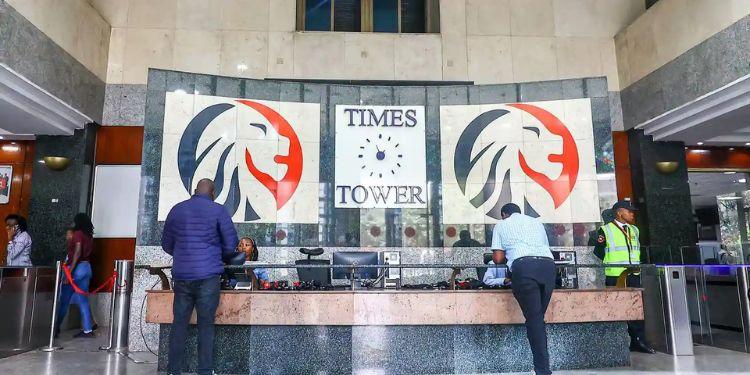
A significant shift in Kenya’s tax administration landscape dawned this morning, Thursday, August 28, 2025, as the Kenya Revenue Authority (KRA) unveiled plans to phase out manual filing of annual tax returns for salaried workers, effective January 2026. The announcement, made at 08:08 AM East Africa Time during a press briefing at Times Tower in Nairobi, introduces a streamlined process where employees can enter their national identification number, prompting the system to auto-fill their details based on employer data. Aimed at simplifying compliance for those with only salary income or nil returns, the initiative seeks to reduce the risk of penalties due to errors or late submissions. "This change will make tax filing easier and more accurate for millions," said KRA Commissioner General Humphrey Wattanga, addressing a gathering of journalists and tax consultants. The news has sparked a wave of relief and anticipation amid the country’s Sh10 trillion national debt and 5.5% inflation.
The decision addresses long-standing challenges faced by salaried employees, who often struggle with the complexities of manual filing, particularly those with straightforward income sources. Under the new system, KRA will integrate data from employers’ PAYE (Pay As You Earn) submissions, allowing the iTax platform to pre-populate returns with income, tax deductions, and reliefs. For individuals with nil returns—those whose taxes are fully deducted at source—the process will be reduced to a single confirmation step, minimizing paperwork and deadlines. A farmer in Migori, tending his maize field, remarked, "My wife works in an office; this will save her time."
Public response has been a mix of enthusiasm and cautious optimism. In Kisumu, a teacher preparing lessons for her students caught the update on her radio and said, "No more late-night forms; this is a relief." The move aligns with KRA’s digital transformation agenda, building on the success of the iTax system, which has seen a 70% uptake among registered taxpayers. Employees with only salary income, numbering over 2 million, will benefit most, while those with additional income sources can still adjust entries manually. A youth leader in Naivasha, organizing a community workshop, added, "This could encourage more people to comply without fear." The change tests technological adoption.
The morning’s announcement drew diverse reactions. In Thika, a mother preparing breakfast for her children said, "I always worry about penalties; this helps." In Baringo, a herder tending cattle noted, "If it’s simple, even I could try it." The auto-fill feature, set for a pilot in November 2025, will use encrypted data to ensure security, with KRA planning awareness campaigns to guide users. The initiative aims to cut the 15% penalty rate for late filings, a burden for casual workers and small earners, and reduce administrative costs. A driver in Garissa, fueling his matatu, remarked, "This could make tax time less stressful." The plan reflects efficiency goals.
As the day progressed, the story reached remote areas. In Marsabit, a community elder listening to a radio update said, "Our teachers will find this useful." In Mombasa’s markets, a fisherman packing nets asked, "Will it work for everyone?" The January 2026 rollout will follow a three-month testing phase, with KRA collaborating with employers to upload real-time payroll data. The system will flag discrepancies, prompting users to verify or correct entries, a shift from the current manual process that often leads to errors. A shopkeeper in Homa Bay, preparing for the Devolution Conference, noted, "This could boost trust in KRA if it’s smooth." The initiative addresses compliance barriers.
The morning brought a reflective mood to offices and homes. In Eldoret, a public servant preparing a report said, "This saves us from paperwork headaches." In Kisumu, a father checking on his family added, "My salary is all I earn; this will be quick." The change comes amid rising tax collection targets, with KRA aiming to raise Sh2.5 trillion annually to support public spending. The auto-fill system, integrated with the Kenya Revenue Authority’s eCitizen portal, will also reduce fraud risks by cross-checking data, a concern after past manual filing discrepancies. A community organizer in Turkana, planning a radio talk, remarked, "We need clear guidance to make it work." The move challenges digital readiness.
Experts see a progressive step. In Nairobi, a tax consultant discussing over tea said, "This could increase compliance if the system is reliable." The initiative builds on global trends, like South Africa’s eFiling, but requires robust infrastructure to handle Kenya’s diverse workforce. A vendor in Timau, closing his stall, said, "Let’s hope it doesn’t crash on deadline day." KRA plans to train 10,000 agents to assist users, with a helpline launching in December 2025. A father in Nyahururu, walking home with his family, added, "This makes tax filing feel modern." The plan marks a technological milestone.
The day saw continued engagement across the country. In Nakuru, a group at a market debated the news. "Will it work in rural areas?" one trader asked, sorting vegetables. In Nairobi’s cyber cafes, a student scrolling through updates noted, "Social media is praising the ease." The ministry will issue guidelines by October, with a public portal demo scheduled for November. A youth leader in Kitale, organizing an event, reflected, "This could set a new standard if supported well." As the rollout nears, its success will shape Kenya’s tax system.
Former Kiambu Governor Ferdinand Waititu has secured a major bail reprieve from the High Court, with Justice Winfrida Okwany reducing his bail from Sh53.5 million to Sh20 million cash pending appeal in his ongoing corruption case.
President Ruto and Governor Sakaja signed a cooperation agreement allocating funds for 50,000 new streetlights, water plants saving 50 million litres daily, 27 km Nairobi River sewer and ward road upgrades, with Ruto calling it a partnership to make the city livable while opposition senators warn of devolution threats.
A staff member at Moi Teaching and Referral Hospital allegedly stole Sh10 million by falsifying patient bills as paid in the eCitizen system while diverting the money to her personal account, prompting an ongoing police and hospital investigation.