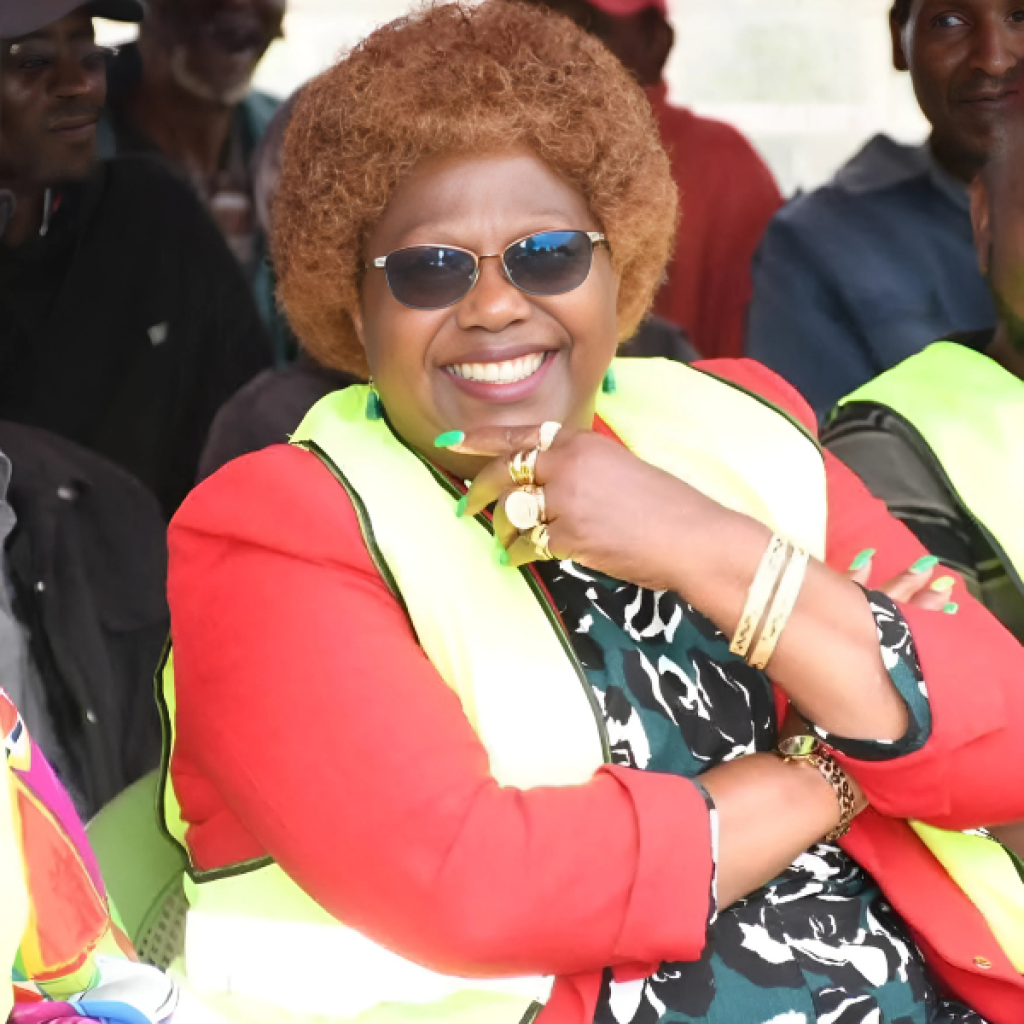
Naivasha MP Jayne Kihara was taken to Milimani Law Courts shortly after being whisked away by police to an undisclosed location, a dramatic turn of events following her arrest the previous day on Friday, July 18, 2025. The legislator’s sudden appearance thrust her into a legal and political storm, with supporters and curious onlookers gathering outside the court, their murmurs blending with the hum of traffic as they awaited her fate. The move came after a tense standoff, with Kihara’s legal team and allies scrambling to locate her after police spirited her away, leaving questions about her charges and the process hanging in the balance. “We need to know what’s happening to her,” said a young man in the crowd, clutching a phone to capture the unfolding scene.
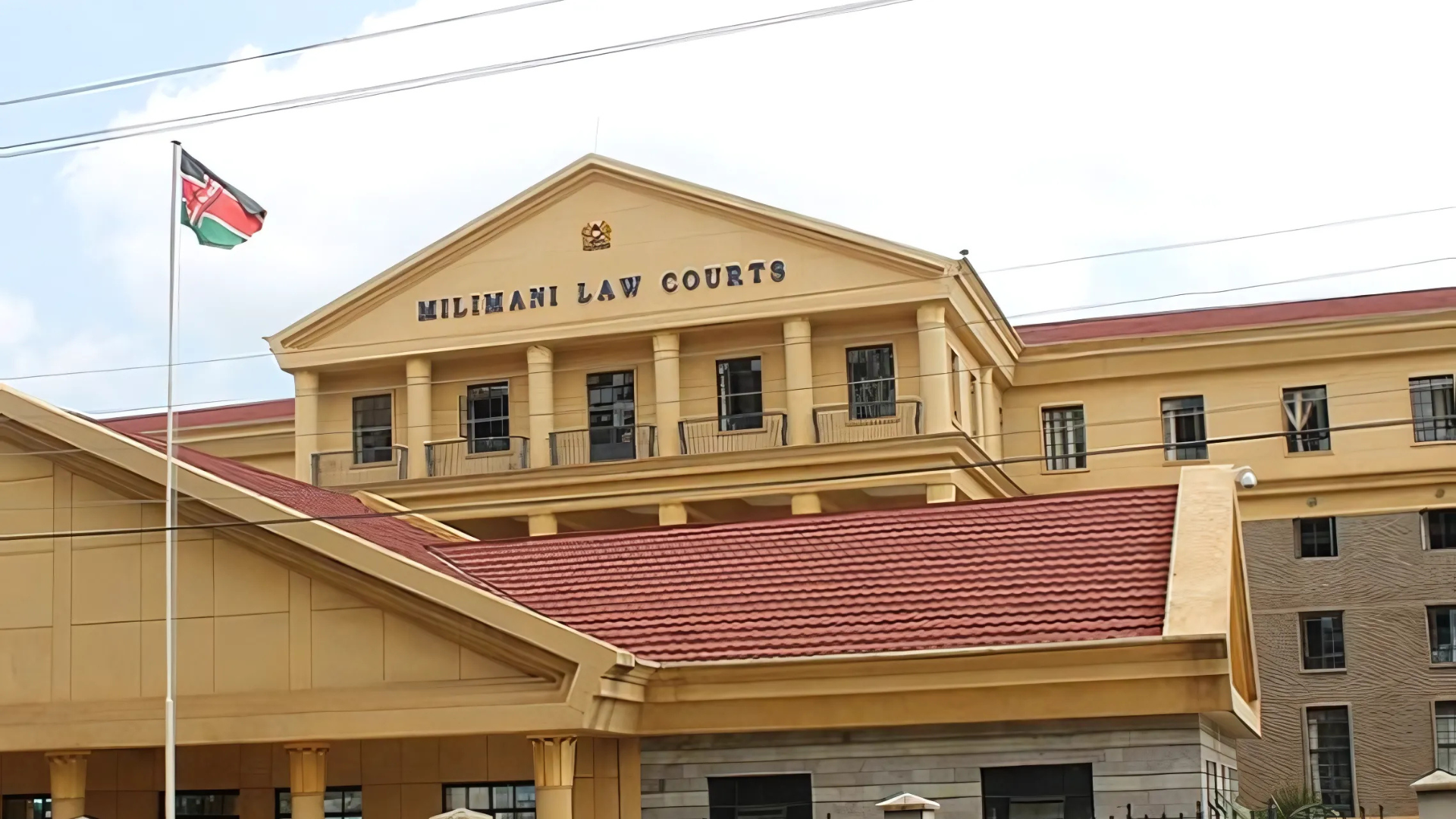

Kihara’s arrest on Thursday, July 17, had been marked by high drama, with police descending on her Maraigushu home in Naivasha. The operation, involving dozens of officers, saw her detained and initially taken to Naivasha Police Station before being transferred to an undisclosed site. Her legal team, led by lawyer Ndegwa Njiru, confirmed her presence at Milimani later that morning, though the sudden relocation had caused confusion. “They took her without clear explanation, and we had to track her down,” Njiru said, standing outside the court as supporters rallied nearby. The MP’s allies, including Wiper Party leader Kalonzo Musyoka, arrived to offer support, their presence adding weight to the political undertones of the case.
The sequence of events began when Kihara was summoned by the Directorate of Criminal Investigations earlier in the week, accused of offenses including incitement and undermining the authority of a public officer under Section 132 of the Penal Code. She had defied the summons, calling it unconstitutional and politically motivated, a stance that led to her arrest. The live broadcast of the raid on her Facebook page had drawn widespread attention, with viewers watching as officers entered her residence during a meeting. “This is an attempt to silence me,” Kihara had declared during the stream, her voice steady despite the chaos around her. The footage showed supporters and journalists being barred, heightening the tension.
At Milimani, the atmosphere grew charged as Kihara was brought into the basement cells around 7:00 AM. Her lawyers and supporters waited anxiously, only to face further frustration when she was driven away in a green Subaru Outback around 9:30 AM. The move prompted frantic calls and speculation, with some suggesting the Director of Public Prosecutions had delayed approving charges. “We were left in the dark, trying to piece together her whereabouts,” said a supporter, pacing near the court entrance. The uncertainty fueled rumors of political maneuvering, with Kihara’s alliance with former Deputy President Rigathi Gachagua casting a shadow over the proceedings.
By mid-morning, Kihara reappeared at Milimani, escorted by police to face arraignment. The court buzzed with activity as lawyers prepared to argue her case, while a small crowd of onlookers pressed against barriers. Her detention at an undisclosed location had raised concerns about due process, with Njiru questioning the legality of the move. “This is not how justice should work,” he remarked, flipping through documents as he awaited her appearance. The MP’s supporters, some holding signs calling for her release, chanted slogans, their voices echoing off the court’s stone walls.
Kihara’s political journey has been marked by outspoken criticism of the government, particularly after aligning with Gachagua following his fallout with President William Ruto. Her recent comments, including remarks at a burial in Murang’a County, had drawn scrutiny, with authorities alleging they incited unrest. She denied these claims, framing her arrest as retaliation. “They want to break our spirit, but we won’t back down,” she had told supporters at Naivasha Police Station before her transfer. The case ties into broader tensions, with other Gachagua allies facing similar legal challenges amid protests and political realignments.
Inside the courtroom, magistrates prepared to hear the case, with Kihara’s team poised to challenge the charges’ basis. The delay in approving charges suggested internal deliberations, possibly influenced by public outcry or legal arguments about Section 132’s constitutionality. “We’ll fight this every step of the way,” said a lawyer from her team, adjusting his robe as they entered the chamber. The presence of Kalonzo Musyoka, a seasoned opposition figure, signaled a united front, with him vowing to defend democratic principles. “This is persecution, and we won’t stand for it,” he told reporters outside, his tone resolute.
The arrest’s fallout rippled across Naivasha, where residents gathered to discuss the implications. A market vendor arranging tomatoes expressed dismay. “She’s been our voice; this feels targeted,” he said, glancing at a radio broadcasting updates. In contrast, a teacher in a local school offered a different view. “If she broke the law, she should face it,” he noted, marking papers as students whispered nearby. The constituency, known for its political activism, saw a mix of solidarity and skepticism, with some linking the arrest to ongoing land disputes and economic grievances.
Police maintained a heavy presence around Milimani, their vehicles lining the streets as the arraignment neared. The operation’s scale, involving anti-riot units, hinted at anticipated unrest, though the crowd remained peaceful. A vendor selling snacks near the court observed, “They’re ready for trouble, but we just want answers.” The secrecy surrounding Kihara’s brief detention added to the narrative of state overreach, a theme echoed in conversations from Nairobi to rural outposts. A herder in Turkana, listening to a portable radio, remarked, “This sounds like politics, not justice.”
The legal proceedings promised to delve into the specifics of the alleged offenses, with Kihara’s team likely to cite a 2016 High Court ruling declaring Section 132 unconstitutional. Her defiance of the initial summons, supported by a letter from her lawyers, had set the stage for confrontation. “We told them the law doesn’t hold, but they proceeded anyway,” said a legal aide, reviewing case files. The outcome could set a precedent for how political speech is handled, especially amid recent protests marking the anniversary of youth-led demonstrations.
As the clock ticked toward noon, the courtroom filled with anticipation. Kihara’s supporters, including Nyandarua Senator John Methu, arrived, decrying the arrest as a dark moment for democracy. “The government is turning on its own,” Methu said, addressing a group outside. Inside, magistrates reviewed documents, while Kihara’s team prepared to argue her release or bail. The MP herself remained composed, her expression guarded as she entered, flanked by officers. “I’m here for my people, not to be silenced,” she whispered to her lawyer, her voice carrying a hint of defiance.
The case’s political dimensions were inescapable, with Kihara’s ties to Gachagua fueling speculation of a broader crackdown. Her past support for Ruto during his presidential campaign contrasted with her recent opposition, a shift that some saw as the root of her troubles. A shopkeeper in Eldoret, tuning into the news, mused, “She helped him win, and now this?” The narrative of betrayal resonated, though others argued her actions warranted scrutiny. A student in Kisumu, scrolling through updates, added, “If she incited violence, she should answer for it.”
Outside Milimani, the day progressed with a mix of hope and tension. A woman selling fruit near the gate remarked, “We’re praying she comes out soon.” The police presence intensified, with officers checking IDs and monitoring the crowd. Inside, the arraignment proceeded, with Kihara’s fate hinging on the court’s interpretation of the charges and her legal defenses. The outcome would likely shape public discourse, with supporters vowing to rally regardless of the verdict. “We’ll stand with her,” said a youth leader, organizing a group near the entrance.
As proceedings continued into the late morning, the case remained unresolved, with Kihara’s journey from Naivasha to Milimani encapsulating a moment of political reckoning. Her arrest served as a flashpoint in Kenya’s evolving landscape, drawing national attention. A taxi driver in Mombasa, listening to the radio, reflected, “This could change everything if they let her go.” The nation watched, caught between support for a vocal leader and the rule of law, as the court’s decision loomed large.