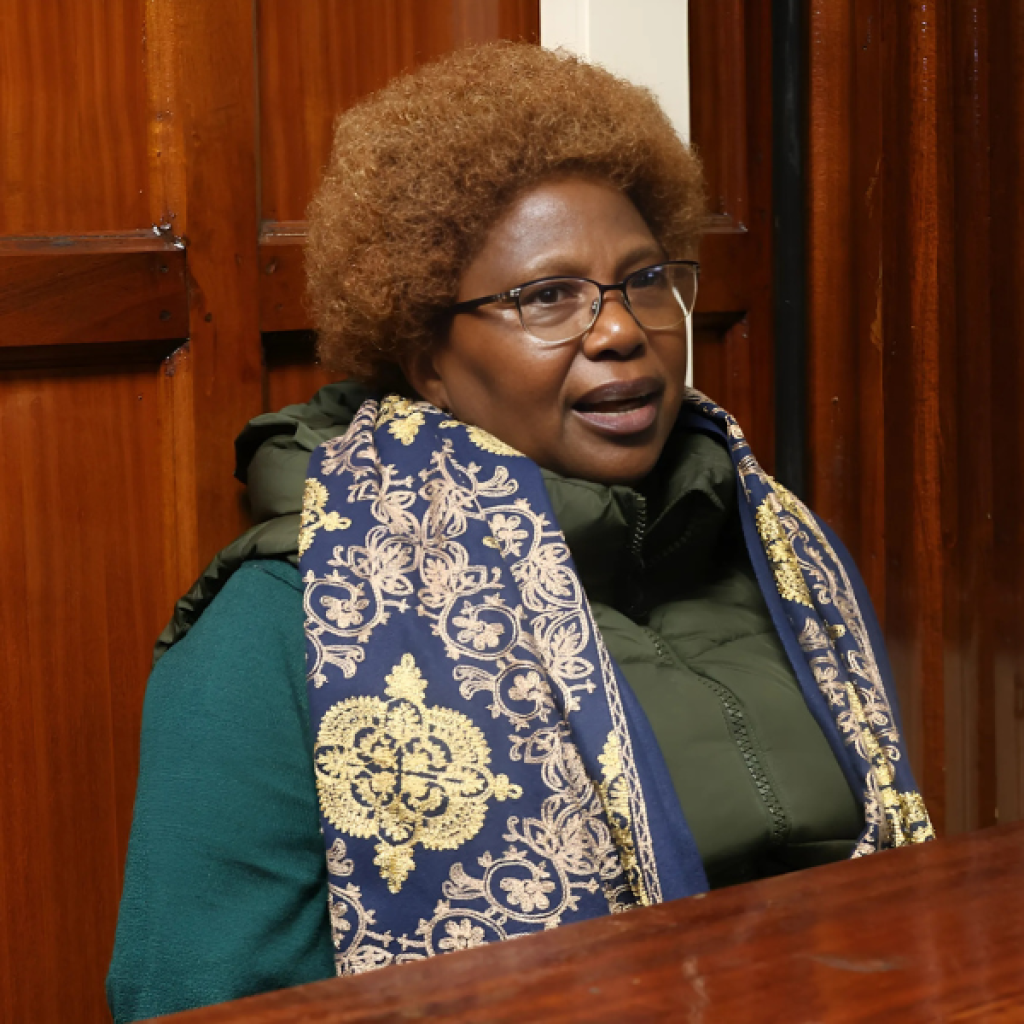
Naivasha MP Jane Kihara faced a pivotal moment as she was charged with incitement and undermining the authority of a public officer, leading to her arraignment at Milimani Law Courts. The legal proceedings unfolded on Friday, July 18, 2025, following her arrest the previous day, which had drawn widespread attention due to a live broadcast on her Facebook page. The charges, rooted in alleged statements made during a public gathering, have ignited a firestorm of political debate, with Kihara’s allies decrying the move as a targeted attack. Outside the court, a small crowd of supporters gathered, their voices rising in protest as police maintained a tight cordon. “This is an injustice; she’s being silenced for speaking out,” said a woman holding a placard, her words echoing the sentiments of many present.
The sequence of events began earlier in the week when the Directorate of Criminal Investigations issued a summons for Kihara to appear on Monday, July 14, over remarks deemed to contravene Section 132 of the Penal Code. The MP, a vocal critic of the government and ally of former Deputy President Rigathi Gachagua, rejected the summons, calling it unconstitutional and politically motivated. Her refusal set the stage for Thursday’s arrest, when detectives stormed her Maraigushu home in Naivasha. The live stream captured the moment officers entered, with Kihara addressing her followers. “They’re here to intimidate me, but I won’t be silenced,” she declared, her voice steady as the camera shook amid the commotion. The footage showed supporters and journalists being pushed back, adding to the tension.
Kihara was initially taken to Naivasha Police Station before being transferred to DCI headquarters in Nairobi, where she spent the night. Her legal team, led by Ndegwa Njiru, scrambled to secure her rights, raising concerns about the process. “They moved her without proper notice, and we had to fight to know her location,” Njiru said, standing outside Milimani as supporters chanted nearby. The MP’s arrival at the court on Friday morning, escorted by police, marked the next chapter, though the day was punctuated by further drama. After being held in the basement cells, she was briefly driven away in a green Subaru Outback, prompting confusion among her lawyers and allies. “We were left stranded, trying to trace her,” Njiru added, his frustration evident as he fielded calls.
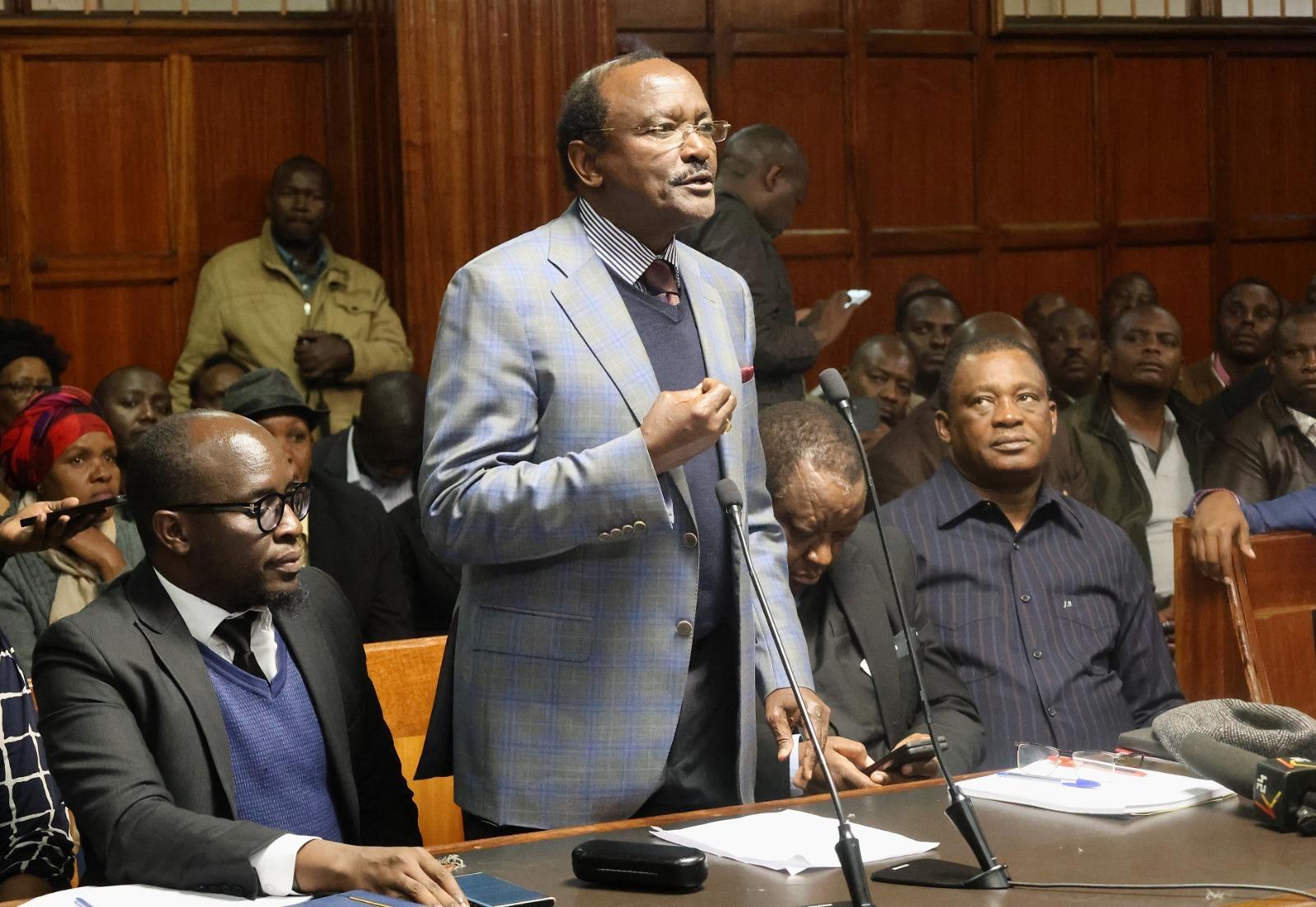
The charges stem from statements Kihara allegedly made on July 8 at a public event in Nairobi, where she is accused of uttering words intended to provoke a breach of peace. Her legal team, bolstered by Wiper Party leader Kalonzo Musyoka, argued before Magistrate Benmark Ekhubi that the charge sheet lacked specificity and that Section 132 was legally questionable. “This is a witch-hunt dressed as prosecution; the law they cite doesn’t hold,” Kalonzo submitted, urging the court to dismiss the case. The defense pointed to a 2016 High Court ruling that declared the section unconstitutional, a point Kihara had raised in her initial response to the summons. “I told them this law is invalid, but they proceeded anyway,” she had said in a prior statement.
The courtroom buzzed as prosecutors, led by Victor Owiti, countered that the charges were valid, citing evidence of Kihara’s remarks as disruptive. The case’s political undertones were unmistakable, with her alliance with Gachagua—now a vocal opposition figure—casting a long shadow. Kihara’s recent speeches, including one at a burial in Murang’a County, had criticized government actions, particularly police conduct during protests. “They shoot our youth and call it order; I’ll keep speaking,” she had told mourners, a comment now under scrutiny. Her past support for President William Ruto during his campaign contrasted sharply with her current stance, fueling speculation of retaliation.
Supporters outside Milimani voiced their solidarity, with Nyandarua Senator John Methu joining the fray. “This is a dark day for democracy; the government is turning on its own,” he told a group of gathered residents, many nodding in agreement. The crowd included traders and youth from Naivasha, where Kihara’s constituency work had earned her loyalty. “She fights for us; this feels personal,” said a young man selling fruit nearby, his cart parked amid the throng. However, not all shared the sentiment, with a teacher in the area offering a different view. “If she incited trouble, she should face the consequences,” he noted, grading papers as news spread.
The arrest and charges have tapped into broader tensions, particularly following the one-year anniversary of youth-led protests and the recent Saba Saba demonstrations. Kihara’s defiance of the summons, supported by a letter from her lawyers, had escalated the situation, leading to the dramatic raid. The live stream had captured her urging her constituents to remain strong, a message that resonated as supporters rallied. “They can arrest me, but not our resolve,” she had said, her words now replayed across social platforms. The operation involved over 20 officers, some from the Anti-Terrorism Police Unit, adding to perceptions of overreach.
Inside the court, the legal battle intensified as Kihara’s team sought to halt the prosecution, arguing the charges infringed on her freedom of expression under Article 33 of the Constitution. “This is about her right to speak, not a crime,” Njiru told the magistrate, flipping through legal texts. The prosecution maintained that her statements posed a public safety risk, a claim the defense countered by highlighting similar unpunished remarks by other leaders. “Others have said worse and walk free; this is selective,” Kalonzo added, his voice carrying weight in the packed room.
The day’s proceedings ended with Kihara released on a Sh50,000 personal bond, her plea deferred to July 29 pending a ruling on the charges’ legality. The decision brought relief to her supporters, who cheered as she emerged, flanked by lawyers. “We’ll keep fighting; this isn’t over,” she told them, her tone resolute despite fatigue. The outcome left the case unresolved, with the court to determine whether the prosecution could proceed, a ruling that could influence how political speech is treated moving forward.
The political fallout was immediate, with Gachagua’s allies framing the arrest as part of a broader crackdown. “They’re targeting anyone who challenges them,” said a local leader in Naivasha, addressing a community meeting. In contrast, government supporters argued for accountability, with a shopkeeper in Eldoret noting, “If she broke the law, she should answer.” The divide reflected Kenya’s polarized landscape, with Kihara’s case becoming a symbol of resistance for some and a test of law for others.
Police maintained a heavy presence around Milimani, their vehicles lining the streets as the day wore on. The scale of the operation suggested anticipation of unrest, though the crowd remained orderly. A vendor selling snacks observed, “They’re prepared, but we just want fairness.” The secrecy around her brief detention added to narratives of state overreach, a theme echoed in rural areas where radios buzzed with updates. A herder in Turkana, listening intently, remarked, “This smells like politics, not justice.”
The case’s roots trace back to Kihara’s growing criticism of the administration, particularly after aligning with Gachagua following his rift with Ruto. Her comments on police brutality and economic policies had gained traction, especially after the death of a protester shot in June. “We can’t let them kill our people and stay quiet,” she had said at the burial, a statement now cited in the charges. Her age, 72, and reliance on an orthopedic belt were noted by allies like Governor Mutahi Kahiga, who called for humane treatment. “She’s been tormented by those she helped,” he said, his words stirring sympathy.
As the court session concluded, the focus shifted to the upcoming ruling. Kihara’s supporters vowed to mobilize, with youth leaders planning forums to discuss the case. “We’ll stand with her,” said a young organizer, rallying a group near the exit. The nation watched, caught between support for a vocal leader and the need for legal order, as the outcome promised to shape political discourse. A taxi driver in Mombasa, tuning into the radio, reflected, “This could change the game if they let her off.” The charges against Naivasha MP Jane Kihara remained a focal point, their resolution awaited with bated breath.