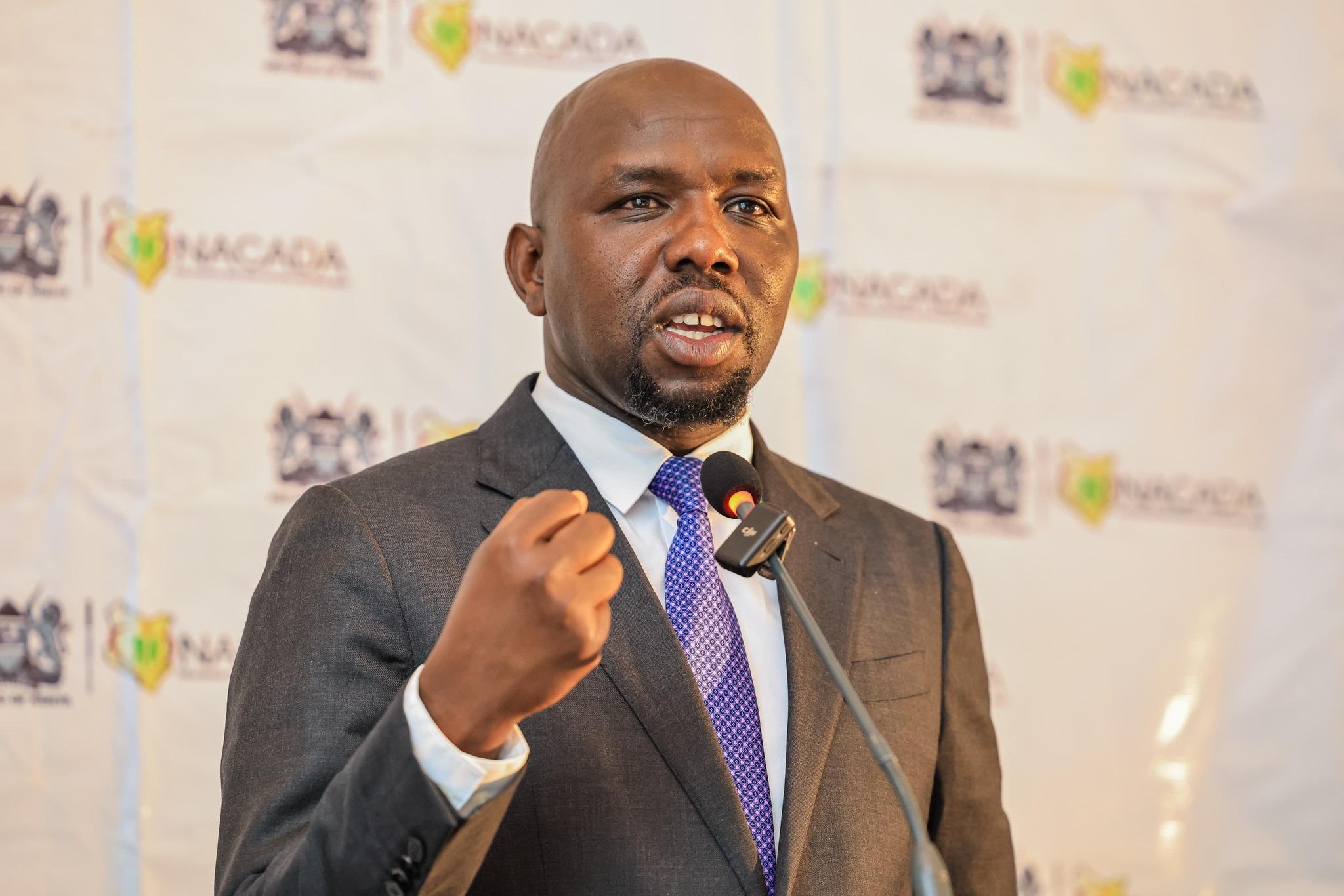
Transport CS Kipchumba Murkomen has launched Kenya’s first-ever National Drug Policy, a comprehensive framework aimed at curbing substance abuse through prevention, rehabilitation, and law enforcement reforms.
Nairobi’s Radisson Blu Hotel in Upperhill buzzed with anticipation as Interior Cabinet Secretary Kipchumba Murkomen unveiled Kenya’s first-ever National Policy for the Prevention, Management, and Control of Alcohol, Drugs, and Substance Abuse. This landmark framework, launched under the stewardship of the Ministry of Interior and National Administration, marks a bold step in Kenya’s fight against a growing public health crisis that threatens the nation’s youth, communities, and future. Dubbed a “united front” by Murkomen, the policy aims to tackle the escalating menace of substance abuse through a multi-sectoral approach, blending supply and demand reduction strategies with global best practices.
Substance abuse in Kenya is no longer a peripheral issue but a national emergency that cuts across age, gender, and region. According to the 2022 National Survey on the Status of Drugs and Substance Abuse by the National Authority for the Campaign Against Alcohol and Drug Abuse (NACADA), over half of drug users in Kenya are aged 10–19, with alcohol, nicotine, and cannabis topping the list of commonly abused substances. The survey also revealed that the average age of initiation for substances like tobacco, alcohol, khat, and cannabis falls between 16 and 20, highlighting the vulnerability of Kenya’s youth. Murkomen, speaking at the launch, underscored the gravity of the situation, stating, “The rising potency and variety of abused substances, coupled with the surge in illicit drug trafficking, is threatening the well-being of our people and the future of our youth.”
Kenya’s strategic position as an economic hub in East Africa has exacerbated the problem, with Nairobi serving as a transit point for international narcotic trafficking, leading to a rise in injecting drug use. The 2021 United Nations International Children’s Emergency Fund report noted that substance abuse contributes to increased violence, HIV vulnerability, and chemical dependence, further straining healthcare systems and communities. Social media sentiment on X reflects growing public concern, with users like @KeDailyOnline calling for “decisive action” to protect Kenya’s younger generation.
The National Policy for the Prevention, Management, and Control of Alcohol, Drugs, and Substance Abuse is a comprehensive framework developed through extensive consultations with national and county governments, civil society, faith-based organizations, and the private sector. It adopts a two-pronged approach focusing on reducing both the supply of illicit substances and the demand for them, aligning with United Nations drug control conventions while addressing Kenya’s unique socio-cultural and economic realities.
One of the policy’s headline measures is raising the legal drinking age from 18 to 21, a move aimed at curbing underage drinking in entertainment venues and educational institutions. Murkomen emphasized that this change will empower law enforcement and community leaders with stronger legal backing to tackle youth alcohol abuse. “Delaying the initiation of alcohol use among our youth is critical to safeguarding their future,” he stated, highlighting the policy’s focus on prevention.
The policy also outlines pharmacological treatments, psychosocial interventions, and aftercare support for those struggling with addiction, drawing from the World Health Organization’s National Protocol for Treatment of Substance Use Disorders in Kenya. It prioritizes humane, science-based approaches delivered by skilled practitioners to help individuals achieve personal, professional, and social recovery. Additionally, the framework calls for enhanced law enforcement efforts, including bolstering police stations near universities and integrating anti-drug operations into the Anti-Terrorism Police Unit (ATPU).
The policy’s launch comes against a backdrop of political friction, with Murkomen addressing allegations by former Deputy President Rigathi Gachagua, who claimed in October 2024 that the government was deliberately targeting the Mt. Kenya region with illicit alcohol to suppress voter turnout. Murkomen dismissed these claims as “cheap political narratives,” asserting that drug abuse is a national issue transcending ethnic or regional lines. “Every time I converse with leaders, everyone speaks about the struggles of a brother, sister, or neighbor battling addiction,” he said, urging unity in the fight against substance abuse.
Murkomen’s remarks reflect a broader effort to depoliticize the issue, which he described as “the greatest threat to Kenya’s well-being” and a national security concern. He noted that the country has lost more lives to drug and substance abuse than to terrorism, underscoring the urgency of a coordinated response. The policy’s inclusive development process, involving diverse stakeholders, aims to foster a collective approach, with Murkomen calling on university administrators, faculty, and community leaders to prioritize prevention programs and create substance-free spaces.
One of the policy’s more controversial proposals is Murkomen’s suggestion to reintroduce National Intelligence Service (NIS) officers into universities to monitor and curb drug-related activities. Speaking at the February 2025 launch of NACADA’s report on drug abuse in universities, Murkomen recalled past practices where intelligence officers, disguised as students, played a pivotal role in thwarting criminal activities. “Why don’t we go back there?” he asked Inspector General of Police Douglas Kanja, advocating for a collaborative approach involving university administrators, students, and law enforcement.
The NACADA report highlighted alarming trends, noting that alcohol is accessible to 87.3% of university students, followed by cigarettes (64.4%), shisha (41.2%), and cannabis (61.7%). Shockingly, some lecturers and non-teaching staff were implicated in supplying drugs, fueling the cycle of abuse. To address this, Murkomen directed Kanja to strengthen police presence near major universities, such as those in Nairobi, Rongai, and near Kenyatta University, to enhance investigations and intelligence gathering.
Despite its ambitious scope, the policy faces significant challenges. Kenya’s history of substance abuse is deeply rooted, evolving from precolonial traditions—where alcohol and substances like khat were restricted to cultural events and male elders—to a modern crisis driven by increased access and weakened social controls. The 1994 Narcotic Drugs and Psychotropic Substances (Control) Act, a legacy of colonial-era prohibitions, has been criticized for its punitive approach, disproportionately affecting marginalized communities. A 2021 Harm Reduction Journal study highlighted the stigma faced by women who inject drugs, noting internal shame and low self-esteem as barriers to recovery.
The policy’s success hinges on addressing these systemic issues, including corruption and weak state intervention, which have historically enabled illicit drug networks. Kenya’s classification as a “relatively weak, yet independent, state” has allowed informal actors to operate with limited oversight, exacerbating the drug trade. The policy’s multi-sectoral approach, however, offers opportunities to integrate public health, education, and community-based interventions, with a focus on vulnerable groups like youth, women, and marginalized communities.
The unveiling of the policy has sparked vibrant discussions on X, with users praising its comprehensive approach while calling for accountability in implementation. Posts from @Eastleighvoice emphasized the need for community-driven solutions, while @KagutaMuseveni, referencing regional cooperation, noted Uganda’s interest in similar frameworks. The policy’s alignment with the 2023 International Day Against Drug Abuse and Illicit Trafficking theme—“Stopping Stigma and Discrimination, and Strengthening Prevention”—resonates with Kenya’s commitment to humane and inclusive strategies.
Looking ahead, the policy’s success will depend on sustained funding, robust enforcement, and public buy-in. Murkomen’s call for universities to become “safe havens” for students, coupled with community-led prevention programs, sets a hopeful tone. The government’s plan to expand the Anti-Narcotics Unit within the Directorate of Criminal Investigations signals a commitment to tackling supply chains, while psychosocial support and aftercare aim to address demand.
As Kenya grapples with the multifaceted impacts of substance abuse—from increased violence and HIV risk to disrupted education and poverty—the National Drug Policy represents a turning point. By raising the legal drinking age, enhancing enforcement, and prioritizing prevention, the government aims to protect its youth and restore community well-being. Murkomen’s vow to “spare no effort in bringing perpetrators to justice” underscores the policy’s resolve, but its true impact will be measured by its ability to translate rhetoric into tangible outcomes.
In a country where 6% of the population engaged in recreational drug use by 2017, and where youth are increasingly vulnerable, the stakes could not be higher. As Murkomen stated, “This policy gives us a united front to act now, restore order, and safeguard our communities.” With the eyes of Kenya—and the region—on this bold initiative, its implementation will determine whether it becomes a model for East Africa or a cautionary tale of unfulfilled promise.
Former Kiambu Governor Ferdinand Waititu has secured a major bail reprieve from the High Court, with Justice Winfrida Okwany reducing his bail from Sh53.5 million to Sh20 million cash pending appeal in his ongoing corruption case.
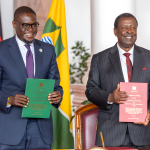
Kenya National Highways Authority names Eng. Luka Kipchumba Kimeli as Director General while Kenya Roads Board appoints Judith Otsyula to the same role in major leadership changes for Kenya's roads sector.
Kenya’s Committee on Communication, Information and Innovation has rejected calls for a complete ban on TikTok, instead proposing mandatory local storage of Kenyan user data and full compliance with national laws in a report adopted for debate in the National Assembly.