By Brenda Wereh26 Jun, 202534 mins read 2,745 views
0 comments 0 likes
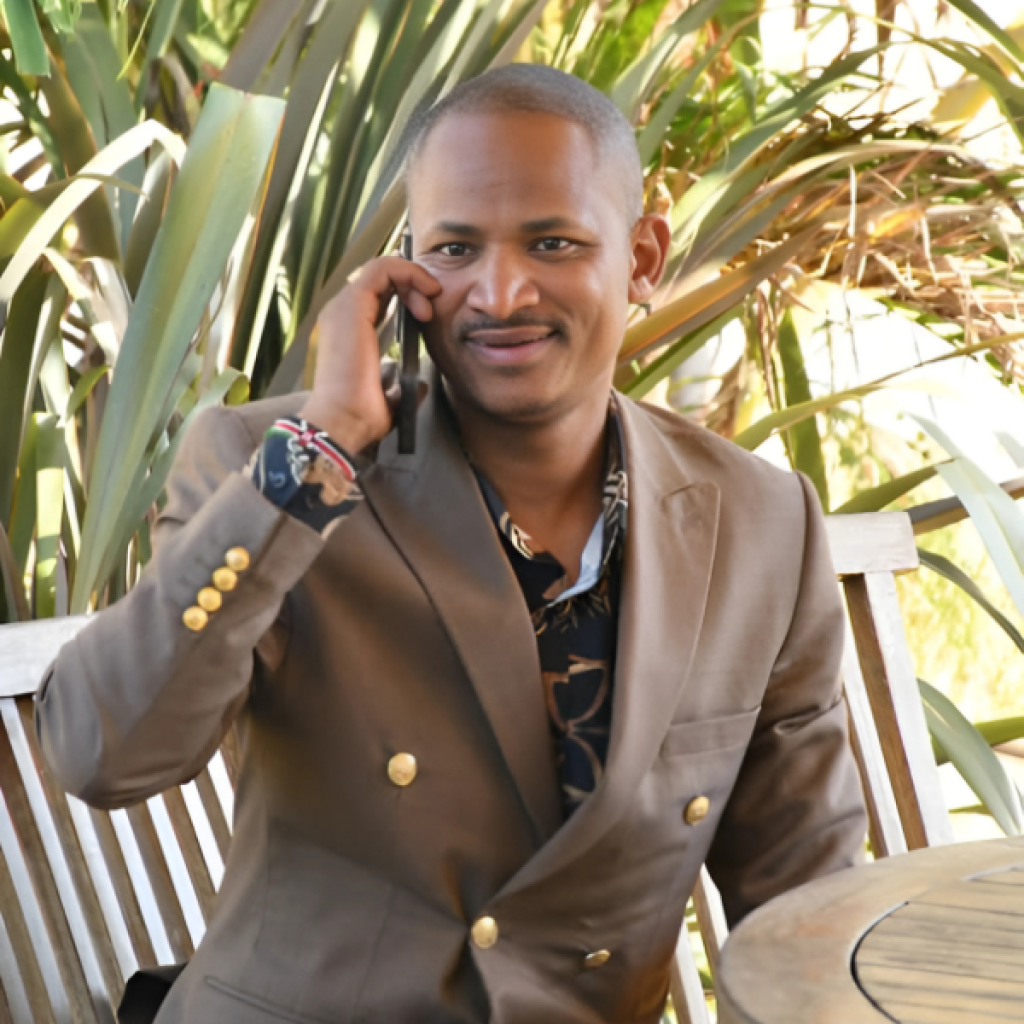
Embakasi East MP Babu Owino condemned the government’s withdrawal of his official security after he joined Gen Z protests, calling it an attack on democracy and vowing to continue advocating for justice.
Embakasi East Member of Parliament Babu Owino issued a fiery statement denouncing the Kenyan government’s decision to withdraw his official security detail, a move he described as a direct retaliation for his participation in the Gen Z-led protests marking the anniversary of the 2024 anti-Finance Bill uprising. The outspoken opposition lawmaker, known for his vocal support of youth-driven movements, took to social media to declare that the action was not merely a personal attack but an assault on the democratic principles that underpin Kenya’s Constitution. Owino, who joined thousands of protesters in Nairobi on June 25, stood defiant, asserting that the government’s intimidation tactics would not silence him or the growing movement for justice and accountability. “Kenyans are my security,” he proclaimed, rallying citizens to remain united against what he called a government fearful of its own people.
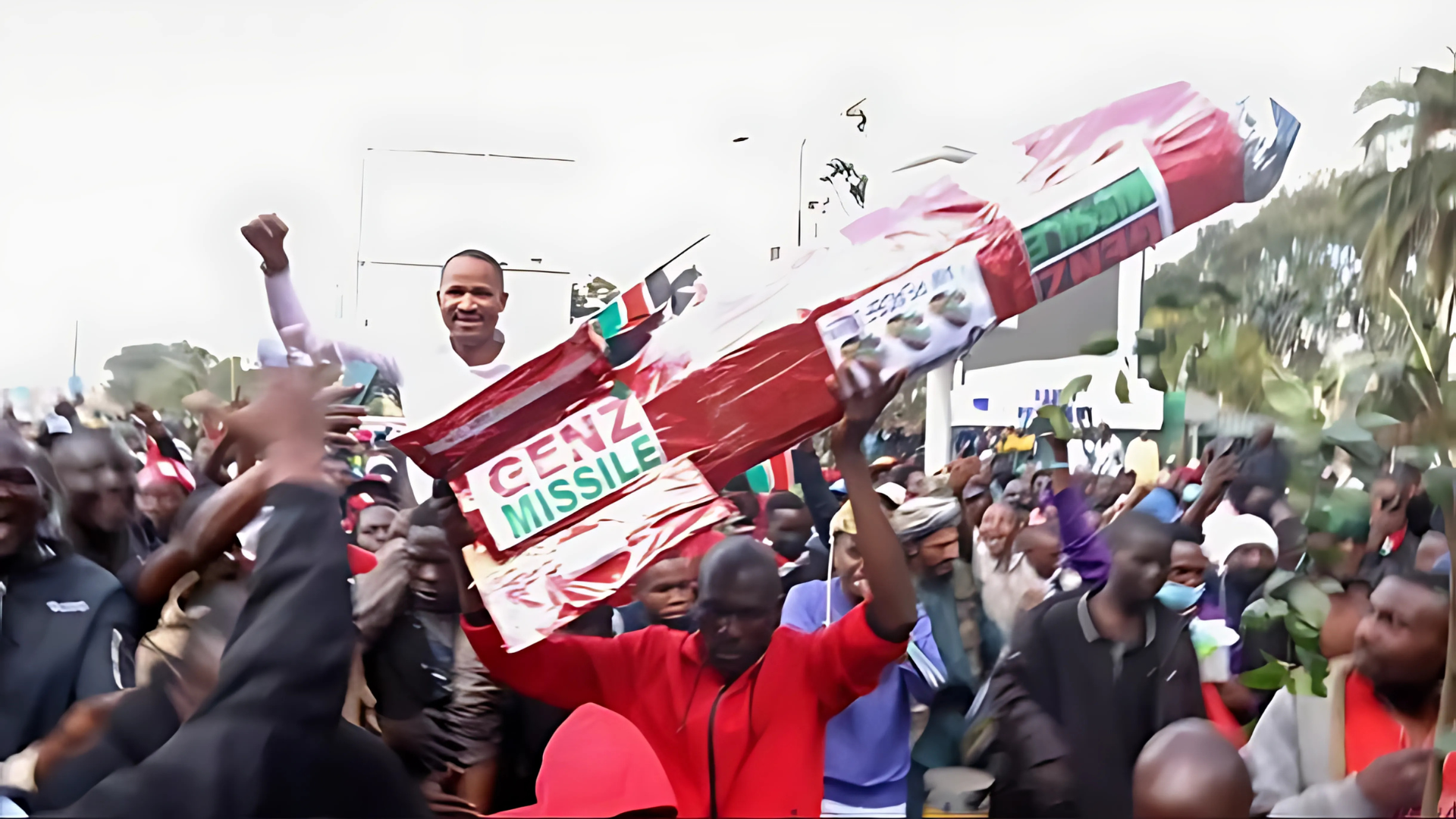
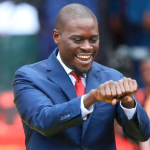
MP Babu Owino carried by Protesters during the June 25th Gen Z Anniversary protests
Owino’s statement, posted on his X account in the early hours of June 26, came amid a turbulent period in Kenya’s political landscape. The protests, dubbed the “Gen Z Memorial March,” saw thousands of youths take to the streets across 24 counties, demanding justice for the over 60 lives lost in 2024 and pressing for reforms to address systemic issues like unemployment, corruption, and police brutality. The demonstrations, while largely peaceful, were met with heavy-handed police responses, including tear gas, water cannons, and, according to the Independent Policing Oversight Authority (IPOA), live ammunition, resulting in eight deaths and 207 injuries. Owino, a prominent figure in Nairobi’s Embakasi East constituency, marched alongside protesters in the capital, chanting slogans and holding placards that read “No Justice, No Peace.” His visible presence, captured in viral videos on social media, underscored his alignment with the youth movement, a stance that appears to have prompted the government’s decision to strip him of his security.
“Yesterday, I stood with the people, not against the nation, but for its future,” Owino wrote in his statement. “I exercised my democratic right to protest peacefully against the actions of a government that is failing its citizens. Today, in retaliation, the government has withdrawn my official security.” The withdrawal, which Owino learned of through an official communication from the Interior Ministry, left him without the police protection typically afforded to elected representatives, a move he interpreted as punitive. “Let me be clear: this is not just an attack on me, it is an attack on democracy itself,” he added. “When elected representatives are punished for standing with the people, it is a sign of a government that fears accountability, not one that serves.”
The decision to withdraw Owino’s security has sparked widespread condemnation from opposition leaders, civil society groups, and protesters, who see it as part of a broader pattern of state intimidation. The protests, which erupted in cities like Nairobi, Kitengela, Mombasa, and Kisumu, were already marred by reports of excessive police force, with IPOA confirming eight deaths allegedly from gunshot wounds. The government’s actions against Owino, a vocal critic of President William Ruto’s administration, have fueled accusations of targeted reprisals against dissenters. “This is a government running scared,” said Wiper party leader Kalonzo Musyoka, addressing a press conference in Nairobi on June 26. “Punishing an MP for standing with his people is a desperate attempt to silence the truth.”
Owino’s defiance resonated with the Gen Z movement, which has galvanized Kenya’s youth, who make up over 60 percent of the population. The 2024 protests, sparked by a tax bill proposing levies on essentials like bread, forced the government to back down after deadly clashes and the storming of Parliament. The 2025 anniversary marches, coordinated through hashtags like #JusticeFor2024, renewed demands for accountability, with protesters chanting against police brutality and economic hardship. Owino’s participation, alongside other opposition figures, amplified the movement’s visibility, but his security withdrawal has raised concerns about the safety of public figures who challenge the state. “They think they can scare us,” said Aisha Mohamed, a 22-year-old protester in Nairobi. “Babu is one of us—he’s out here fighting for us, and now they’re trying to make him vulnerable.”
The lawmaker’s statement emphasized his resolve to continue advocating for citizens’ rights. “I do not fear intimidation. I will not be silenced,” he wrote. “My voice, and the voice of every citizen demanding justice, fairness, and freedom, will only grow louder.” Owino’s words struck a chord with supporters, who flooded social media with messages of solidarity, using hashtags like #KenyansAreBabuSecurity and #WeStandWithBabu. Posts on X included photos of Owino marching with protesters near the National Archives, where small groups gathered despite police barricades in the Central Business District. “They can take his security, but they can’t take his spirit,” read one post, accompanied by a video of Owino addressing a crowd.
The government’s decision to withdraw Owino’s security follows other controversial actions during the protests. The Communications Authority of Kenya’s attempt to ban live media coverage was overturned by the High Court on June 25, with Justice Chacha Mwita ordering the restoration of signals and threatening prosecution for non-compliance. The Katiba Institute also filed a petition challenging police barricades in Nairobi’s CBD, arguing they violated constitutional rights to assembly and movement. Former Interior CS Fred Matiang’i, in a separate statement, urged dialogue and non-violence, while IPOA’s probe into eight protest-related deaths highlighted allegations of live ammunition use. Against this backdrop, Owino’s security withdrawal has intensified scrutiny of the government’s tactics.
Civil society groups condemned the move as a violation of democratic norms. “Targeting an elected official for exercising his rights is a dangerous precedent,” said Kamau Ngugi, an official with the Kenya National Commission on Human Rights. “This is not just about Babu Owino—it’s about every Kenyan’s right to speak out without fear.” The Law Society of Kenya, in a statement, called for the immediate reinstatement of Owino’s security, citing the state’s obligation to protect elected representatives. Amnesty International Kenya’s executive director, Irũngũ Houghton, went further, linking the action to broader efforts to suppress dissent. “First they shoot protesters, then they silence the media, now they target MPs,” Houghton said. “This is a government at war with its own people.”
The protests’ economic and social context adds urgency to Owino’s message. With Kenya’s debt surpassing $80 billion and youth unemployment near 20 percent, the Gen Z movement has evolved into a broader call for systemic change. “The government is failing us on every front,” Owino said during a rally in Embakasi East on June 24. “We’re out here because we want jobs, we want justice, we want a future.” His constituency, a working-class area in Nairobi, has been a hotbed of protest activity, with residents like 19-year-old Brian Otieno praising Owino’s courage. “Babu is our voice,” Otieno said. “They can take his security, but they can’t take our support.”
The government has not publicly commented on Owino’s case, though Interior Ministry officials privately justified the withdrawal, citing “security reallocations” amid the protests. President Ruto, speaking at a coastal burial on June 25, urged calm but avoided addressing specific incidents, including IPOA’s report of eight deaths. The silence from State House has fueled speculation that Owino’s punishment was a calculated move to deter other opposition figures. “They’re sending a message,” said political analyst Jane Mwangi. “But targeting someone like Babu, who has a strong grassroots base, could backfire.”
Owino’s history as a firebrand politician makes him a lightning rod for such actions. A former student leader at the University of Nairobi, he has built a reputation for confronting authority, from his arrests during 2024 protests to his vocal criticism of Ruto’s economic policies. His statement on June 26 called on citizens to remain vigilant. “To the public: stay alert, stay united, and know that your leaders should answer to you, not threaten those who stand beside you,” he wrote. “The truth cannot be suppressed. The movement for justice cannot be stopped.” The message, shared thousands of times on X, included a photo of Owino surrounded by protesters, reinforcing his claim that “Kenyans are my security.”
As Kenya navigates this turbulent period, Owino’s defiance has become a rallying cry. The protests, though subdued by nightfall on June 25, show no signs of abating, with organizers planning further demonstrations. The High Court’s rulings and IPOA’s investigations have bolstered public resolve, but Owino’s security withdrawal underscores the personal risks faced by those challenging the state. “We will not back down,” he concluded in his statement, a sentiment echoed by protesters like Mohamed. “Babu’s fight is our fight,” she said, holding a placard near Moi Avenue. “If they think this will stop us, they’re wrong.”
The coming days will test the government’s response to mounting pressure. For Owino, the loss of security is a badge of honor, a sign that his voice resonates. As Kenya’s youth continue their fight for justice, his stand—both on the streets and in his defiance of intimidation—signals a broader struggle for the soul of the nation. “This is bigger than me,” he told supporters in Embakasi. “It’s about all of us, and we’re not going anywhere.”
Former Kiambu Governor Ferdinand Waititu has secured a major bail reprieve from the High Court, with Justice Winfrida Okwany reducing his bail from Sh53.5 million to Sh20 million cash pending appeal in his ongoing corruption case.
President Ruto and Governor Sakaja signed a cooperation agreement allocating funds for 50,000 new streetlights, water plants saving 50 million litres daily, 27 km Nairobi River sewer and ward road upgrades, with Ruto calling it a partnership to make the city livable while opposition senators warn of devolution threats.
A staff member at Moi Teaching and Referral Hospital allegedly stole Sh10 million by falsifying patient bills as paid in the eCitizen system while diverting the money to her personal account, prompting an ongoing police and hospital investigation.