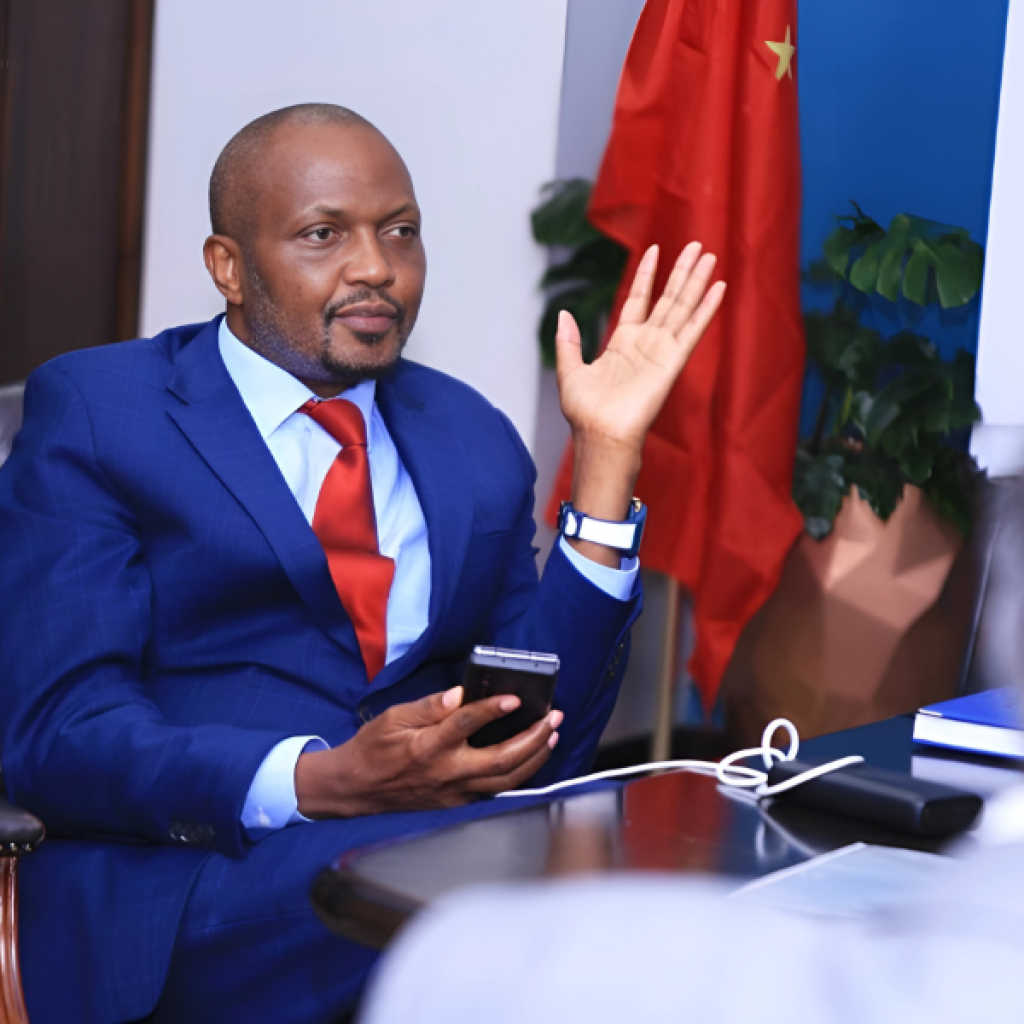
In a provocative statement posted on his X account on June 26, 2025, President William Ruto’s Senior Economic Advisor Moses Kuria declared that Kenya will not hold presidential elections in 2027, predicting instead a political consensus akin to the 2002 election that swept Mwai Kibaki to power. Kuria’s remarks, which came in the wake of the violent Gen Z-led protests marking the anniversary of the 2024 anti-Finance Bill demonstrations, pointed to the heavy toll borne by the Mt Kenya region, where businesses and public institutions were looted and vandalized. The statement, made amid heightened national tensions, has ignited a firestorm of reactions, with critics accusing Kuria of undermining democratic principles and supporters viewing his comments as a call for stability in a polarized nation.
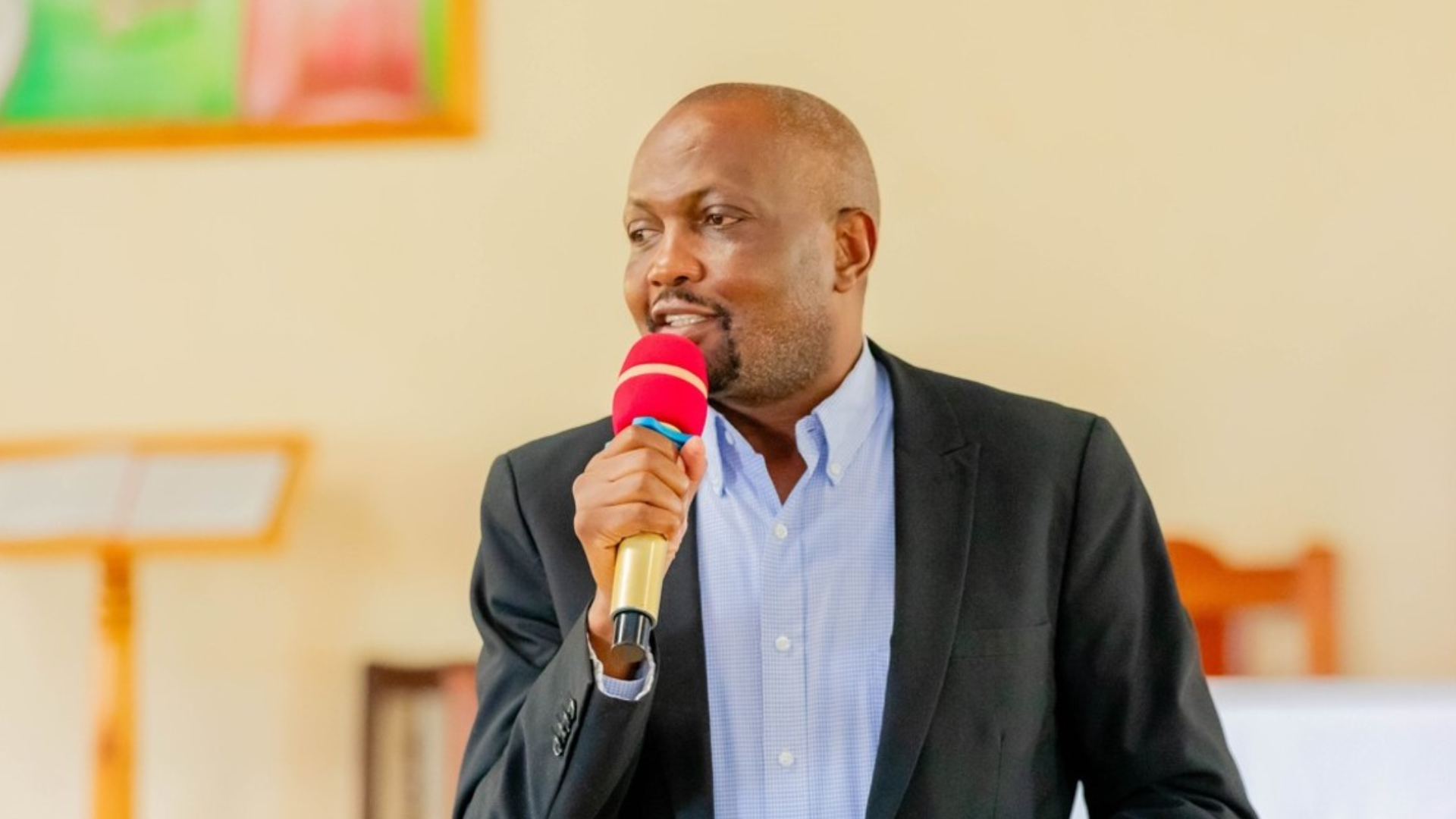
Kuria, a polarizing figure known for his outspokenness, detailed the destruction in Mt Kenya during the June 25 protests, listing specific incidents in a post on X. “Shops around Koja and OTC were looted and vandalized. Shops in Roysambu were looted and vandalized. Nanas Mall Thika looted and vandalized,” he wrote, adding that Carrefour in Ruiru and Naivas in Nyeri were similarly targeted, alongside public institutions in Ol Kalou, including a police station. He argued that the region, a key political stronghold for President Ruto, “paid a disproportionately heavy price” during the protests, which saw eight deaths and 207 injuries across 24 counties, as confirmed by the Independent Policing Oversight Authority (IPOA). “Mt Kenya has suffered enough,” Kuria said in a follow-up interview on a local television station. “We cannot keep paying for the chaos of others.”
The protests, dubbed the “Gen Z Memorial March,” were a somber commemoration of the 2024 demonstrations, which claimed over 60 lives and forced the government to withdraw a controversial tax bill after protesters stormed Parliament. On June 25, 2025, thousands of youths took to the streets in Nairobi, Kitengela, Mombasa, and Kisumu, demanding justice for past victims and systemic reforms. The demonstrations, while largely peaceful, saw clashes with police, who deployed tear gas, water cannons, and, according to IPOA, live ammunition. Kuria’s claim of targeted destruction in Mt Kenya has sparked debate, with some analysts suggesting it reflects regional tensions, while others see it as an attempt to rally the region’s voters ahead of future political negotiations.
Kuria’s assertion that there will be no elections in 2027 has drawn particular scrutiny. Speaking on a local TV station on June 22, 2025, he likened the upcoming political cycle to 2002, when opposition leaders united behind Kibaki, leading to a landslide victory over the Kenya African National Union (KANU). “Let me shock you,” Kuria said. “Some people are training for a football match that will not happen. There will be no presidential election—there will be a consensus.” He argued that Kenya’s political heavyweights would agree on a single candidate to avoid the chaos of competitive elections, citing the need to safeguard the country’s stability. “Have you ever seen that margin again?” he asked, referencing Kibaki’s historic win. “2027 will be about saving Kenya, not fighting for power.”
The statement has provoked sharp reactions. Opposition leaders, including Wiper party leader Kalonzo Musyoka and former Deputy President Rigathi Gachagua, condemned Kuria’s remarks as an affront to democracy. “This is a dangerous precedent,” Musyoka said at a press conference in Nairobi on June 26. “Kenyans fought for the right to vote, and no one can take that away.” Gachagua, speaking in Meru, accused Kuria of fearmongering to protect President Ruto’s administration. “They know the people are angry, so they want to avoid the ballot,” he said, rallying supporters to resist any attempt to bypass elections. The opposition’s joint statement on June 18 had already threatened to take Ruto to the International Criminal Court over police brutality, and Kuria’s comments have added fuel to their narrative of a government clinging to power.
On social media, Kuria’s declaration sparked a mix of outrage and support. Posts on X reflected public skepticism, with some users dismissing him as an “opportunistic alcoholic” and others interpreting his words as a signal that Ruto’s administration fears defeat in 2027. “What does he mean, no elections?” asked a Nairobi-based activist, Hanifa, on X. “Are they planning to rig or cancel the vote?” Meanwhile, a user identifying as a Ruto supporter agreed with Kuria, writing, “2027 will be about reclaiming Kenya, not petty politics. Kuria is right—consensus is the way.” The polarized reactions underscore the deepening divide between Kenya Kwanza supporters and the Gen Z movement, which has vowed to sustain protests until systemic changes are implemented.
Kuria’s focus on Mt Kenya’s losses ties into his broader political narrative. As a former MP from the region and a key architect of Ruto’s “broad-based” government, which incorporated opposition figures like Raila Odinga’s allies, Kuria has positioned himself as a defender of Mt Kenya’s interests. In August 2024, he declared that the region, which overwhelmingly backed Ruto in 2022, held “shares” in the government and would not be sidelined. “We suffered to campaign for this government,” he said in Nandi County. “If they push us out the door, we’ll come through the window. If they block the window, we’ll use the chimney.” His latest comments suggest that the protest-related destruction in Mt Kenya has reinforced his belief that the region deserves a central role in any future political arrangement.
The protests’ impact on Mt Kenya has been a point of contention. While IPOA confirmed that 24 counties were affected, with Nairobi and Kitengela seeing significant violence, Kuria’s emphasis on Mt Kenya suggests a targeted campaign against the region’s economic hubs. “Why is it always our businesses, our malls, our institutions?” he asked on X, questioning why similar destruction was not reported in other regions like Kakamega. Some analysts argue that the looting in Thika, Ruiru, and Nyeri was opportunistic, driven by “goons” infiltrating the protests, as Kuria himself noted in a June 22 interview. Others, including local business owners, expressed frustration. “My shop in Roysambu was ransacked,” said Esther Wanjiku, a trader. “We’re caught in the middle of this chaos, and no one protects us.”
The government’s response to Kuria’s remarks has been muted. President Ruto, speaking at a burial in coastal Kenya on June 25, urged protesters to avoid “destroying” the country, emphasizing stability. “It’s our responsibility to keep Kenya safe,” he said, without addressing Kuria’s election comments directly. Ruto’s administration has faced mounting criticism over its handling of the protests, with IPOA launching a probe into police use of live ammunition and excessive force. The High Court’s suspension of a Communications Authority directive banning live protest coverage, ordered by Justice Chacha Mwita on June 25, further exposed the government’s attempts to control the narrative, amplifying calls for accountability.
Civil society groups, including the Kenya National Commission on Human Rights, have warned against undermining democratic processes. “Elections are the cornerstone of our democracy,” said KNCHR official Kamau Ngugi. “Any suggestion of bypassing them must be rejected.” Ngugi’s statement came as the KNCHR reported 400 injuries during the June 25 protests, with eight deaths allegedly from gunshot wounds. Amnesty International Kenya called for a judicial inquiry into the violence, with executive director Irũngũ Houghton stating, “The government cannot silence dissent by canceling elections or shooting protesters.” The Law Society of Kenya echoed this, urging respect for constitutional rights.
Kuria’s comments also reflect his ongoing rivalry with former Deputy President Rigathi Gachagua, who has been gaining traction in Mt Kenya since his impeachment in October 2024. Kuria, in a June 23 interview, predicted that Gachagua’s political wave would fade by 2027, dismissing his influence as “emotion-driven.” “Gachagua wants to be king, but his coalition won’t last,” Kuria said, claiming that some of Gachagua’s allies were already defecting. The rivalry has intensified regional politics, with Kuria positioning himself as Ruto’s loyalist while Gachagua rallies Mt Kenya against perceived marginalization.
The economic backdrop adds complexity to Kuria’s claims. Kenya’s debt, exceeding $80 billion, and a cost-of-living crisis have fueled public discontent, particularly among Gen Z, who face 20 percent youth unemployment. The 2024 Finance Bill protests, which Kuria referenced as a precursor to the current unrest, forced Ruto to withdraw tax hikes after deadly clashes. “The youth are angry, and they’re right,” said Mercy Kimani, a 22-year-old protester in Nairobi. “But canceling elections won’t solve our problems—it’ll make them worse.” Kimani’s sentiments reflect the Gen Z movement’s rejection of elite-driven solutions like Kuria’s proposed consensus.
As Kenya grapples with these tensions, Kuria’s remarks have raised questions about the government’s strategy for 2027. His call for a consensus mirrors his earlier role in forming Ruto’s broad-based government, which included opposition figures to quell unrest in 2024. “I convinced Raila’s allies to join us,” Kuria said in August 2024, revealing his lobbying efforts. Whether his 2027 prediction is a genuine forecast or a political maneuver remains unclear, but it has galvanized both supporters and critics. For now, the Mt Kenya region, still reeling from the protests’ economic toll, stands at the heart of this debate, with its voters poised to shape Kenya’s future—whether through ballots or, as Kuria suggests, a different path.