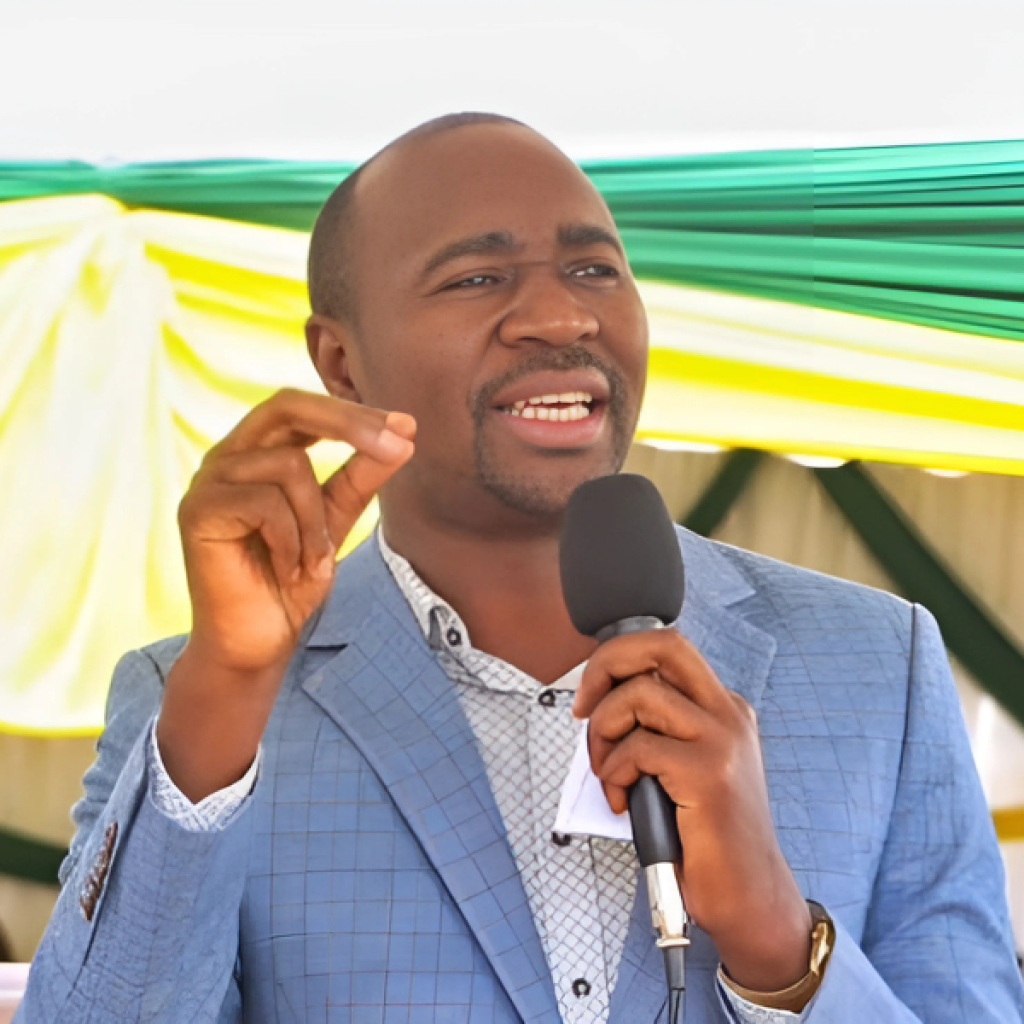
The streets of Kenya pulsed with the fervor of the annual Saba Saba protests, marking the 35th anniversary of the 1990 pro-democracy movement that reshaped the nation’s political landscape. Amid the nationwide demonstrations, a dramatic scene unfolded in Juja, where Manyatta Member of Parliament Gitonga Mukunji, a vocal ally of former Deputy President Rigathi Gachagua, was arrested by officers from the Directorate of Criminal Investigations. Initially detained at Kibii Police Station and booked under Occurrence Book number 06/07/07/2025 at 3:53 p.m., Mukunji was later transferred to Muthaiga Police Station in Nairobi, where he was swiftly bundled into a Subaru vehicle and driven to an undisclosed location. The arrest, which coincided with reports of 11 deaths and 567 arrests during the protests, has ignited accusations of political witch-hunting, with supporters and local leaders decrying the move as an attempt to silence dissent ahead of the 2027 general election.
The Saba Saba protests, traditionally a platform for voicing demands for governance reforms, took a violent turn in 2025, with clashes reported in cities like Nairobi, Embu, and Kitengela. Mukunji, a 35-year-old legislator known for his outspoken criticism of President William Ruto’s administration, was apprehended around 3:00 p.m. in Juja, a town within Kiambu County. His lawyer, Ndegwa Njiru, who visited Kibii Police Station alongside Mukunji’s wife, raised alarm over the lack of transparency surrounding the arrest. “The MP was booked at Kibii at 3:53 p.m., but the Occurrence Book only records his entry, not his release or transfer,” Njiru said. “We demanded an inventory of his vehicle, which remains parked at Kibii, but the police refused. This is a deliberate attempt to obscure his whereabouts.” The lawyer’s concerns were amplified when Mukunji was moved to Muthaiga Station, only to be whisked away in a Subaru vehicle by plainclothes officers, fueling speculation about the motives behind his detention.
Mukunji’s arrest is widely believed to be linked to allegations of inciting violence during the Saba Saba protests in Embu, his home county. The National Police Service confirmed the arrest in a statement, noting that the MP was among 567 individuals apprehended for acts of lawlessness, including looting and attacks on law enforcement officers. “A number of suspects have been arrested, including Hon. Gitonga Mukunji, MP for Manyatta Constituency,” said police spokesperson Muchiri Nyaga, adding that investigations were ongoing to bring perpetrators to justice. However, the lack of specific details about Mukunji’s alleged role in the protests has raised eyebrows, with supporters arguing that his arrest is politically motivated. “This is pure intimidation,” said Juma Kalimoni, a Manyatta resident who led a press conference in Embu. “Our MP has committed no crime. He’s being targeted for standing with the people.”
The protests, which saw 11 civilians killed and 63 injuries, including 52 police officers, were marked by significant unrest, with reports of looting, property destruction, and road blockades. In Embu, where Mukunji has been a prominent figure advocating for youth empowerment and opposing controversial government policies, tensions were particularly high. The MP, who previously denied involvement in similar unrest on June 25, 2025, has been a vocal critic of the Kenya Kwanza administration, notably refusing to support the impeachment of Gachagua and rejecting the Finance Bill 2024. “I stand for dialogue and development, not destruction,” Mukunji said in a June statement, emphasizing his commitment to peaceful advocacy. His supporters, including Kirinyaga Woman Representative Njeri Maina, echoed this sentiment, alleging a government plot to tarnish his image. “We are aware of plans to plant explosives and drugs in his car,” Maina claimed, calling the arrest a “politically motivated witch-hunt.”
The transfer of Mukunji to Muthaiga Station, followed by his abrupt removal in a Subaru vehicle, has heightened concerns about his safety and the state’s intentions. Posts on X captured the public’s outrage, with one user stating, “Mukunji’s arrest sends a chilling message to anyone opposing the government. This isn’t justice; it’s intimidation.” Another user from Embu wrote, “Gitonga Mukunji represents our voice. Free him now!” The hashtag #FreeMukunji gained traction, reflecting widespread sentiment that the arrest was an attempt to silence a rising political star. Mukunji, who founded a company with a KSh 25,000 HELB loan as a university student, has built a reputation as a youth champion, advocating for job creation and criticizing the desperation that pushes young Kenyans into low-paying work.
The arrest follows a pattern of friction between Mukunji and the Ruto administration. On April 4, 2025, during a presidential visit to Embu, Mukunji was briefly detained and driven around town before being released in Kirinyaga’s Piai area. “They confronted me before the President arrived and whisked me off,” Mukunji said at the time, noting that the officers, while friendly, provided no reason for his detention. The incident, which saw him bundled into a Subaru vehicle, mirrors the July 7 events, fueling speculation that the government is targeting him for his alignment with Gachagua, who has launched the Democracy for Citizens Party to challenge Ruto’s re-election bid. “Mukunji’s arrest is no coincidence,” said a political analyst in Nairobi. “He’s a young, influential MP with gubernatorial ambitions in Embu. This is about clipping his wings before 2027.”
The Saba Saba protests, rooted in Kenya’s 1990 struggle for multiparty democracy, have taken on new urgency in 2025, driven by Generation Z’s demands for economic reforms and accountability. The unrest, which saw central Nairobi sealed off and roads like Waiyaki Way blocked, reflects broader discontent with Kenya’s KSh 11.36 trillion debt and rising living costs. The Kenya National Commission on Human Rights reported 10 deaths and 29 injuries, slightly lower than police figures, and condemned police tactics as excessive. “The state must respect the right to protest,” said a commission official, urging dialogue to address youth grievances. Former Makueni Governor Kivutha Kibwana echoed this, suggesting that Ruto engage directly with Gen Z leaders. “The youth want employment and the rule of law,” Kibwana said. “Ignoring them risks collapse.”
Mukunji’s supporters in Manyatta have vowed to mobilize countywide protests if he is not released. “He represents over 100,000 voters,” said resident Joseph Thuku. “If he’s guilty, take him to court, not to some secret location.” The MP’s wife, who accompanied Njiru to Kibii Station, expressed distress over the lack of information. “We just want to know where he is,” she said, as supporters gathered outside Muthaiga Station. Former Laikipia Woman Representative Catherine Waruguru also condemned the arrest, stating, “No false evidence or evil framework will silence Manyatta’s voice.” The controversy has drawn parallels to past abductions of government critics, a concern Mukunji himself raised after a college student’s detention in Embu.
The National Police Service has defended its actions, praising officers for showing “exceptional restraint” amid “sustained violence.” Interior Cabinet Secretary Kipchumba Murkomen attributed the unrest to criminals infiltrating peaceful protests, a claim disputed by activists like Kasmuel McOure, who condemned police killings. “A state that kills its youth for demanding rights is despicable,” McOure posted on X. As investigations continue, the police have urged the public to report suspects via a toll-free number, 0800 722 203. Mukunji is expected to be arraigned in court on July 8, 2025, though his exact whereabouts remain unclear, intensifying fears of extrajudicial measures.
The arrest has also sparked debate about Kenya’s democratic space. With political tensions rising ahead of 2027, Mukunji’s detention is seen as a test of Ruto’s commitment to free expression. “This is about silencing dissent,” said a Manyatta resident, who feared reprisals. The government, meanwhile, has warned that protests could harm Kenya’s economy, with Trade Cabinet Secretary Kinyanjui noting that property damage deters investors. As Mukunji’s fate hangs in the balance, the incident underscores the delicate balance between security and democratic rights in a nation at a crossroads.