On July 7, 2025, a legal storm erupted in Kenya as lawyer Levi Munyeri filed a petition in the High Court to halt President William Ruto’s controversial plan to construct a KSh 1.2 billion church within the State House grounds in Nairobi. The lawsuit, certified as urgent by Justice Lawrence Mugambi, has ignited a fierce debate about the separation of church and state, the use of public land, and the priorities of Ruto’s administration amidst Kenya’s economic challenges. The proposed 8,000-seater church, described as a cathedral-like structure with stained-glass windows and twin rooftop crosses, has drawn widespread criticism from opposition leaders, activists, and citizens who argue it violates constitutional principles and diverts attention from pressing national issues. This article explores the details of the lawsuit, the public and political backlash, the government’s defense, and the broader implications for Kenya’s governance and society.
Background of the Controversy
The controversy began when the Daily Nation reported on July 4, 2025, that President Ruto was overseeing the construction of a mega church at State House, designed by Skair Architects Limited. The project, estimated to cost KSh 1.2 billion (approximately USD 9.3 million), is intended to replace an existing iron-sheet chapel deemed unfit for the presidential residence’s stature. The architectural plans reveal a grandiose structure with tall spires, double pillars, and amphitheater-style galleries to accommodate large congregations for national prayer events. The church is meant to serve the president, his family, State House staff, and up to 8,000 worshippers.
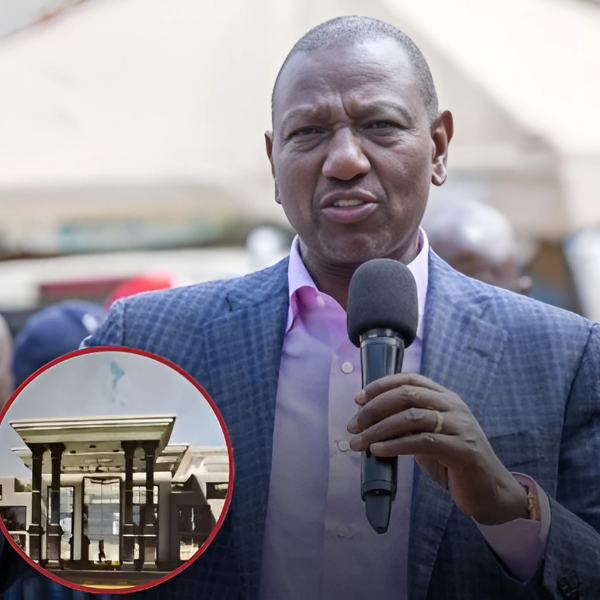
President Ruto, Kenya’s first evangelical Christian president, has long cultivated a pious image, often quoting scripture and donating millions to churches across the country. His announcement that the project would be privately funded sparked skepticism, with critics questioning the legality of constructing a religious facility on public land and the transparency of the funding process. The timing of the project, amid economic hardships and youth-led protests, further fueled public outrage, culminating in Munyeri’s lawsuit.
The Lawsuit: Levi Munyeri’s Petition
Levi Munyeri’s petition, filed at the High Court in Milimani, Nairobi, argues that the church project violates multiple constitutional provisions, particularly Article 8, which states, “There shall be no State religion.” Munyeri contends that Ruto’s actions endorse Christianity as a superior or state religion, undermining Kenya’s secular framework and the principle of separation of church and state. He describes the project as a “blatant and unprecedented infraction” of the Constitution, citing the lack of public participation and parliamentary approval.
The petition also challenges the use of State House land, which is public property, for a religious structure. Under the Lands Act, 2012, public land cannot be allocated for private use without due process, and Munyeri argues that Ruto’s claim of private funding does not absolve the project’s unconstitutionality. “A private citizen has no legal authority to construct anything on public land unless legally authorized,” he stated. The lawsuit further alleges that the project was shrouded in secrecy, with Kenyans unaware of it until media reports surfaced.
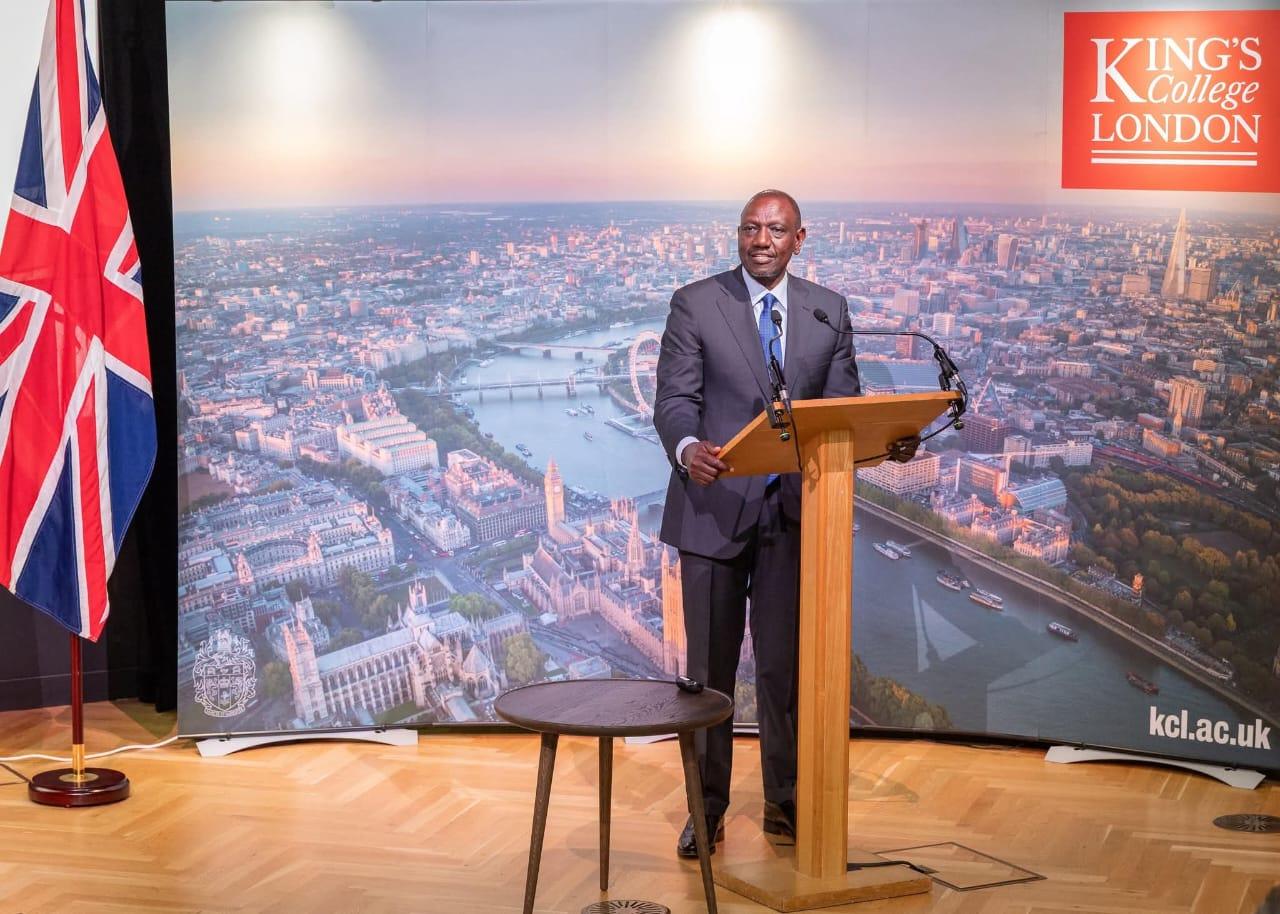
Justice Mugambi certified the petition as urgent, granting Attorney-General Dorcas Oduor seven days to respond on behalf of the president. The case is set to be heard on July 24, 2025, and could set a significant precedent for the separation of church and state in Kenya.
Public and Political Backlash
The announcement of the church project sparked widespread condemnation across Kenya. Opposition leaders, activists, and citizens took to social media and public forums to criticize Ruto’s priorities. Saboti MP Caleb Amisi remarked, “Kenyatta never built a mutura kiosk at State House, Moi never built a mursik shade. Ruto, focus on governing.” He highlighted that previous presidents avoided such projects, emphasizing the inappropriateness of a religious structure at State House.
Former Deputy President Rigathi Gachagua, speaking at a burial in Nyeri, accused Ruto of hypocrisy, noting that the Kiambaa church, destroyed during the 2007 post-election violence, remains in ruins while Ruto prioritizes a lavish State House chapel. Wiper Party Leader Kalonzo Musyoka questioned the funding, stating, “That is not personal money. It’s public money. You cannot misuse the budget like that.”
The Atheists Kenya Community also announced plans to sue, describing the project as “anti-democratic” and a promotion of Christian nationalism. President Harrison Mumia warned that it threatens Kenya’s religious diversity, stating, “Kenya does not belong to Christians alone.” Constitutional lawyer Kibe Mungai and former Nairobi Town Clerk Philip Kisia echoed these sentiments, arguing that the project violates Article 10, which enshrines national values like the rule of law, and Article 8, which ensures religious neutrality.
Social media platforms, particularly X, were ablaze with criticism. One user, @sholard_mancity, highlighted the dire state of public schools, noting, “While children in Uwasi Primary sit on stones in mud-walled classrooms, Ruto is spending KSh 1.2 billion on a church.” Others questioned the project’s cost, pointing to underfunded hospitals and delayed county disbursements.
Muslim leaders at the Coast also weighed in, requesting a mosque at State House to ensure inclusivity, given Ruto’s history of supporting Islamic institutions. Imam Abu Katada stated, “Our country respects every religion. If he builds a church, we demand a mosque for Muslims who work or visit State House.”
Ruto’s Defense and Funding Claims
President Ruto has staunchly defended the project, insisting it is privately funded and not a new initiative. Speaking at St. Mark’s College in Embu on July 6, 2025, he clarified that a church already existed at State House but was in a dilapidated iron-sheet state. “I found a church made of tin. Does that fit State House?” he asked, arguing that a decent sanctuary for 300 worshippers would cost KSh 300 million, not the reported KSh 1.2 billion. He dismissed the higher figure as “propaganda” and urged critics to stop attacking the “Lord’s church.”
Ruto emphasized his personal faith, stating, “I am a believer in God and have no apologies to make.” He likened his critics to “Satan” and argued that the church would serve the spiritual needs of over 300 families, including staff and their children, under an existing chaplain. He also questioned the hypocrisy of critics who support church construction elsewhere but oppose a State House chapel.
However, city lawyer Willis Otieno cast doubt on Ruto’s claim of private funding, noting that the president’s monthly salary of KSh 1.4 million would require over 70 years to amass KSh 1.2 billion, even without personal expenses. “Let’s be serious,” Otieno said, fueling speculation about the true source of funds.
Economic and Political Context
The church project comes at a time of heightened economic and political tension in Kenya. The country is grappling with a public debt of KSh 10 trillion, delayed county funds, and a 21% youth unemployment rate. The 2025/26 budget allocated KSh 8.57 billion to State House, with significant portions for renovations, raising questions about fiscal priorities. The June 25, 2024, protests against the Finance Bill, which saw parliament stormed and over 60 deaths, have intensified public distrust in Ruto’s administration. The Saba Saba protests on July 7, 2025, further highlighted youth frustration with governance and economic policies.
Critics argue that the KSh 1.2 billion could address urgent needs, such as equipping hospitals or improving schools. Anglican Church of Kenya Archbishop Ole Sapit, while supporting places of worship, questioned the project’s location, calling it a “troubling overstep.” Pastor Dorcas Rigathi, the president’s wife, urged spiritual reflection before building, emphasizing national repentance.
Legal and Constitutional Implications
The lawsuit raises critical questions about Kenya’s constitutional framework. Article 8 explicitly prohibits a state religion, and Article 10 emphasizes governance based on the rule of law. Munyeri’s petition argues that the church project risks “diluting constitutional dictates on religion” and could set a precedent for favoring one faith over others, potentially increasing religious tensions.
The case also tests the boundaries of public land use. State House, as public property, is subject to strict regulations under the Lands Act. Legal experts like Ndegwa Njiru argue that even private funding does not exempt the project from requiring public consultation and legal authorization.
Broader Societal Impact
The controversy has deepened divisions in Kenya’s diverse society. While Ruto’s evangelical base may support the project, it risks alienating non-Christians and secular groups. The Atheists Kenya Community’s legal threat and Muslim leaders’ calls for a mosque highlight the need for inclusivity in a country with significant Christian, Muslim, Hindu, and other religious populations.
The timing, amidst economic hardship and youth-led protests, has amplified perceptions of Ruto’s administration as out of touch. The Saba Saba clashes, which saw police use tear gas and live rounds, underscore the broader unrest that the church project has exacerbated. As one X user noted, “Kenya bleeds, but Ruto builds marble churches.”
The lawsuit against President Ruto over the KSh 1.2 billion State House church project is more than a legal challenge; it is a referendum on governance, constitutionalism, and national priorities. Levi Munyeri’s petition, set for a hearing on July 24, 2025, could redefine the boundaries of church-state separation in Kenya. While Ruto defends the project as a personal spiritual commitment, critics see it as a symbol of misplaced priorities and constitutional overreach. As Kenya navigates economic challenges and political unrest, the outcome of this case will likely shape public trust in the government and the nation’s commitment to its secular principles.