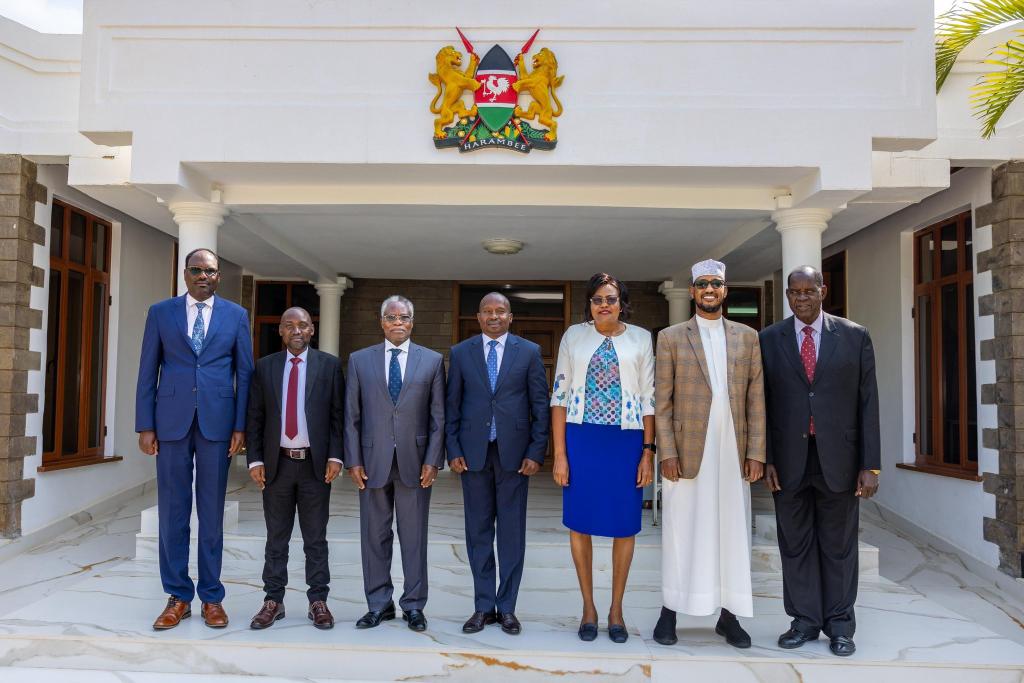
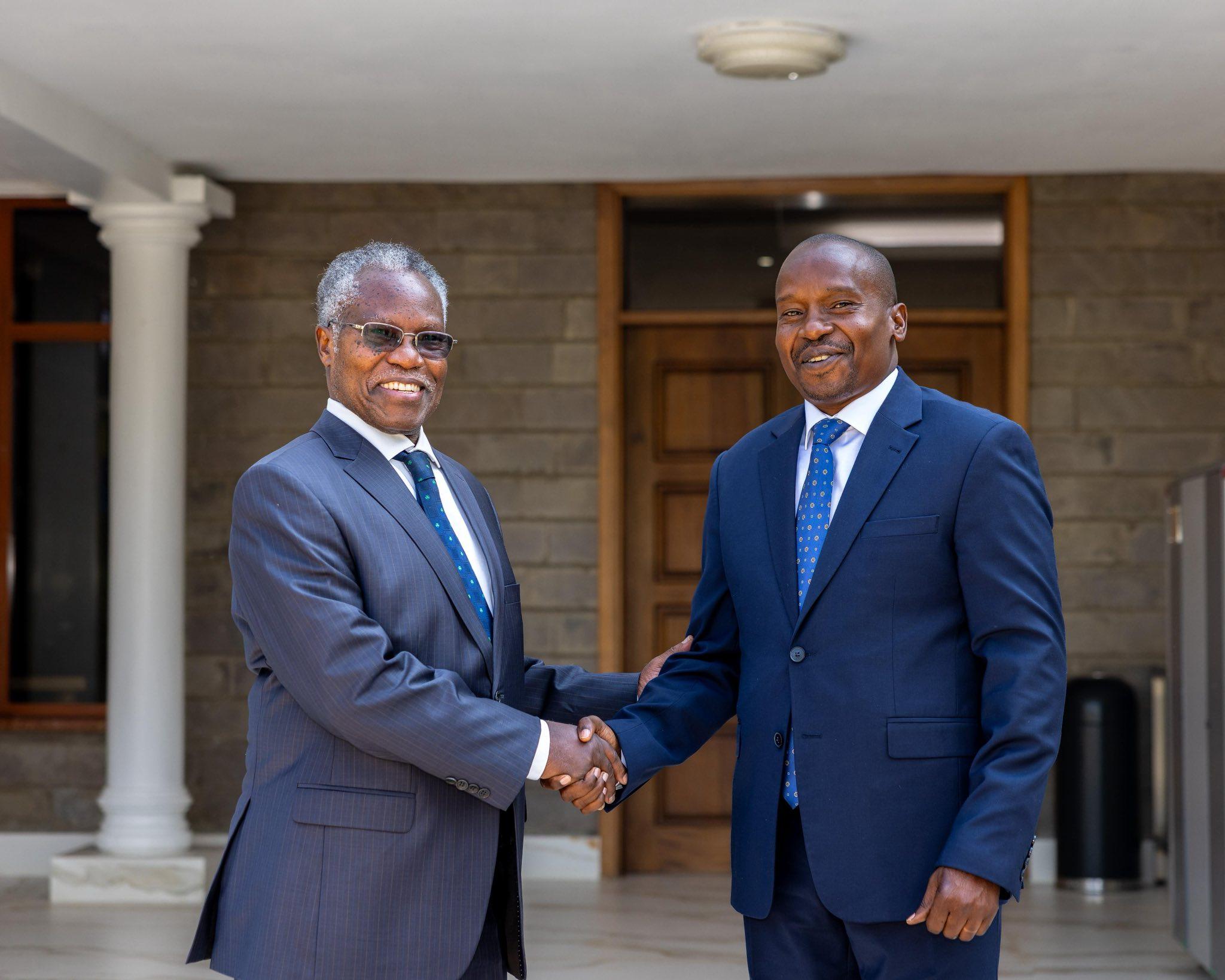
In a nation as diverse as Kenya, with over 40 ethnic communities, multiple languages, and a complex history of inter-ethnic relations, fostering national cohesion and integration is both a challenge and a necessity. The National Cohesion and Integration Commission (NCIC), established under the National Cohesion and Integration Act of 2008, has been at the forefront of this mission since its inception. Recently, Interior Cabinet Secretary Kithure Kindiki reaffirmed the government’s commitment to supporting the NCIC’s efforts to build a cohesive and tolerant Kenya.
The NCIC’s Mandate and Historical Context
The NCIC was created in response to the devastating 2007–2008 post-election violence, which left over 1,100 people dead and displaced more than 350,000 others, particularly in regions like Nakuru County, the epicenter of the crisis. The violence exposed deep-seated ethnic tensions and underscored the need for a dedicated body to address discrimination, promote harmony, and prevent future conflicts. Enacted through the National Cohesion and Integration Act No. 12 of 2008, the NCIC’s primary mandate is to facilitate equality of opportunity, promote good relations, and ensure peaceful coexistence among Kenya’s diverse ethnic and racial communities.

The commission’s objectives include eliminating all forms of ethnic or racial discrimination, discouraging discriminatory practices by individuals, institutions, and political entities, and promoting tolerance and acceptance of diversity in all aspects of national life. It also advises the government on policies to enhance national unity, as seen in its contributions to the National Cohesion and Integration Policy and the Internally Displaced Persons (IDP) Policy. Over the years, the NCIC has evolved into a pivotal institution, addressing not only immediate threats like hate speech during elections but also systemic issues such as unequal access to opportunities that fuel mistrust among communities.
Government Support: Kindiki’s Commitment
Interior Cabinet Secretary Kithure Kindiki’s recent endorsement of the NCIC reflects the government’s recognition of the commission’s critical role in fostering a unified Kenya. While specific details of Kindiki’s statement are not fully outlined in available sources, his support aligns with broader governmental efforts to strengthen institutions that promote peace and cohesion, especially in politically sensitive periods like elections. The Ministry of Interior and National Administration, under Kindiki’s leadership, oversees internal security, national registration services, and immigration policies, all of which intersect with the NCIC’s mandate to manage ethnic diversity and promote social justice.
The government’s backing is evident in several practical measures. For instance, the NCIC has received support to conduct ethnic diversity audits within the public service, revealing disparities that fuel suspicion and mistrust among marginalized groups. Many government departments have adopted the commission’s recommendations to address these inequities, signaling a commitment to systemic change. Additionally, the NCIC’s partnerships with entities like the Media Council of Kenya and the Communications Commission of Kenya demonstrate governmental support for monitoring hate speech, particularly during electoral cycles. These collaborations have led to swift prosecutions of hate speech perpetrators, reinforcing the rule of law and deterring divisive rhetoric.
The government has also supported the NCIC’s involvement in initiatives like the UWIANO Platform for Peace, a collaborative effort with the National Steering Committee on Peace Building and Conflict Management, PeaceNet Kenya, and the United Nations Development Program (UNDP). This platform, which reached over 10 million Kenyans with tolerance messages, exemplifies how government-backed partnerships amplify the NCIC’s impact. Furthermore, projects like “Pro-Peace Kenya,” funded by the European Union and implemented with the European Centre for Electoral Support, underscore the government’s commitment to supporting the NCIC’s roadmap for peaceful elections, such as the “Elections Bila Noma” (Elections Without Drama) initiative.
NCIC’s Key Initiatives and Achievements
The NCIC’s work spans multiple fronts, from grassroots community engagement to high-level policy advocacy. Below are some of its key initiatives that highlight its role in building a cohesive and tolerant Kenya:
1. Ethnic Diversity Audits and Policy Advocacy
The NCIC’s seminal audits of the ethnic composition of Kenya’s public service have been instrumental in identifying exclusionary practices that undermine national unity. These audits, which prompted government departments to adopt corrective measures, have sparked nationwide “Diversity Conversations on Ethnicity and Race” in every county. These conversations aim to dismantle stereotypes, myths, and prejudices while fostering a sense of “we-ness” among Kenyans. The commission has also supported the development of policies on immigration, gender, equality, and IDP resettlement, ensuring that national unity is mainstreamed in legislative frameworks.
2. Conflict Prevention and Mediation
The NCIC has been proactive in conflict prevention, particularly in regions with a history of ethnic violence. A notable achievement is the Nakuru County Peace Accord of 2012, facilitated by NCIC Commissioner Alice Wairimu Nderitu. This 16-month-long mediation process brought together elders from 10 ethnic communities, including the Agikuyu and Kalenjin, to address sources of conflict in the Rift Valley. Similar mediation efforts in Mt. Elgon and Tana River Counties have shown promising results in resolving disputes and promoting peaceful coexistence.
3. Combating Hate Speech and Disinformation
Hate speech and disinformation, particularly during elections, pose significant threats to Kenya’s social fabric. The NCIC has worked with the police, prosecutors, judges, and journalists to sensitize them on the legal provisions against hate speech, contributing to a more vigilant public and swift legal action. In partnership with UNESCO, the NCIC launched the National Coalition on Freedom of Expression and Content Moderation in 2023, addressing harmful content on digital platforms. This coalition, supported by the European Union’s “Social Media for Peace” project, brought together over 70 stakeholders to develop strategies for countering disinformation and promoting peace messaging. During the 2022 elections, the NCIC, alongside partners like AInfluence, reached 27.8 million Kenyans with peace messages, countering 890 cases of incitement and misinformation.

4. Education and Civic Engagement
Recognizing education as a pillar for national cohesion, the NCIC has advocated for the inclusion of citizenship education and national values in school curricula. The commission’s Civic Education and Advocacy Department (CEAD) develops public awareness programs, disseminates educational materials, and coordinates with government agencies to mainstream cohesion in both public and private sectors. Co-curricular activities, such as sports and cultural exchanges, have also been leveraged to foster unity among young Kenyans.
5. Strategic Partnerships
The NCIC’s partnerships extend beyond government agencies to include civil society, international organizations, and private sector entities. The UWIANO Platform, for instance, has been a cornerstone for conflict prevention, while collaborations with the Media Council of Kenya and technology companies address digital challenges like hate speech. The NCIC’s recent meeting with the Centre for Multi-Party Democracy to discuss transgenerational conversations and peace-building in informal settlements further illustrates its commitment to inclusive stakeholder engagement.
Challenges and Opportunities
Despite its achievements, the NCIC faces several challenges. Ethnic divisions remain deeply entrenched, often exacerbated during electoral periods when political rhetoric can inflame tensions. The rise of social media has amplified the spread of hate speech and disinformation, requiring the NCIC to adapt to rapidly evolving digital landscapes. Resource constraints also limit the commission’s ability to scale its initiatives, as noted by stakeholders who emphasize the need for tech companies to allocate more funding for content moderation.
However, these challenges also present opportunities. The NCIC’s proactive approach to digital platforms, as seen in the “Social Media for Peace” project, positions it as a leader in addressing modern threats to cohesion. The government’s support, coupled with international partnerships, provides a strong foundation for expanding the commission’s reach. Moreover, the NCIC’s focus on youth engagement through education and co-curricular activities taps into Kenya’s demographic dividend, fostering a generation that values unity and tolerance.
The Role of Government Support
The government’s backing, as articulated by Kindiki, is crucial for the NCIC’s success. By aligning the commission’s efforts with national policies like Vision 2030, which emphasizes national cohesion as a strategic priority, the government ensures that the NCIC’s work is integrated into broader development goals. Support for legislative reforms, such as aligning the National Cohesion and Integration Act with the 2010 Constitution, further strengthens the commission’s legal framework. Additionally, the government’s investment in security and rule of law, as managed by the Ministry of Interior, complements the NCIC’s efforts to create a safe environment for dialogue and reconciliation.
The NCIC’s role in building a cohesive and tolerant Kenya is both multifaceted and indispensable. From mediating peace accords to combating hate speech and promoting inclusive policies, the commission has made significant strides in addressing the root causes of division. Interior Cabinet Secretary Kithure Kindiki’s reaffirmation of government support underscores the national commitment to this mission. As Kenya navigates its diverse cultural landscape and prepares for future electoral cycles, the NCIC’s work, bolstered by government and stakeholder partnerships, will remain critical to fostering a united and harmonious society. By continuing to invest in education, dialogue, and innovative strategies, the NCIC can help Kenya realize its vision of a nation where diversity is a strength, not a source of conflict.