By Brenda Wereh01 Jul, 202532 mins read 2,501 views
0 comments 0 likes
President William Ruto secured a landmark trade and irrigation deal with Spain during bilateral talks in Seville, focusing on expanding trade, investment, and modern irrigation technologies to enhance food security and economic growth in Kenya.
https://shinebet.co.ke/
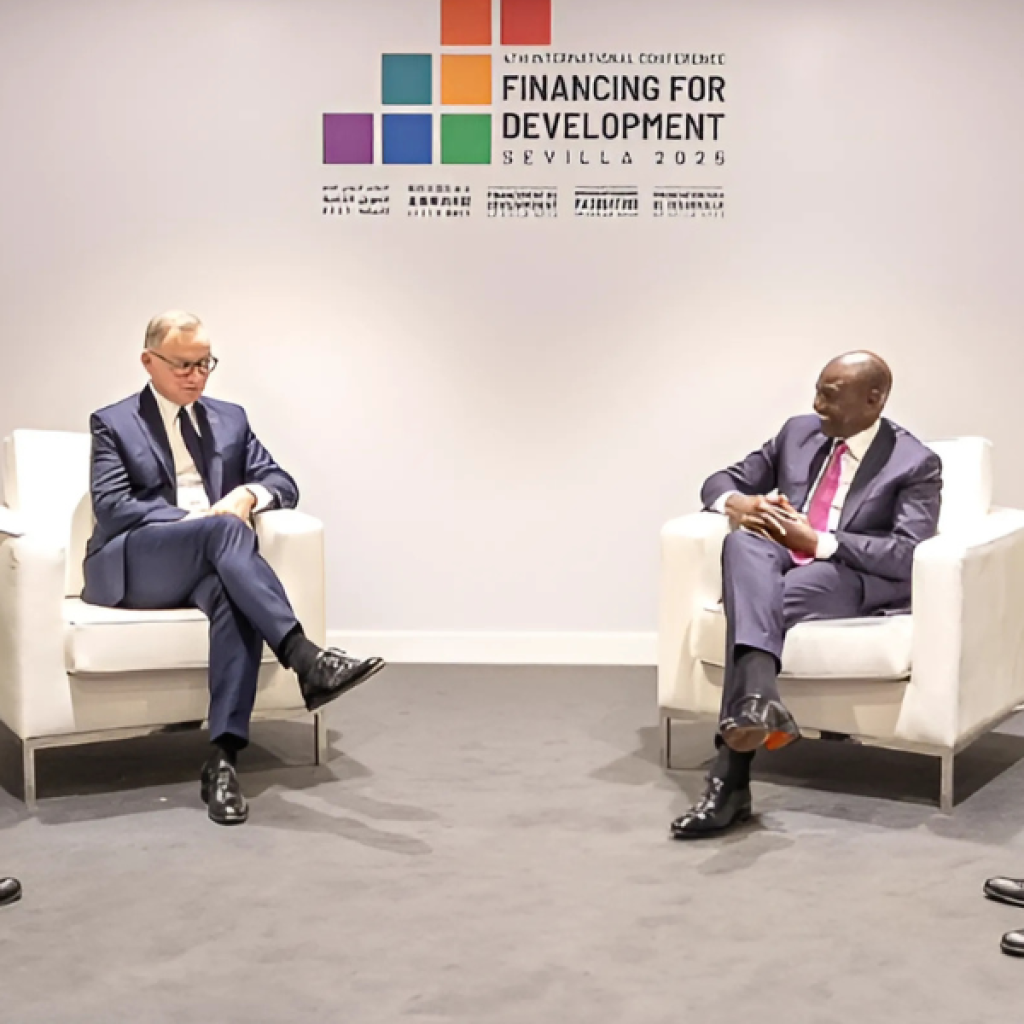
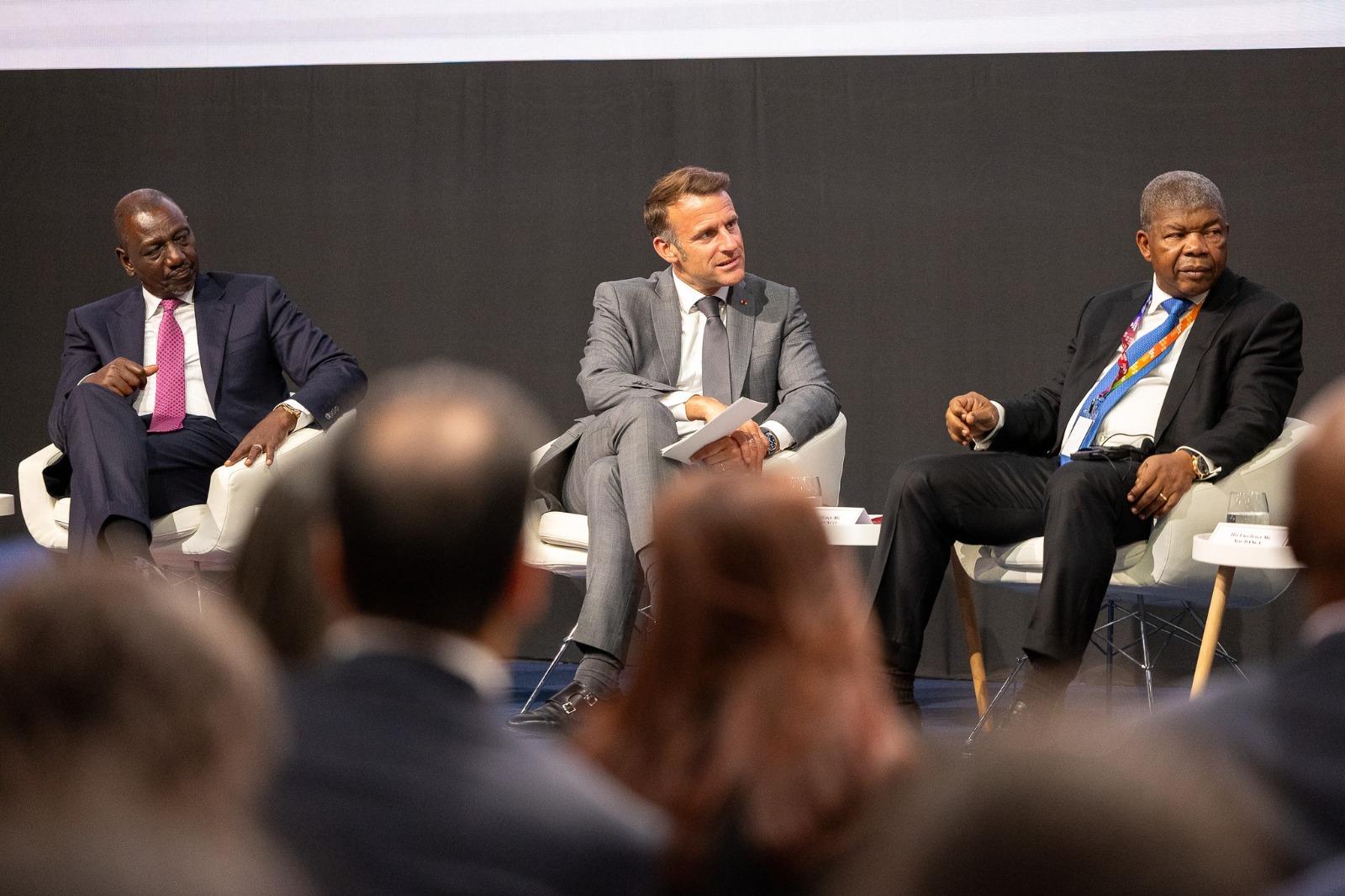
President William Ruto marked a significant milestone in Kenya’s international relations by securing a pivotal trade and irrigation deal with Spain during bilateral talks in Seville, on the sidelines of the Fourth International Conference on Financing for Development (FfD4). The agreement, forged during a meeting with Spanish Prime Minister Pedro Sánchez and King Felipe VI, aims to deepen economic ties between the two nations, with a particular focus on expanding trade, attracting investment, and transferring modern irrigation technologies to bolster food security in Kenya. The deal comes at a time when Kenya is positioning itself as a key economic hub in East Africa, leveraging its strategic partnerships to drive sustainable development and address pressing challenges like climate change and agricultural productivity.
The Seville discussions built on the existing EU-Kenya Economic Partnership Agreement (EPA), which entered into force on July 1, 2024, and has already facilitated tariff-free access for Kenyan agricultural exports, such as vegetables, cut flowers, fruits, tea, and coffee, to the European market. The new agreement with Spain specifically targets agro-industry, renewable energy, and water management, sectors critical to Kenya’s economic transformation agenda. “We are collaborating with Spain to explore new avenues for expanding trade and investment, creating more opportunities for our people,” President Ruto said in a statement following the talks. “Our partnership will also include the transfer of modern irrigation technologies to strengthen food security.”
The irrigation component of the deal is particularly significant, given Kenya’s ongoing struggles with drought and erratic rainfall, which have threatened agricultural output and livelihoods. Spain, a leader in advanced irrigation systems, will provide technical expertise and technology to support Kenya’s smallholder farmers, who form the backbone of the country’s agricultural sector. The initiative aligns with Kenya’s goal of expanding irrigated land to 1.2 million acres by 2030, as outlined in the government’s climate-smart agriculture strategy. “Spain’s expertise in water management is world-class,” said Agriculture Cabinet Secretary John Mutunga, who accompanied Ruto in Seville. “This partnership will help us modernize our irrigation systems, increase crop yields, and make our farmers more resilient to climate change.”
The trade agreement builds on Kenya’s position as a major exporter to the EU, with Spain being a key destination for Kenyan horticultural products. In 2022, Kenya’s exports to Spain were valued at $62.94 million, primarily driven by agricultural goods. The new deal aims to diversify these exports, encouraging Spanish investment in Kenya’s agro-processing and value-addition industries. “We want to move beyond raw exports,” said Rebecca Miano, Kenya’s Cabinet Secretary for Investment, Trade, and Industry, who was part of the delegation. “This agreement opens doors for Spanish companies to partner with Kenyan firms in processing mangoes, avocados, and other crops, creating jobs and boosting our economy.” The deal also includes provisions for collaboration within the United Nations system, focusing on multilateral solutions to global challenges like poverty and climate change.
The Seville talks were not just about bilateral trade but also about positioning Kenya as a hub for sustainable development in Africa. During the FfD4 conference, Ruto co-led an Independent Expert Review on Debt, Nature, and Climate alongside Colombia, France, and Germany, advocating for a global financial system that views public debt as a tool for development rather than a burden. “We now have consensus on the need for a development-oriented sovereign debt architecture,” Ruto said, emphasizing Kenya’s role in shaping global financial reforms. The irrigation deal with Spain complements this vision, as it ties directly to sustainable development goals by enhancing food security and reducing reliance on rain-fed agriculture.
Spanish Prime Minister Pedro Sánchez echoed Ruto’s sentiments, highlighting the mutual benefits of the partnership. “Kenya is a vital partner in East Africa, and this agreement strengthens our commitment to fostering international solidarity,” Sánchez said at a press briefing. “By sharing our irrigation technologies, we aim to support Kenya’s agricultural transformation and contribute to its economic growth.” The involvement of King Felipe VI underscored the high-level commitment to the partnership, with the Spanish monarchy lending symbolic weight to the agreement.
The deal has been met with optimism among Kenyan farmers and business leaders. In Embu County, where smallholder farmers have struggled with water scarcity, the prospect of modern irrigation systems has sparked hope. “We’ve lost crops to drought year after year,” said Mary Wanjiku, a maize farmer in Mbeere South. “If Spain can help us get reliable water, it will change our lives.” Similarly, the Kenya Private Sector Alliance (KEPSA) welcomed the agreement, with CEO Carole Kariuki noting its potential to attract Spanish investment. “This deal signals that Kenya is open for business,” Kariuki said. “We expect to see more Spanish companies setting up in Nairobi, especially in agro-industry and renewable energy.”
However, the agreement has not been without its critics. Some Kenyan stakeholders have expressed concerns about the potential for unequal benefits, given Spain’s advanced technological and economic position. “We must ensure that this partnership doesn’t just favor Spanish companies,” said Peter Mwangi, an economist based in Nairobi. “Kenya needs to prioritize technology transfer and capacity building so that our local industries can compete.” Others have raised questions about the implementation of the irrigation projects, citing past challenges with large-scale agricultural initiatives. “The government must involve local communities and ensure transparency in how these projects are rolled out,” said Ann Wanjiru, director of the Kenya Human Rights Network.
The irrigation deal is particularly timely given the severe drought that has affected agricultural production in Spain’s Seville region, where 6,200 hectares of tomatoes and peppers were at risk in 2023. By sharing its expertise in water-efficient technologies, Spain aims to help Kenya avoid similar challenges. The partnership includes pilot projects in counties like Kitui and Tana River, where solar-powered irrigation systems will be introduced to support smallholder farmers. “These systems will reduce water loss and increase efficiency,” said Mutunga. “We’re looking at models that are affordable and scalable for our farmers.”
The agreement also aligns with Kenya’s broader economic strategy, which includes attracting foreign direct investment through initiatives like the Nairobi International Financial Centre. During the Seville talks, Ruto welcomed the European Bank for Reconstruction and Development’s (EBRD) decision to establish its African headquarters in Nairobi, a move expected to bolster support for micro, small, and medium enterprises (MSMEs) and promote public-private partnerships. “The EBRD’s presence in Nairobi will make Kenya a financial gateway to Sub-Saharan Africa,” Ruto said, noting that the irrigation and trade deal with Spain complements this vision by creating opportunities for MSMEs in the agricultural sector.
Public sentiment, as reflected in posts on X, has been largely positive, with many Kenyans praising Ruto’s efforts to secure international partnerships. “This deal with Spain is a big win for our farmers,” one user wrote. “Irrigation technology will help us grow more food and create jobs.” However, some users called for vigilance to ensure that the benefits reach ordinary Kenyans. “We need to see these projects on the ground, not just on paper,” another user commented. The hashtag #KenyaSpainDeal trended briefly, reflecting the public’s interest in the agreement.
The partnership also has a geopolitical dimension, as Kenya seeks to strengthen ties with European nations amid a shifting global landscape. The Seville conference, attended by leaders from across the world, provided a platform for Kenya to advocate for inclusive financial systems and sustainable development. Ruto’s meetings with other leaders, including Poland’s President Andrzej Duda and Germany’s Federal Minister for Economic Cooperation Reem Alabali-Radovan, underscored Kenya’s growing influence in global diplomacy. “Kenya is ready to lead in agriculture, trade, and climate action,” Ruto said, positioning the country as a model for sustainable growth.
As Kenya moves to implement the deal, the focus will be on ensuring that the irrigation technologies are accessible to smallholder farmers and that trade benefits are equitably distributed. The government has committed to working with local stakeholders to roll out the projects, with an emphasis on transparency and community involvement. “This is not just about signing agreements,” said Miano. “It’s about transforming lives and building a resilient economy.” For now, the Kenya-Spain alliance represents a promising step toward achieving these goals, with the potential to reshape Kenya’s agricultural landscape and strengthen its position in global trade.
Former Kiambu Governor Ferdinand Waititu has secured a major bail reprieve from the High Court, with Justice Winfrida Okwany reducing his bail from Sh53.5 million to Sh20 million cash pending appeal in his ongoing corruption case.
President Ruto and Governor Sakaja signed a cooperation agreement allocating funds for 50,000 new streetlights, water plants saving 50 million litres daily, 27 km Nairobi River sewer and ward road upgrades, with Ruto calling it a partnership to make the city livable while opposition senators warn of devolution threats.
A staff member at Moi Teaching and Referral Hospital allegedly stole Sh10 million by falsifying patient bills as paid in the eCitizen system while diverting the money to her personal account, prompting an ongoing police and hospital investigation.