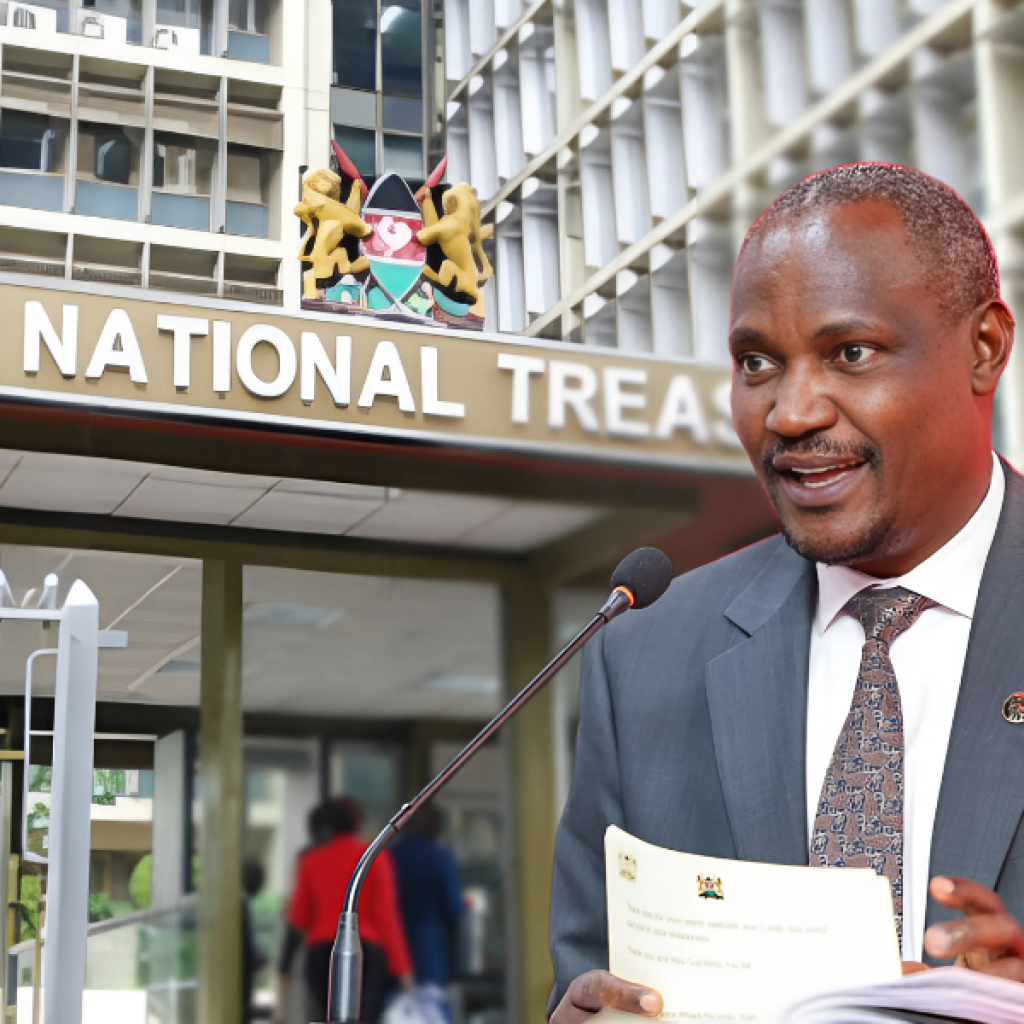
The morning sun illuminated Nairobi’s streets as news rippled through that Kenya’s Treasury has removed stamp duty on properties taken by the Kenya Revenue Authority to recover unpaid taxes. The decision, effective as of recent policy updates, allows KRA to seize and transfer such properties without incurring additional costs, a move aimed at streamlining tax enforcement. Alongside this change, property tax collections surged by 95%, rising from Sh42 billion in the previous year to Sh82 billion in the 2023/24 financial year, reflecting a significant boost in revenue recovery efforts. “This will make it easier for us to get what’s owed,” said a KRA officer outside the Times Tower, adjusting his tie as he spoke to a small crowd of curious onlookers.
The removal of stamp duty, a tax typically levied on property transfers, addresses a long-standing hurdle in recovering unpaid taxes. Previously, transferring seized properties involved a four percent charge on urban land values and two percent on rural holdings, adding to the financial burden on an agency already stretched by enforcement challenges. Now, with the exemption in place, KRA can move seized assets—often held as security against tax debts—directly to buyers or auction them off without these extra fees. “It’s a practical step to recover more money,” noted a tax consultant in Westlands, reviewing documents at a café as the news broke.
The 95% increase in property tax collections to Sh82 billion in 2023/24 underscores the impact of intensified efforts by KRA, bolstered by this policy shift. The rise from Sh42 billion the previous year highlights a renewed focus on unpaid taxes, with officials attributing the growth to better tracking and enforcement mechanisms. In Nakuru, a property owner who settled a long-overdue tax bill remarked, “They came after us harder this year; I had no choice but to pay.” The surge suggests that removing stamp duty has accelerated the process, allowing KRA to clear backlogs and reinvest recovered funds into public services.
The policy change stems from amendments to the tax framework, designed to maximize revenue without adding transactional costs. Properties held by KRA as collateral for unpaid taxes—often from businesses or individuals defaulting on income or value-added tax—can now be transferred seamlessly once a settlement plan is agreed upon. “This cuts the red tape and gets money back into the system faster,” said a Treasury official during a briefing in Nairobi, where staff shuffled papers to update records. The move aligns with broader efforts to strengthen tax compliance, a priority amid economic pressures from currency depreciation and rising public debt.
In Mombasa, where coastal properties often feature in tax disputes, reactions were mixed. A real estate agent sorting through files at his office noted, “It might speed up sales, but it could lower property values if KRA floods the market.” The concern reflects a potential downside: an influx of seized properties could depress prices, affecting owners and investors. Yet, KRA insists the focus remains on recovery, not market manipulation. “We’re not here to crash prices; we’re here to collect what’s due,” said a regional supervisor, overseeing an auction of a commercial plot seized for unpaid taxes.
The decision has sparked debate across Kenya’s diverse regions. In Eldoret, a farmer listening to the radio while tending his maize fields questioned the fairness. “What about those who can’t pay? They’ll lose everything,” he said, wiping sweat from his brow. The policy targets defaulters, including businesses that have accrued significant tax arrears, but it raises questions about support for struggling taxpayers. KRA has introduced payment plans to mitigate hardship, with one shopkeeper in Kisumu recalling, “They let me pay in installments after I explained my situation.”
Public sentiment, echoed in conversations from tea stalls to online platforms, reveals a split. In Nairobi’s Kariobangi estate, a young mother pushing a cart of vegetables expressed relief. “If it gets the government money, maybe we’ll see better roads,” she said, navigating potholes as she spoke. Conversely, in Garissa, a trader packing goods for the market worried about small businesses. “Many of us are barely surviving; this could push us out,” he remarked, stacking sacks of rice. The policy’s success may hinge on balancing enforcement with leniency.
KRA’s enhanced collection efforts have included integrating digital tools and collaborating with other agencies, a strategy that gained traction in 2023/24. The Sh82 billion haul reflects a performance rate nearing 95% of targets, a leap from previous years’ shortfalls. In Thika, a factory owner who settled a tax debt after a KRA notice arrived noted, “They’re using data to find us now; it’s harder to hide.” The agency’s use of technology, including cross-referencing property records, has tightened the net on defaulters, contributing to the revenue spike.
The Treasury’s move also addresses legal and administrative bottlenecks. Previously, stamp duty payments delayed property transfers, leaving KRA with assets it couldn’t easily liquidate. The exemption, effective under revised tax procedures, simplifies the process, allowing quicker resolutions. “It’s about efficiency, not just revenue,” said a legal advisor in Nakuru, reviewing a client’s case involving a seized warehouse. The change could set a precedent for future tax recovery strategies, though it requires careful monitoring to avoid overburdening taxpayers.
In rural areas like Bungoma, where land disputes often complicate tax issues, the policy’s impact is still unfolding. A villager tending a coffee plot expressed uncertainty. “If they take our land, what do we do?” he asked, glancing at a neighbor who nodded in agreement. KRA has promised to prioritize dialogue, offering settlements before seizure, but implementation varies. In Mandera, a herder who avoided a tax lien through negotiation said, “They listened when I showed my records; it helped.”
The Sh82 billion collected in 2023/24 has bolstered the exchequer, supporting sectors like health and education amid economic challenges. Yet, the 95% increase has drawn scrutiny. In Kisii, a teacher preparing lessons remarked, “It’s good for schools, but where was this effort before?” The revenue boost follows years of inconsistent collection, with past audits flagging losses from unrecovered taxes. The stamp duty removal could signal a turning point, though long-term effects remain unclear.
Businesses, particularly in urban centers, feel the policy’s weight. In Nairobi’s industrial area, a manufacturer who cleared a tax arrears after a KRA visit said, “They gave me a deadline, and I paid to avoid losing my factory.” The threat of property seizure has prompted compliance, but it also raises concerns about economic stability for small enterprises. A retailer in Mombasa added, “We’re paying more, but costs are rising too; it’s tough.”
The policy’s rollout has included public awareness campaigns, with KRA holding forums to explain the changes. In Nyeri, a shop owner attending one such meeting noted, “They showed us how to avoid trouble with taxes; it was helpful.” The agency aims to educate taxpayers, reducing defaults through voluntary compliance. Yet, in rural Turkana, a herder unfamiliar with the updates asked, “How do we even know what they want from us?” Access to information remains a challenge in remote areas.
As the day wore on, KRA offices buzzed with activity. In Eldoret, staff processed payments from newly compliant taxpayers, while in Kilifi, agents inspected properties flagged for arrears. The policy’s success will depend on execution, with calls for oversight to prevent abuse. “They must be fair, or people will resist,” said a community leader in Kitui, addressing a gathering of locals concerned about land seizures.
The evening brought reflections on the policy’s implications. In Nairobi, a father watching news with his family remarked, “If it fixes the economy, I’m for it.” In contrast, a fisherman in Lamu, mending nets by the shore, worried, “What if they take our boats next?” The balance between revenue recovery and public trust will shape the policy’s legacy. As lights dimmed across the country, the debate continued, with Kenya’s fiscal future hanging on the outcome.