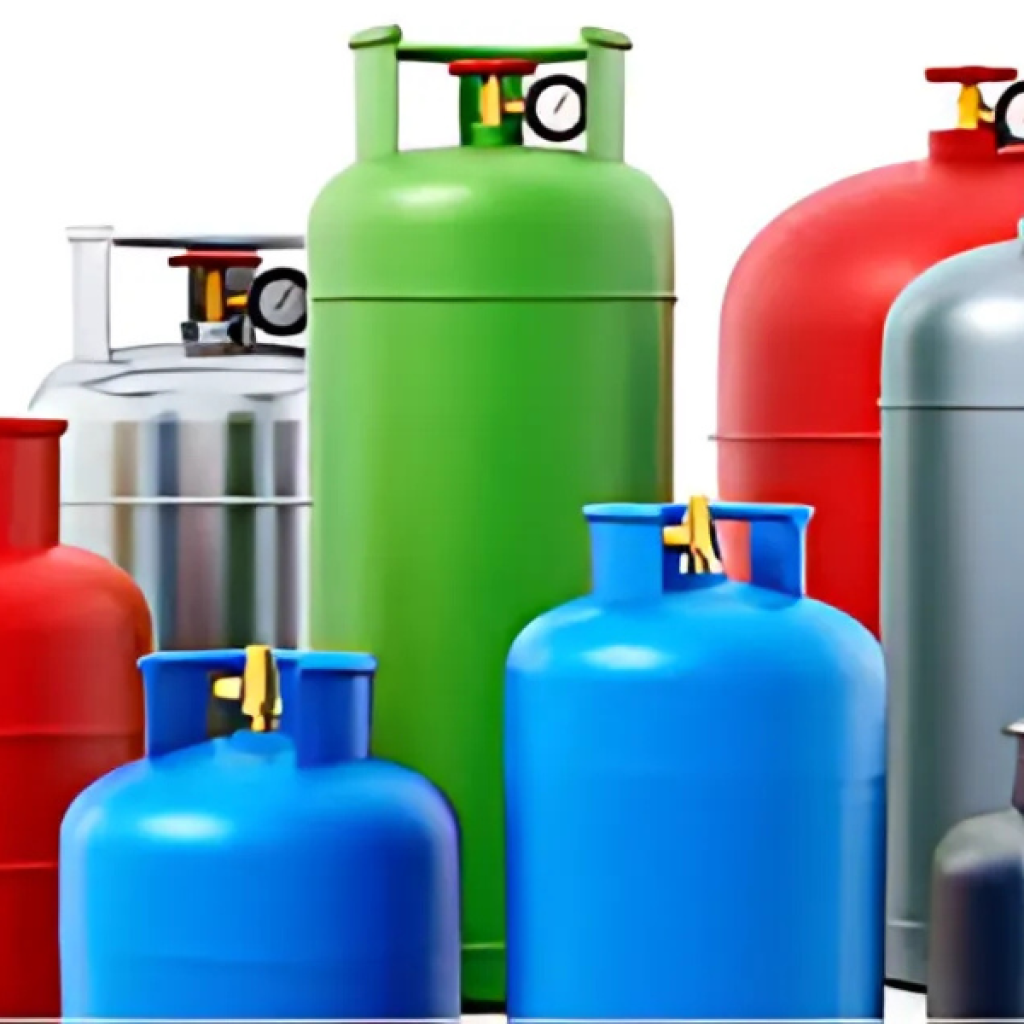
The dawn broke over Nairobi with a fresh announcement that Kenya plans to allow more liquefied petroleum gas dealers to sell gas on tokens using smart meters, a move targeting low-income homes to raise LPG use from 7.5kg to 15kg per person. The pay-as-you-go model, designed to make clean cooking accessible, promises to transform energy habits in communities where charcoal and kerosene have long dominated. The initiative, unveiled amid growing calls for sustainable energy, seeks to empower households with flexible payment options, leveraging technology to bridge affordability gaps. “This could change how we cook every day,” said a mother in Kibera, stirring a pot over a makeshift stove as news reached her neighborhood.
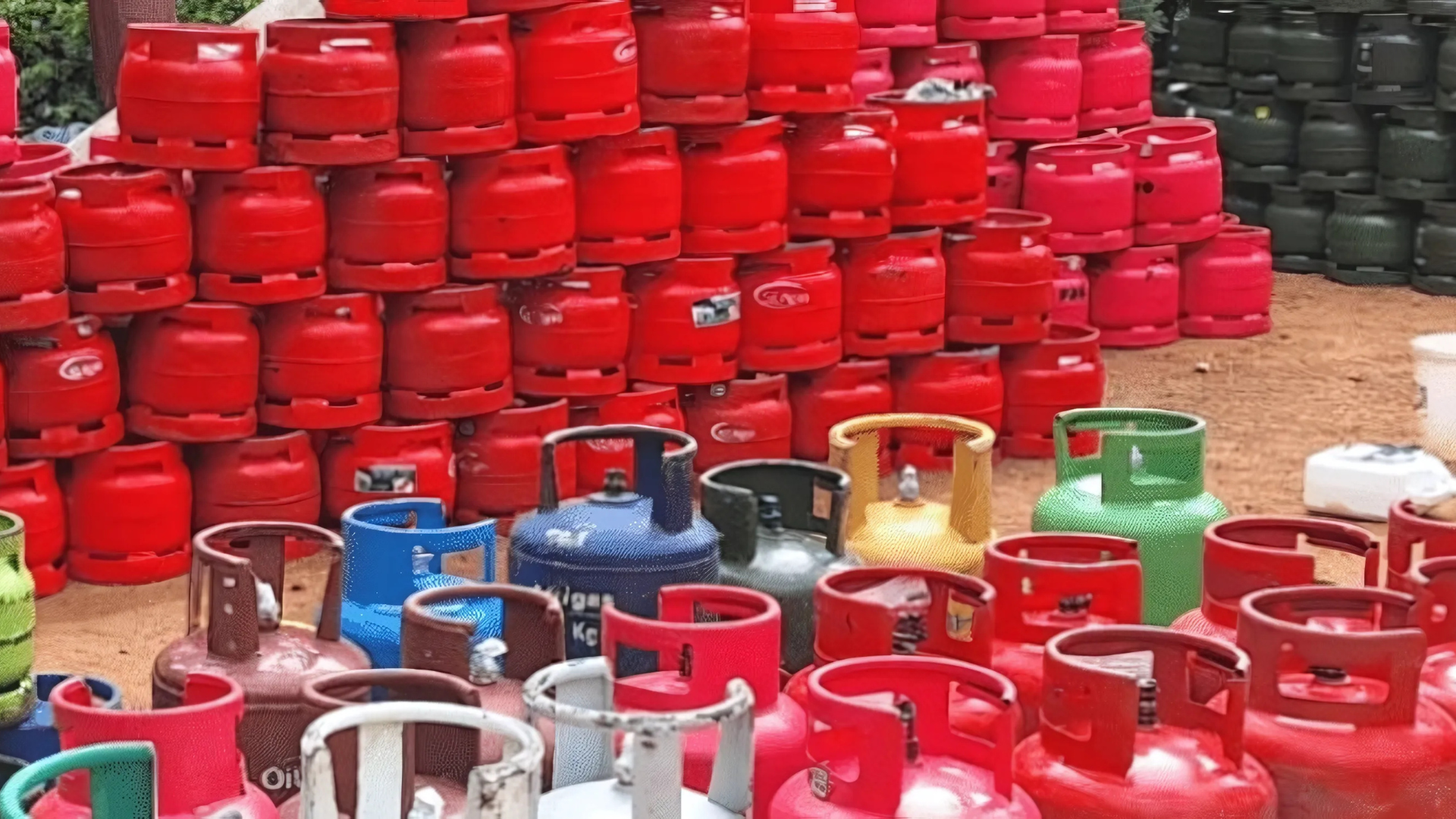
The plan hinges on smart meters, devices that attach to LPG cylinders and allow users to purchase gas in small increments via mobile money platforms. This approach mirrors the prepaid electricity model, enabling families to buy only what they can afford, whether for a single meal or a week’s cooking. The government aims to license additional dealers to expand this network, particularly in urban slums and rural areas where access has been limited. “We want every home to have this option,” remarked an energy official during a community meeting in Mombasa, where residents gathered to learn about the rollout. The target of doubling per capita LPG use reflects a broader vision to reduce reliance on polluting fuels.
Low-income households, often priced out of traditional LPG cylinders due to high upfront costs and refill prices, stand to benefit most. A 6kg cylinder, typically costing over Sh1,000 to refill, has been a barrier for many, pushing them toward cheaper but harmful alternatives. The pay-as-you-go system eliminates the need for large initial investments, with smart meters tracking usage and alerting users when refills are due. “I can’t afford a full cylinder, but this sounds manageable,” said a fisherman in Lamu, mending his nets as he considered the change. The initiative aligns with efforts to improve health outcomes, as indoor air pollution from biomass fuels claims thousands of lives annually.
In Nairobi’s Mukuru slum, early adopters of similar technology have reported positive shifts. Families using smart meters note the convenience of home deliveries and the ability to cook multiple dishes with double-burner stoves. “It saves time and keeps the air cleaner for my children,” said a woman in a tin-roofed home, watching her daughter play nearby. The model, tested in informal settlements, showed resilience during economic downturns, with many households maintaining LPG use despite income losses. This resilience underpins the government’s confidence in scaling the program, aiming to reach millions across Kenya’s diverse regions.
The plan to raise LPG consumption from 7.5kg to 15kg per person signals a bold step toward cleaner energy goals. Currently, national usage lags, with many relying on wood and charcoal due to cost and availability. The increase targets a per capita benchmark seen in countries with higher LPG adoption, suggesting a long-term shift in cooking habits. “If we can double our use, it’ll protect our forests and our health,” said a teacher in Eldoret, addressing students during a break. The strategy includes training dealers to install and maintain smart meters, ensuring widespread access by 2026.
Implementation will rely on partnerships with mobile money providers and LPG distributors, building on existing infrastructure. Smart meters, equipped with unique IDs, connect to mobile platforms, allowing payments as low as Sh50 for small gas quantities. This flexibility suits the irregular incomes of low-income families, a key barrier identified in past studies. “We pay what we earn each day; it fits our lives,” noted a vendor in Nakuru, selling vegetables near a busy market. The government plans to subsidize initial setups, reducing the financial burden on new users.
Reactions across Kenya vary, reflecting the country’s economic diversity. In rural Bungoma, a farmer tending coffee plants expressed cautious optimism. “It sounds good, but will it reach us here?” he asked, glancing at his modest kitchen setup. Urban dwellers, particularly in Nairobi and Mombasa, see potential economic benefits. “More dealers mean more jobs and cheaper gas,” said a boda boda rider in Kisumu, waiting for customers. Yet, concerns linger about infrastructure, with some questioning the reach into remote areas where mobile networks are weak.
The health impact drives the initiative, as biomass fuels contribute to respiratory illnesses, especially among women and children. A community health worker in Turkana shared, “We see fewer coughs where LPG is used; this could save lives.” The pay-as-you-go model also reduces risks of gas explosions by ensuring regular maintenance through dealer networks. In Kilifi, a mother who switched from charcoal recalled, “No more burns or smoke; it’s safer for my family.” The program aims to replicate such outcomes nationwide.
Economic arguments support the plan, with increased LPG use expected to boost local industries. Dealers, from small retailers to established firms, will expand operations, creating jobs in distribution and installation. “This could be a lifeline for our business,” said a shop owner in Garissa, stocking basic goods. The government anticipates reduced healthcare costs from cleaner air, potentially offsetting subsidy expenses. However, critics argue that rising global LPG prices could undermine affordability, a challenge the policy must address.
Community engagement is central, with public forums planned to educate residents. In Nyeri, a youth leader organized a meeting to discuss the initiative. “We need to know how it works before we trust it,” he told attendees, many nodding in agreement. Dealers will receive training on customer service and safety, ensuring smooth adoption. “We’ll teach people to use it safely,” promised a technician in Thika, testing a smart meter at a local depot. The rollout includes pilot projects in high-need areas, with feedback shaping future phases.
The technology’s success hinges on reliability. Smart meters alert users and dealers when gas nears depletion, triggering deliveries without user intervention. “I never run out anymore; they bring a new cylinder on time,” said a resident in Mathare, cooking lunch for her family. The system also tracks usage, providing data to refine distribution. Yet, technical glitches or network failures could disrupt service, a concern raised by a mechanic in Naivasha. “It’s great if it works, but what if the signal fails?” he asked, adjusting a motorcycle engine.
Cultural shifts accompany the policy, as LPG challenges traditional cooking methods. In rural areas, where wood gathering is a communal activity, some resist change. “It’s part of our way of life,” said an elder in Kitui, sitting by a fire pit. Urban slums, however, embrace the convenience, with families noting time savings for work or education. “I can cook faster and help my kids with school,” said a mother in Korogocho, packing a schoolbag. The initiative seeks to balance tradition with modernity.
The government’s timeline sets 2026 as a key milestone, with initial licenses for new dealers expected by year-end. Subsidies will phase out as adoption grows, aiming for self-sustainability. “We want this to stand on its own eventually,” said an official during a press interaction in Nairobi. Monitoring will assess progress, with targets for dealer numbers and household uptake. In Mandera, a herder watching his goats expressed hope. “If it comes here, it could ease our burden,” he said, shielding his eyes from the sun.
As evening approached, conversations continued across Kenya. In Mombasa, a fisherman preparing his boat remarked, “It’s a step forward if they make it cheap.” In Nakuru, a shopkeeper closing her stall added, “We’ll see if it lasts.” The initiative, blending technology and policy, aims to reshape energy access, with its success tied to execution and public trust. Families across the nation watched the horizon, anticipating a cleaner, more affordable future in their kitchens.