By Brenda Wereh02 Jul, 202541 mins read 2,439 views
0 comments 0 likes
Kenya partners with the London Stock Exchange to strengthen the Nairobi Securities Exchange, aiming to unlock equity and debt markets for national development.
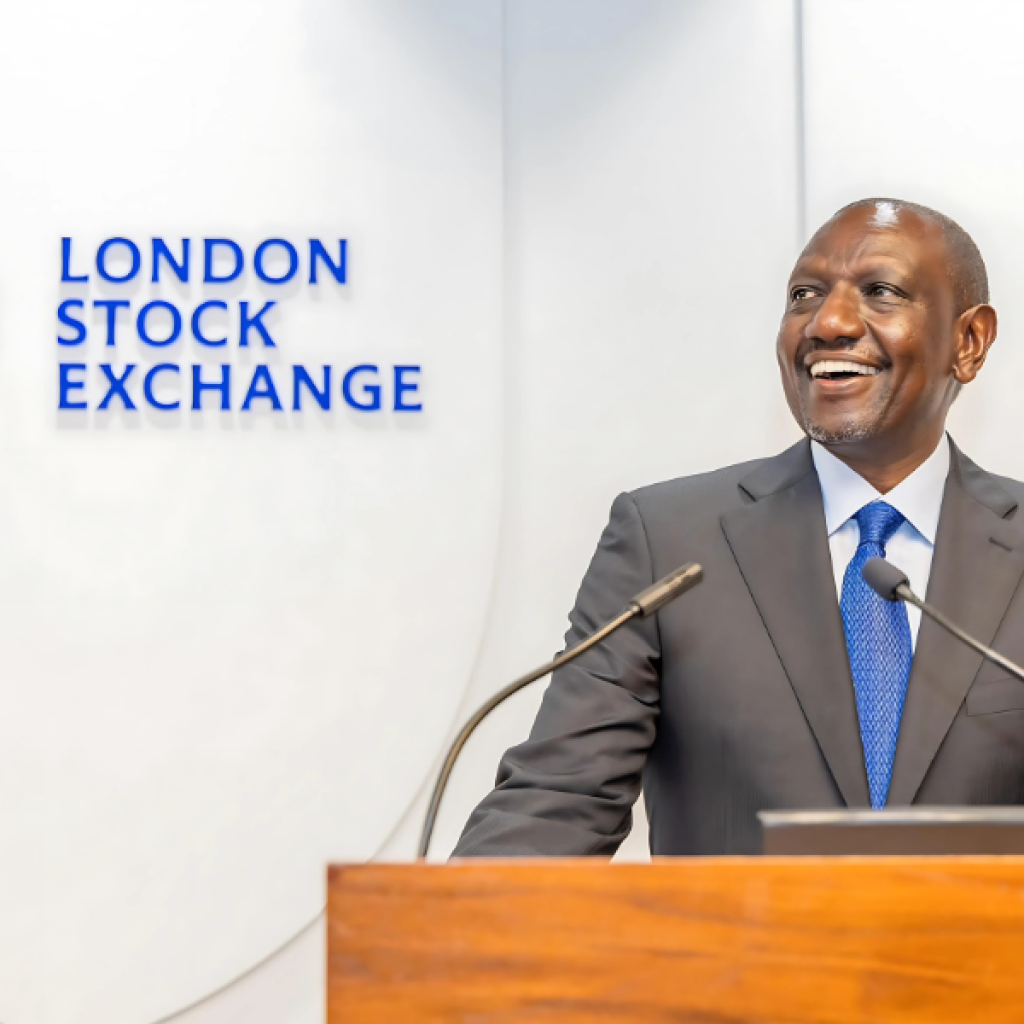
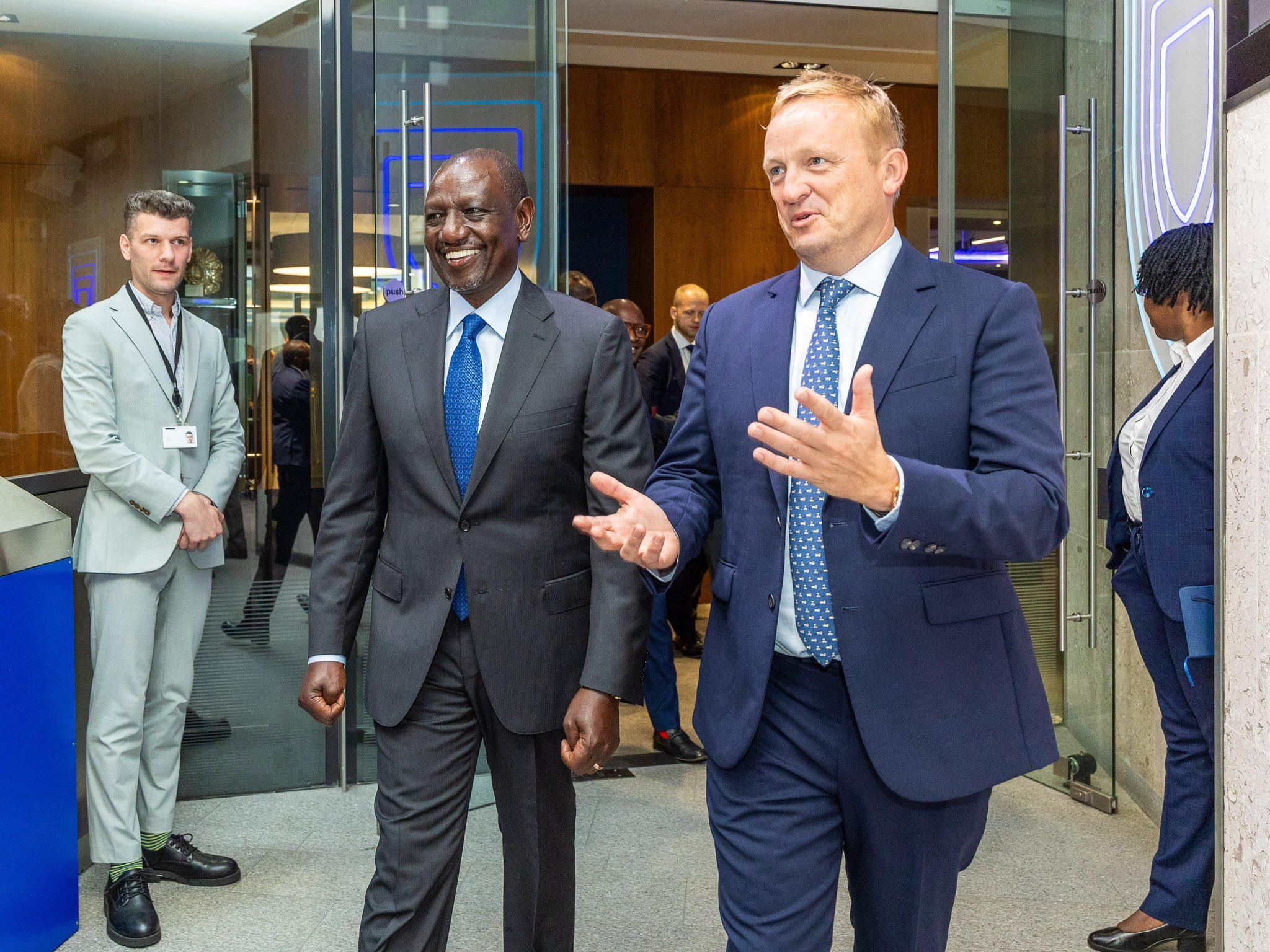
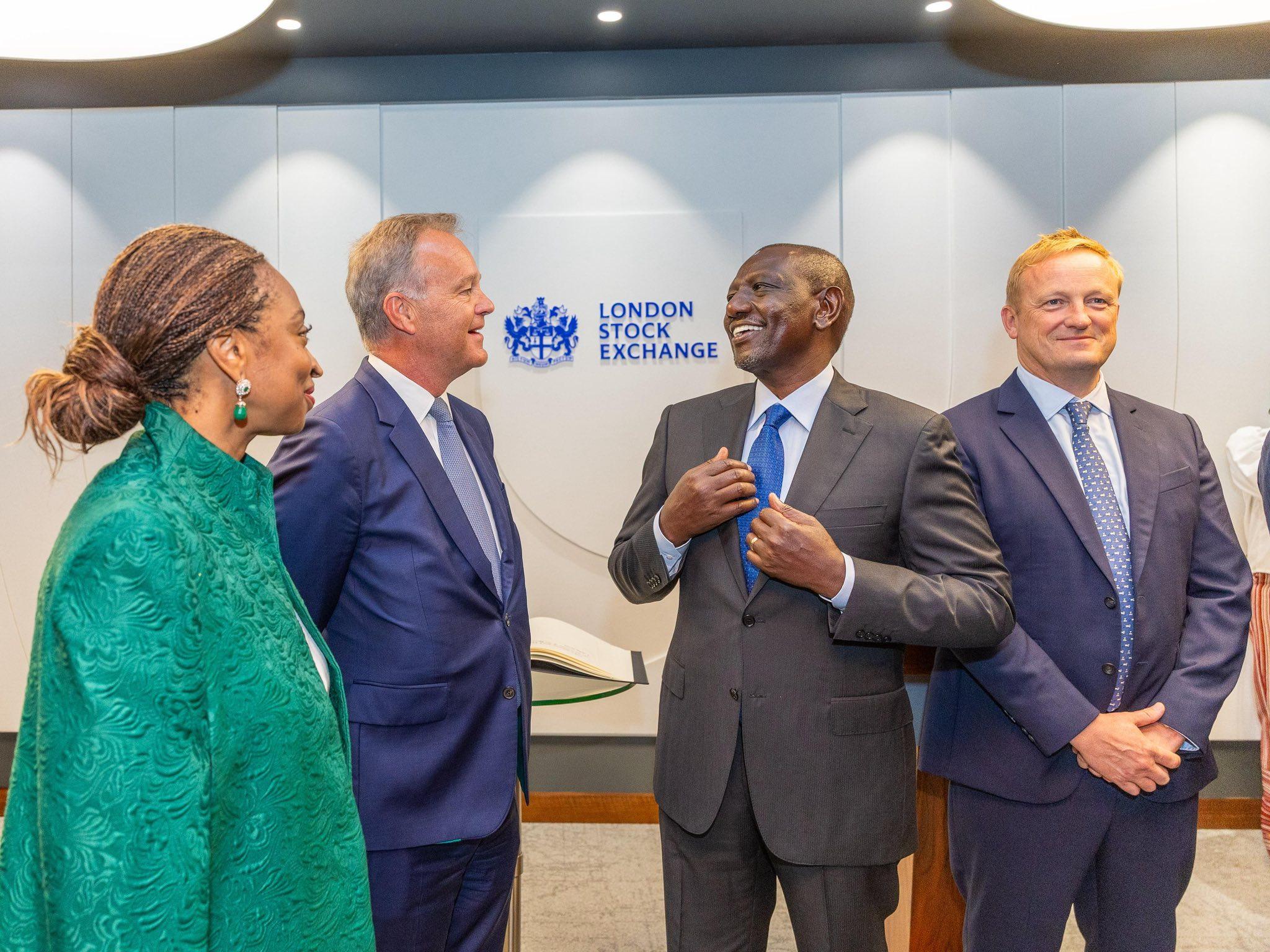
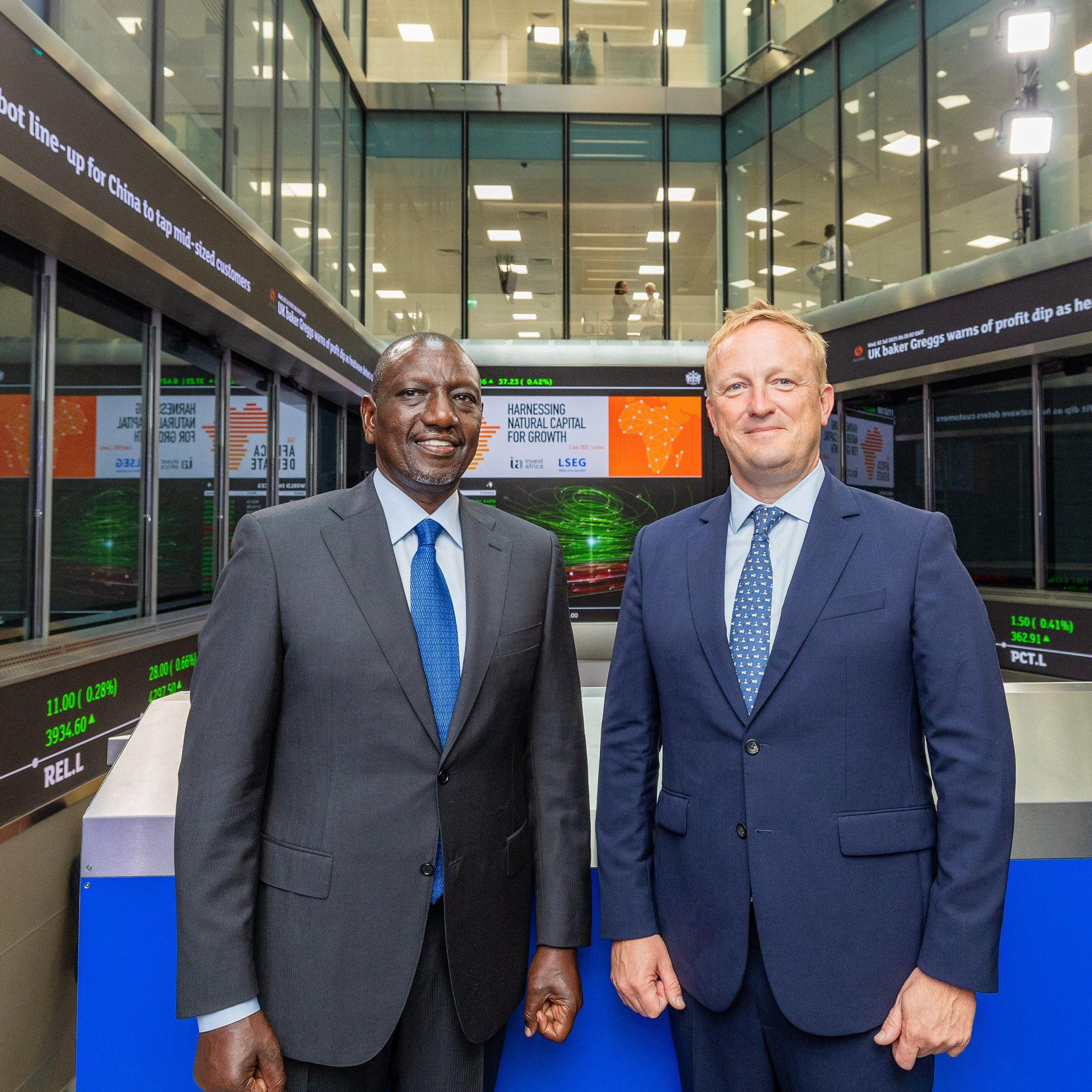
Kenya marked a significant milestone in its ambition to become East and Central Africa’s financial hub by strengthening ties with the United Kingdom through a renewed Kenya-UK Strategic Partnership. A key highlight of this agreement was President William Ruto’s symbolic ringing of the opening bell at the London Stock Exchange (LSE) on July 2, 2025, during an Africa-focused investment forum. This event underscored Kenya’s push to enhance its capital markets, particularly through collaboration with the LSE, one of the world’s leading financial institutions. The partnership aims to bolster the Nairobi Securities Exchange (NSE), attract foreign investment, and position Nairobi as a global financial gateway. This article explores the details of this strategic partnership, its implications for Kenya’s capital markets, the challenges it faces, and the broader context of Kenya’s economic aspirations amidst recent political and social unrest.
The Kenya-UK Strategic Partnership: A Framework for Growth
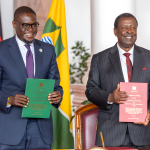
The Kenya-UK Strategic Partnership 2025–2030, signed by President Ruto and UK Prime Minister Sir Keir Starmer on July 1, 2025, builds on the existing 2020–2025 framework and focuses on four pillars: trade and investment, green growth and climate action, science and technology, and peace and security. The partnership is expected to unlock over KSh 427 billion (£2.3 billion) in investments, with KSh 266.1 billion directed toward new projects across various sectors and KSh 32.3 billion allocated to capital markets funding to drive economic growth through 2030. A flagship initiative under this agreement is the establishment of a regional underwriting hub by Lloyd’s of London under the Nairobi International Financial Centre (NIFC), projected to manage up to KSh 75.5 billion in insurance market potential.
President Ruto, speaking at the LSE, emphasized the critical role of capital markets in fostering sustainable economic growth and shared prosperity across Africa. He highlighted recent reforms in Kenya’s financial markets, crediting them for the NSE’s recognition as Africa’s top-performing bourse in dollar returns in 2024. These reforms include efforts by the Capital Markets Authority (CMA) and the NSE to enhance market transparency, streamline regulations, and attract new listings. The partnership with the LSE aims to leverage London’s deep financial expertise to further strengthen the NSE’s capacity and performance, making it a more attractive destination for global investors.
The Nairobi Securities Exchange: A Rising Star
The NSE has shown remarkable resilience and growth in recent years, with the combined market capitalization of its top 10 listed firms surpassing KSh 2 trillion in June 2025, a milestone not achieved since September 2022. This growth, driven by strong performances from companies like Safaricom and I&M Bank, reflects increasing investor confidence in Kenya’s macroeconomic stability. The NSE’s 12% year-to-date surge in 2025 has been fueled by tech-driven firms and financial institutions embracing digital transformation, positioning Kenya as a leader in East Africa’s financial landscape.
However, the NSE faces challenges, including a lack of new initial public offerings (IPOs) and a concentration of investor capital in a handful of large firms. To address these issues, the CMA and NSE have introduced reforms aimed at attracting new listings and enhancing market liquidity. The partnership with the LSE is expected to provide technical assistance, knowledge sharing, and access to global investors, helping the NSE diversify its offerings and reduce its reliance on a few dominant players.
A key component of this collaboration is the integration of the NIFC with global financial institutions like Lloyd’s of London. The NIFC, established under the National Treasury, aims to position Nairobi as a financial gateway for Sub-Saharan Africa. The Lloyd’s hub will enhance Kenya’s specialty insurance and reinsurance markets, which have historically been underdeveloped, and provide macroeconomic stability during times of economic shock. This initiative is expected to attract private equity, sovereign wealth funds, and institutional investors, further boosting the NSE’s growth.
The Role of the Nairobi International Financial Centre
The NIFC is central to Kenya’s ambition to become the financial capital of East and Central Africa. On July 2, 2025, the NIFC Authority signed a landmark agreement with Africa Specialty Risks (ASR), a leading global underwriter, to mitigate investment risks for over KSh 260 billion in foreign investments. This deal, announced during the Africa Debate Forum in London, aims to reduce the cost of capital, fast-track deal execution, and unlock funding for critical sectors such as infrastructure, energy, logistics, and trade. By absorbing some of the investment risk, ASR will make Kenya more attractive to foreign investors wary of political volatility, such as the recent protests in June 2025.
The NIFC’s partnership with Lloyd’s of London further strengthens Nairobi’s position as a regional financial hub. The underwriting hub is expected to deepen ties between Nairobi and London, two leading financial centers, and provide access to significant insurance market potential. Additionally, the NIFC is spearheading projects like the Nairobi Railway City, a transit-oriented development inspired by London’s Kings Cross regeneration, which will transform Nairobi’s Central Business District and stimulate economic activity.
Economic Context and Opportunities
Kenya’s pursuit of capital markets growth comes at a time of both opportunity and challenge. The country’s stable currency, strategic position in East Africa, and robust trade ties with Europe and the UK have positioned it to capitalize on global economic shifts. The Economic Partnership Agreement with the European Union, implemented in July 2024, has boosted Kenya’s exports, particularly in horticulture and floriculture, with the country accounting for 43% of East African Community trade with Europe in 2024.
The aviation and hospitality sectors are also primed for growth, with Kenya Airways expanding its network through strategic partnerships and fleet modernization. The airline’s recent codeshare agreement with Safarilink and plans for six additional weekly flights between Nairobi and London are expected to enhance passenger and cargo flow, further integrating Kenya into global markets. According to the Internationalտ
System: International Air Transportation Association, these developments contribute significantly to Kenya’s economy, supporting 460,000 jobs and adding KSh 425 billion to the GDP.
The partnership with the LSE and the broader Kenya-UK Strategic Partnership align with these economic trends, aiming to attract premier global institutions to the NIFC and drive innovation and resilience in Kenya’s financial sector. The focus on green finance, with KSh 35.5 billion allocated to sustainable projects, reflects Kenya’s commitment to aligning with global sustainability goals.
Challenges Amidst Recent Unrest
Kenya’s ambitions for capital markets growth are not without challenges, particularly in light of recent political and social unrest. The June 25, 2025, protests, driven by youth-led demands for governance reforms and an end to police brutality, highlighted deep-seated frustrations with the government. The violent turn of these protests, including the looting of the Dagoretti Police Post and the theft of five firearms, underscored the risks of political volatility. While the Directorate of Criminal Investigations has recovered some of these weapons, the unrest has raised concerns among investors about stability.
The government’s response, including allegations of excessive force and restrictions on media coverage, has drawn criticism from human rights groups and international observers. These events could deter foreign investment if not addressed through meaningful reforms. However, the ASR deal and the NIFC’s risk-mitigation strategies are designed to reassure investors by lowering barriers to foreign direct investment (FDI). Despite a marginal decline in FDI from $1.504 billion in 2023 to $1.503 billion in 2024, targeted reforms and cross-border partnerships are expected to drive new capital inflows, particularly in fintech, healthcare, and infrastructure.
International and Domestic Reactions
The Kenya-UK partnership and Ruto’s appearance at the LSE have generated significant buzz. Posts on X reflect optimism about Kenya’s growing influence in global finance, with users highlighting the potential for Nairobi to become Africa’s premier financial hub. However, domestic sentiment is mixed, with some Kenyans expressing skepticism about the government’s ability to translate these agreements into tangible benefits for ordinary citizens, given the backdrop of recent protests and economic challenges.
Internationally, the partnership has been praised as a step toward strengthening UK-Kenya economic ties. The UK’s commitment to channeling significant investments and fostering collaboration in technology and green growth aligns with Kenya’s development goals. However, concerns about governance and transparency, amplified by the protests, underscore the need for accountability to sustain investor confidence.
The Road Ahead
Kenya’s partnership with the LSE and the broader Kenya-UK Strategic Partnership represent a bold step toward transforming Nairobi into a global financial hub. By leveraging London’s financial expertise, enhancing the NIFC’s capabilities, and implementing risk-mitigation strategies, Kenya is positioning itself to attract substantial foreign investment. However, the success of these initiatives will depend on addressing domestic challenges, including political stability, governance reforms, and public trust.
The NSE’s strong performance and the NIFC’s strategic partnerships signal a promising future for Kenya’s capital markets. Projects like the Nairobi Railway City and the Lloyd’s underwriting hub are expected to drive economic transformation, create jobs, and enhance Kenya’s global standing. As Kenya navigates this critical juncture, balancing economic ambition with social and political reforms will be key to realizing its vision of becoming East Africa’s financial capital.
The Kenya-UK Strategic Partnership 2025–2030, highlighted by President Ruto’s engagement with the LSE, marks a pivotal moment for Kenya’s capital markets. With significant investments, innovative financial mechanisms, and a focus on sustainable growth, Kenya is poised to strengthen its position in global finance. However, the government must address domestic unrest and implement transparent governance to sustain investor confidence and ensure inclusive growth. As Kenya courts global capital, the collaboration with the LSE offers a unique opportunity to drive long-term economic transformation, positioning Nairobi as a beacon of financial innovation in Africa.
Former Kiambu Governor Ferdinand Waititu has secured a major bail reprieve from the High Court, with Justice Winfrida Okwany reducing his bail from Sh53.5 million to Sh20 million cash pending appeal in his ongoing corruption case.
Kenya National Highways Authority names Eng. Luka Kipchumba Kimeli as Director General while Kenya Roads Board appoints Judith Otsyula to the same role in major leadership changes for Kenya's roads sector.
Kenya’s Committee on Communication, Information and Innovation has rejected calls for a complete ban on TikTok, instead proposing mandatory local storage of Kenyan user data and full compliance with national laws in a report adopted for debate in the National Assembly.