A bold stride toward sustainable energy marked the morning of Wednesday, July 30, 2025, as Kenya Electricity Generating Company (KenGen) unveiled ambitious plans to construct a wind power plant in Marsabit with an initial capacity of 200 megawatts, slated for completion by 2028. The announcement, made during a press briefing in Nairobi at 11:00 AM East Africa Time, also revealed that subsequent phases will expand the facility to 1,000 megawatts, positioning it as Africa’s largest planned wind farm. Simultaneously, KenGen celebrated the launch of its first battery storage system, a 1.16 megawatt-hour unit designed to power its Nairobi data center with clean, reliable energy during periods of low grid demand. “This is a leap toward a greener future for Kenya and the continent,” KenGen Managing Director Peter Njenga said, addressing a room of journalists and stakeholders. The dual initiatives have ignited optimism and curiosity across the nation.
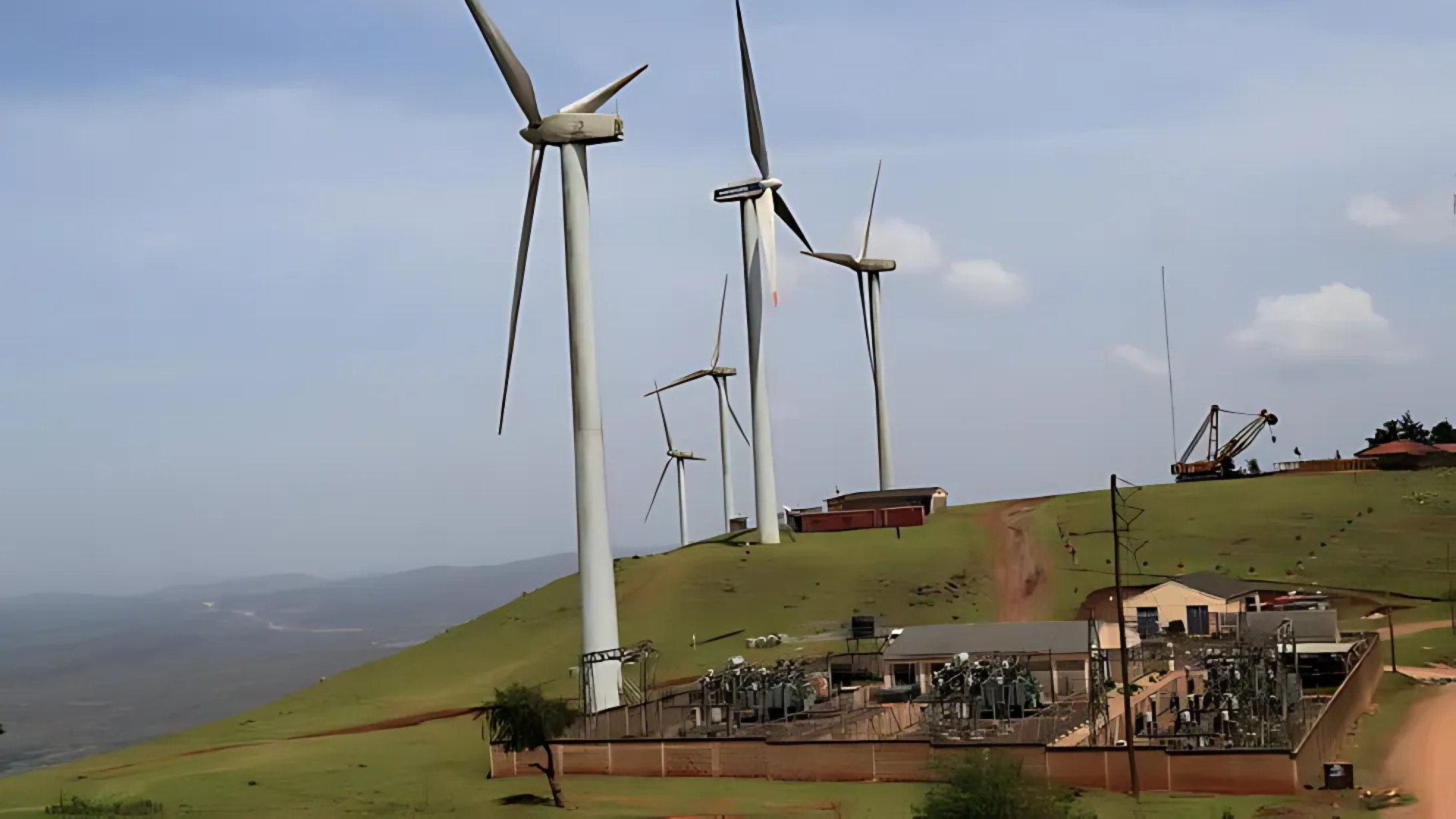
The Marsabit wind project, located in the windy highlands of northern Kenya, capitalizes on the region’s consistent breezes, identified through years of meteorological studies. The initial 200MW phase, expected to be operational by late 2028, will power approximately 300,000 homes, reducing reliance on fossil fuels and cutting carbon emissions by an estimated 400,000 tons annually. The subsequent phases, stretching into the early 2030s, will scale the capacity to 1,000MW, surpassing existing wind farms like Morocco’s Tarfaya, which stands at 300MW. KenGen plans to partner with local communities for land leases and employment, a move welcomed by residents. A herder in Marsabit, tending his livestock, remarked, “If this brings jobs and lights our homes, we support it.” The project aligns with Kenya’s goal to achieve 100% green energy by 2030.
Public response has been a mix of enthusiasm and cautious interest. In Kisumu, a teacher preparing lessons listened to the radio, saying, “Wind power could save us from blackouts if it works.” In Mombasa, a shopkeeper serving customers expressed curiosity. “Will it raise our electricity bills to build this?” he asked as the news played. The 1,000MW target, if realized, would make Marsabit a renewable energy hub, attracting investment and boosting the local economy. KenGen estimates a Sh50 billion investment for the initial phase, with funding from government coffers and international green bonds. A youth leader in Naivasha, organizing a community meeting, added, “This could inspire more clean energy, but we need to see the benefits here too.”
The battery storage system, launched at KenGen’s Nairobi data center, represents a technological milestone for the company. The 1.16MWh lithium-ion system, installed to stabilize power supply, ensures uninterrupted operations during off-peak grid periods, reducing reliance on diesel generators. The data center, critical for managing KenGen’s grid operations, previously faced downtime during low demand, prompting the shift to battery backup. The system, charged during excess renewable production, supports Kenya’s push for energy efficiency amid a Sh10 trillion public debt and 5.5% inflation. A driver in Garissa, fueling his matatu, noted, “If it keeps the lights on without fuel, that’s a win.” The technology could pave the way for broader adoption across KenGen’s facilities.
Communities across Kenya have begun discussing the developments. In rural Kitale, a farmer tending maize fields heard a radio update, saying, “Wind in Marsabit could power our pumps if the grid reaches us.” In urban Eldoret, a student at a cyber cafe scrolled through news, adding, “The battery idea is smart for cities like Nairobi.” The Marsabit project will involve constructing over 150 wind turbines, with local firms contracted for construction to stimulate the regional economy. KenGen plans community training programs to prepare residents for technical roles. A mother in Nyeri, feeding her children, expressed hope. “If it brings jobs and clean power, it’s good for our kids,” she said, clearing the table.
The morning’s announcements drew diverse reactions. In Thika, a father waiting at a clinic said, “My brother works in energy; he’s excited about this.” In Baringo, a herder tending cattle paused to hear a broadcast, noting, “Marsabit’s wind could help us all.” The wind farm’s phased approach allows for scalability, with 400MW targeted by 2030 and the full 1,000MW by 2032, pending environmental and funding approvals. The battery system, meanwhile, offers a model for other data centers, with plans to scale to 5MWh by 2027. A health worker in Kisii, coordinating a vaccination drive, added, “Reliable power could improve our work if it spreads.”
As the day progressed, the story spread to remote areas. In Marsabit, a local trader setting up his stall said, “This wind farm could change our lives if they include us.” In Mombasa’s markets, a vendor packing fish asked, “Will Nairobi’s battery help us too?” KenGen has committed to environmental impact studies, addressing concerns about wildlife and land use in Marsabit’s ecosystem. The battery launch included a demonstration, showcasing its ability to power the data center for eight hours during a simulated outage. A youth leader in Naivasha, reflecting on the news, said, “This shows Kenya can lead in green tech.” The projects signal a shift toward sustainability.
The afternoon brought a reflective mood to offices and homes. In Eldoret, a public servant preparing a report said, “A 1,000MW wind farm could transform our energy mix.” In Kisumu, a mother checking on her family added, “But we need power where we live too.” The Marsabit project will reduce Kenya’s 80% hydropower dependency, vulnerable to droughts, while the battery system cuts diesel costs by an estimated Sh10 million annually. Economic analysts suggest the initiatives could attract foreign investment, though success hinges on execution. A community organizer in Turkana, planning a radio talk, remarked, “We need to see the turbines turning to believe it.” The projects test Kenya’s renewable energy ambitions.
Experts see long-term benefits, with a lawyer in Nairobi discussing over tea noting, “This could lower energy costs if scaled properly.” The wind farm’s 200MW phase will create 1,500 jobs during construction, with permanent roles to follow. The battery system’s success could lead to regional pilots, enhancing grid stability. A vendor in Timau, closing his stall, said, “Let’s hope it delivers clean power soon.” The initiatives align with global trends, where countries like Germany lead in wind and battery storage. A father in Nyahururu, walking home with his family, added, “This could be our future if they keep it up.” The 2028 deadline looms as a key milestone.
The evening saw continued engagement across the country. In Nakuru, a group at a market debated the news. “Will Marsabit get rich from this?” one trader asked, sorting vegetables. In Nairobi’s cyber cafes, a student scrolling through updates noted, “People are excited about green energy.” KenGen plans public forums to gather feedback, ensuring community buy-in. A youth leader in Kitale, organizing an event, reflected, “We want to see the benefits reach every corner.” As Kenya moves toward the 2028 launch, the wind and battery projects promise to reshape its energy landscape, balancing innovation with inclusivity.