The Katiba Institute, a prominent Kenyan human rights organization, took a bold stand against the heavy-handed tactics of the National Police Service by filing a constitutional petition at the High Court in Nairobi. The legal action challenges the police’s decision to barricade major roads leading into and within the city’s Central Business District (CBD) using razor-sharp barbed wire and fortified blockades. The measures, implemented on the morning of June 25, coincided with nationwide protests marking the first anniversary of the 2024 anti-Finance Bill uprising, led by Kenya’s Gen Z activists. The petition argues that the police actions unlawfully infringe on Kenyans’ constitutional rights to peaceful assembly and freedom of movement, escalating tensions in an already volatile political climate.
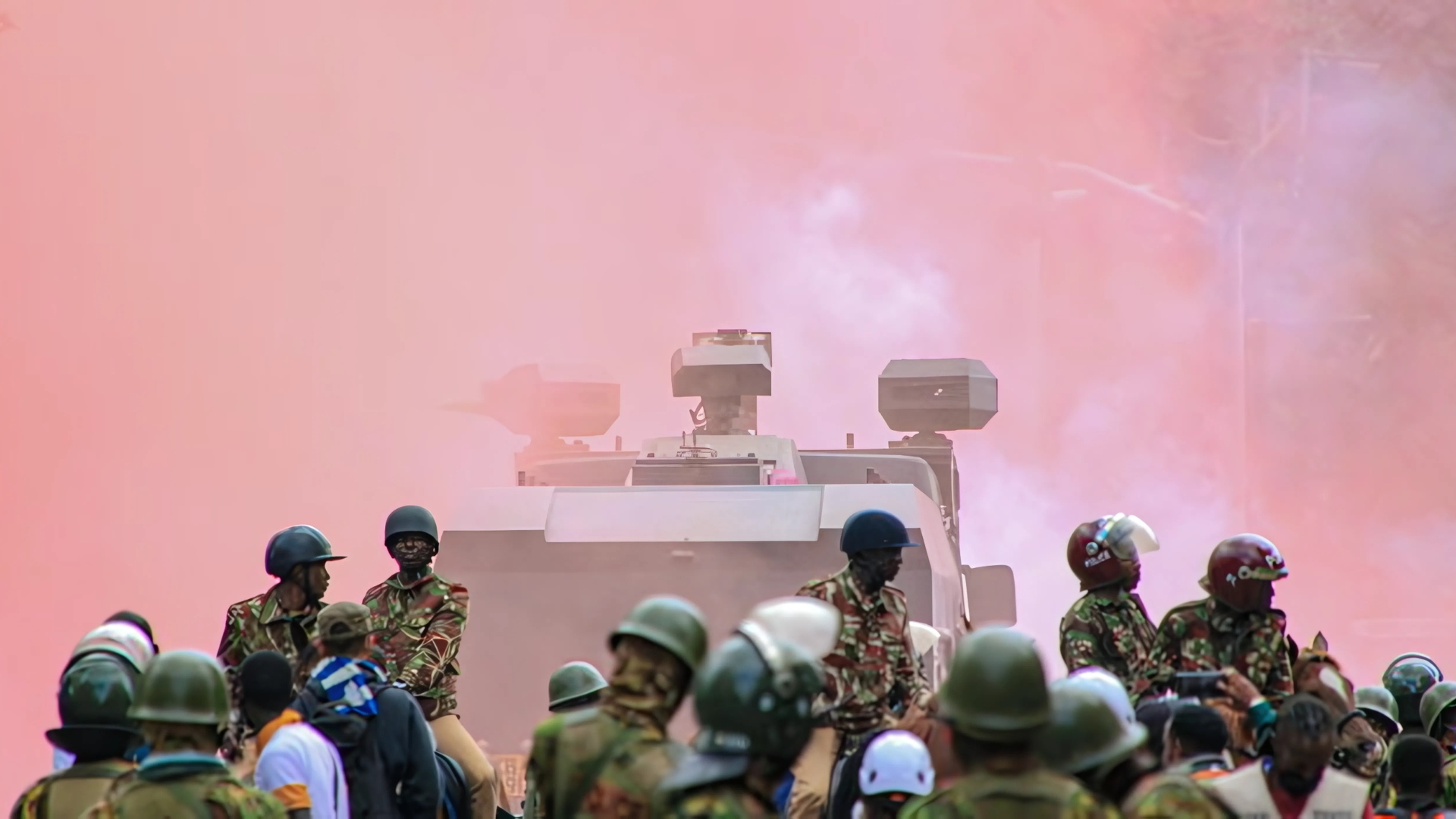
The police blockades, which sealed off key arteries like Parliament Road, Kenyatta Avenue, and Harambee Avenue, transformed Nairobi’s bustling CBD into a fortress-like zone. Commuters, particularly those relying on public service vehicles, were forced to disembark at roundabouts like Uhuru Highway and Haile Selassie, walking long distances to reach their destinations. Sensitive government installations, including State House and Parliament, were heavily fortified with barbed wire and guarded by officers in riot gear. The Katiba Institute’s petition contends that these measures, enacted without prior notice or legal justification, were designed to suppress the Gen Z-led “Memorial March,” a peaceful demonstration commemorating the over 60 lives lost during the 2024 protests. “The police have turned the CBD into a no-go zone for citizens exercising their rights,” said Joshua Malidzo, a lawyer representing Katiba Institute. “This is not about public safety; it’s about silencing dissent.”
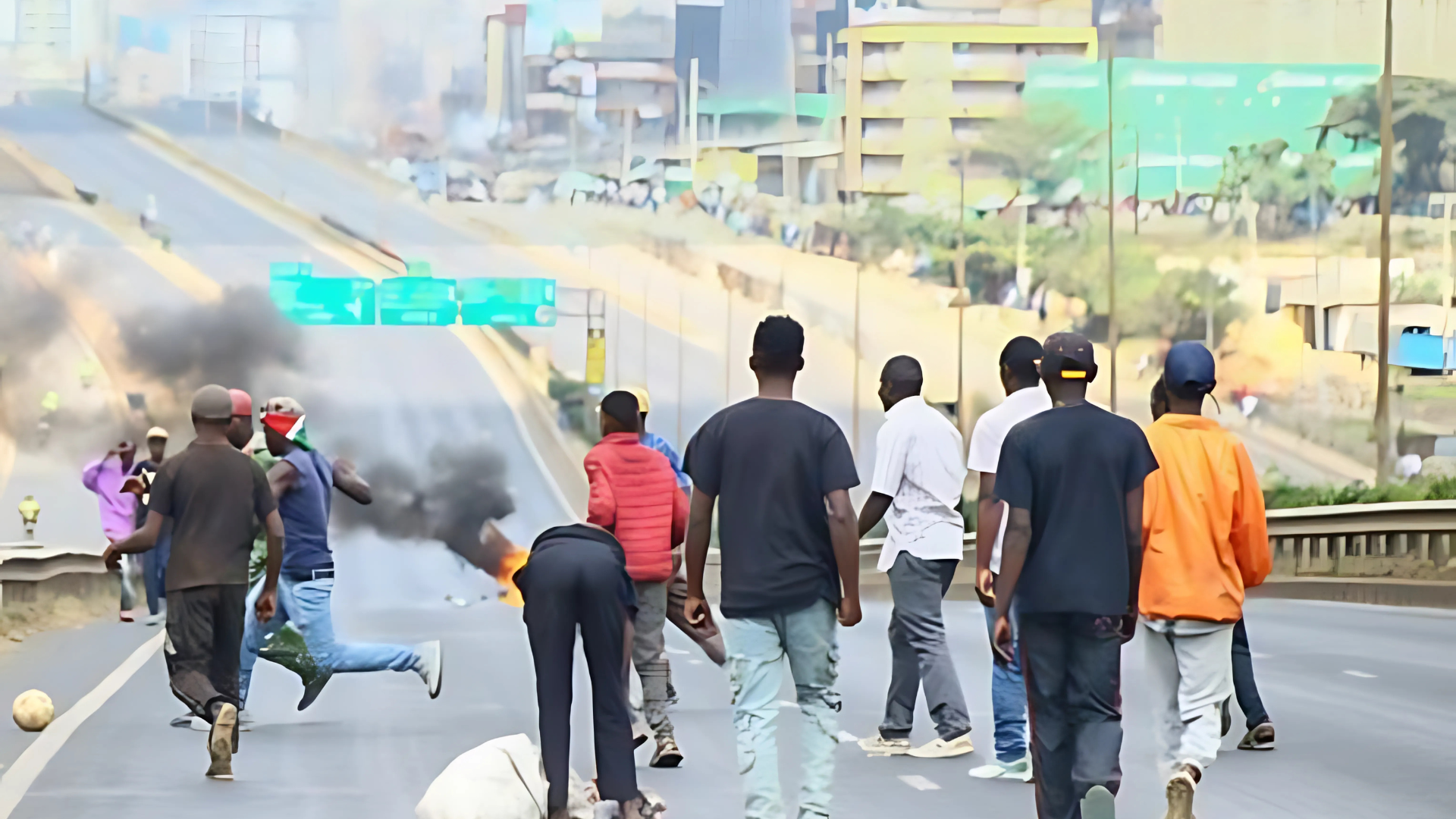
The protests, which erupted across Nairobi, Kitengela, Mombasa, and other cities, were a powerful expression of youth frustration with systemic issues, including unemployment, corruption, and police brutality. On Thika Road, protesters turned the deserted highway into an impromptu football pitch, a symbolic act of defiance captured in viral social media videos. In the CBD, however, the police’s barricades prevented large crowds from gathering, forcing demonstrators to congregate around the National Archives and Moi Avenue. The Katiba Institute’s petition cites Articles 37 and 39 of the Constitution, which guarantee the right to peaceful assembly and freedom of movement, arguing that the blockades constitute a blanket restriction that violates these fundamental freedoms. “Kenyans have a right to protest, and the police’s role is to protect, not obstruct, that right,” Malidzo added.
The legal challenge also draws on recent judicial precedents. In February 2025, the High Court, in a case filed by Katiba Institute, declared a police ban on CBD protests unconstitutional, ruling that Inspector General Douglas Kanja’s directive was overly broad and lacked legal basis. The institute’s latest petition references this ruling, alongside another by the Law Society of Kenya, to argue that the police’s current actions defy established court orders. “The police are acting as if the Constitution is optional,” said Grace Njeri, a human rights activist supporting the petition. “They’ve ignored court rulings before, and now they’re escalating with barbed wire and blockades. This is a dangerous precedent.”
The police, led by Inspector General Kanja, justified the barricades as necessary to maintain public order, citing intelligence reports of potential criminal infiltration during the protests. On June 24, Kanja had publicly pledged to protect peaceful demonstrations but warned against breaches of law and order. “We respect the right to protest, but it must be within legal bounds,” he said during a press briefing. However, the Katiba Institute’s petition disputes this rationale, arguing that the police failed to provide specific evidence of threats and instead imposed a disproportionate response that punished all citizens, including non-protesters. “The use of razor wire and blockades is excessive and indiscriminate,” the petition reads. “It restricts not only protesters but also ordinary citizens going about their daily lives.”
The impact of the blockades was felt acutely across Nairobi. Businesses in the CBD, from small kiosks to major retail outlets, reported significant losses as customers were unable to access the area. “My shop has been empty all morning,” said Mary Wambui, a clothing vendor near Kenyatta Avenue. “The police have made it impossible for people to come here, but I still have to pay rent. Why are they punishing us for protests we’re not even part of?” Public transport operators, wary of navigating police barriers, suspended services, leaving thousands of commuters stranded. On social media platforms like X, Kenyans expressed frustration, with one user writing, “The CBD is a war zone because of police, not protesters. This is our capital, not their playground.”
The petition also highlights the broader context of government efforts to control the protests. On the same day, the Communications Authority of Kenya, under Director General David Mugonyi, ordered media houses to suspend live coverage of the demonstrations, citing violations of broadcasting regulations. The Katiba Institute, which has previously challenged similar media restrictions, condemned the directive as a complementary tactic to the CBD blockades, aimed at limiting public awareness of the protests. “The government is trying to blackout the truth,” said Njeri. “First, they block the roads, then they block the airwaves. It’s a calculated move to keep Kenyans in the dark.”
The Gen Z movement, at the heart of the protests, has galvanized Kenya’s youth, who constitute over 60 percent of the population. The 2024 anti-Finance Bill protests, which forced the government to withdraw a controversial tax bill, were a turning point, empowering young Kenyans to demand accountability. The 2025 marches, however, face a more aggressive state response, with reports of tear gas, arrests, and alleged use of hired “goons” to disrupt demonstrations. The Katiba Institute’s petition argues that the CBD blockades are part of this crackdown, designed to deter protesters by making public spaces inaccessible. “The youth are fighting for a better Kenya,” said Brian Otieno, a 25-year-old protester in Nairobi. “But the police are treating us like enemies, blocking roads and firing tear gas. We won’t stop, but we need the courts to protect our rights.”
The petition names the Inspector General of Police and the Attorney General as respondents, seeking a declaration that the blockades are unconstitutional and an order for their immediate removal. It also requests a permanent injunction to prevent similar actions in the future, emphasizing the need to uphold judicial precedents. The High Court has yet to schedule a hearing, but legal experts anticipate an urgent review given the petition’s implications for public rights. “This case could set a critical precedent,” said constitutional lawyer James Mwangi. “If the court rules in favor of Katiba Institute, it will reinforce that the police cannot arbitrarily restrict constitutional freedoms, even during protests.”
The police’s actions have drawn international attention, with foreign diplomats, including those from the United States and Britain, issuing a statement on June 24 expressing concern over excessive force and the use of plainclothes officers during protests. The Katiba Institute’s petition references these concerns, arguing that the blockades undermine public confidence in Kenya’s security forces. “The international community is watching,” said Malidzo. “Kenya prides itself as a democracy, but these actions tell a different story. The court must act to restore constitutional order.”
As the day unfolded, protests continued outside the CBD, with reports of clashes in Kitengela and Mombasa. In Nairobi, small groups of demonstrators gathered near the National Archives, chanting slogans and waving Kenyan flags. The police maintained a heavy presence, with water cannon trucks and riot gear visible along Moi Avenue. Despite the blockades, social media remained a vital tool for protesters, who shared videos of the CBD’s fortified state and called for solidarity. “They can block the roads, but they can’t block our voices,” read one post on X, accompanied by a photo of barbed wire across Parliament Road.
The Katiba Institute’s petition is a testament to the resilience of Kenya’s civil society in the face of state overreach. Founded to promote constitutionalism, the institute has a history of challenging unlawful government actions, from protest bans to media censorship. Its latest legal battle underscores the stakes of the Gen Z movement, which seeks not only justice for past wrongs but a reimagined future for Kenya. “This is about more than roads,” said Njeri. “It’s about whether Kenyans can claim their public spaces and hold their government accountable. The court’s decision will shape that fight.”
For now, Nairobi’s CBD remains a symbol of the tension between state control and citizen rights. As commuters navigate detours and protesters adapt to restricted access, the High Court’s response to Katiba Institute’s petition will determine whether the barbed wire and blockades are a temporary obstacle or a lasting barrier to Kenya’s democratic aspirations. For Otieno and thousands of young Kenyans, the struggle continues, undeterred by police tactics. “We’re not giving up,” he said, standing near a barricade on Moi Avenue. “This is our city, our country, and we’ll keep fighting for it, with or without the roads.”