Kajiado County has launched an ambitious KSh13.7 billion budget for the 2025/26 financial year, a significant increase from the previous year’s KSh12.3 billion, signaling a robust commitment to transforming the semi-arid region into a hub of economic and social progress. Unveiled by Governor Joseph Ole Lenku during a County Assembly session on June 25, 2025, the budget prioritizes infrastructure, healthcare, education, and water access, aiming to address longstanding challenges while aligning with President William Ruto’s Bottom-Up Economic Transformation Agenda. The budget, which includes KSh8.7 billion from the national government’s equitable share and KSh5 billion in locally generated revenue, has sparked optimism among residents but also raised concerns about implementation and accountability in a county known for rapid urbanization and diverse community needs.
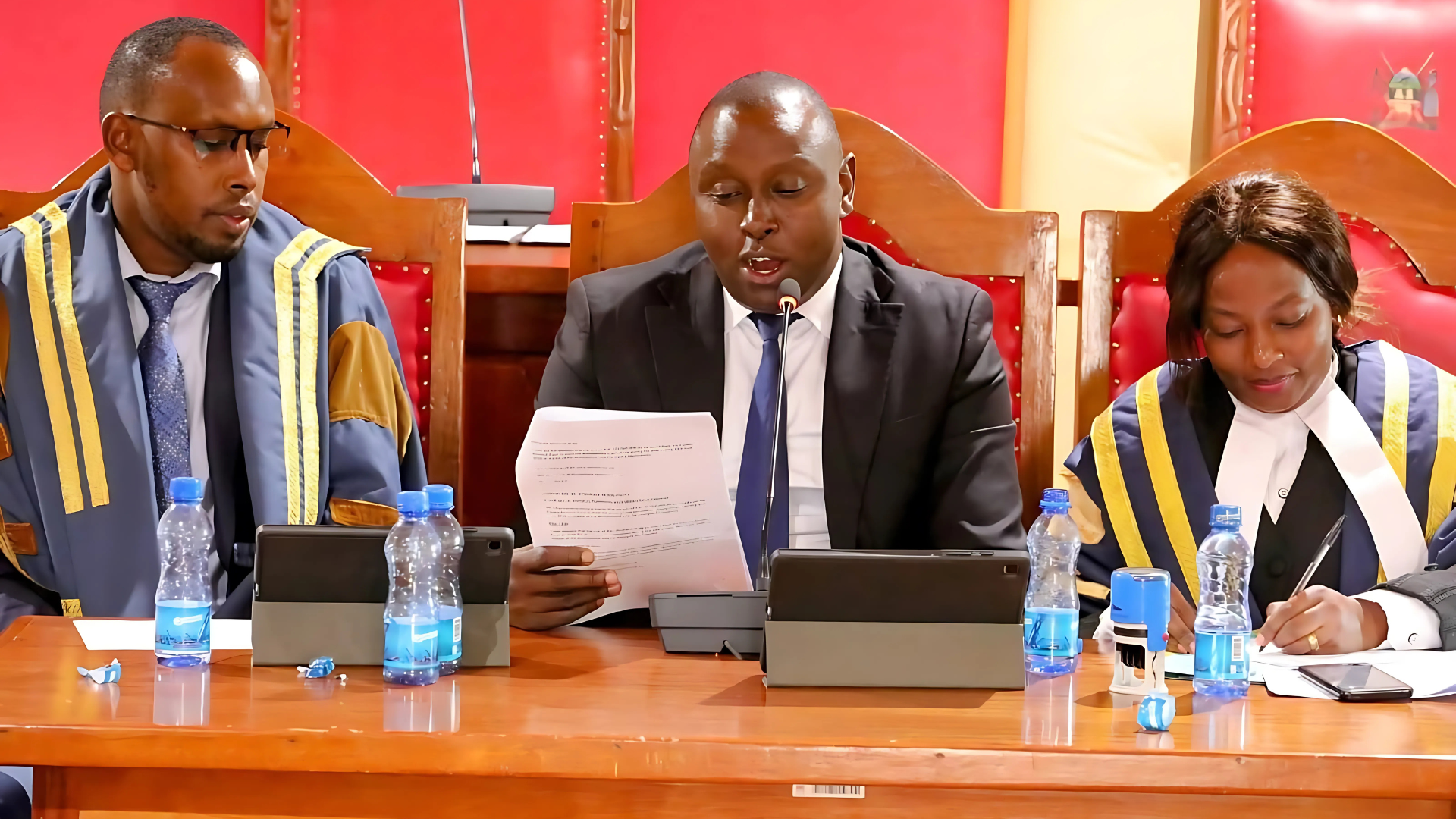
The budget’s cornerstone is infrastructure development, with KSh4.2 billion allocated to improve roads, bridges, and public transport systems. Kajiado, strategically located near Nairobi and encompassing fast-growing urban centers like Ngong, Ongata Rongai, and Kitengela, has faced persistent infrastructure deficits. The funds will support the tarmacking of 150 kilometers of roads, including the Ngong-Kiserian and Kitengela-Namanga routes, critical for easing traffic congestion and boosting trade. “Good roads are the lifeline of our economy,” said Lenku during the budget presentation. “This allocation will connect our farmers, traders, and residents to markets and opportunities.” The county also plans to construct five new bus termini to streamline public transport, a move welcomed by matatu operators like James Njoroge, who said, “Better termini will reduce chaos and improve safety for passengers.”
Healthcare receives a substantial KSh2.5 billion, reflecting the county’s push to enhance access to quality medical services. The funds will upgrade Kajiado County Referral Hospital, establish three new level-four facilities in Loitokitok, Kiserian, and Isinya, and equip 20 dispensaries with essential drugs and diagnostic tools. The budget also allocates KSh300 million for maternal and child health programs, aligning with the national government’s Universal Health Coverage goals. “No mother should die giving life,” said County Executive Committee Member for Health, Esther Somoire. “These investments will bring services closer to our people.” Residents like Mary Wanjiku, a mother of three in Oloolua, expressed hope but cautioned, “We’ve heard promises before. We need to see these hospitals actually serving us.”
Education, a priority for Kajiado’s growing youth population, is allocated KSh1.8 billion. The funds will support the construction of 50 new Early Childhood Development and Education (ECDE) centers, bursaries for 5,000 needy students, and vocational training programs targeting 2,000 youth. The budget also includes KSh200 million for equipping technical and vocational education and training (TVET) centers in Kitengela and Kajiado West. “Our youth need skills to compete in today’s economy,” said Lenku, highlighting the county’s focus on reducing unemployment, which stands at 15 percent locally. Teachers like Sarah Muthoni welcomed the ECDE investment but urged transparency in bursary distribution. “The money must reach the right students, not just those with connections,” she said.
Water access, a perennial challenge in Kajiado’s arid and semi-arid regions, receives KSh1.5 billion for drilling 30 new boreholes, rehabilitating 15 dams, and extending piped water to 10,000 households. The budget also allocates KSh100 million for solar-powered water pumps to reduce reliance on costly diesel systems. “Water is life, and we’re committed to ensuring every household has access,” said County Executive Committee Member for Water, Michael Semera. Pastoralist communities in Kajiado South, who have long relied on distant water points, expressed cautious optimism. “If these boreholes are built and maintained, it will change our lives,” said Naserian Lekerian, a herder in Magadi. “But we’ve seen projects abandoned before.”
Agriculture and livestock, the backbone of Kajiado’s economy, are allocated KSh1.2 billion to boost productivity and food security. The funds will support subsidized fertilizers for 10,000 farmers, vaccination programs for 500,000 livestock, and the establishment of two modern abattoirs in Kitengela and Rombo. The county also plans to revive the Kajiado Agricultural Mechanization Centre to provide affordable equipment leasing for farmers. “Our farmers and herders need support to thrive,” said Lenku, noting that agriculture employs over 60 percent of the county’s workforce. Farmer Joseph Naserian praised the initiative but called for better market access. “Fertilizers are good, but we need buyers for our produce,” he said.
The budget allocates KSh800 million for youth and women empowerment, including KSh500 million for the Kajiado Youth and Women Enterprise Fund to provide low-interest loans to small businesses. The initiative targets 3,000 beneficiaries, with a focus on women-led enterprises and youth startups in sectors like agribusiness and technology. “This fund will empower our young people to create jobs, not just seek them,” said County Assembly Finance Committee Chair Paul Matuya. However, some residents, like entrepreneur Jane Wambui, expressed skepticism about accessibility. “These funds often go to a select few,” she said. “We need a fair process to ensure everyone benefits.”
The budget’s revenue strategy includes a KSh1 billion increase in local collections, driven by improved property tax compliance and streamlined business licensing. Kajiado’s proximity to Nairobi has fueled real estate growth, making property taxes a key revenue source. However, the county’s wage bill, which consumes 38 percent of the budget, remains a concern. Matuya, who has previously criticized the county’s high wage bill, urged fiscal discipline. “We must ensure recurrent expenditure doesn’t choke development,” he said during the assembly debate. The county plans to digitize revenue collection to curb leakages, a move praised by traders like Peter Kamau. “If they stop harassing us for bribes and make payments easier, we’ll comply,” he said.
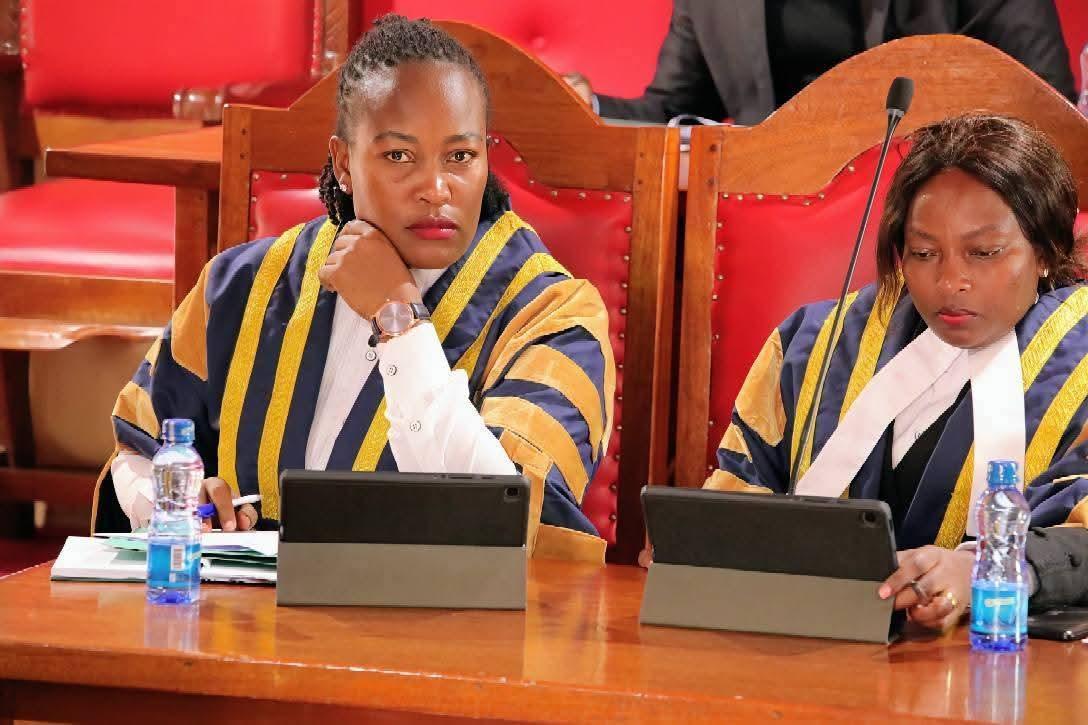
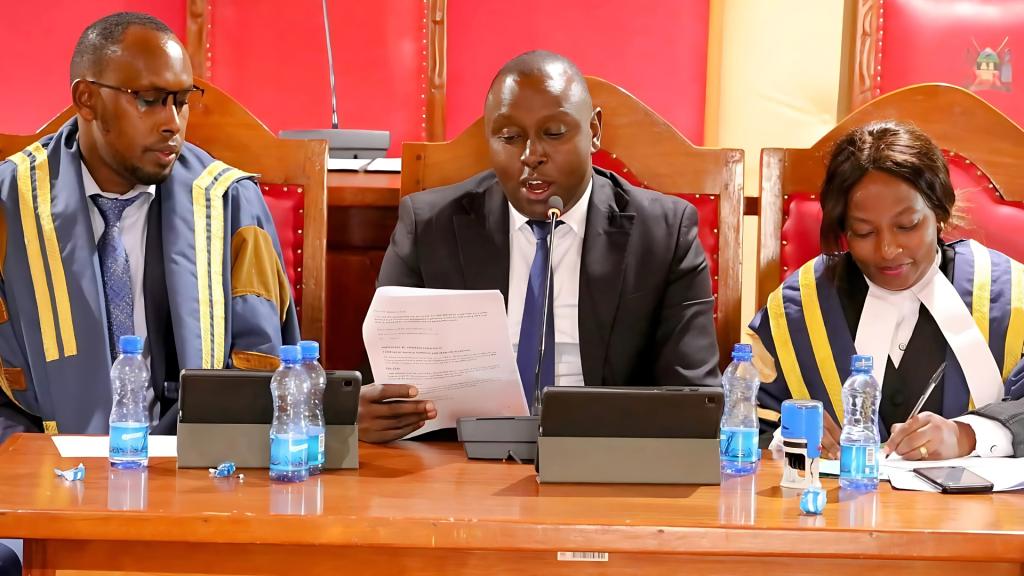
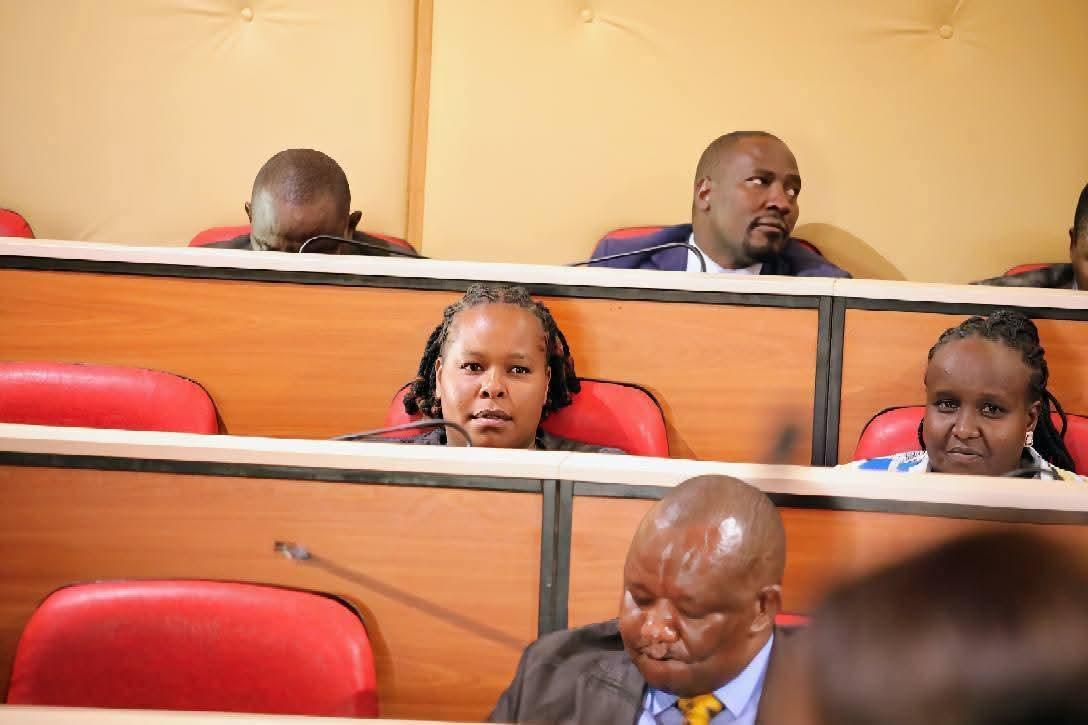
Public participation, a cornerstone of the budgeting process, shaped the final allocations. Over 5,000 residents attended forums across Kajiado’s five sub-counties, with many prioritizing water and infrastructure. “The people’s voices have guided this budget,” said Speaker Johnson Osoi, who chaired the approval session. However, some residents criticized the forums as rushed. “We were given one day to discuss a whole budget,” said Esther Naserian, a community leader in Ongata Rongai. “Next time, we need more time and better outreach.” The budget’s passage on June 20 followed heated debates, with MCAs rejecting initial proposals for higher administrative spending in favor of development projects.
The national context, marked by the recent passage of the Finance Bill 2025, provides a backdrop for Kajiado’s fiscal plans. The county’s KSh8.7 billion equitable share from the national government’s KSh405.1 billion allocation to counties reflects a slight increase from last year, enabling the budget boost. However, Kenya’s national debt, exceeding $80 billion, and recent protests over taxation policies have raised concerns about fiscal sustainability. “We’re optimistic about this budget, but the county must deliver,” said economist Sarah Wambui. “With national pressures, every shilling must count.”
Challenges remain, particularly in implementation. Kajiado’s history of delayed projects, such as the stalled Kajiado-Namanga road, has fueled skepticism. The county’s audit reports have flagged mismanagement, with pending bills of KSh1.2 billion as of March 2025. “We need strict oversight to ensure these funds aren’t misused,” said activist John Njoroge. The county has promised quarterly reports and an anti-corruption task force to address these concerns. “Transparency is our commitment,” said Lenku, vowing to publish expenditure details online.
The budget also responds to recent unrest, such as protests in Kitengela linked to the Finance Bill 2025, by allocating KSh200 million for community policing and youth engagement programs to foster stability. “We want our youth to be partners in development, not protesters,” said Somoire. Residents like David ole Kapaito, a boda boda rider, hope the budget delivers tangible change. “We need jobs and services, not just promises,” he said. As Kajiado embarks on this transformative fiscal year, the success of the KSh13.7 billion budget hinges on effective execution and public trust, with the county poised to balance growth with accountability in a rapidly changing region.