By Brenda Wereh09 Jul, 202530 mins read 2,401 views
0 comments 0 likes
Former Roots Party deputy running mate Justina Wamae urged Kenya’s Gen Z to end street protests and channel their energy into voter registration and volunteering as party agents for the 2027 elections, citing the loss of 31 lives during Saba Saba commemorations as a call for peaceful civic action.
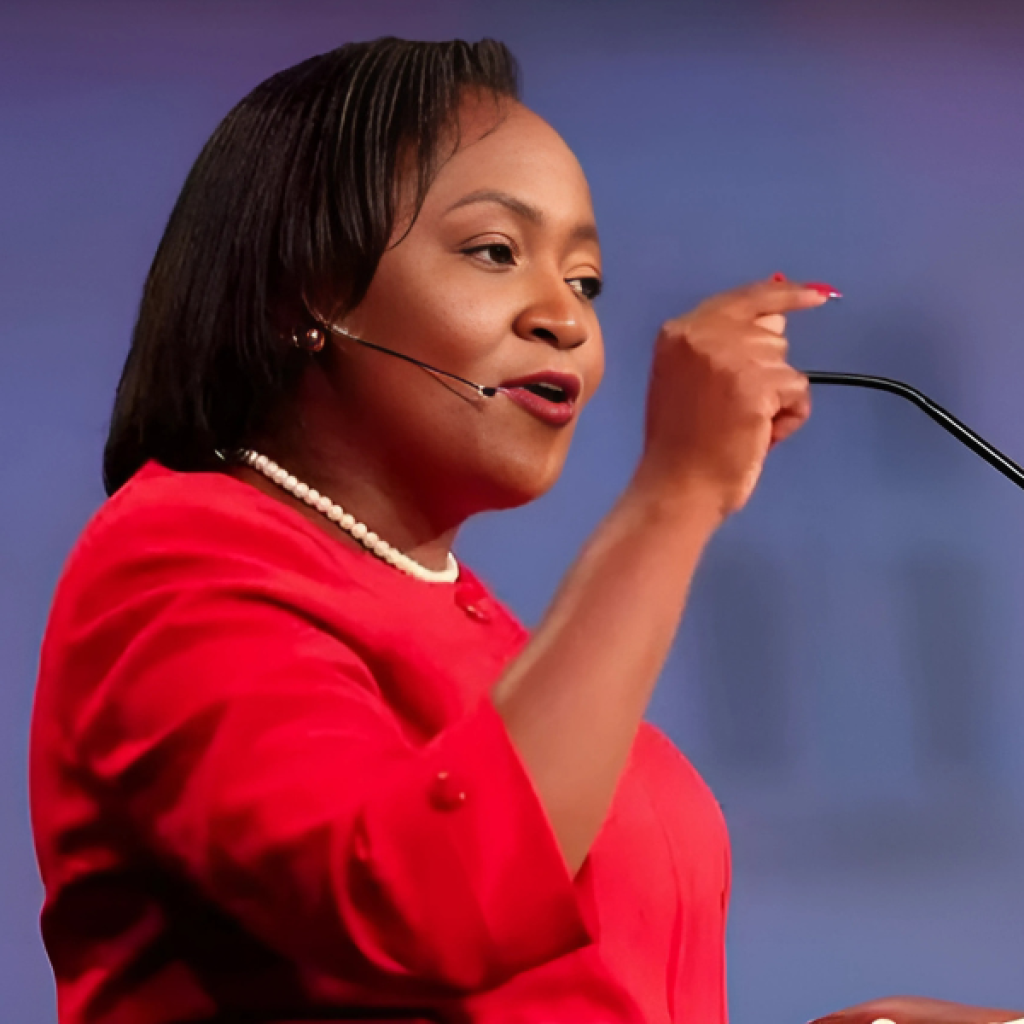
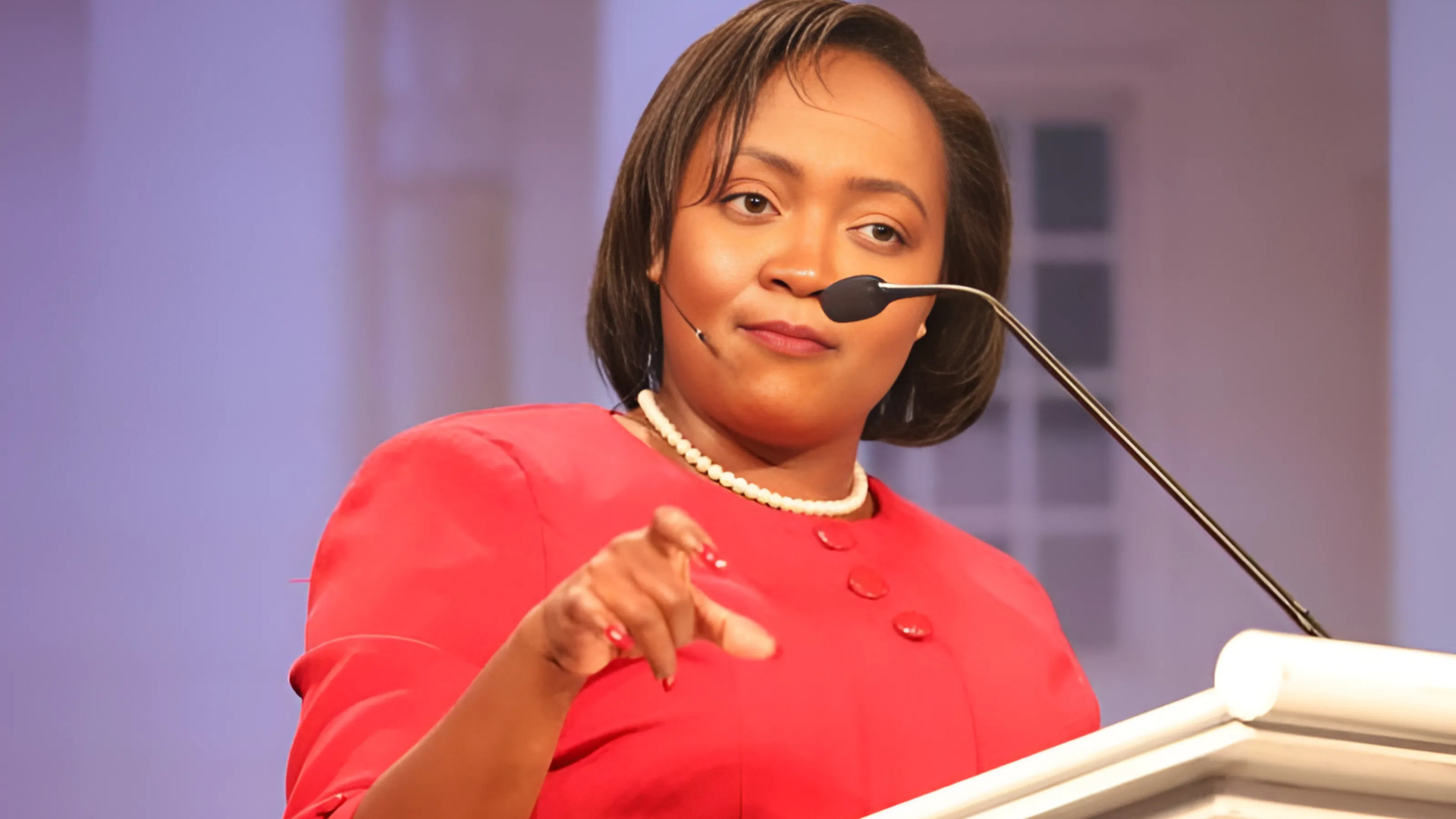
Justina Wamae, the former deputy presidential candidate for the Roots Party in the 2022 elections, made a passionate appeal to Kenya’s Generation Z, urging them to halt street protests and redirect their energies toward preparing for the 2027 general elections. Speaking during a television interview in Nairobi, Wamae emphasized the power of the ballot, encouraging young Kenyans to register as voters and volunteer as party agents to safeguard the electoral process. Her call comes in the wake of the violent Saba Saba protests on July 7, 2025, which resulted in 31 deaths and hundreds of injuries, underscoring the high cost of street demonstrations. Wamae’s message, rooted in a vision for economic democracy, seeks to transform the youth’s frustration into constructive political engagement, sparking a nationwide debate about the future of Kenya’s protest movement and its path to systemic change.
Justina Wamae
The Saba Saba protests, marking the 35th anniversary of the 1990 pro-democracy demonstrations, saw thousands of mostly young Kenyans take to the streets in cities like Nairobi, Kisumu, and Mombasa. Driven by grievances over high taxes, unemployment, corruption, and alleged police brutality, the protests turned deadly, with reports of live ammunition and tear gas used against unarmed demonstrators. The Kenya National Commission on Human Rights documented 31 fatalities, including a secondary school student, and over 400 injuries, many from gunshot wounds. The violence, coupled with incidents of looting and vandalism, such as the invasion of Kitengela Sub-County Hospital, prompted Wamae to advocate for a shift in strategy. “As the country is, it’s time to withdraw and retreat and focus on matters of 2027,” she said during the interview. “In most general elections, youths do not vote; they say their votes are going to be stolen.”
Wamae’s call for voter registration and participation as party agents reflects her belief that Kenya’s challenges, particularly the lack of economic opportunities, can only be addressed through informed electoral choices. “The strategy should change towards registering as a voter, looking for a political party you support, and volunteering as a party agent to protect the votes,” she urged, addressing the perception among youths that elections are marred by rigging. She argued that active participation in the electoral process, including monitoring polling stations, could prevent manipulation and ensure accountability. Her remarks resonate with a growing sentiment among some Kenyans that street protests, while impactful, have led to significant loss of life without delivering lasting change. “I don’t know if it’s Gen Zs or goons paid by the government who are looting,” Wamae said, “but how I wish this energy would have been put into voter registration.”
The 2027 elections, still two years away, are already shaping up as a critical battleground for Kenya’s youth, who make up over a third of the country’s 50 million population but face a 67 percent unemployment rate. The Gen Z movement, which gained prominence during the 2024 anti-Finance Bill protests, has been characterized by its decentralized, digital-first approach, using platforms like X, TikTok, and WhatsApp to mobilize. However, Wamae cautioned that this energy risks being squandered if not channeled into formal political processes. Quoting the late Kenneth Matiba, a key figure in the original Saba Saba movement, she concluded, “Let the people decide!” Her emphasis on civic education and voter engagement aligns with efforts by groups like the Kenya Law Society, which have hosted workshops on citizens’ rights during protests and elections.
The Saba Saba protests highlighted both the power and peril of Kenya’s youth movement. While the 2024 protests forced President William Ruto to withdraw the controversial Finance Bill, the 2025 demonstrations have escalated demands for his resignation and systemic reforms. The death of blogger Albert Ojwang in police custody and reports of over 80 abductions since June 2024 have fueled outrage, with human rights groups accusing security forces of extrajudicial killings and collaboration with criminal gangs. “The blood that we have shed is enough,” said a protester in Nairobi, echoing sentiments shared on X, where the hashtag #SabaSaba2025 trended alongside videos of tear gas and burning barricades. Wamae’s call for restraint was met with mixed reactions, with some praising her pragmatism and others arguing that protests remain essential to pressure the government.
Critics of Wamae’s stance argue that withdrawing from the streets risks silencing the movement’s momentum. “Protests are how we reclaimed our voice,” said Wanjira Wanjiru, a human rights activist, reflecting on the legacy of Saba Saba. She pointed to the 1990 protests, which led to multiparty democracy, as evidence of street action’s impact. However, Wamae countered that protests alone cannot address Kenya’s “lack of economic democracy.” In a July 8 post on X, she wrote, “Kenyans do not eat national dialogue; they need legal money-making opportunities.” She criticized leaders for focusing on political theatrics rather than policies to create jobs and empower youth, accusing both the government and opposition of failing to deliver. “The best thing you can do is get your brains working and give the country the much-needed solution,” she said, addressing parliamentarians and the executive.
Wamae’s remarks also touch on the broader political landscape, particularly the controversial “broad-based government” formed by Ruto and opposition leader Raila Odinga. She has previously criticized ODM leaders for joining the administration while claiming opposition status, arguing that such mergers dilute ideological clarity. “Mergers and coalitions mean all your ideas are consolidated,” she said in May 2025, taking a jab at the blurred lines between government and opposition. Her focus on 2027 reflects a belief that Kenya’s youth must align with parties that prioritize economic fairness and accountability. “We need leaders with sound policies and legislative proposals that create jobs,” she said, emphasizing the need for a business-friendly environment to address unemployment.
The government’s response to the protests has been contentious, with Interior Minister Kipchumba Murkomen labeling demonstrators as “criminal anarchists” and issuing a “shoot to kill” directive for attacks on police stations. The Kenya National Commission on Human Rights condemned the use of plainclothes officers and unmarked vehicles, as well as alleged collaboration with armed gangs in counties like Kajiado and Nakuru. Wamae’s call to shift focus to elections aligns with suggestions from governance experts like Javas Bigambo, who argue that Gen Z’s rejection of dialogue necessitates evidence-based reforms. “They demand transparency, not rhetoric,” Bigambo said, urging the government to address policing and economic policy.
Public sentiment on X reflects a divide. Some users praised Wamae’s call for civic engagement, with one writing, “She’s right—voting is our power. Let’s register and protect our votes.” Others, however, expressed skepticism, citing past election irregularities. “What’s the point of voting if it’s rigged?” posted a Nairobi student, referencing cases like the unresolved death of Rex Masai during 2024 protests. Wamae addressed such concerns, urging youths to volunteer as party agents to monitor polling stations. “You can’t complain about rigging if you’re not there to protect the vote,” she said, drawing on her own experience as a 2022 candidate.
The path to 2027 is fraught with challenges. Kenya’s electoral history, marked by violence and rigging allegations in 1992, 1997, and 2007, fuels distrust. The Independent Electoral and Boundaries Commission faces calls for reform, with Gen Z activists demanding an independent audit. Moves to recall MPs, already underway in some constituencies, signal a growing appetite for accountability. Wamae’s message resonates with those advocating for civic education, with initiatives like voter registration drives gaining traction in universities and urban centers. “It’s time to educate ourselves and vote for change,” said a student leader in Kisumu.
As Kenya reflects on the Saba Saba legacy, Wamae’s appeal offers a roadmap for transforming protest into power. Her emphasis on economic democracy and electoral participation challenges Gen Z to move beyond street activism to the ballot box. “The real solution lies in policy and legislative proposals that create a better business environment,” she said, envisioning a Kenya where jobs and opportunities are accessible to all. Whether her call will unify a divided movement remains uncertain, but it underscores the urgency of preparing for 2027 in a nation yearning for change.
Former Kiambu Governor Ferdinand Waititu has secured a major bail reprieve from the High Court, with Justice Winfrida Okwany reducing his bail from Sh53.5 million to Sh20 million cash pending appeal in his ongoing corruption case.
President Ruto and Governor Sakaja signed a cooperation agreement allocating funds for 50,000 new streetlights, water plants saving 50 million litres daily, 27 km Nairobi River sewer and ward road upgrades, with Ruto calling it a partnership to make the city livable while opposition senators warn of devolution threats.
A staff member at Moi Teaching and Referral Hospital allegedly stole Sh10 million by falsifying patient bills as paid in the eCitizen system while diverting the money to her personal account, prompting an ongoing police and hospital investigation.