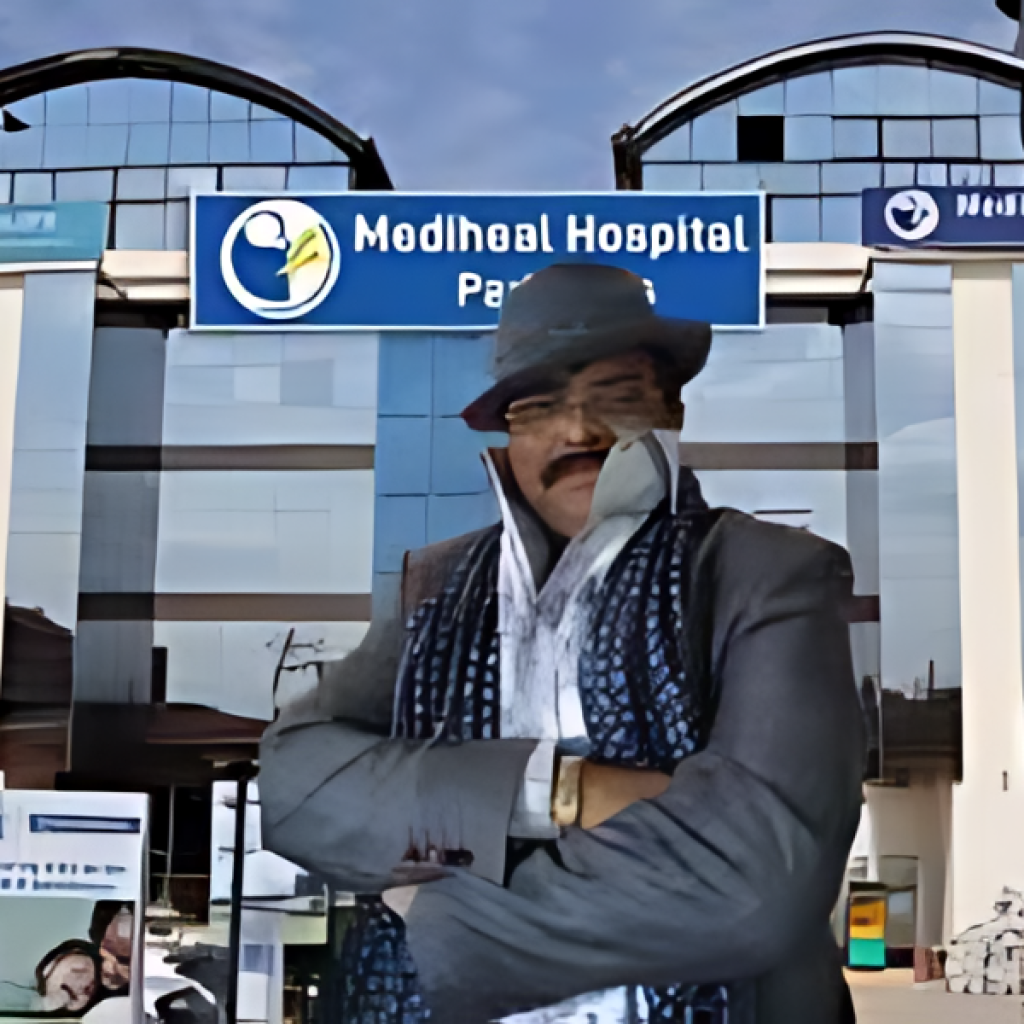
A government taskforce delivered a startling recommendation on Friday, July 25, 2025, urging criminal investigations into Mediheal Hospital founder Swarup Mishra and three associated doctors over suspected organ trafficking. The announcement, made during a press briefing in Nairobi at 9:00 AM East Africa Time, has sent shockwaves through the medical community and beyond. The taskforce, convened to scrutinize allegations surrounding the Eldoret-based facility, linked Mishra and his colleagues to a network of transplant tourism, citing evidence of fraud, unsafe medical practices, and questionable kidney procedures. “The findings point to a serious breach of ethical and legal standards, and we cannot ignore the need for a thorough investigation,” said a taskforce member addressing a room of journalists, their pens scribbling furiously. The development has raised urgent questions about the oversight of private healthcare in Kenya and the exploitation of vulnerable individuals.
The taskforce, composed of medical experts and legal advisors, was established following mounting concerns about Mediheal Hospital’s transplant operations. Their report, presented to health authorities, alleges that Mishra, alongside an unnamed nephrologist, urologist, and anaesthesiologist, may have engaged in activities that violate national laws governing organ transplantation. The committee highlighted a pattern of transplant tourism, where foreign patients allegedly received kidneys from local donors under dubious circumstances. “We’ve seen cases where the consent process appears manipulated, and safety protocols were blatantly disregarded,” a taskforce spokesperson noted, flipping through a thick dossier as cameras captured the moment. The accusations suggest a commercial enterprise that preys on the poor, with procedures conducted in ways that endanger both donors and recipients.
Mediheal Hospital, a prominent private facility in Eldoret, has long been known for its advanced surgical capabilities, including kidney transplants. However, the taskforce’s findings indicate that between 2020 and 2025, the hospital handled an unusually high volume of such procedures, raising red flags about their legitimacy. A vendor near the hospital’s entrance, selling newspapers to morning commuters, remarked, “I’ve seen foreigners coming and going, but I never thought it was something like this.” The report points to instances where donors, often from economically disadvantaged backgrounds, may have been coerced or inadequately informed, while recipients, including a significant number of foreigners, paid substantial sums. A woman waiting at a nearby bus stop added, “If they’re hurting our people for money, someone needs to stop it.”
The term transplant tourism refers to the practice of patients traveling abroad to obtain organs, often in regions with lax regulations. The taskforce’s investigation suggests that Mediheal became a hub for this illicit trade, with evidence of cash payments and forged documentation. “We found records where donor identities seemed fabricated, and follow-up care was virtually nonexistent,” a committee member explained during the briefing, their voice tinged with concern. The unsafe practices cited include surgeries performed by underqualified staff and inadequate post-operative monitoring, leading to reports of complications and even deaths. A nurse from a neighboring clinic, speaking off the record, said, “We’ve heard whispers of patients not making it, but no one dared speak out.”
Public reaction has been swift, with communities near Mediheal expressing a mix of outrage and disbelief. In Eldoret’s bustling market, a fruit seller paused to listen to the news on a radio, saying, “This is our town; we deserve to know what’s happening in that hospital.” The taskforce’s call for criminal probes extends beyond Mishra and the three doctors, urging an examination of regulatory bodies for potential negligence. A teacher in Nakuru, tuning into the broadcast on her phone, noted, “If the overseers failed us, who can we trust?” The investigation’s scope includes assessing whether warnings about Mediheal’s practices were ignored, pointing to a systemic failure in healthcare governance.
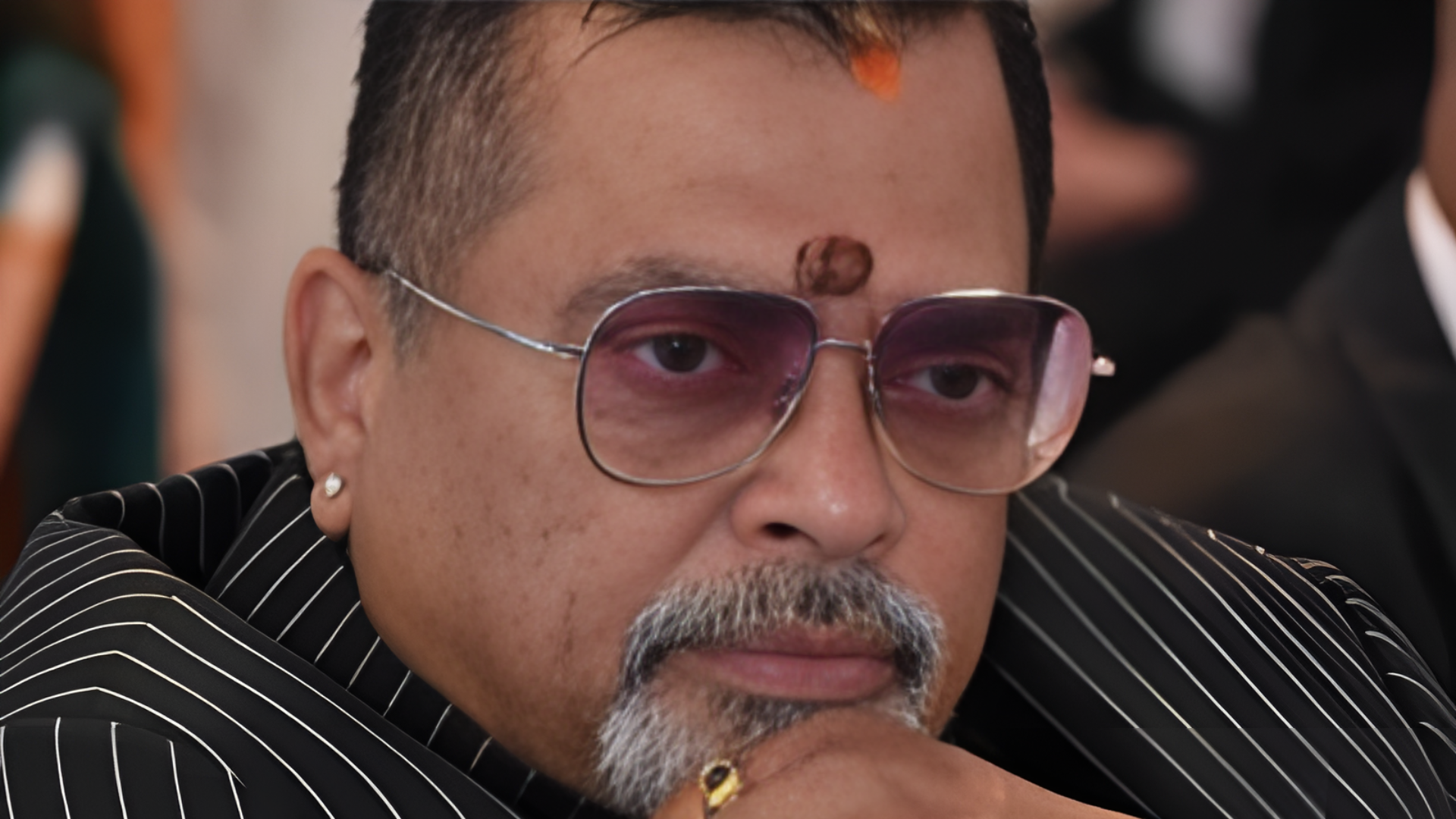
Mishra, a well-known figure in Uasin Gishu County with a background in medicine and politics, has yet to respond publicly to the allegations. The hospital, which opened its transplant unit years ago, has positioned itself as a leader in specialized care, attracting patients from across East Africa and beyond. However, the taskforce’s report suggests that this reputation masks a darker reality. A driver waiting for passengers outside the facility remarked, “He’s always been proud of that place; I hope it’s not true.” The three doctors implicated are said to have been key players in the transplant program, with their involvement raising questions about the training and oversight of medical professionals at Mediheal.
The fraud element centers on allegations of financial incentives offered to donors, a practice banned under Kenyan law. The taskforce uncovered evidence suggesting that some donors received payments ranging from modest sums to thousands of shillings, while recipients, particularly foreigners, were charged exorbitant fees. “It’s a business model built on exploitation,” a taskforce investigator said, shaking their head as they reviewed the data. The questionable kidney procedures include surgeries performed without proper screening, leading to mismatches and infections. A community health worker in Eldoret, distributing pamphlets, added, “I’ve seen people come back sicker than they left; it didn’t make sense until now.”
The impact on affected families has been profound, with reports of donors facing health decline after surgeries. In a village outside Eldoret, a mother whose son underwent a procedure at Mediheal spoke quietly. “He thought he was helping, but now he can’t work; we need answers,” she said, her eyes downcast. The taskforce’s recommendation includes suspending Mediheal’s transplant services pending a full investigation, a move that has left patients seeking alternatives. A man waiting at a referral hospital in Nairobi noted, “I was scheduled there next month; now I don’t know where to go.” The disruption has highlighted the reliance on private facilities for complex treatments in Kenya.
Legal experts suggest the case could set a precedent for regulating transplant services. A lawyer in Kisii, discussing the matter with clients over tea, remarked, “If proven, this could lead to stricter laws and better monitoring.” The taskforce has called for forensic audits of Mediheal’s records, which span hundreds of procedures since 2020, to trace the flow of funds and patient outcomes. A student in Thika, scrolling through updates on his phone, said, “This is bigger than one hospital; it’s about the whole system.” The investigation’s findings have prompted calls for international cooperation, given the foreign patients involved, potentially involving embassies and global health bodies.
Communities across Kenya have reacted with a mix of anger and concern. In Mombasa, a fisherman mending nets listened to the radio, saying, “They’re taking our organs and selling them; it’s disgusting.” In contrast, a shopkeeper in Nakuru expressed skepticism. “Let’s see the proof before we judge,” he said, serving a customer as the news played in the background. The taskforce’s report has also drawn attention to the vulnerability of young men, who appear disproportionately represented among donors, suggesting targeted recruitment. A youth leader in Naivasha, organizing a forum, reflected, “This hits our generation hardest; we need protection.”
The government’s response has been cautious but firm, with health officials promising swift action. During the briefing, a senior official stated, “We will not tolerate any violation of human dignity in our healthcare system.” The taskforce’s recommendations include prosecuting those found guilty and establishing clearer guidelines for organ transplants. A vendor in Gikomba market, selling phone chargers, added, “If they catch the culprits, maybe we can trust doctors again.” The investigation’s outcome could influence public confidence in private healthcare, a sector that has grown rapidly in recent years.
As the day progressed, the story spread to remote areas via radio broadcasts. In Marsabit, a herder tending cattle paused to listen, saying, “This is a crime against our people.” In Nyeri, a student at a cyber cafe scrolled through details, noting, “It’s shocking how long this might have gone on.” The taskforce’s work, initiated months ago following media reports, has uncovered a complex web of irregularities, from inadequate consent forms to suspiciously high transplant numbers. A community leader in Kitui, planning a public meeting, remarked, “We need to know who knew and did nothing.”
The afternoon saw Mediheal’s premises unusually quiet, with staff avoiding comment as investigators prepared to access records. A passerby outside the hospital noted, “They’re scared now that the truth is out.” The taskforce has urged the public to provide information, setting up a hotline for tips. A mother in Thika, waiting at a clinic, said, “If my son was a donor, I want to know what happened to him.” The case has also sparked discussions about the role of foreign doctors, with some suggesting their involvement warrants closer scrutiny.
Legal proceedings could take months, but the taskforce’s findings have already shifted the narrative around Mediheal. In Eldoret, a mechanic near the hospital reflected, “This could change how we see private care here.” The investigation’s focus on transplant tourism highlights a global issue, with Kenya potentially facing pressure to align with international standards. A teacher in Kisumu, marking papers, added, “This is a wake-up call for the whole country.” As the sun set, the community awaited further developments, with the taskforce’s recommendations marking the beginning of a challenging journey toward accountability.