Kenya’s Anti-Narcotics Unit (ANU) detectives made headlines by intercepting a staggering 450 kilograms of cannabis sativa, valued at approximately KSh13.5 million, along the bustling Naivasha-Nairobi Highway. The operation, which unfolded near the Delamere shop in Nakuru County, led to the arrest of two suspected traffickers, Bonface Mandende Zinjenga and John Oloo Amolo, and the seizure of their Toyota Noah, registered as KBH 226U. This high-stakes bust not only underscores Kenya’s escalating war on drug trafficking but also highlights the challenges of curbing the illegal narcotics trade in a region known as a key transit corridor. As the nation grapples with rising drug-related crimes, this seizure has sparked conversations about enforcement strategies, societal impacts, and the broader fight against narcotics in Kenya.
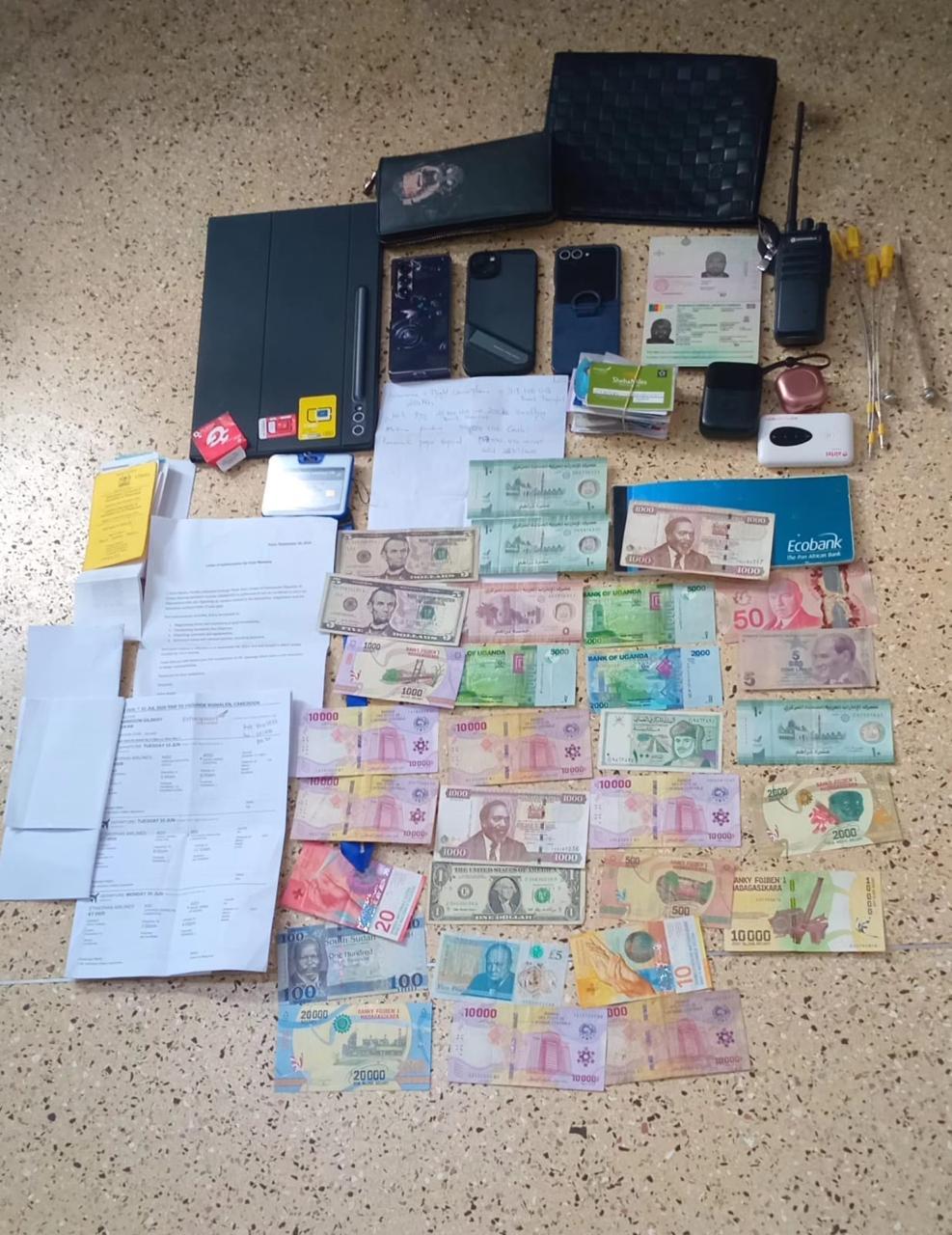
The seizure was the result of a meticulously planned operation by the Directorate of Criminal Investigations (DCI), acting on a tip-off from an undisclosed source. On the evening of July 30, ANU detectives laid an ambush near the Delamere shop, a well-known landmark along the Naivasha-Nairobi Highway. Their target: a Toyota Noah suspected of ferrying a large consignment of illegal drugs. As the vehicle approached, driven by Bonface Mandende Zinjenga and accompanied by John Oloo Amolo, detectives swiftly moved in, intercepting the car and apprehending the suspects.
A search of the vehicle revealed eight gunny bags and eleven bales containing 450 kilograms of cannabis sativa, carefully concealed for distribution in Nairobi’s bustling black market. The street value of the haul, estimated at KSh13.5 million, reflects the scale of the operation and the potential profits at stake for traffickers. According to the DCI, the drugs were packaged and ready for distribution, signaling a sophisticated supply chain targeting urban centers. The suspects and the vehicle were escorted to Naivasha Police Station for initial processing before being transferred to DCI headquarters for further investigation and eventual arraignment.
This bust is part of a broader crackdown on narcotics trafficking in Kenya, with Naivasha emerging as a hotspot for such operations. The Naivasha-Nairobi Highway, a critical artery connecting Kenya’s interior to the capital, has long been a conduit for illicit goods, including drugs, due to its high traffic volume and strategic location. The DCI’s swift action demonstrates the effectiveness of intelligence-led policing, but it also raises questions about the persistence of drug trafficking networks in the region.
Naivasha’s prominence in Kenya’s drug trafficking narrative is not new. The region has repeatedly made headlines for significant drug seizures and enforcement actions. In February 2021, police destroyed a one-acre bhang plantation worth KSh27 million at Kedong Ranch, arresting 14 suspects in a multi-agency operation. Later that year, authorities torched 3,000 stems of marijuana valued at KSh81 million at the Naivasha dumpsite, following a court order. More recently, in May 2025, a multi-agency team destroyed bhang worth over KSh3 million, signaling an intensified crackdown on the illegal trade.
The July 2025 seizure of 450 kilograms is among the largest in Naivasha’s recent history, rivaling a 2024 operation in Kisumu where 438 kilograms of bhang, valued at KSh13.1 million, were confiscated along the Kisumu-Busia Highway. These recurring incidents highlight Naivasha’s role as a transit hub for narcotics, with traffickers exploiting its proximity to Nairobi and the highway’s heavy traffic to evade detection. The area’s vast ranches, such as Kedong, also provide fertile ground for illegal cultivation, complicating enforcement efforts.
Naivasha Sub-County Commissioner Mutua Kisilu, who has overseen previous drug destruction exercises, has voiced concerns about the involvement of major cartels. “We believe there is a major cartel involved in this trade, and we shall not rest until we arrest and charge them in court,” he stated in 2021, a sentiment echoed by current officials following the latest bust. The persistence of these networks underscores the need for sustained, multi-faceted strategies to disrupt the supply chain, from cultivation to distribution.
The Naivasha seizure is a microcosm of Kenya’s broader struggle against narcotics trafficking, a challenge that has grown in complexity with the rise of urban demand and international drug networks. Cannabis sativa, commonly known as bhang, remains the most trafficked drug in Kenya, with an estimated street value of KSh30,000 per kilogram in urban markets like Nairobi. The 450-kilogram haul, therefore, represents a significant financial blow to traffickers, but it also highlights the lucrative nature of the trade.
Kenya’s anti-narcotics efforts have intensified in recent years, driven by the DCI’s Anti-Narcotics Unit and multi-agency collaborations involving the National Police Service, Kenya Revenue Authority, and local authorities. In October 2024, police seized 335 kilograms of bhang in Machakos and Isiolo, arresting one suspect and recovering a vehicle used in trafficking. Earlier, in May 2025, another operation netted 250 kilograms worth KSh7.5 million, underscoring the frequency of such seizures. These operations rely heavily on public tips, as seen in the Naivasha bust, highlighting the importance of community cooperation in combating drug trafficking.
Despite these successes, challenges persist. The porous nature of Kenya’s borders, particularly with neighboring countries like Uganda and Tanzania, facilitates the inflow of narcotics. Corruption within law enforcement and judicial systems has also been cited as a barrier, with cartels exploiting loopholes to evade prosecution. Moreover, the social impact of drug trafficking—rising addiction rates, crime, and strained healthcare systems—continues to burden communities, particularly in urban slums like Kibera and Mathare.
Bonface Mandende Zinjenga and John Oloo Amolo, the two suspects arrested in the Naivasha operation, face serious charges under Kenya’s Narcotics Drugs and Psychotropic Substances (Control) Act of 1994. The law prescribes harsh penalties for trafficking, including life imprisonment and hefty fines, reflecting the government’s zero-tolerance stance. The DCI has indicated that the suspects are undergoing further processing at headquarters, with investigations ongoing to uncover potential links to larger cartels.
The seizure of the Toyota Noah also raises questions about the logistics of the operation. The vehicle’s registration, KBH 226U, was flagged during the operation, suggesting possible discrepancies that may have aided the traffickers’ attempts to evade detection. Similar tactics were noted in a 2024 Kisumu bust, where a vehicle’s registration was found to be fraudulent, prompting a search on the NTSA portal. These patterns indicate that traffickers are employing increasingly sophisticated methods, necessitating advanced investigative techniques like digital forensics and real-time surveillance.
The Naivasha bust has generated significant buzz on social media, particularly on X, where users have praised the DCI’s swift action while calling for stronger measures to dismantle cartels. Posts on X described the seizure as a “massive drug bust,” with some users urging authorities to target the “big fish” behind the trade. Others expressed concern about the societal impact of bhang, with one user noting, “This is a win, but we need to address why demand is so high in Nairobi.”
The public’s reaction reflects a mix of optimism and frustration. While the seizure is seen as a victory, many Kenyans remain skeptical about the long-term impact, citing past instances where suspects were released or cases stalled. The involvement of high-profile figures in the drug trade, as hinted by Commissioner Kisilu’s comments about cartels, fuels speculation about systemic challenges that go beyond street-level trafficking.
The Naivasha seizure, while significant, is a drop in the ocean of Kenya’s drug trafficking problem. The sheer volume of bhang seized—450 kilograms—points to the scale of the trade, with cartels operating across counties and potentially internationally. The DCI’s reliance on tip-offs, while effective, underscores the need for proactive intelligence-gathering and investment in technologies like drones and satellite surveillance, as suggested by Kisilu’s 2021 proposal for aerial surveys over Kedong Ranch.
Community engagement is another critical piece of the puzzle. Initiatives like the National Authority for the Campaign Against Alcohol and Drug Abuse (NACADA) have ramped up awareness campaigns, but more needs to be done to address demand, particularly among youth. Rehabilitation programs and vocational training could help reduce addiction rates and provide alternatives to involvement in the drug trade.
Legally, the government must ensure that cases like the Naivasha bust result in convictions. Past incidents, such as the 2019 seizure of bhang worth KSh2.5 million in Salgaa, revealed challenges in prosecuting suspects who flee or exploit legal loopholes. Strengthening judicial processes and protecting whistleblowers will be key to sustaining momentum in the war on drugs.
The seizure of 450 kilograms of bhang on the Naivasha-Nairobi Highway is a testament to Kenya’s resolve to combat narcotics trafficking, but it also highlights the magnitude of the challenge. As authorities celebrate this victory, the focus must shift to dismantling the cartels that fuel the trade, addressing demand through social interventions, and strengthening enforcement mechanisms. For Naivasha residents and Kenyans at large, this bust is a reminder of the collective responsibility to report suspicious activities and support the fight against drugs.
As the suspects await their day in court, the Naivasha seizure stands as a bold statement: Kenya’s war on drugs is far from over, but each bust brings the nation closer to a safer, healthier future. With continued vigilance, community cooperation, and robust policy measures, Kenya can turn the tide against narcotics and reclaim its highways from the grip of traffickers.