By Brenda Wereh25 Jun, 202533 mins read 2,418 views
0 comments 0 likes
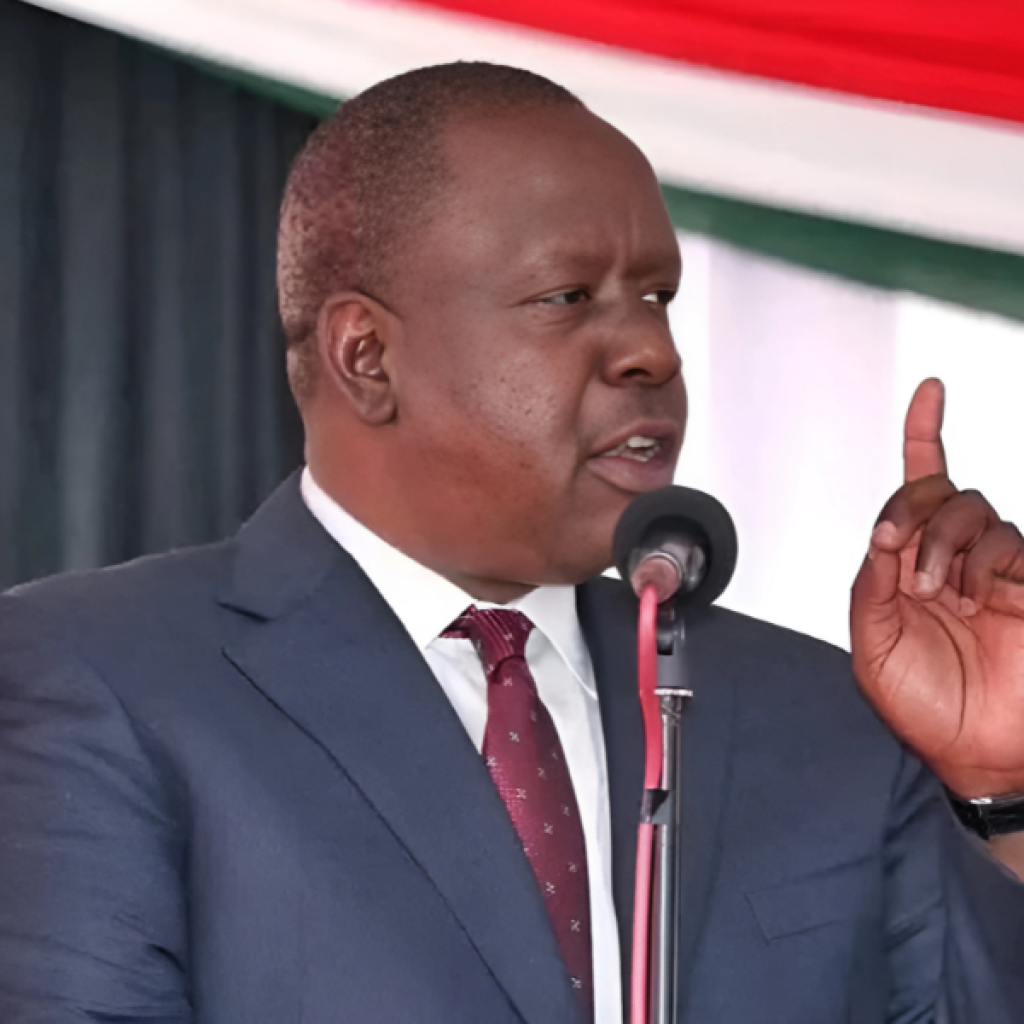
Former Interior CS Fred Matiang’i urged the Kenyan government to embrace dialogue with Gen Z protesters marking the 2024 anti-Finance Bill uprising anniversary, warning against violence and expressing solidarity with the youth.
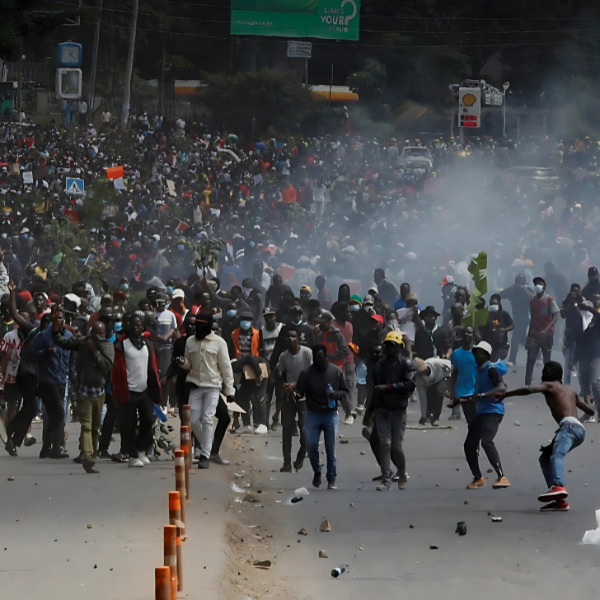
On the evening of June 25, 2025, as Kenya grappled with nationwide protests marking the first anniversary of the tragic 2024 anti-Finance Bill uprising, former Interior Cabinet Secretary Dr. Fred Matiang’i issued a poignant statement calling on the government to heed the cries of its citizens and embrace dialogue. The protests, led by thousands of Gen Z activists, filled the streets of Nairobi, Kitengela, Mombasa, and other cities, demanding justice for the over 60 lives lost in 2024 and pressing for sweeping reforms to address economic inequality and police brutality. Matiang’i, a prominent figure known for his tenure as a reformist minister, expressed solidarity with the young demonstrators, urging security forces to refrain from violence and warning that continued use of force could push Kenya toward a perilous future.
The statement, released through Matiang’i’s social media accounts and shared widely on platforms like X, came at a critical moment. The protests, dubbed the “Gen Z Memorial March,” saw youths block major roads, including Thika Road, where some played football on deserted highways, and clash with police in areas like Kitengela, where tear gas was deployed. In Nairobi’s Central Business District, police barricades and barbed wire restricted access, prompting a legal challenge from the Katiba Institute. Against this backdrop, Matiang’i’s call for dialogue resonated as a voice of reason, drawing on his experience as Interior CS from 2017 to 2022, during which he oversaw security operations and implemented reforms in education and policing.
“The cries of our young people cannot be ignored,” Matiang’i wrote in his statement. “These are not mere protests; they are a call for justice, for reform, for a Kenya that works for all. I stand in solidarity with the thousands who have taken to the streets to honor the fallen and demand a better future.” His words struck a chord with many Kenyans, who view him as a principled leader unafraid to challenge the status quo. Matiang’i’s appeal for dialogue was directed squarely at President William Ruto’s administration, which has faced mounting criticism for its response to the protests, including a Communications Authority directive banning live media coverage and reports of excessive police force.
The 2024 anti-Finance Bill protests, which Matiang’i referenced, were a defining moment in Kenya’s political history. Sparked by a controversial tax bill proposing levies on essentials like bread and sanitary products, the youth-led movement, coordinated through hashtags like #RejectFinanceBill2024, culminated in the storming of Parliament on June 25, 2024. The unrest left over 60 dead, hundreds injured, and Nairobi’s City Hall in flames, forcing the government to withdraw the bill. One year later, the anniversary protests sought to honor the fallen while renewing demands for accountability, with placards reading “Justice for 2024” and “Stop Killing Us” visible across the country. Matiang’i’s statement acknowledged the pain of that period, describing the events of 2024 as “a tragic chapter that must never be repeated.”
Matiang’i’s call for restraint by security forces was particularly pointed. Reports of tear gas, arrests, and alleged use of plainclothes officers to disrupt protests dominated the day’s events. In Kitengela, demonstrators described chaotic scenes as police lobbed tear gas canisters, while in Nairobi, the CBD’s fortification with barbed wire drew widespread condemnation. “I urge our security agencies to avoid using violence against peaceful demonstrators,” Matiang’i said. “The right to protest is enshrined in our Constitution, and it is the duty of the police to protect, not attack, those exercising that right.” His words echoed sentiments from human rights groups like Amnesty International Kenya, which have documented a pattern of excessive force since 2024.
The former CS also warned of the broader implications of the government’s approach. “The continued use of force risks pushing Kenya down a dangerous and slippery slope,” he wrote. “We cannot afford to deepen the divide between the state and its people, especially our youth, who are the heartbeat of this nation.” Matiang’i’s warning came as Kenya faced a confluence of challenges, including a cost-of-living crisis, youth unemployment rates near 20 percent, and growing distrust in institutions. The Gen Z movement, with its decentralized structure and social media savvy, has amplified these grievances, making dialogue an urgent necessity.
Matiang’i’s statement resonated with protesters, many of whom expressed frustration with the government’s dismissive stance. “The government needs to listen, like Matiang’i is saying,” said Aisha Mohamed, a 21-year-old student protesting in Nairobi. “We’re not out here to cause trouble; we’re out here because we want justice for those who died and a future where we can survive.” Mohamed, standing near the National Archives where small groups gathered, held a placard commemorating a friend killed in 2024. Her words reflected the sentiment driving the protests, which have evolved from a reaction to a single bill into a broader call for systemic change.
The former CS’s intervention also sparked debate about his political future. Since leaving office in 2022, Matiang’i has maintained a low profile, focusing on academic and consultancy work, including a fellowship at Harvard University. His statement, however, was seen by some as a re-entry into public discourse, especially given his reputation as a potential 2027 presidential contender. Political analysts noted that his call for dialogue positioned him as a unifying figure, appealing to both the youth and moderates wary of escalating tensions. “Matiang’i is speaking the language of reason at a time when emotions are high,” said political commentator Jane Mwangi. “His voice carries weight because he’s been on both sides—as a government insider and now as a citizen.”
The government’s response to Matiang’i’s statement was muted, with no official comment by evening. President Ruto, hosting an Aga Khan envoy at State House on June 25, reiterated his call for peace and dialogue but maintained a firm stance against street protests. “Kenya must move forward, and that requires stability,” he said during a brief address. Inspector General Douglas Kanja, addressing the media on June 24, had promised to protect peaceful demonstrations but warned against breaches of public order, a stance that clashed with reports of tear gas and arrests. Matiang’i’s appeal for non-violence challenged this approach, urging the government to prioritize de-escalation.
Civil society groups welcomed Matiang’i’s intervention, seeing it as a boost to their efforts. The Katiba Institute, which filed a High Court petition on June 25 challenging police barricades in the CBD, praised his call for dialogue. “Dr. Matiang’i is echoing what we’ve been saying—that the state must respect constitutional rights,” said lawyer Joshua Malidzo. “Dialogue is the only way to address the grievances fueling these protests.” Other groups, like the Kenya National Commission on Human Rights, which reported over 50 deaths in 2024, called for independent investigations into police conduct, aligning with Matiang’i’s plea for justice.
The protests also drew support from religious leaders, though their involvement was less pronounced than Matiang’i’s. A pastor in Roysambu joined demonstrators briefly, offering prayers, while the Catholic Church, criticized in 2024 for allegedly barring protesters from seeking refuge, issued a statement supporting the youth. “The church stands with those seeking justice,” said Reverend John Mwaura. Unlike Matiang’i, however, religious figures faced skepticism from some protesters wary of institutional agendas. “We appreciate the prayers, but this is our fight,” said Brian Otieno, a 25-year-old protester in Kitengela. “Matiang’i gets it—he’s talking about real solutions, not just words.”
Social media amplified Matiang’i’s statement, with hashtags like #DialogueNow and #JusticeFor2024 trending by evening. Posts praised his courage, with one user writing, “Matiang’i is saying what Ruto won’t—listen to the youth or risk losing Kenya.” Others shared videos of protests, including the Thika Road football session, as evidence of the movement’s resilience. The Communications Authority’s ban on live media coverage, issued on June 25, made social media a critical platform for information, with citizens livestreaming events to bypass traditional media restrictions.
As night fell, protests wound down in many areas, though small groups remained active near Nairobi’s National Archives. Police maintained a heavy presence, with reports of tear gas in the CBD and arrests in Mombasa. Matiang’i’s call for dialogue offered a glimmer of hope, but the government’s response remained uncertain. For Kenya’s youth, the fight continued, fueled by the memory of 2024 and leaders like Matiang’i who dared to speak out. “He’s right—we need to talk, not fight,” said Mohamed. “But if they don’t listen, we’ll be back tomorrow, and the day after that.”
Matiang’i’s statement, rooted in his deep understanding of Kenya’s security and political dynamics, underscored the stakes of the moment. As the nation navigates the legacy of 2024 and the aspirations of its youth, his call for dialogue and non-violence stands as a challenge to both the government and citizens to choose a path of unity over division. Whether his words will bridge the gap between the state and its people remains to be seen, but for now, they have given voice to a generation determined to shape Kenya’s future.
Former Kiambu Governor Ferdinand Waititu has secured a major bail reprieve from the High Court, with Justice Winfrida Okwany reducing his bail from Sh53.5 million to Sh20 million cash pending appeal in his ongoing corruption case.
President Ruto and Governor Sakaja signed a cooperation agreement allocating funds for 50,000 new streetlights, water plants saving 50 million litres daily, 27 km Nairobi River sewer and ward road upgrades, with Ruto calling it a partnership to make the city livable while opposition senators warn of devolution threats.
A staff member at Moi Teaching and Referral Hospital allegedly stole Sh10 million by falsifying patient bills as paid in the eCitizen system while diverting the money to her personal account, prompting an ongoing police and hospital investigation.