By Brenda Wereh02 Jul, 202538 mins read 2,540 views
0 comments 0 likes
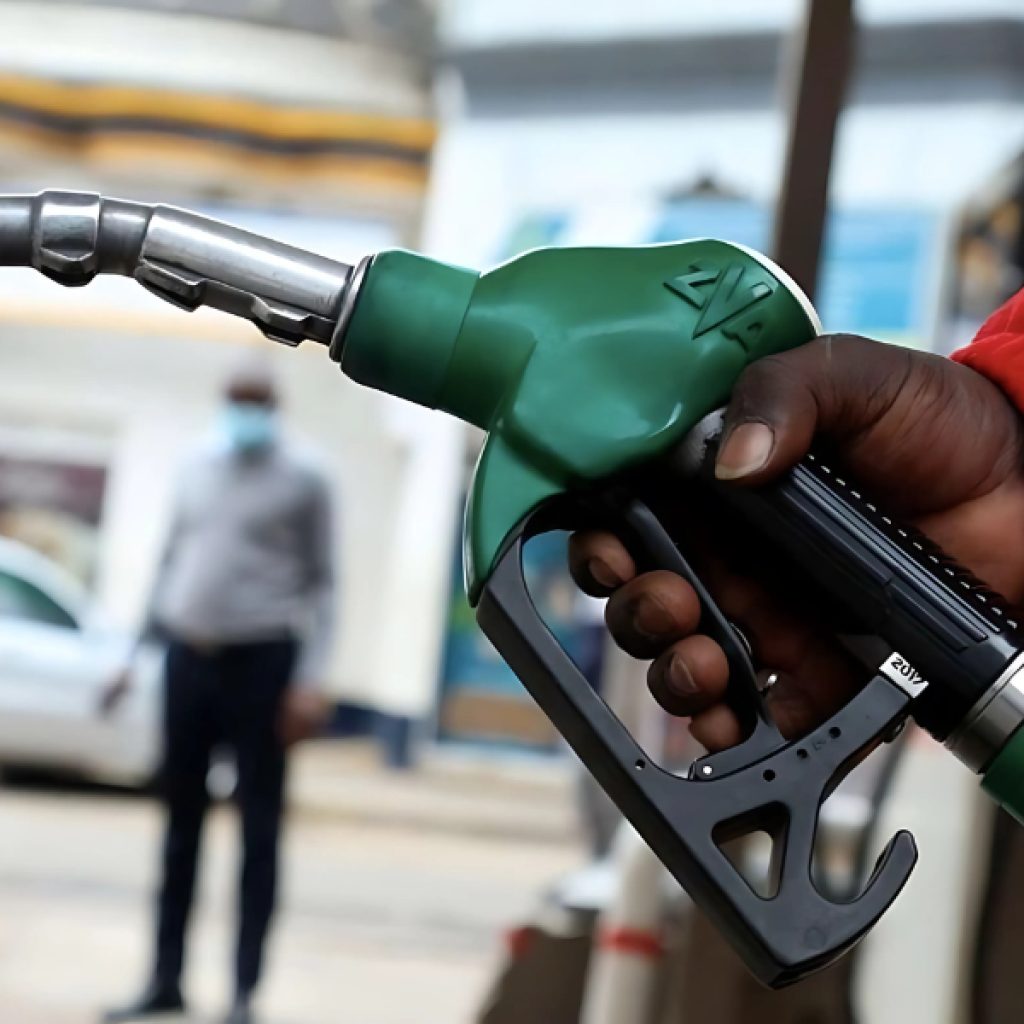
The Energy and Petroleum Regulatory Authority (EPRA) has cracked down on 17 fuel stations across Kenya over fuel adulteration, illegal dumping, and non-compliance violations.
In a decisive move to safeguard Kenya’s fuel supply chain and protect consumers from substandard petroleum products, the Energy and Petroleum Regulatory Authority (EPRA) has intensified its crackdown on fuel adulteration and illegal dumping. On July 2, 2025, EPRA announced the closure of eight petrol stations and flagged 17 others for non-compliance following inspections conducted between April and June 2025.
This operation underscores EPRA’s ongoing commitment to ensuring the integrity of Kenya’s petroleum sector, a critical component of the nation’s economy. Fuel adulteration and the illegal resale of export-bound fuels not only harm consumers by damaging vehicle engines but also deprive the government of vital tax revenue and pose environmental risks. This article delves into the details of EPRA’s latest crackdown, the implications of fuel adulteration, the regulatory framework guiding these actions, and the broader impact on Kenya’s energy sector.
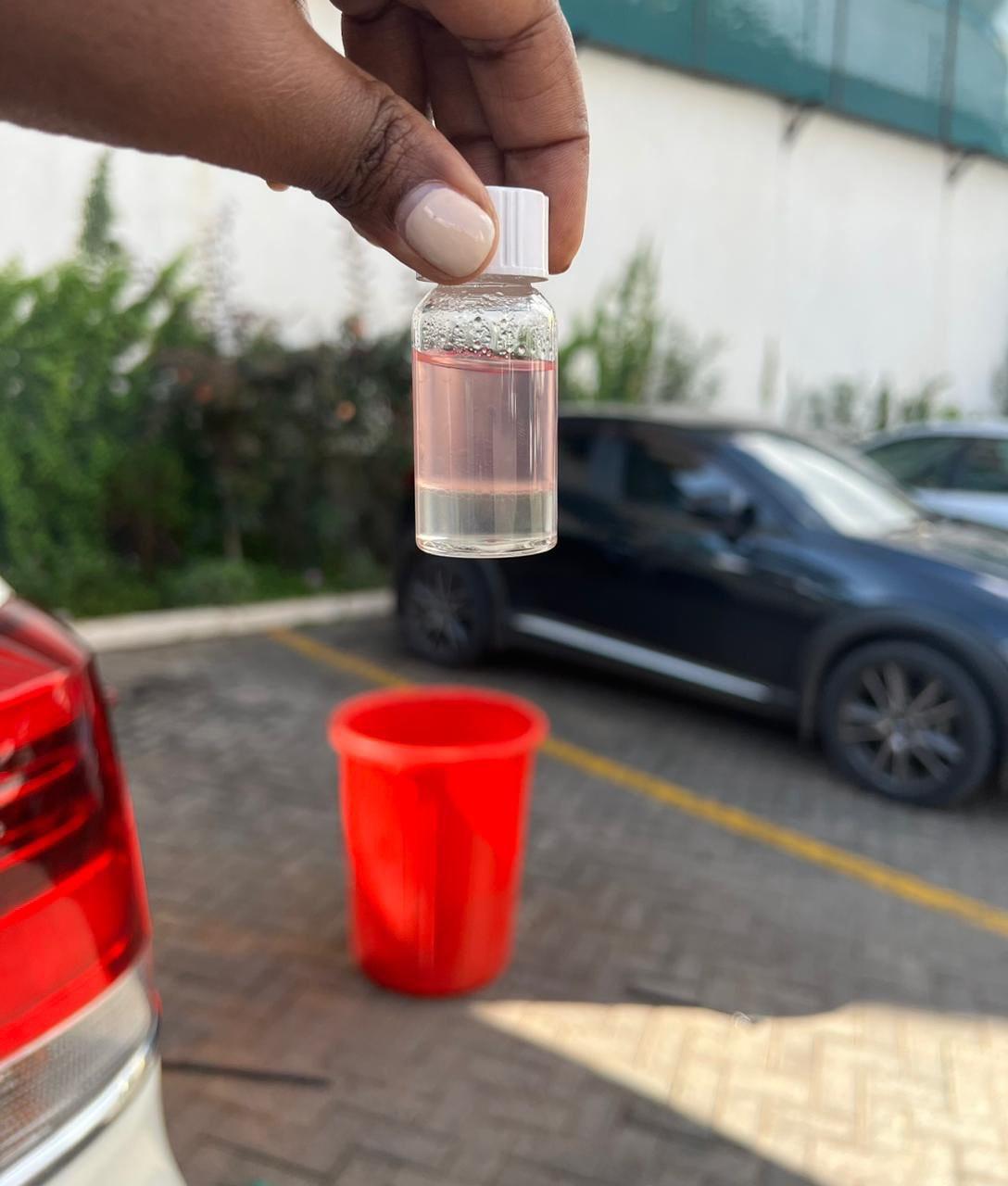
Fuel adulteration has been a persistent challenge in Kenya’s petroleum industry, driven by unscrupulous dealers seeking to maximize profits by diluting high-value fuels like diesel and super petrol with cheaper alternatives such as kerosene. This practice not only compromises fuel quality, leading to engine damage and reduced vehicle performance, but also contributes to environmental pollution due to inefficient combustion. Additionally, the illegal dumping of export-bound fuels—intended for markets outside Kenya—into the local market evades taxes, undercutting compliant retailers and eroding public trust in the fuel supply chain.
The Energy and Petroleum Regulatory Authority, established under the Energy Act 2019, is tasked with regulating Kenya’s energy sector, including monitoring the quality of petroleum products under Section 92 of the Petroleum Act 2019. EPRA’s mandate includes preventing fuel adulteration and ensuring that fuels meant for export are not sold locally, a practice known as “dumping.” To achieve this, EPRA employs advanced technologies like the Fuel Integrity Solution (FIS), which uses biochemical markers to detect adulterated or illegally diverted fuel. Over the years, these efforts have significantly reduced fuel adulteration, with data indicating a drop from 25% of total fuel sold in the early 2000s to just 0.18% by 2021.
The Latest Crackdown: April–June 2025
Between April and June 2025, EPRA conducted compliance inspections across 1,331 petroleum sites nationwide, performing thousands of tests to assess fuel quality. The results revealed that 17 stations, representing 1.28% of the sites inspected, were non-compliant. Eight of these stations were shut down for engaging in activities such as selling adulterated fuel or dispensing export-bound super petrol and diesel in the local market. The violations included fuels contaminated with high sulphur content and the operation of unregistered fuel sites, both of which contravene EPRA regulations and the Petroleum Act.
Among the notable cases, two facilities in Uasin Gishu were found selling adulterated fuel and dispensing export-bound super petrol. One of these stations was closed, while the other is awaiting a court verdict. In Siaya, a station in Wiomino was shut down for selling adulterated fuel, and a similar violation was reported in Bugoma’s Wayanja area. In Narok’s Suswa area, a station was found selling adulterated diesel but was later reopened after paying a fine of Ksh282,000. In Tharaka Nithi, two stations were closed for selling fuel with high sulphur content, and a station in Busia’s Nmable area was shut down for selling export-bound fuel. In Nairobi’s Tassia Estate, a station faced a hefty Ksh2 million fine for selling export-bound petrol and diesel contaminated with kerosene.
Additionally, EPRA impounded three fuel transport trucks for ferrying export-bound fuel intended for illegal resale in the local market, further demonstrating the authority’s vigilance in curbing illicit practices.
Regulatory Framework and Enforcement Mechanisms
EPRA’s crackdown is grounded in its mandate under Section 92 of the Petroleum Act 2019, which empowers the authority to monitor petroleum products offered for sale, transport, and storage across Kenya. The authority conducts regular and surprise audits to ensure compliance, employing the Fuel Integrity Solution to detect tampered or diverted fuel. The FIS uses biochemical markers embedded in petroleum products, enabling inspectors to identify adulteration swiftly. This technology has proven effective, with marked domestic kerosene volumes dropping by 48.2% and total marked export and domestic fuel volumes rising by 11.7% to 3.6 billion liters, indicating robust oversight.
Non-compliant stations face severe consequences, including closures, fines, and legal action. Fines in previous crackdowns have ranged from Ksh115,000 to Ksh769,342, depending on the severity of the violation. Stations found selling adulterated fuel or export-bound products may be reopened after upgrading their products and paying penalties, but repeat offenders face permanent closure or legal proceedings. EPRA’s enforcement is complemented by public reporting mechanisms, including a hotline (0709 366 000), an SMS service (40850), and a USSD code (*363#), encouraging citizens to report suspected fuel adulteration.
Historical Context: Previous Crackdowns
EPRA’s 2025 crackdown is part of a series of enforcement actions aimed at curbing fuel adulteration. In the first half of the 2024/2025 financial year (July–December 2024), EPRA shut down 28 petrol stations after conducting 11,824 tests at 2,616 sites, uncovering issues like diesel mixed with kerosene and high-sulphur petrol sold locally. In the July–September 2024 period, 14 stations were closed, and three were fined after 5,854 tests revealed 17 non-compliant sites. Between October and December 2024, 11 stations were flagged, with six closed and four fined. These consistent efforts reflect EPRA’s proactive approach, with compliance rates hovering around 98–99% in recent years.
Historically, fuel adulteration has declined significantly due to EPRA’s interventions. In 2013, adulterated fuel accounted for 3.05% of total fuel sold, a sharp decline from 25% in the early 2000s. The introduction of an anti-adulteration levy of Ksh18 per liter of kerosene in 2018 further aligned kerosene prices with diesel, reducing the incentive for adulteration.
Impacts of Fuel Adulteration
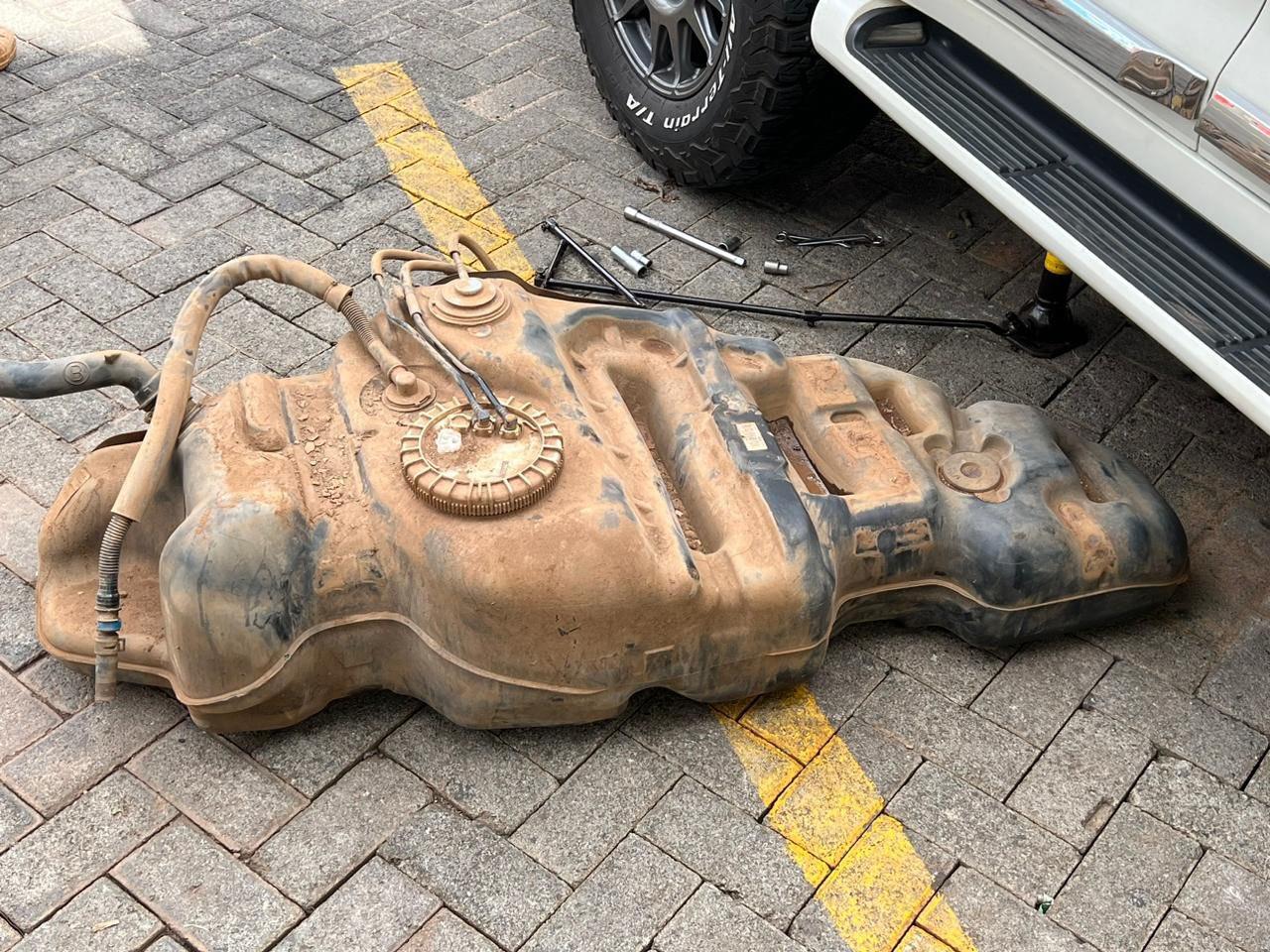
The consequences of fuel adulteration are far-reaching, affecting consumers, the economy, and the environment. For consumers, adulterated fuel can cause engine damage, leading to costly repairs and reduced vehicle lifespan. Boda boda riders and small-scale transporters, who rely heavily on fuel, are particularly vulnerable. Economically, the illegal sale of export-bound fuels deprives the government of tax revenue, which could fund critical public services. In 2021, EPRA estimated that fuel fraud siphoned off significant public funds, undermining economic stability.
Environmentally, adulterated fuels with high sulphur content or kerosene contamination burn inefficiently, increasing emissions of harmful pollutants. In Kenya, where the maximum allowable sulphur content in diesel and super petrol is 50 parts per million (ppm), non-compliant fuels exacerbate air pollution and contribute to health issues. EPRA’s crackdowns aim to mitigate these impacts by ensuring that only high-quality fuels are sold locally.
Public and Industry Response
EPRA’s actions have been widely supported by consumers and compliant fuel retailers, who face unfair competition from unscrupulous dealers. Posts on X reflect public sentiment, with users praising EPRA’s commitment to quality energy and urging continued vigilance. For instance, a post by @babazurii on June 27, 2025, highlighted EPRA’s regular testing and surprise audits, emphasizing the authority’s dedication to eradicating fuel dumping and adulteration. Another post by @Eastleighvoice on July 2, 2025, announced the crackdown, reinforcing public awareness of EPRA’s efforts.
However, some industry players have criticized the hefty fines and closures, arguing that they disrupt business operations. In response, EPRA maintains that penalties are necessary to deter violations and protect consumers. The authority also encourages retailers to invest in compliance measures, such as proper storage and sourcing from licensed suppliers, to avoid sanctions.
Challenges and Future Directions
Despite EPRA’s successes, challenges remain. The persistence of non-compliant stations, albeit a small percentage, indicates that some dealers continue to exploit loopholes. Smuggling of fuel from neighboring countries and the operation of unregistered fuel sites pose ongoing threats. Additionally, the high cost of compliance for small-scale retailers can be a barrier, prompting calls for EPRA to provide support or incentives for upgrading facilities.
Looking ahead, EPRA plans to expand its use of technology, including enhancing the Fuel Integrity Solution and integrating data analytics to predict and prevent violations. The authority is also exploring partnerships with regional bodies to curb cross-border fuel smuggling. Public education campaigns will continue to raise awareness about the dangers of adulterated fuel and encourage reporting of suspicious activities.
EPRA’s crackdown on 17 fuel stations in 2025 demonstrates its unwavering commitment to ensuring fuel quality and integrity in Kenya’s petroleum sector. By leveraging advanced technology, rigorous enforcement, and public engagement, the authority has made significant strides in reducing fuel adulteration and illegal dumping. While challenges persist, EPRA’s proactive measures are fostering a cleaner, safer, and more reliable fuel supply chain. For consumers, this translates to protection from engine damage and hidden costs; for the government, it safeguards vital revenue; and for the environment, it promotes cleaner emissions. As EPRA continues its vigilance, the message is clear: quality energy is non-negotiable, and violators will face strict consequences.
Former Kiambu Governor Ferdinand Waititu has secured a major bail reprieve from the High Court, with Justice Winfrida Okwany reducing his bail from Sh53.5 million to Sh20 million cash pending appeal in his ongoing corruption case.
Kenya National Highways Authority names Eng. Luka Kipchumba Kimeli as Director General while Kenya Roads Board appoints Judith Otsyula to the same role in major leadership changes for Kenya's roads sector.
Kenya’s Committee on Communication, Information and Innovation has rejected calls for a complete ban on TikTok, instead proposing mandatory local storage of Kenyan user data and full compliance with national laws in a report adopted for debate in the National Assembly.