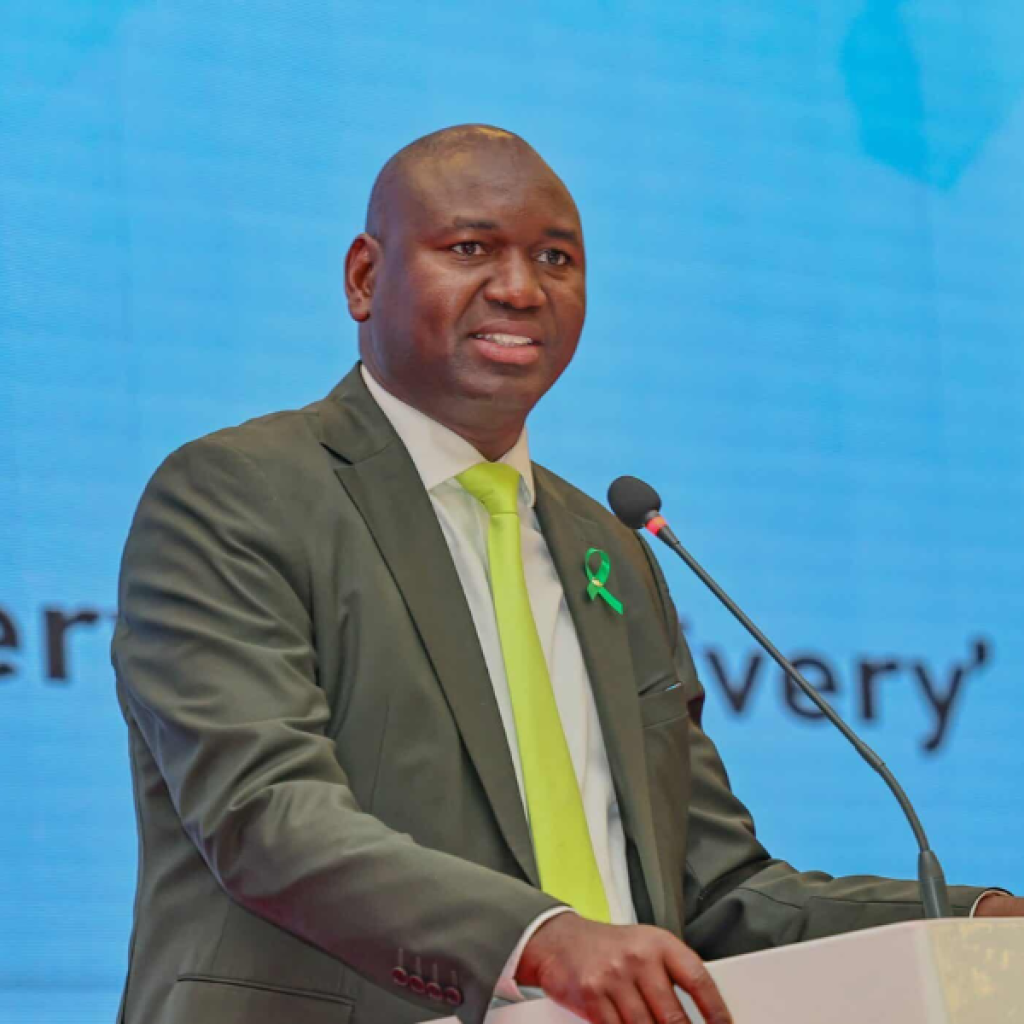
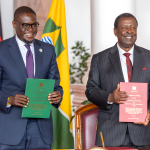
A sense of relief spread across Kenya’s education sector on Friday, July 25, 2025, as Education Principal Secretary Julius Bitok addressed mounting concerns over the future of free education. Speaking at a press briefing held at Jogoo House in Nairobi at 4:32 PM East Africa Time, Bitok firmly dismissed rumors of the program’s cancellation, despite recent revelations of budget cuts impacting capitation funds. The Ministry, under his leadership, plans to lobby Parliament for an increased budget allocation to address the shortfall and ensure funds for capitation and national examinations. “Our commitment to free education is unwavering; we are actively working to secure the resources needed to sustain it,” Bitok said, his tone resolute as he addressed a room of journalists scribbling notes.
The free education policy, a pillar of Kenya’s educational framework for over a decade, has faced scrutiny following the mid-year financial review, which highlighted reductions in capitation grants—funds allocated per student for learning materials and school operations. These cuts, coupled with concerns over examination fees for the upcoming KCSE and KCPE assessments, sparked unease among parents and educators. A teacher in Nakuru, organizing textbooks in a classroom, expressed cautious optimism. “We were worried about exam costs; this statement gives us some reassurance,” she said, glancing at her students preparing for the term. Bitok’s clarification aims to stabilize the situation, with the Ministry promising to present a robust case to lawmakers in the coming weeks.

The budget adjustments, driven by economic challenges and competing national priorities, have left schools struggling to meet basic needs. In Kisumu, a headteacher reported delays in capitation disbursements, noting, “We’ve had to dip into our savings to keep the school afloat.” Bitok acknowledged the strain, explaining that the Ministry is negotiating with the Treasury for reallocation while preparing to seek additional funds. The proposed budget increase targets restoring capitation to its intended levels—around Sh22,244 for secondary students and Sh1,528 for primary students annually—while covering exam registration costs. A vendor selling newspapers near the ministry added, “If they get more money, it’ll ease the burden on our kids’ schools.”
The revelation of cuts, leaked through an internal memo earlier this month, triggered public outcry and demands for transparency from education stakeholders. Parents in Eldoret gathered at a community hall to discuss the implications, with one mother saying, “We can’t afford to step in if the government steps back.” Bitok clarified that the reductions reflect fiscal adjustments rather than a policy shift, a point he emphasized during the briefing. “Free education is here to stay; we’re addressing the funding gap through dialogue with Parliament,” he stated, gesturing to a projected chart of past allocations. The Ministry’s strategy includes highlighting rising enrollment—over 300,000 new students since 2020—and infrastructure demands to justify the request.
Public sentiment varies across regions, with rural and urban communities offering diverse views. In Nyeri, a farmer pausing from tending crops listened to the radio, saying, “If they stick to this, it’s a relief for us.” In Mombasa, a shopkeeper serving customers expressed doubt. “We’ve heard promises before; show us the funds,” he said as the news played in the background. The cuts have affected over 10 million learners, with schools reporting shortages of desks and delays in teacher payments. A father in Nakuru, walking his children to school, added, “My son’s class is overcrowded; we need this fixed.” The lobbying effort is seen as a lifeline to maintain educational access.
The examination funding crisis adds pressure to the Ministry’s plans, with schools facing deadlines to register students for the 2025 national exams. Some institutions have sought parental contributions, contradicting the policy’s intent. Bitok addressed this, saying, “No child should miss an exam due to funding; we’re pushing for full coverage.” A teacher in Kitui, distributing exam schedules, nodded in agreement. “This support is crucial to avoid disruptions,” she said, sorting papers for her class. The PS outlined a timeline to submit the budget request by mid-August, aligning with the supplementary estimates, a move that has sparked cautious hope among educators.
The free education program, while transformative, has long struggled with underfunding, a challenge exacerbated by the KUSCCO financial crisis earlier this year, which strained public coffers. A community leader in Naivasha, leading a discussion, remarked, “Education must come before other expenses.” Bitok noted these pressures, mentioning collaboration with development partners to supplement funds. A matatu driver in Garissa, fueling his vehicle, added, “Outside help is fine, but the government must lead.” The Ministry’s transparency campaign will explain the cuts and lobbying process, aiming to rebuild trust.
Stakeholders like the Kenya National Union of Teachers (KNUT) and parents’ associations have endorsed the plan but seek clarity. In Eldoret, a KNUT representative addressed members, saying, “We back this effort, but we need details on the budget.” The Ministry will present data on enrollment growth and material costs to Parliament, supporting a projected Sh10 billion increase, though figures are still being finalized. A student in Nyahururu, checking news on his phone, said, “More students mean more funds are needed; they can’t cut now.” The request’s success hinges on parliamentary approval.
Communities nationwide are engaged, with conversations unfolding in markets and homes. In Marsabit, a herder tending cattle heard a radio update, saying, “Education is our future; don’t let it fail.” In Kisii, a shopkeeper tuning in added, “This affects every home; they must act.” Some schools have closed temporarily due to funding gaps, with a mother in Thika noting, “My daughter’s school shut last week; we need stability.” Bitok’s address has shifted the mood from alarm to possibility, though residents await results.
Economic constraints, including inflation and debt, have forced budget reallocations, often at education’s expense. A lawyer in Kisumu, discussing over tea, remarked, “They must balance without hurting schools.” The Ministry’s public campaign will detail the lobbying process, fostering dialogue. A youth leader in Naivasha, organizing a meeting, reflected, “We want to see how our taxes are spent.” The PS’s commitment signals resilience, with stakeholder meetings planned for next month to refine the proposal.
As evening approached, the story reached remote areas via radio and word of mouth. In Kitui, a farmer irrigating crops said, “This could help if they follow through.” In Mombasa, a student at a cyber cafe scrolled through updates, noting, “It’s a start, but we need action.” Schools report relief at the prospect of restored funds, with a vendor in Gikomba market packing up adding, “Let’s hope Parliament listens; our kids deserve it.” The lobbying effort marks a pivotal moment for Kenya’s education system.
The day ended with a reflective tone in classrooms and homes. In Nakuru, a teacher preparing lessons said, “This could save our term if approved.” In Thika, a mother at a clinic expressed hope. “If they get the budget, my son won’t miss his exams.” Bitok’s leadership has reframed the narrative, with the Ministry poised to advocate fiercely. A community organizer in Turkana, planning a radio talk, reflected, “This is a chance to mend what’s broken.” The nation watches as the education sector navigates this critical juncture.