Kenya took a bold step toward sustainable transportation on Wednesday, July 23, 2025, as BasiGo unveiled the country’s first inter-city electric matatu pilot program. The initiative, launched at a ceremony in Nairobi at 10:00 AM East Africa Time, introduces 16- and 19-seater electric vans to regional routes, marking a significant shift from the diesel-dominated public transport landscape. The vans, designed to travel up to 300 kilometers on a single charge, will serve key corridors including Nyahururu to Nyeri, Nyahururu to Nakuru, and Thika to Nairobi, offering a cleaner alternative for commuters. “This is a new dawn for our transport sector; we’re moving toward a greener future,” said a BasiGo official addressing a crowd of local leaders and transport operators gathered for the launch. The move has sparked excitement and curiosity among residents along these routes, who are eager to experience the quiet efficiency of electric travel.
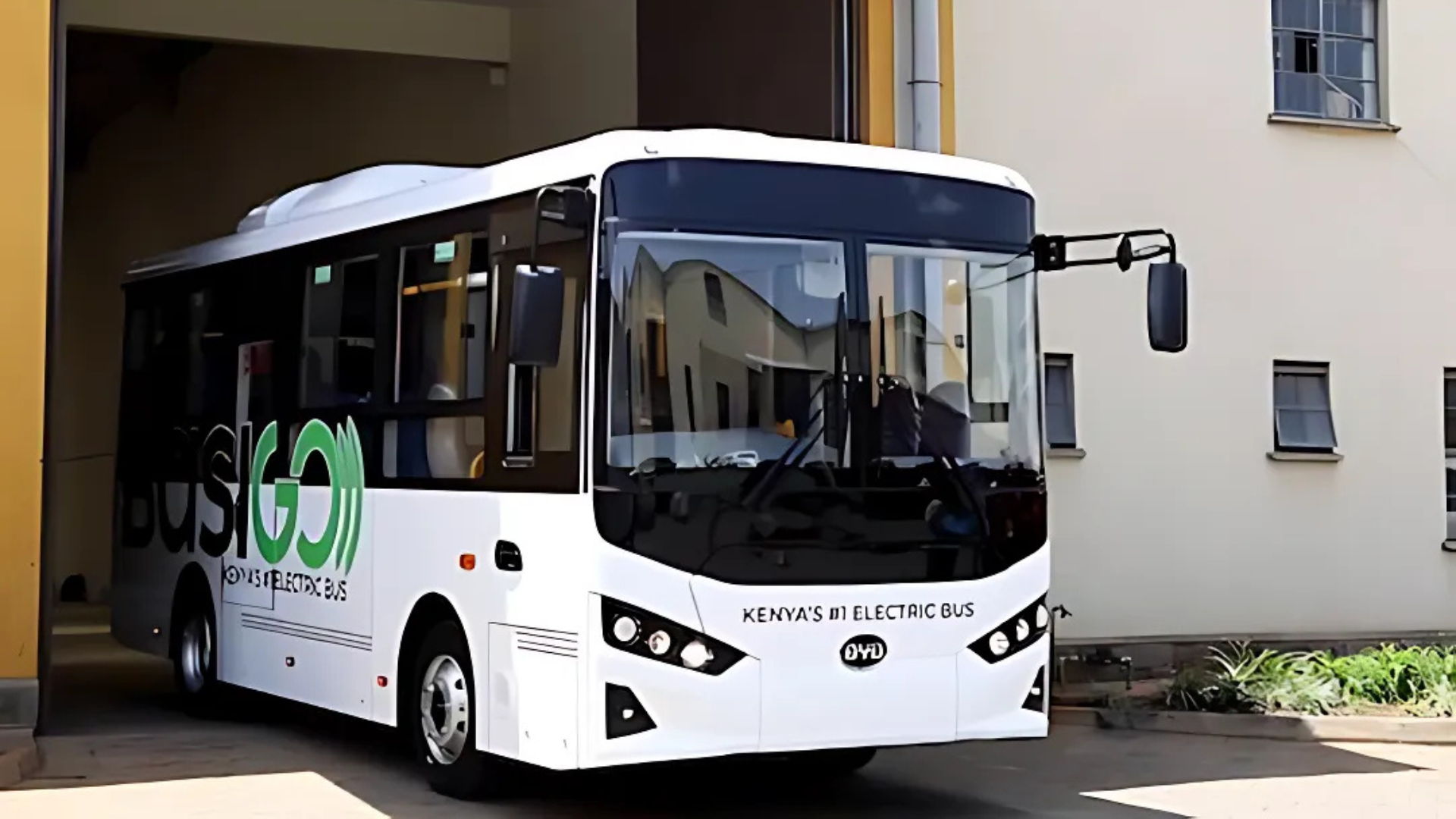
The pilot program, a collaboration with local Savings and Credit Cooperative Societies (SACCOs), aims to test the viability of electric matatus beyond urban centers like Nairobi. The vans, equipped with advanced battery technology, promise a recharge time that fits seamlessly into daily operations, a feature that has drawn praise from operators. “We can recharge in a few hours and keep moving; it’s a game-changer for us,” remarked a driver from Nyahururu, adjusting his cap as he inspected one of the new vehicles. The initiative builds on BasiGo’s earlier success with electric buses in Nairobi, expanding the company’s vision to connect rural and urban hubs with sustainable transport options. The 300-kilometer range addresses a critical need for long-distance travel, a challenge that diesel matatus have long struggled to meet efficiently.
Nyahururu, a bustling town known for its scenic waterfalls, welcomed the first vans with a mix of anticipation and skepticism. A shopkeeper near the matatu stage observed passengers boarding the sleek vehicles, saying, “It’s quiet and clean, but I wonder if it can handle our hilly roads.” The vans’ design incorporates robust engineering to navigate Kenya’s diverse terrain, a point emphasized during the launch when a technician explained the vehicles’ adaptability. Similarly, in Nyeri, a farmer waiting for a ride to Nakuru expressed hope. “If this works, it could cut our travel costs and pollution,” he said, leaning against a fence as the van pulled into the station. The Thika-Nairobi route, a busy corridor linking the industrial hub to the capital, saw its first electric matatu greeted by cheers from commuters tired of smoky diesel fumes.
The introduction of these electric vans comes at a time when Kenya is pushing to meet its climate goals, with a focus on reducing carbon emissions from the transport sector. Each van’s 300-kilometer range, supported by strategic charging points, offers a practical solution for operators who previously relied on frequent refueling stops. A conductor on the Thika route, counting passengers as they boarded, noted, “We used to stop twice for diesel; now we can go all day.” BasiGo has installed charging infrastructure in key locations, including Nyahururu and Thika, to ensure the vans remain operational. This network, combined with the vehicles’ efficiency, has prompted discussions among SACCO members about expanding the fleet, with some suggesting a trial extension to Eldoret and Kisumu.
Public response along the routes has been a blend of enthusiasm and cautious optimism. In Nakuru, a mother traveling with her children remarked, “The ride is smooth, and my kids aren’t coughing from exhaust.” The vans’ interior design includes comfortable seating and reduced noise levels, a stark contrast to the loud engines of traditional matatus. However, concerns about maintenance and the availability of charging stations linger, with a mechanic in Nyeri warning, “If the chargers break down, we’re stuck.” BasiGo has pledged to provide training and support to address such issues, a commitment that has reassured some operators. A young woman in Thika, scrolling through her phone as she waited, added, “It’s modern, but let’s see if it lasts.”
The pilot involves a diverse range of stakeholders, from SACCO leaders to local government officials, who see the program as a model for regional transport innovation. During the launch, a SACCO chairman from Manchester Travellers Coach SACCO spoke about the economic benefits. “This could lower our fuel costs and create jobs for our members,” he said, flipping through a booklet of route schedules. The vans operate under a leasing model that allows operators to pay based on mileage, reducing the financial burden of ownership. This approach has sparked interest among smaller SACCOs, with a representative from 4NTE SACCO noting, “It’s affordable, and we can grow with it.” The model’s success could pave the way for broader adoption across Kenya’s matatu network.
The environmental impact of the pilot has not gone unnoticed. With diesel matatus contributing significantly to air pollution, the switch to electric vans offers a promising reduction in emissions. A teacher in Nyahururu, standing near a charging station, observed, “The air feels cleaner already; this could help our children’s health.” The 300-kilometer range aligns with the daily travel needs of many routes, minimizing the need for midday recharges and allowing operators to maintain schedules. In Thika, a fruit vendor near the matatu stage remarked, “Less smoke means more customers staying outside.” The initiative aligns with national efforts to harness renewable energy, with plans to expand charging infrastructure as the pilot progresses.
Challenges remain, particularly in remote areas where power supply can be unreliable. A farmer in Nakuru, waiting for a van to Nyeri, expressed concern. “What happens if the electricity fails?” he asked, adjusting a sack of goods. BasiGo’s team has outlined contingency plans, including mobile charging units, though their deployment is still in early stages. The company also faces the task of educating commuters about the new technology, with some passengers in Nyahururu admitting they were unsure how to board. “I thought it was a private car at first,” said an elderly man, laughing as he settled into a seat. Outreach programs are underway to address such confusion, with SACCO members distributing flyers at stops.
The pilot’s success hinges on community acceptance and operational efficiency. In Nyeri, a student heading to Nakuru praised the vans’ speed. “It’s faster than the old matatus, and I can charge my phone inside,” she said, plugging into a USB port. The vehicles’ modern features, including Wi-Fi and surveillance cameras, have drawn younger passengers, while older residents appreciate the lower fares enabled by reduced fuel costs. A conductor in Thika, collecting tickets, noted, “People are curious, and that’s bringing more riders.” The 16- and 19-seater capacities cater to varying demand, with larger vans deployed on busier routes like Thika-Nairobi.
Local economies along the routes are already feeling the ripple effects. In Nyahururu, a mechanic near the charging station reported increased business. “We’re learning to service these vans; it’s new work for us,” he said, wiping grease from his hands. Small vendors in Nakuru and Thika have noticed more foot traffic as commuters linger at stops, with a woman selling roasted maize adding, “More people mean more sales.” The pilot’s potential to create jobs, from assembly to maintenance, has sparked hope among youth in Nyeri, where a group discussed the opportunity. “This could be our future,” said a young man, sketching a van design on a notepad.
As the day progressed, the vans completed their initial runs, with passengers sharing their experiences. In Nakuru, a trader returning from Nyahururu remarked, “It’s quieter, and I arrived on time.” The 300-kilometer range proved sufficient for the round trip, a relief for operators who had worried about range limitations. In Thika, a mother with two children noted the comfort. “No fumes, and the seats are soft; my kids loved it,” she said, helping them off the van. The pilot’s early success has fueled speculation about its expansion, with SACCO leaders meeting to plan the next phase.
The evening brought a sense of possibility to the routes, with communities gathering to discuss the day’s events. In Nyahururu, a herder listening to a radio update said, “If it works, it could change how we travel.” In Thika, a student at a cyber cafe scrolled through photos of the vans, noting, “This is progress we can feel.” The pilot, set to run for six months, will provide data on performance and public response, guiding future investments. A vendor in Nakuru, packing up his stall, reflected, “It’s a start; let’s see where it takes us.” The initiative stands as a testament to Kenya’s ambition to lead in sustainable transport, with the nation watching closely as the electric matatu era begins.